Balcony Strawberry Success Calculator
Answer three simple questions to find out which strawberry type will thrive on your balcony and get personalized care tips.
These are the balcony heroes. They produce fruit continuously as long as temperatures stay between 35°F and 85°F. No runners means less mess.
You look at that tiny concrete slab outside your kitchen window and think, "There is no way anything can grow here." But hold on. Strawberries are actually one of the best plants to start with if you have limited space. They don't need a massive field. They don't need perfect soil depth. In fact, they often do better in containers than in the ground because you control everything-water, nutrients, and sunlight.
Living in Manchester, I know the struggle of finding enough sun. Yet, my balcony yields more berries than some neighbors' backyards. Why? Because I picked the right variety and managed the microclimate. If you're wondering can I grow strawberries on my balcony, the short answer is yes. The long answer involves picking the right pot, the right dirt, and the right type of berry.
The Short Answer: Yes, But Pick the Right Variety
Not all strawberries are created equal for container life. You have three main types, and choosing the wrong one will leave you with leaves but no fruit.
- Everbearing: These produce two crops per year-one in spring, one in late summer. They send out runners, which can clutter a small balcony, so you'll need to trim them. Good for steady supply.
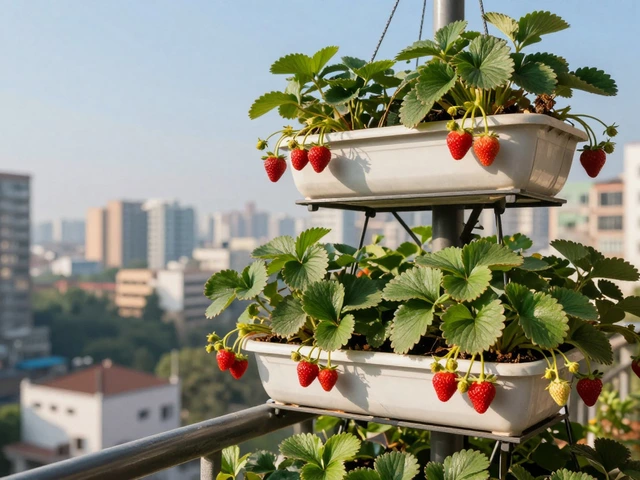
- Day-Neutral: These are the balcony heroes. They produce fruit continuously as long as temperatures stay between 35°F and 85°F (1°C-29°C). No runners means less mess. Varieties like 'Albion' or 'Tristar' are excellent choices here.
- June-Bearing: One big harvest in early summer. Great if you want to make jam all at once, but you wait months for it. They also produce lots of runners, taking up valuable square footage.
If you want fresh berries from June through September without turning your balcony into a jungle, go for day-neutral. It’s the most forgiving option for beginners.
Container Selection: Size and Drainage Matter More Than Looks
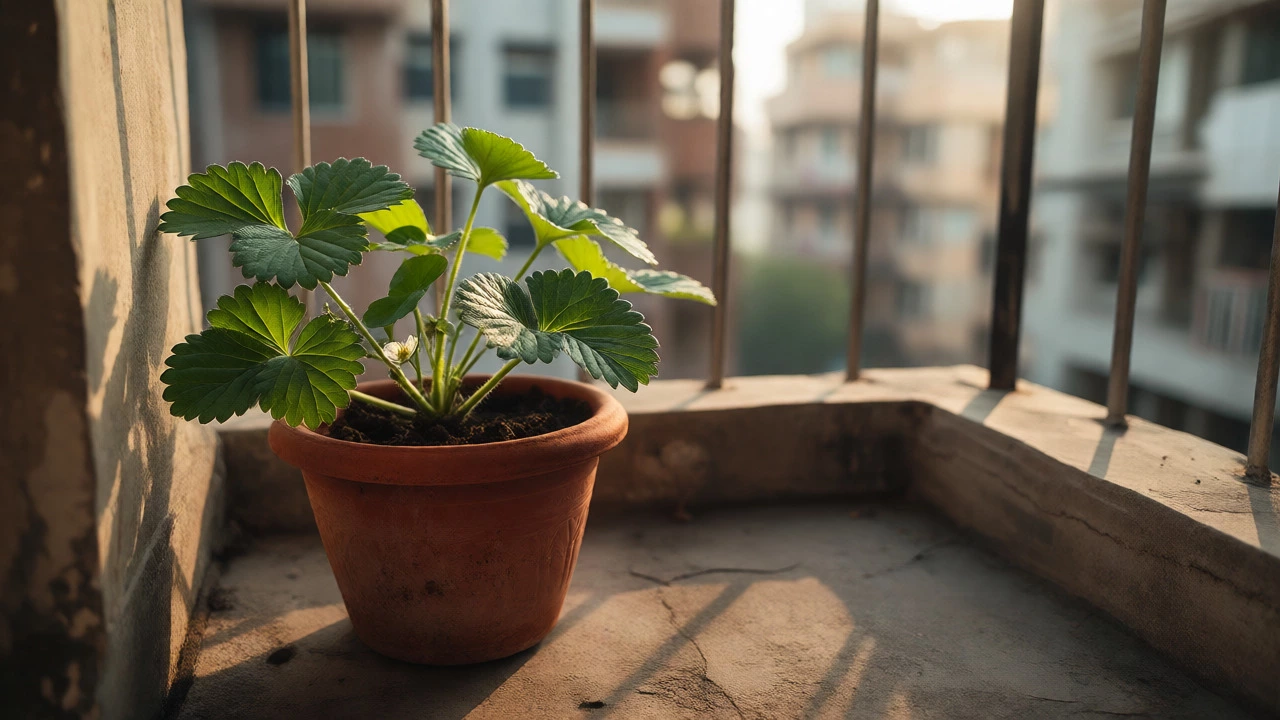
Strawberries have shallow roots, but they spread horizontally. A deep pot isn't always necessary, but width is. You need room for the plant to expand. However, the biggest killer of balcony strawberries isn't lack of space-it's waterlogging.
| Feature | Minimum Requirement | Ideal Setup |
|---|---|---|
| Depth | 6 inches (15 cm) | 8-10 inches (20-25 cm) |
| Diameter | 8 inches (20 cm) per plant | 12+ inches (30 cm) per plant |
| Material | Plastic (lightweight) | Terracotta or Fabric Pots |
| Drainage | At least one hole | Multiple holes + saucer |
Why terracotta? It breathes. Plastic retains moisture, which can rot roots if you overwater. Since balconies often get windy, lightweight plastic might blow over. Heavy ceramic or terracotta stays put. Fabric pots are great too-they prevent root binding and dry out faster, forcing you to be attentive, which strawberries love.
Soil Mix: Don't Use Garden Soil
This is where most people fail. You scoop dirt from the park, dump it in a pot, and wonder why nothing grows. Garden soil compacts in containers. It turns into a brick when wet and dust when dry. Roots can't breathe.
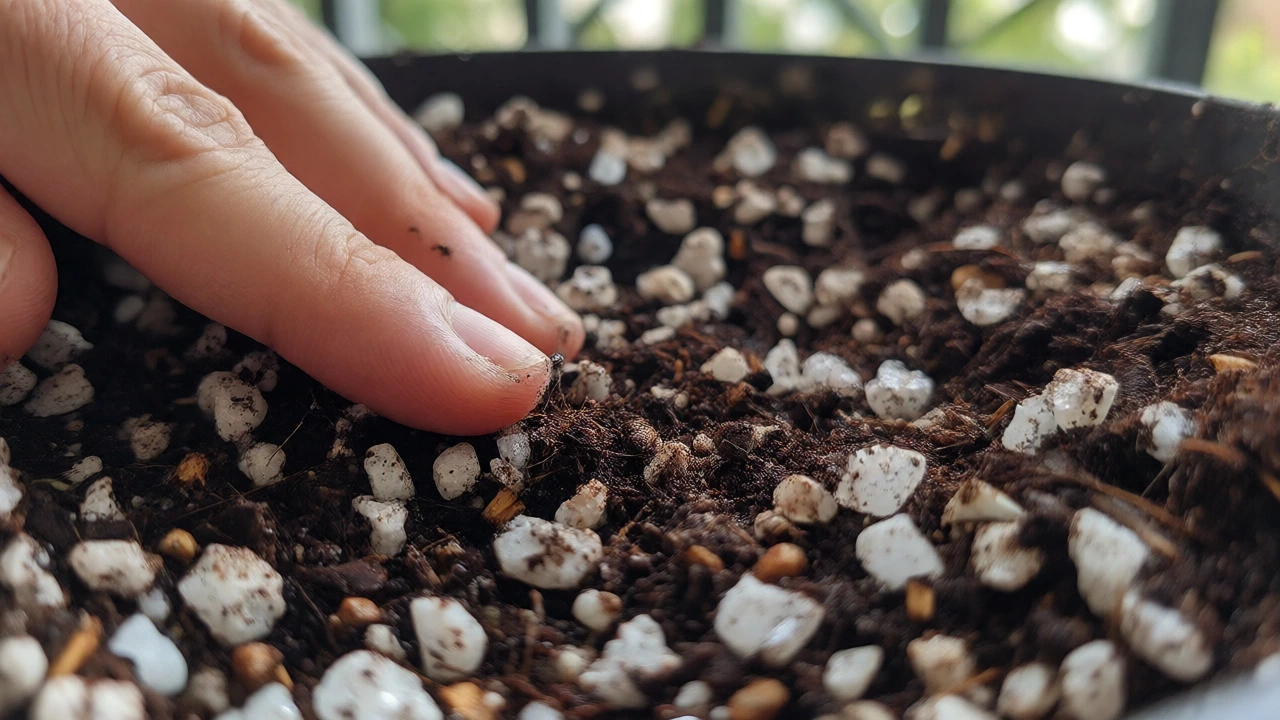
Use a high-quality potting mix. Look for words like "light," "airy," and "well-draining." Add perlite or vermiculite if the mix feels dense. You want the soil to feel like a moist sponge, not mud. Strawberries hate "wet feet"-roots sitting in stagnant water.
Here’s a simple recipe I use:
- 60% peat-free compost or coconut coir
- 20% perlite for drainage
- 20% worm castings for slow-release nutrients
Worm castings are magic. They feed the plant gently without burning it, unlike synthetic fertilizers. Plus, they improve soil structure over time.
Sunlight: The Non-Negotiable Factor
Strawberries are sun lovers. They need 6 to 8 hours of direct light daily. Less than that, and you’ll get green, sour berries. On a north-facing balcony in the UK, this is tricky. You might only get 4 hours.
What can you do?
- Move the pots. Follow the sun. Morning sun is good, but afternoon sun is better for sweetness.
- Reflective surfaces. Place a white board or mirror behind the pots to bounce light onto the leaves.
- Choose shade-tolerant varieties. Some alpine strawberries (like 'Mignonette') tolerate partial shade better, though their yield is lower.
If your balcony gets zero direct sun, strawberries might not be the right choice. Try lettuce or herbs instead. But if you get even 5 hours, you can still get a decent crop with careful management.
Watering and Feeding: Consistency Is Key
Balcony pots dry out fast. Wind speeds evaporation, and heat radiates off concrete floors. You might need to water every day in July. Check the soil by sticking your finger an inch deep. If it’s dry, water. If it’s damp, wait.
Overwatering causes root rot. Underwatering stresses the plant, leading to small, bitter berries. Aim for consistent moisture.
Feeding matters too. Potting mix has limited nutrients. Once flowers appear, switch to a high-potassium fertilizer. Tomatoes food works perfectly. Apply it every two weeks. Nitrogen promotes leaves; potassium promotes fruit. Too much nitrogen gives you a bushy plant with no berries.
Pollination: Do You Need Bees?
On a high-rise balcony, bees might be scarce. Strawberries are self-fertile, meaning each flower has both male and female parts. But they still need help moving pollen around.
Wind does some work, but it’s unreliable indoors or on sheltered balconies. Here’s what I do: take a soft paintbrush or cotton swab and gently swirl it inside each open flower. Do this in the morning when pollen is dry and ready. It takes two minutes and doubles your fruit set.
Alternatively, tap the plant gently while flowering. This shakes loose pollen. If you see deformed or partially red berries, it’s usually poor pollination. Next season, brush those flowers.
Common Pitfalls and How to Avoid Them
Even experienced growers mess up. Here are the top three mistakes I see in urban gardening forums:
- Crowding. Planting five strawberries in one small pot. They compete for resources. Give each plant its own space or use a wide trough with proper spacing.
- Ignoring runners. Runners steal energy from fruit production. Pinch them off unless you want new plants.
- Planting too deep. The crown (where stems meet roots) must sit above the soil line. Burying it causes rot. Keep it exposed.
Also, watch for slugs. On balconies, they climb walls and drop onto leaves. Copper tape around the pot rim stops them cold. Or place a dish of beer nearby-they fall in and drown.
Harvesting Tips for Maximum Flavor
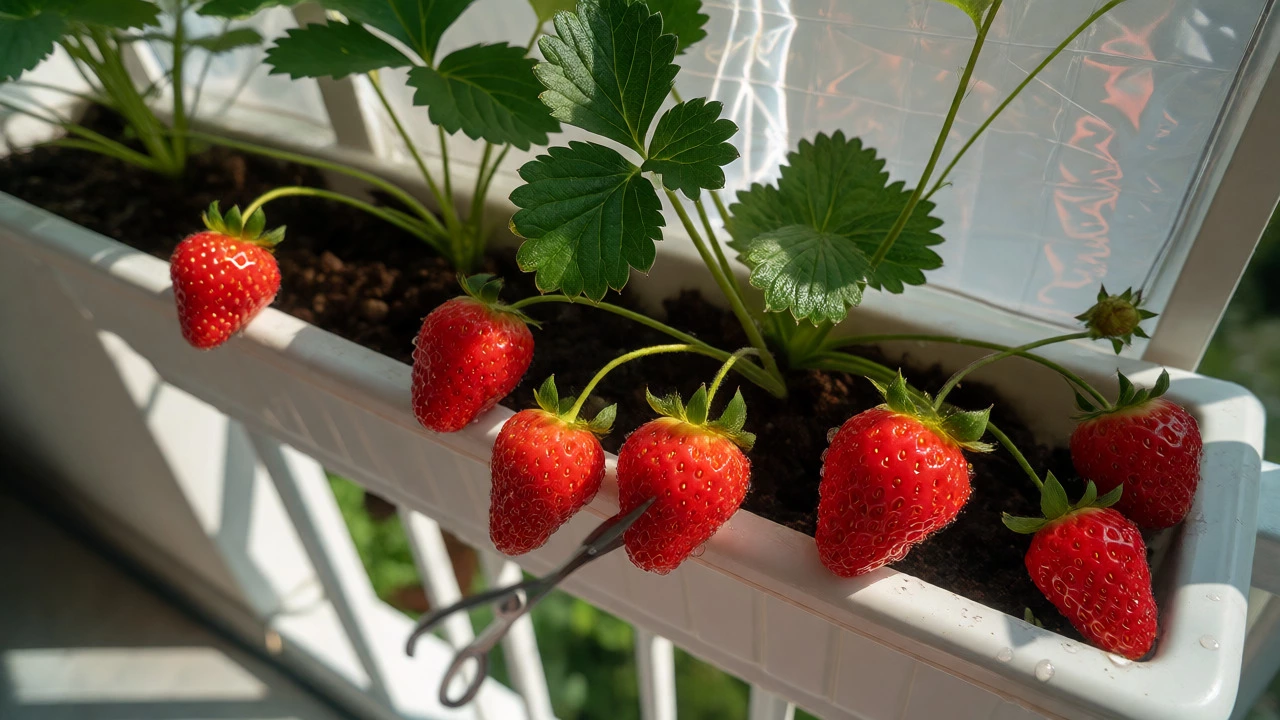
Don’t pick strawberries when they’re just pink. Wait until they’re fully red, including the shoulders near the stem. Green shoulders mean unripe flavor. Taste one before picking the rest. If it’s sweet, harvest. If it’s tart, wait another day.
Use scissors to cut the stem, leaving a bit of green attached. Pulling them off damages the plant and shortens future yields. Harvest every 2-3 days during peak season. Leaving ripe berries on the plant signals it to stop producing.
How many strawberries can I grow in one pot?
In a standard 12-inch (30 cm) diameter pot, you can comfortably grow one large plant or two smaller everbearing varieties. Overcrowding reduces air circulation, increasing disease risk and lowering fruit quality.
Do strawberries need winter protection on a balcony?
Yes, especially in colder climates like the UK. Containers freeze faster than ground soil. Move pots against a wall, wrap them in bubble wrap or burlap, and mulch the top with straw. Alpine strawberries are hardier, but most hybrids need insulation below 20°F (-6°C).
Can I grow strawberries indoors instead?
Yes, but you need intense light. A south-facing window rarely provides enough intensity. Use LED grow lights for 12-14 hours daily. Day-neutral varieties work best indoors since they don’t rely on seasonal changes to trigger flowering.
Why are my strawberries small?
Small berries usually result from inconsistent watering, insufficient sunlight, or nutrient deficiency. Ensure consistent moisture, provide at least 6 hours of direct sun, and feed with potassium-rich fertilizer during flowering. Poor pollination also leads to undersized fruit.
When should I replace my strawberry plants?
Strawberry productivity declines after 3 years. Replace them every 2-3 years with new plants. Alternatively, propagate new plants from runners each year to maintain a continuous cycle without buying new stock.