Drip Irrigation: How It Works, What Goes Wrong, and How to Fix It
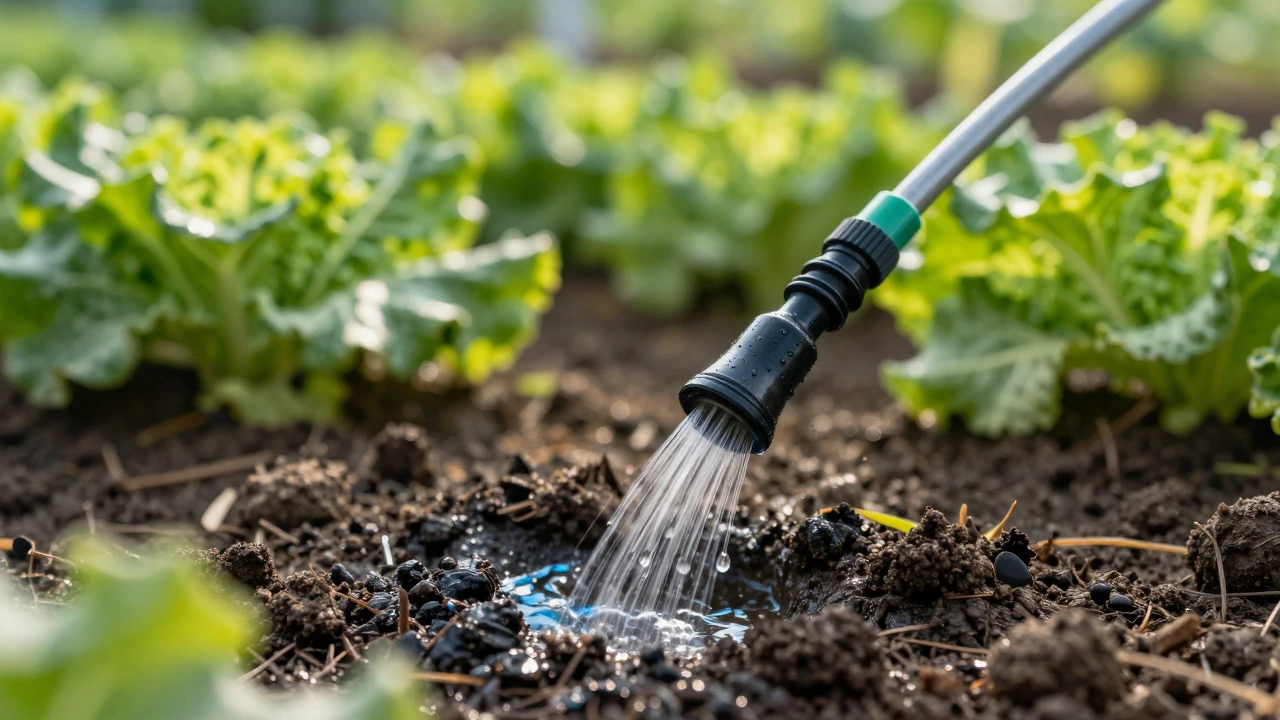
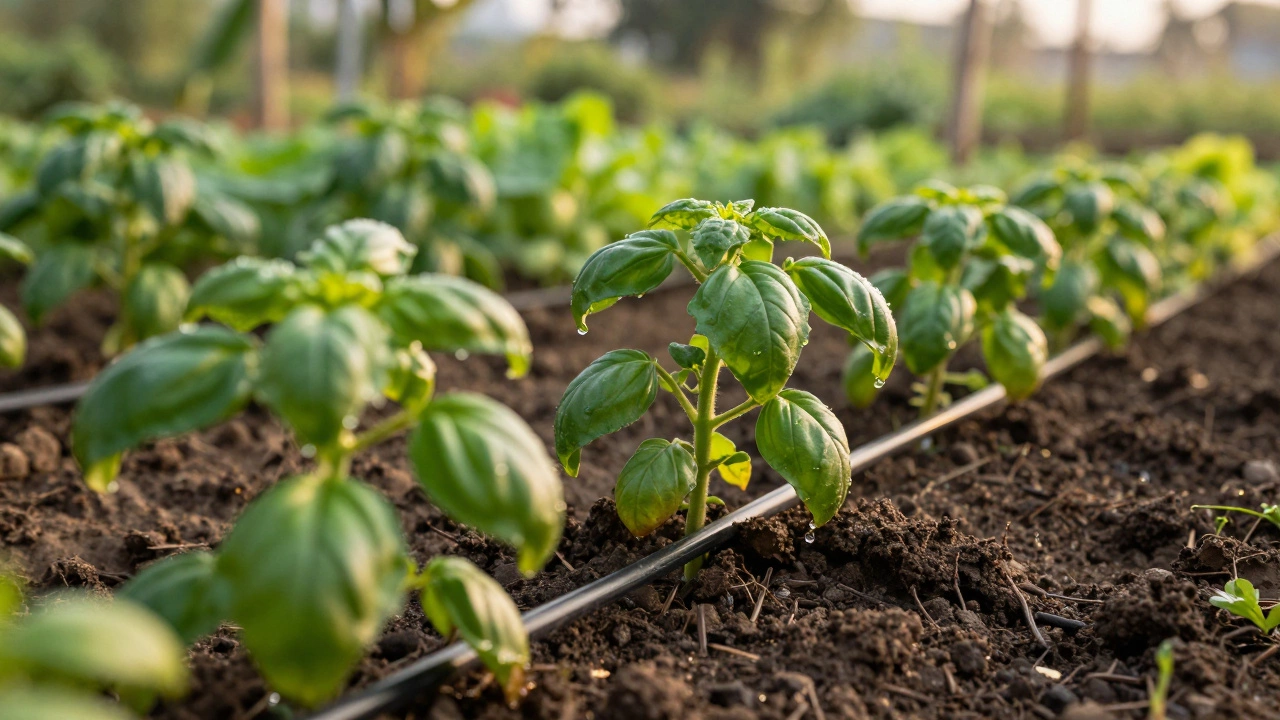
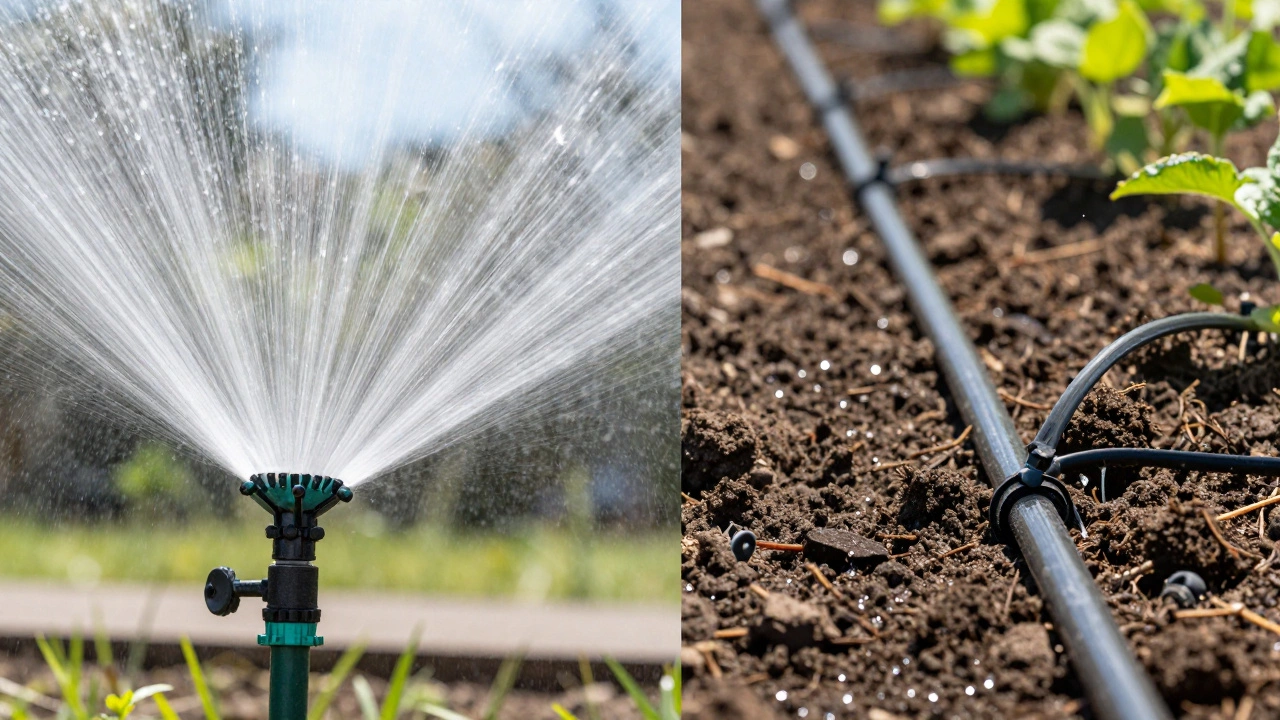
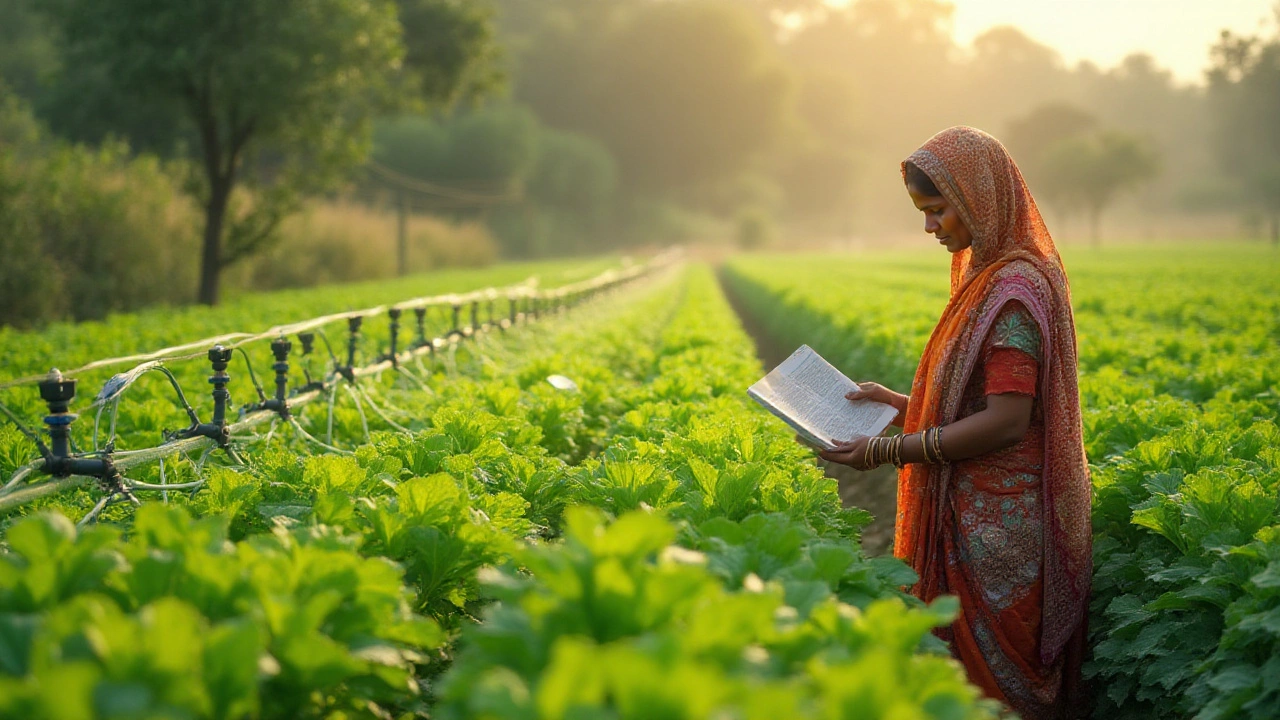
When you think of drip irrigation, a targeted watering system that delivers water slowly and directly to plant roots. Also known as micro-irrigation, it’s one of the most efficient ways to water gardens and farms in India’s dry climates. Unlike sprinklers that waste water to evaporation and runoff, drip irrigation puts every drop where it’s needed—right at the base of your plants. But here’s the catch: it only works well if you understand how it’s built, how it breaks, and how to keep it running.
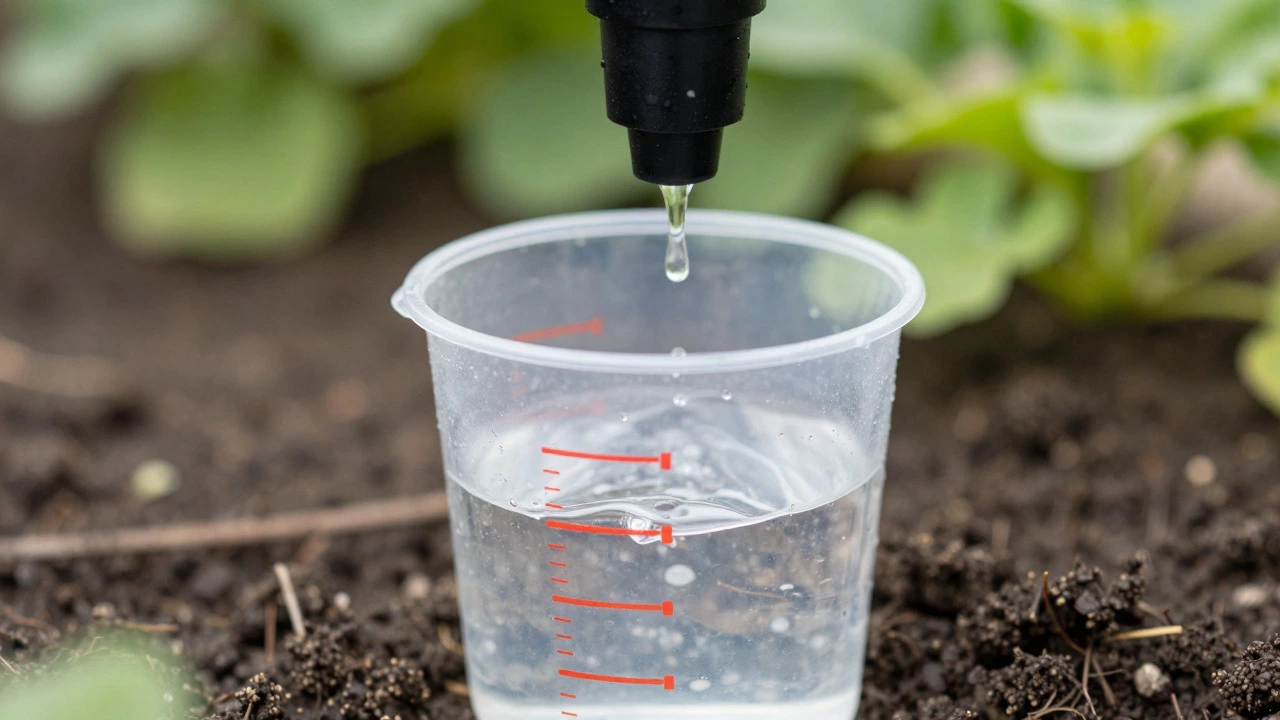
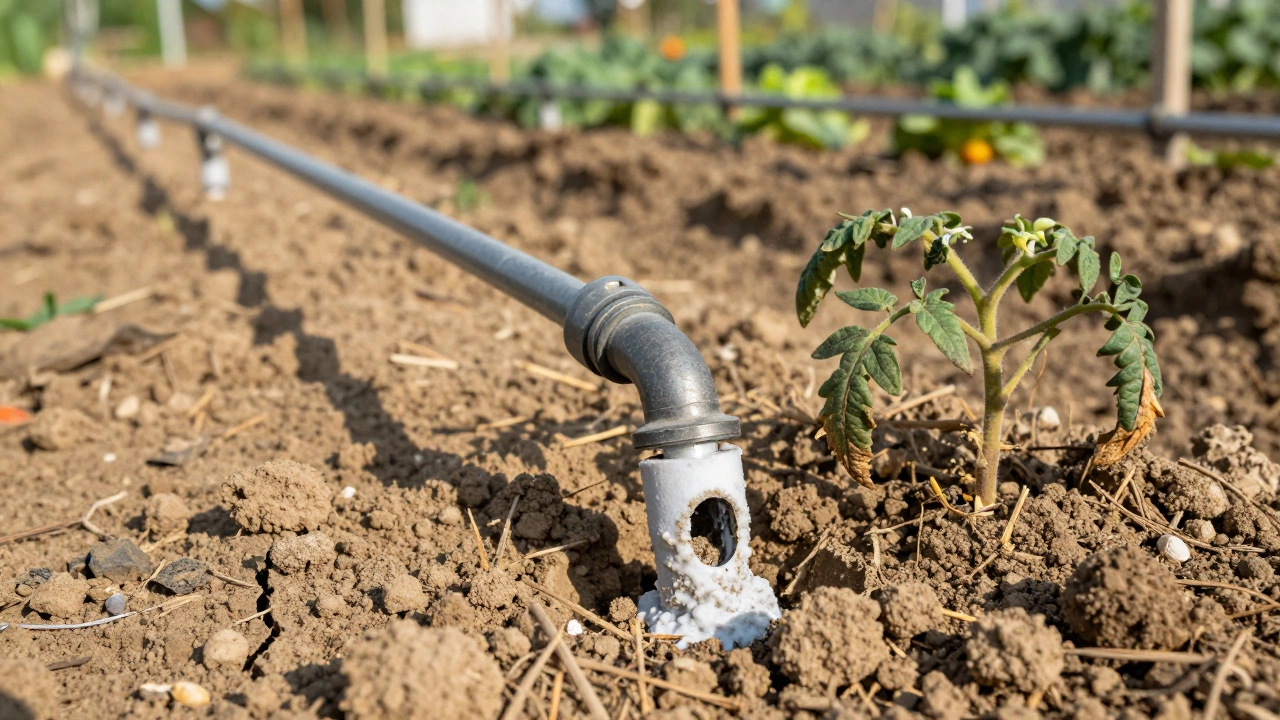
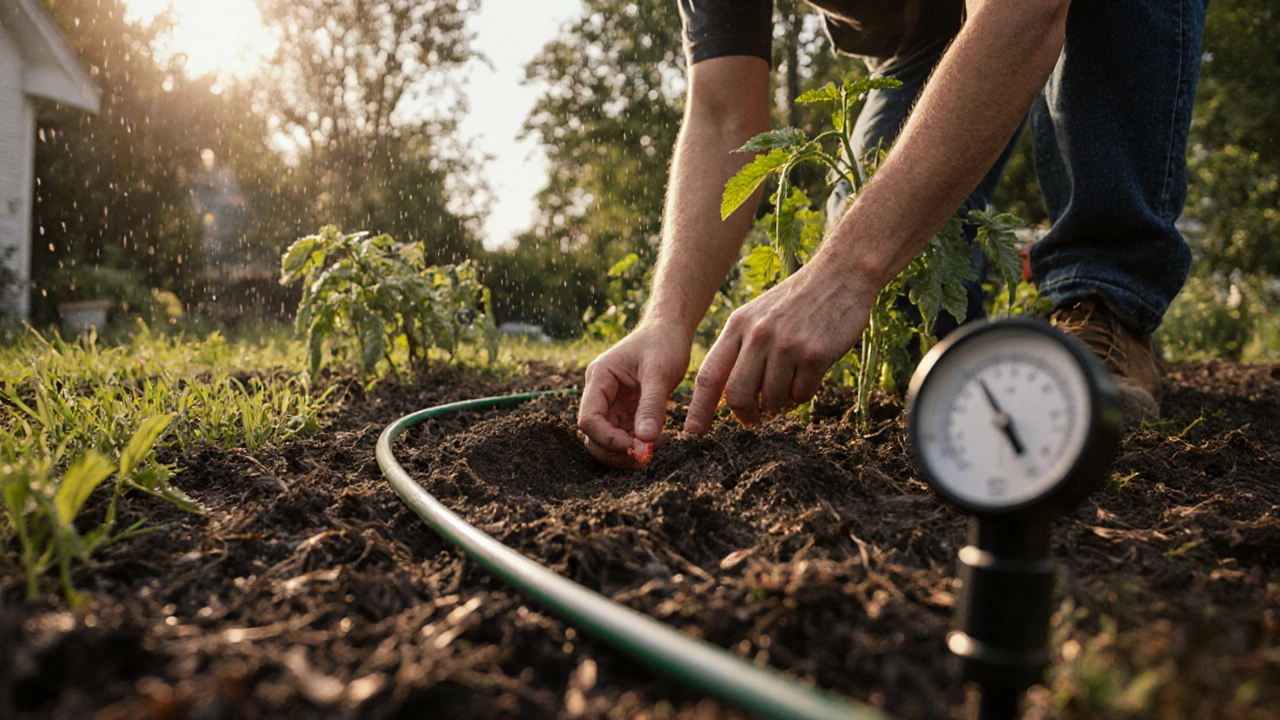
The heart of any drip system is the drip emitter, a small device that controls the flow of water to individual plants. These emitters come in different flow rates—2, 4, or 8 gallons per hour—and choosing the right one matters. Too much water, and you risk root rot. Too little, and your plants suffer. Then there’s the irrigation system, the network of tubes, filters, pressure regulators, and valves that deliver water from your source to the emitters. This whole setup needs to be balanced. If your water pressure is too high—say, over 30 PSI—you’ll blow out fittings. Too low, and the water won’t reach the farthest plants. And don’t forget the clogged emitters, the #1 problem that turns a smart system into a frustrating mess. Dust, minerals, algae—they all sneak in and block those tiny openings, leaving patches of your garden dry while others drown.
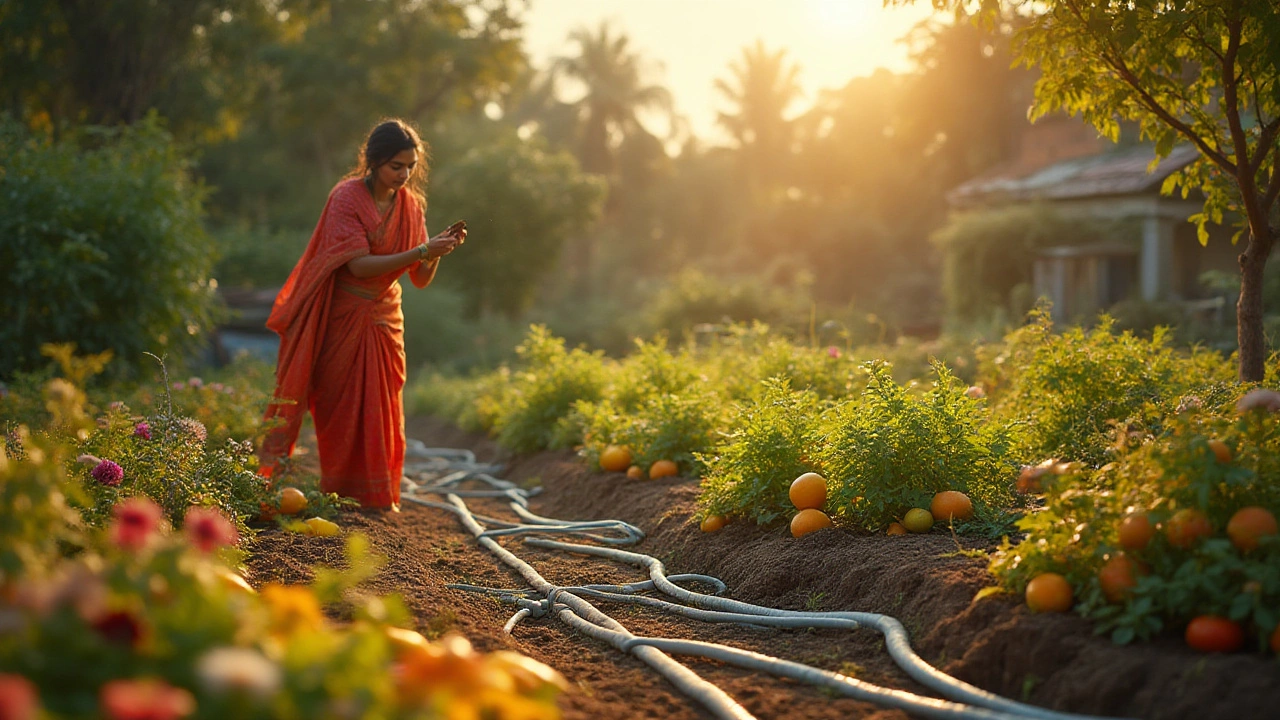
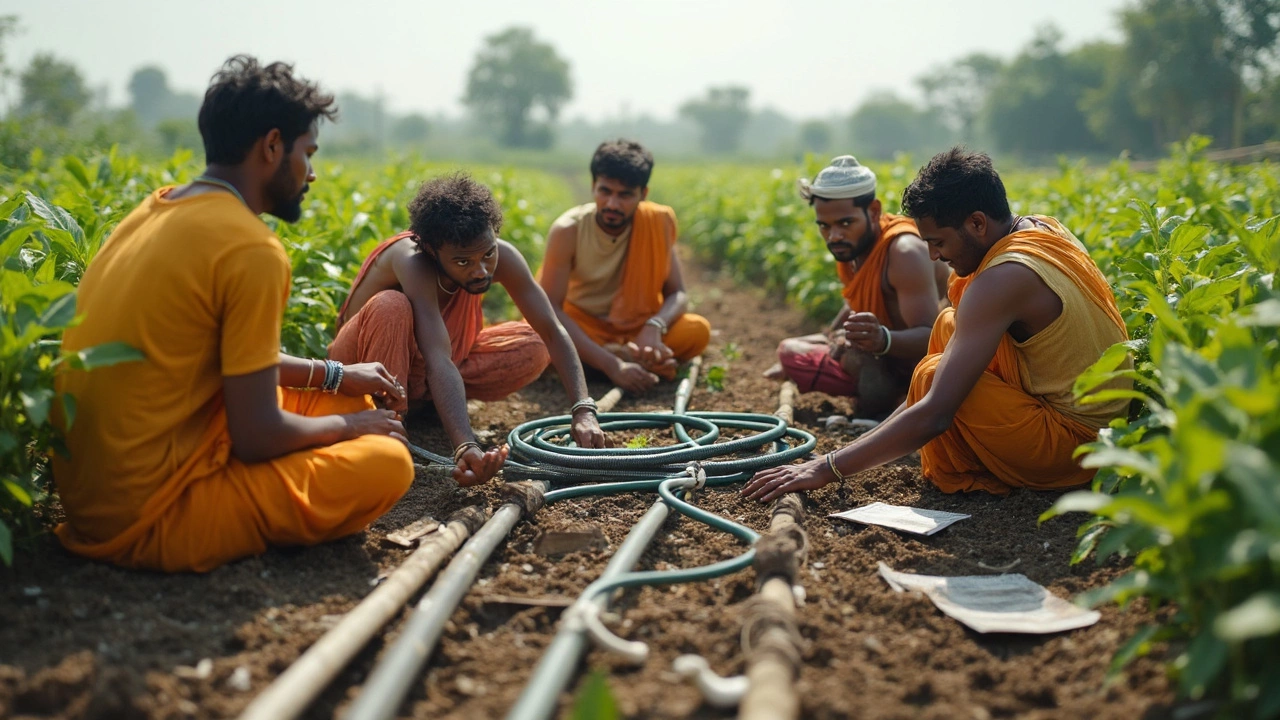
Most people buy a drip kit, install it, and expect magic. But magic doesn’t happen without maintenance. You need to flush the lines every few months. You need to check for leaks, especially after monsoons. You need to decide whether to bury the lines or leave them on top—each has trade-offs. And yes, the upfront cost can sting, but that’s not the full story. The real expense comes from ignoring small problems until they become big ones. A single clogged emitter can ruin a whole row of tomatoes. A broken pressure regulator can flood your vegetable bed overnight. This isn’t theory. It’s what happens when you skip the basics.
What you’ll find below isn’t a sales pitch. It’s a collection of real, no-fluff guides written by gardeners and farmers who’ve been there. You’ll learn why running drip irrigation every day is usually wrong, how many emitters you actually need per zone, whether landscape fabric helps or hurts, and why so many farms still avoid this tech despite its benefits. We’ll break down the hidden costs, the maintenance traps, and the simple fixes that keep systems running for years. No jargon. No hype. Just what works—and what doesn’t—in Indian conditions.
Discover how much water is actually lost with drip irrigation and learn practical tips to boost efficiency. We break down real-world data, environmental factors, and simple fixes to save water and grow healthier plants.
Find out exactly how long to run your drip irrigation system. Learn to calculate runtime based on flow rate, soil type, and plant needs for optimal garden health.
Discover the exact drip irrigation timings for vegetables, herbs, and lawns. Learn how soil type, emitter flow rates, and summer heat affect your watering schedule to save water and boost plant health.
Discover if drip irrigation is truly cheaper than sprinklers. We compare upfront costs, water savings, and maintenance to help you choose the most cost-effective system for your garden.
Drip irrigation saves water and reduces weeds, but it has real downsides: clogging, high maintenance, poor flexibility, and winter vulnerability. Know the drawbacks before you install one.
Running drip irrigation every day is usually a mistake. Learn the right schedule for your plants, how to check soil moisture, and how to adjust for seasons and weather in the UK.
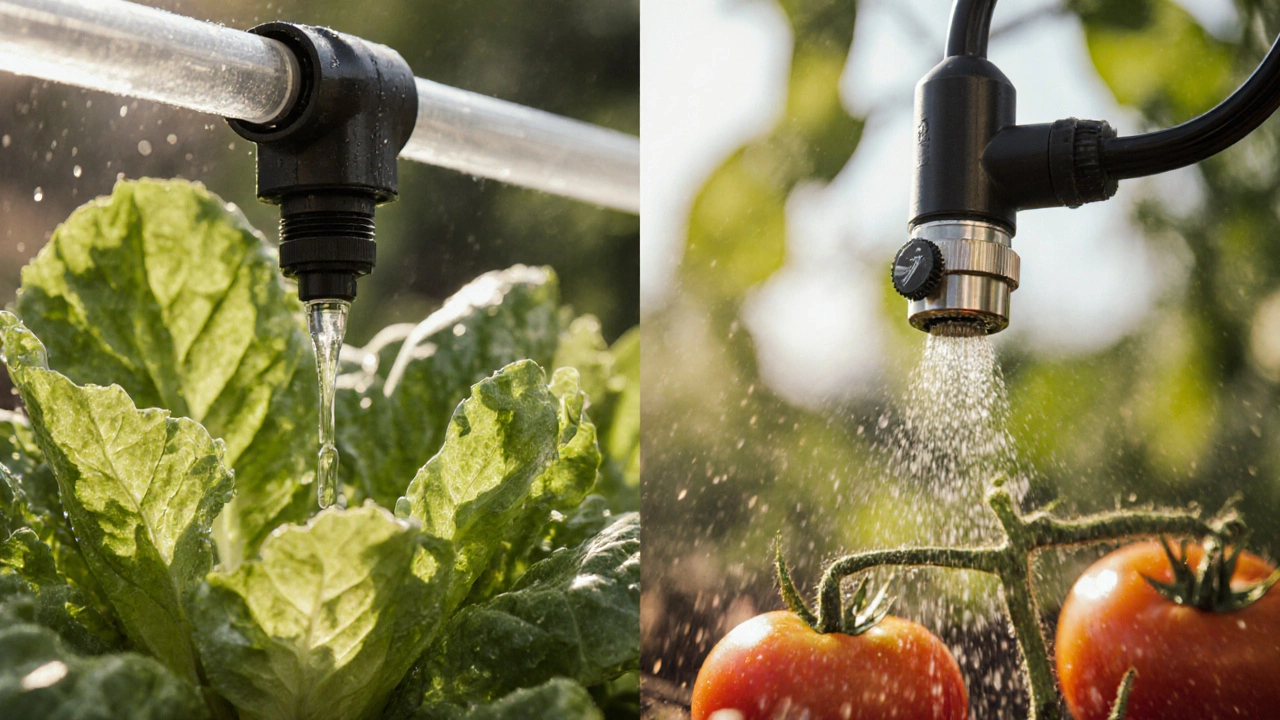
Learn the key differences between drippers and emitters, how they work, when to use each, and tips for installation and maintenance in drip irrigation.
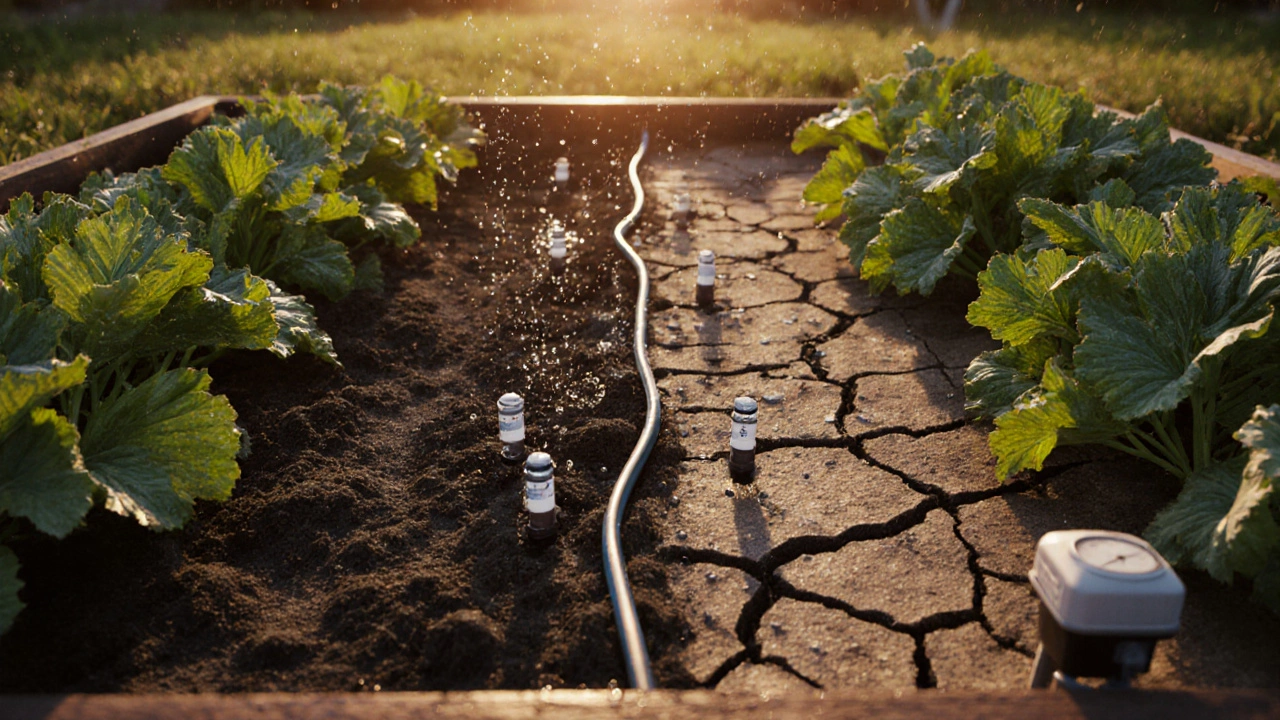
Learn how to calculate the exact number of drip emitters needed per irrigation zone, choose the right flow rate, and design a balanced system for healthy gardens.
Drip irrigation saves water but comes with a high upfront price tag. Learn why it's expensive, what drives the costs, and how gardeners can make it more affordable.
Drip irrigation can last from a few to over 15 years, but it depends on care, weather, and installation. Here’s what actually affects your system’s lifespan, plus smart tips for long-lasting performance.
Drip irrigation is popular for its water-saving benefits, but it's not perfect. This article covers three major downsides that often catch new users off guard. We’ll unpack the actual challenges you face with installation, upkeep, and cost surprises. Honest insights and simple tips help you decide if it’s the right fit. Real-world examples and practical advice included.