Balcony vs. Terrace Garden Planner
Not sure if you have a balcony or a terrace? Or worried about overloading your space with heavy pots? Use this tool to identify your space type and calculate how much soil weight is safe.
Quick Reference Guide
| Feature | Balcony | Terrace |
|---|---|---|
| Support | Cantilevered (floating) | Ground or Roof Supported |
| Load Limit | ~100 kg/m² | ~200–400+ kg/m² |
| Best Plants | Herbs, Succulents, Trailing | Shrubs, Trees, Veg Beds |
| Watering | Frequent (wind dries fast) | Less Frequent (protected) |
Note: These are general guidelines. Always check your specific building lease or consult a structural engineer before installing heavy features like hot tubs or large trees.
You’re standing in your flat, looking out at that concrete slab jutting out from the wall. Is it a balcony? A terrace? Or just a ledge with delusions of grandeur? The confusion is real, and honestly, it’s not just about semantics. Knowing the difference between a balcony and a terrace changes everything about what you can grow, how much weight you can load, and whether you need to worry about your neighbours downstairs.
Most people use these terms interchangeably, especially if they live in a city apartment. But if you’re planning to fill your outdoor space with heavy pots, soil, or even a small tree, treating them as the same thing could lead to a very expensive mistake. Let’s clear up the confusion once and for all, so you can pick the right plants without stressing about structural integrity.
The Core Structural Difference
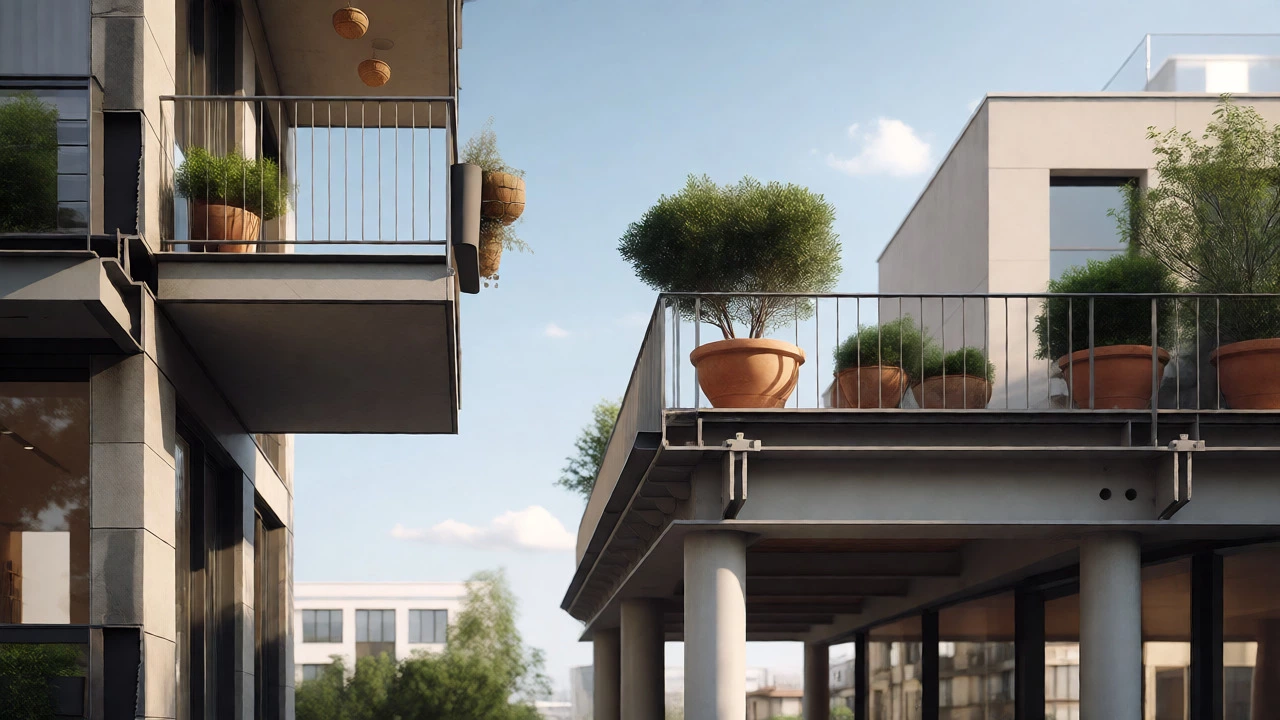
Here is the simplest way to tell them apart: look at where the floor comes from. A Balcony is an elevated platform projecting from the wall of a building, typically on upper floors. It is cantilevered, meaning it sticks out into the air without support from the ground below. Think of it like a shelf attached to the side of a cake.
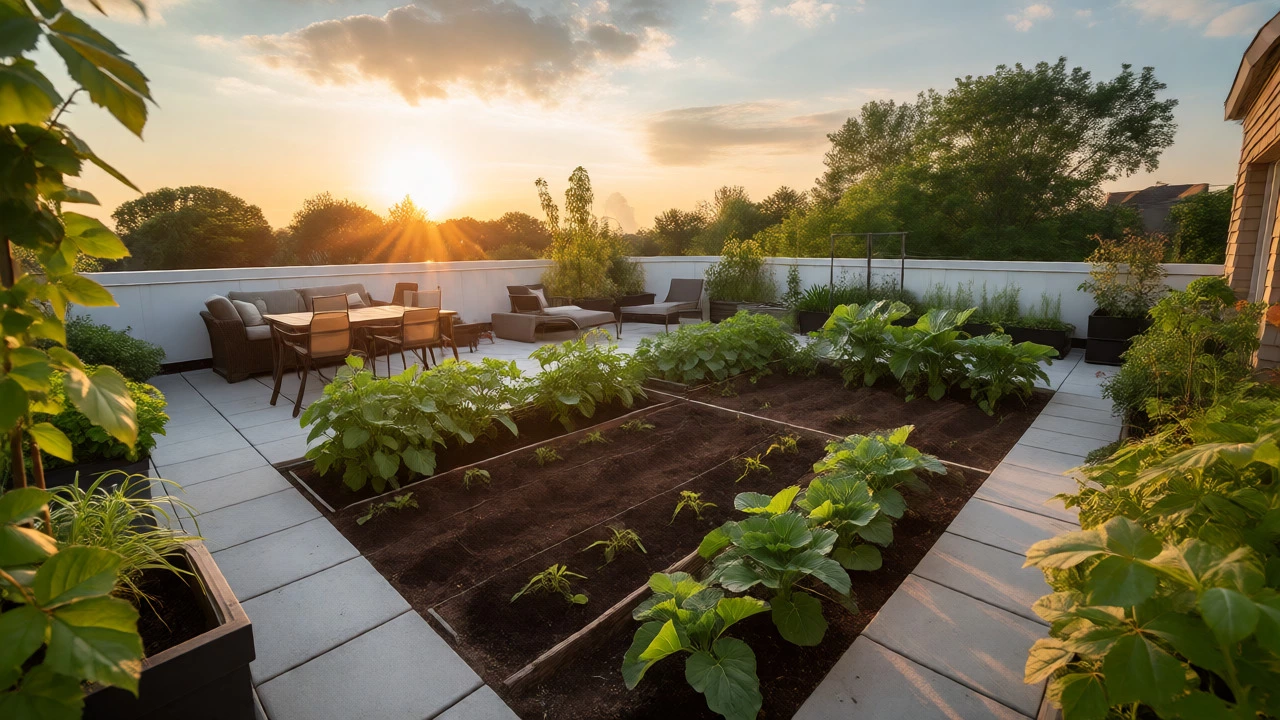
A Terrace, on the other hand, is usually a flat, open area built on top of a building or directly on the ground level. If it’s on the roof, it’s supported by the structure underneath. If it’s on the ground, it’s part of the foundation. Terraces are generally larger and feel more like an extension of the indoor living space than a protruding appendage.
Why does this matter? Because balconies have strict weight limits. They are engineered to hold a certain number of people (usually around 100kg per square meter), but adding wet soil and large ceramic pots can easily exceed that limit. Terraces, being grounded or fully supported, can handle significantly more weight, allowing for deeper planters and heavier landscaping features.
Size and Space Constraints
If you’ve ever tried to do yoga on a balcony, you know the struggle. Balconies are notoriously compact. In many UK apartments, a standard balcony might be only 1.5 meters deep and 3 meters wide. That’s barely enough room for two chairs and a table, let alone a vegetable patch.
Terraces offer breathing room. Even a modest rooftop terrace often provides 20-30 square meters of usable space. This size difference dictates your gardening strategy:
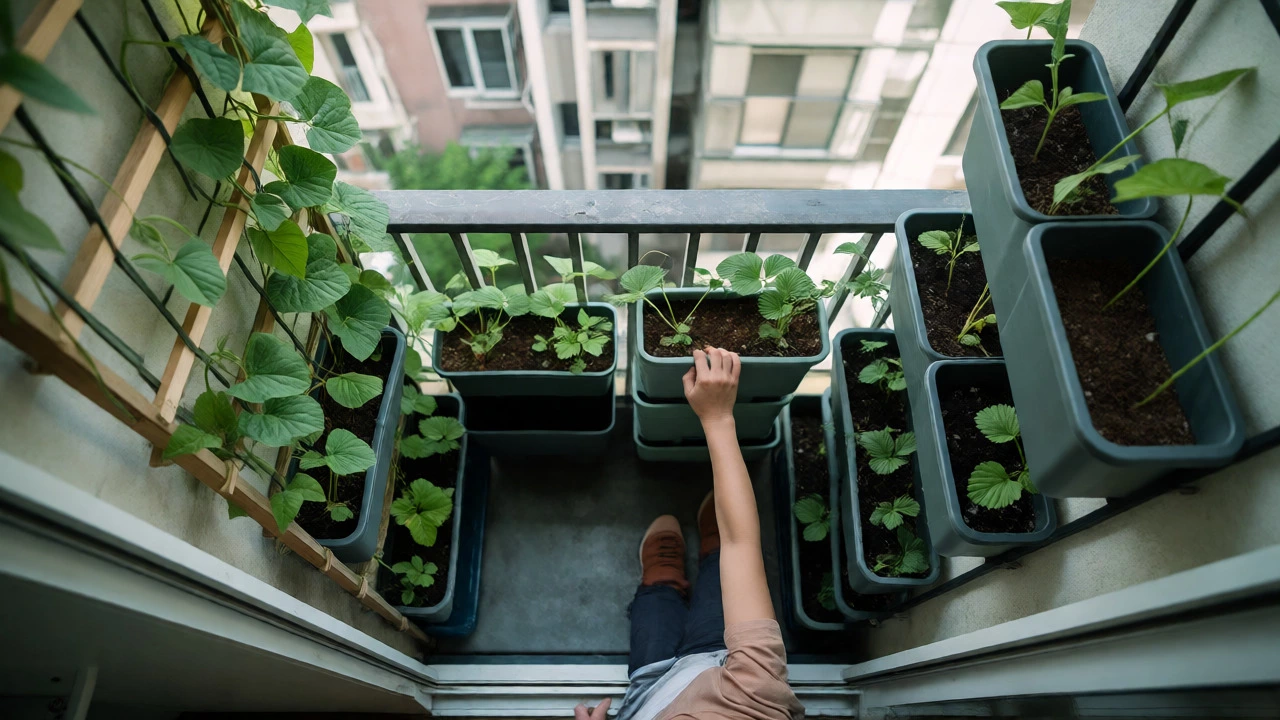
- Balconies: You need vertical solutions. Think trellises, hanging baskets, and slim-line containers. Every inch counts.
- Terraces: You have the luxury of horizontal spread. You can create zones-a dining area, a lounging spot, and a dedicated growing bed.
I remember helping a friend set up her first garden on a Manchester high-rise balcony. She bought three large terracotta pots because she liked the look. Within a week, she realized she couldn’t even walk to the railing without squeezing past them. On a terrace, those same pots would have been negligible.
Weight Load and Safety Limits
This is the non-negotiable part. Before you buy a single bag of compost, check your lease agreement or consult a structural engineer if you’re unsure. Balconies are cantilevered structures. Their strength relies on the anchor points inside the building. Overloading them is dangerous.
| Feature | Balcony | Terrace |
|---|---|---|
| Support Structure | Cantilevered (no ground support) | Ground-supported or Roof-deck |
| Average Load Limit | ~100 kg/m² (varies by age/build) | ~200-400+ kg/m² (roof) / Unlimited (ground) |
| Best Plant Types | Lightweight herbs, succulents, trailing plants | Shrubs, small trees, large vegetable beds |
| Water Drainage | Must drain away from wall; risk of leaks | Integrated drainage systems common |
Wet soil is heavy. A cubic foot of dry potting mix weighs about 10-12 lbs (4.5-5.5 kg). When soaked, it can weigh nearly double. If you line a small balcony with heavy pots filled with wet clay soil, you’re flirting with disaster. For balconies, opt for lightweight potting mixes containing perlite or vermiculite, and choose plastic or resin pots over stone or thick terracotta.
Privacy and Exposure Factors
Gardening isn’t just about botany; it’s about comfort. Balconies are often exposed on three sides. You’re visible to everyone across the street, and you’re battered by wind from every direction. This creates a microclimate that can be harsher than the surrounding environment. Plants on balconies dry out faster due to wind exposure and may suffer from salt spray if you live near the coast.
Terraces, particularly those surrounded by parapet walls or adjacent buildings, offer natural privacy screens. You can install taller hedges or bamboo screens without feeling like you’re putting on a show for the neighbourhood. The wind protection also means your plants retain moisture better, reducing watering frequency.
If you’re on a balcony, consider using glass panels or lattice work to break the wind. It protects your delicate ferns and keeps your coffee from getting cold too quickly.
Access and Utility Connections
Try running a hosepipe through a narrow door onto a cramped balcony. It’s a workout. Many older buildings don’t have external taps on balconies, forcing you to carry water upstairs in buckets. This friction discourages frequent maintenance, which is the killer of urban gardens.
Terraces often come with utility hooks-ups-electricity for lights or pumps, and sometimes direct water access. This makes installing automatic drip irrigation systems much easier. If you’re serious about growing food, having a tap nearby is a game-changer. It allows for quick rinses of harvested produce and easy cleaning of tools.
Check if your space has a power outlet. If it doesn’t, solar-powered fairy lights or battery-operated plant sensors become essential investments for evening enjoyment and monitoring soil moisture levels remotely.
Legal and Lease Restrictions
Before you start digging, read the fine print. Landlords and housing associations often have specific rules about what you can place outside. Some prohibit permanent fixtures like built-in benches or heavy pergolas on balconies because they alter the building’s facade or add unapproved weight.
Terraces, especially private ones, usually offer more freedom. However, shared terraces in multi-unit buildings require consensus. You can’t just decide to build a pond on a shared roof terrace without asking your neighbours first. Noise from water pumps or falling leaves blocking communal drains can cause disputes.
Always get written permission before making significant changes. It saves awkward conversations later when you’re trying to sell the property or renew your lease.
Choosing Your Path: Which One Do You Have?
Still unsure? Ask yourself these three questions:
- Is it floating? If there’s empty air beneath the entire surface, it’s likely a balcony.
- How big is it? Under 10 square meters? Probably a balcony. Over 20? Likely a terrace.
- Can I see the sky above me? If yes, it’s open-air. Both can be open-air, but terraces often have partial coverings or are integrated into the roofline differently.
Once you’ve identified your space, tailor your approach. Don’t try to force a terrace-style garden onto a balcony. Embrace the constraints. Use railings for climbing beans. Use vertical pockets for strawberries. Celebrate the coziness rather than fighting the size.
Can I put a hot tub on my balcony?
Generally, no. Most residential balconies cannot support the weight of a filled hot tub (which can weigh over 1,500 kg). Terraces, especially ground-level or reinforced roof decks, are more suitable, but you still need engineering approval.
Which is better for growing vegetables?
Terraces are better for root vegetables and larger crops like tomatoes or courgettes because they allow for deeper soil beds. Balconies are great for leafy greens, herbs, and dwarf varieties that thrive in shallow, lightweight containers.
Do balconies have less sunlight than terraces?
Not necessarily. Sunlight depends on orientation (south-facing gets more sun) and surrounding buildings. However, balconies are often shaded by the building itself or neighbouring structures, while terraces on rooftops usually receive unobstructed light.
Is a patio the same as a terrace?
A patio is specifically a paved area on the ground level, usually attached to a house. A terrace can be on the ground or elevated. So, all patios are terraces, but not all terraces are patios.
What materials should I avoid on a balcony?
Avoid heavy natural stones, large concrete planters, and excessive amounts of wet clay soil. Stick to lightweight composites, fiberglass, and airy potting mixes to stay within safe weight limits.