Central BioTech Gardening: Smart, Sustainable Gardening Solutions for India
When you think of Central BioTech Gardening, a science-driven resource for eco-friendly gardening in India. It's not just about plants—it's about using biotech tools and smart practices to grow food and flowers with less waste, less water, and no chemicals. This is where sustainable gardening, growing plants in ways that protect the environment and save resources meets real life in Indian homes. Whether you’re squeezing veggies onto a balcony or fixing cracked, hard soil in your backyard, the right approach makes all the difference. You’ll find real fixes for drip irrigation, a water-efficient system that delivers moisture straight to plant roots, and why running it daily often backfires. You’ll also learn how organic pest control, using natural solutions like neem oil instead of toxic sprays keeps bugs away without harming bees or your kids.
From reviving tired garden soil to choosing the best plants for monsoon season, every post here cuts through the noise. No fluff. No guesswork. Just what works in India’s heat, humidity, and crowded spaces. You’ll see how to turn a 10x10 patio into a thriving garden, why some balcony plants demand more care than others, and how to grow your own durian—yes, really.
What you’ll find below isn’t a random list. It’s a curated set of answers to the problems Indian gardeners actually face—day after day, season after season.
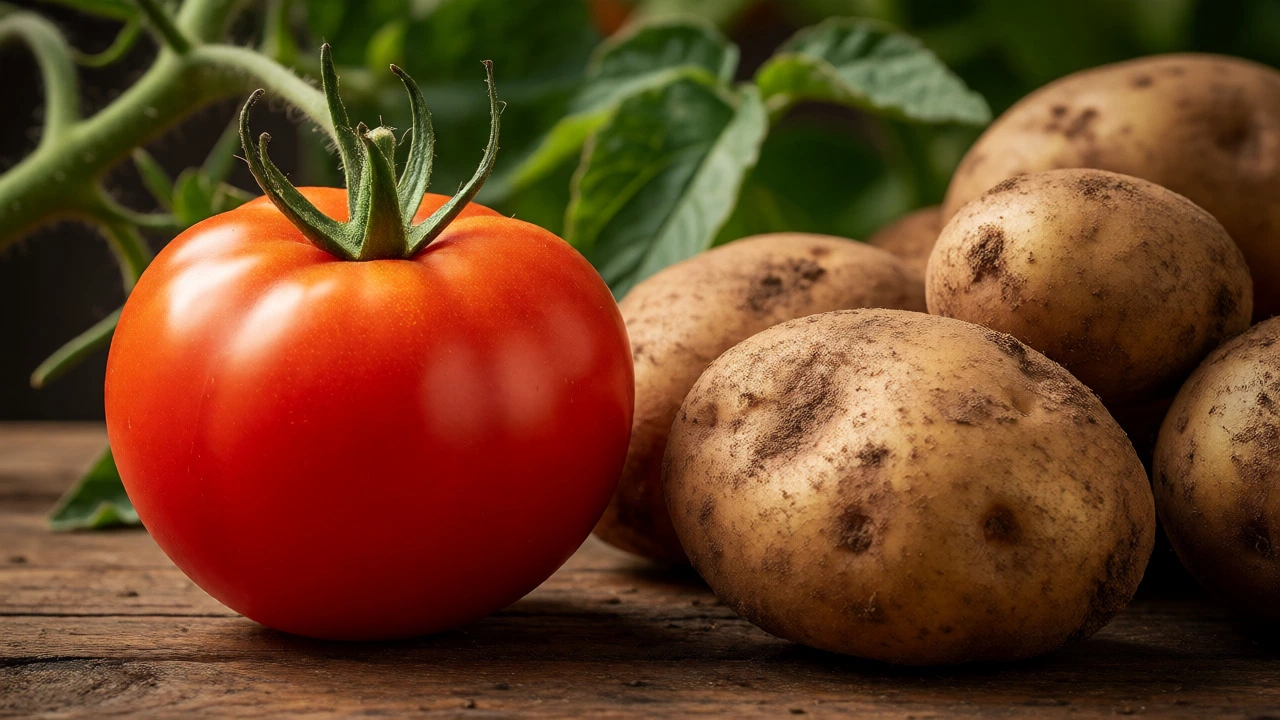
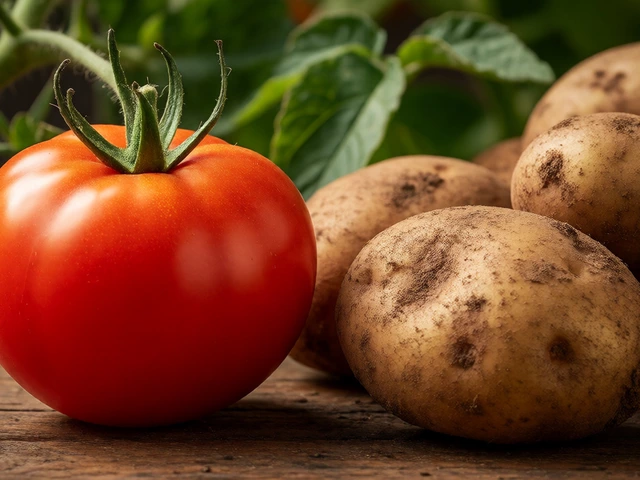
Discover why the tomato is often called the queen of vegetables despite being a fruit. We compare it with the potato to help you choose the best crop for your Indian garden.
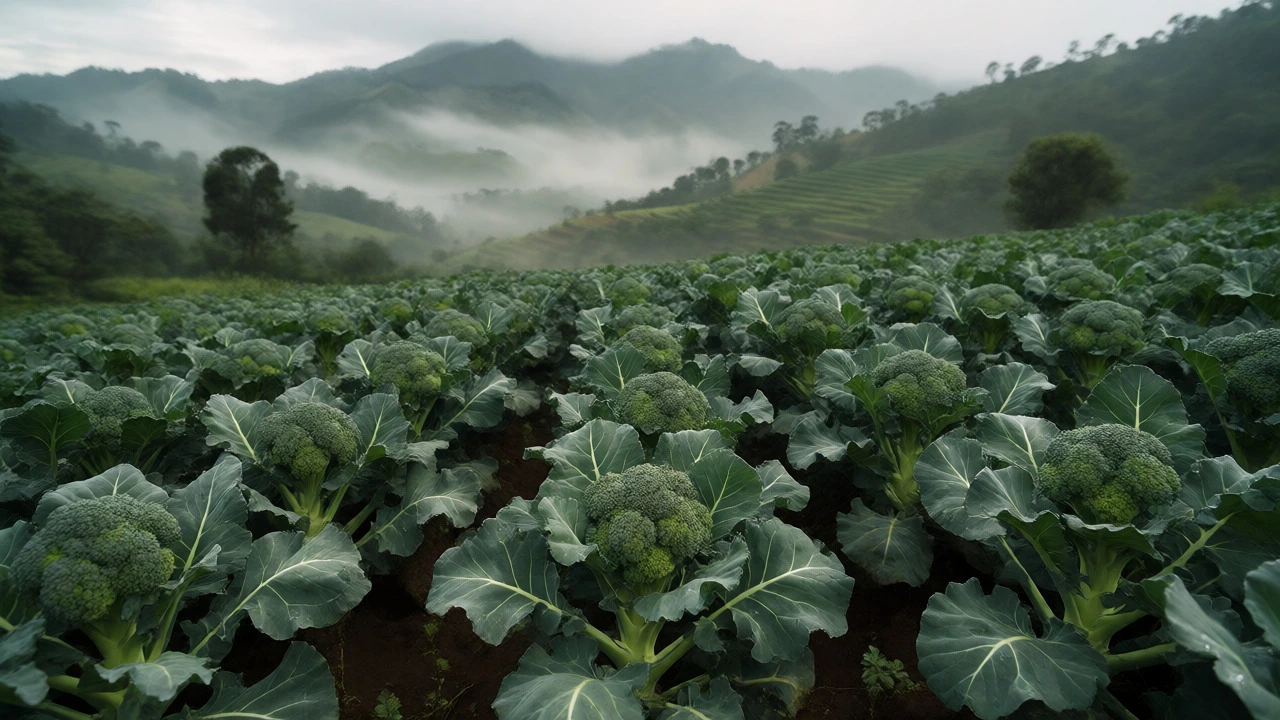
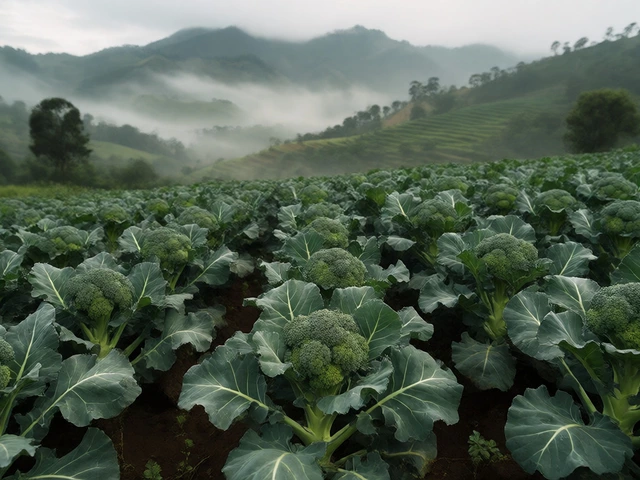
Discover if broccoli farming is profitable in India for 2026. We break down costs, yields, best regions, and selling strategies to help you maximize returns.
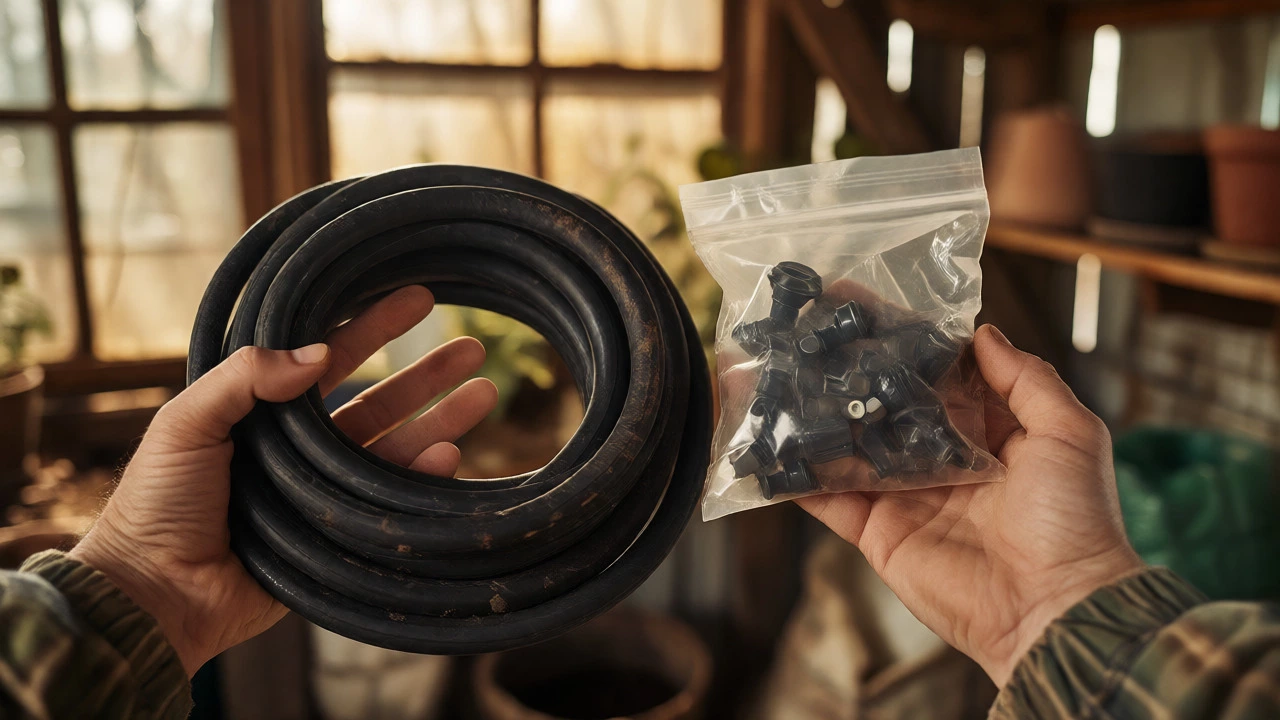
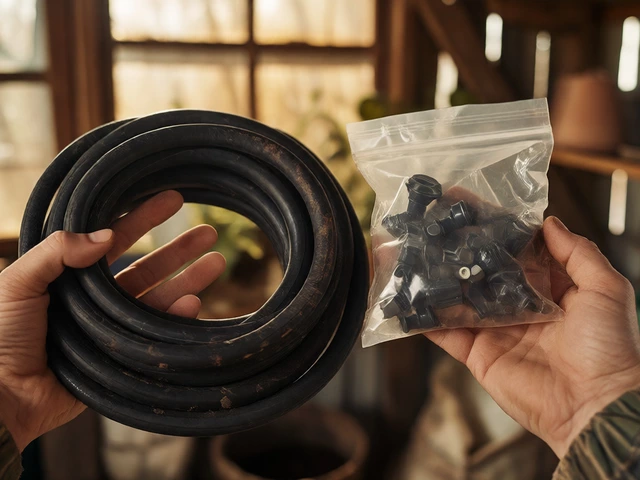
Struggling to choose between soaker hoses and drip irrigation? We compare costs, water efficiency, and maintenance to help you pick the right system for your garden.
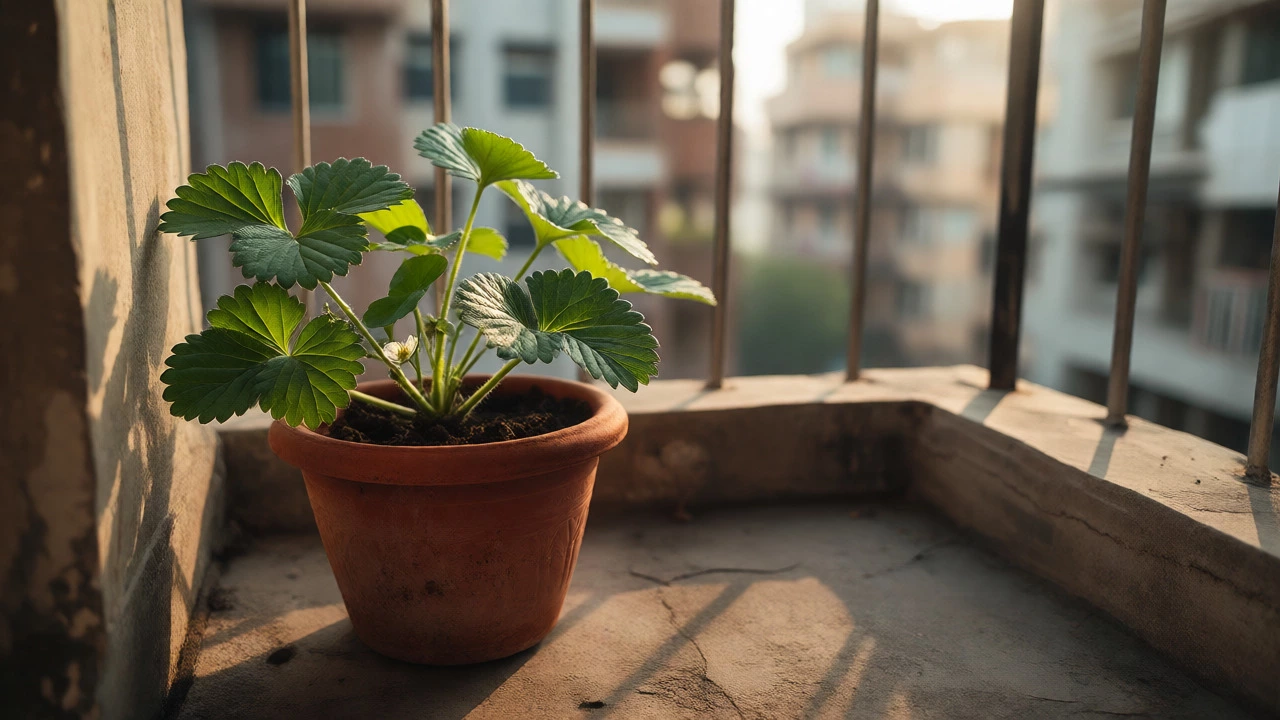
Discover how to successfully grow sweet strawberries on your balcony. Learn about container selection, soil mixes, and the best varieties for limited spaces.
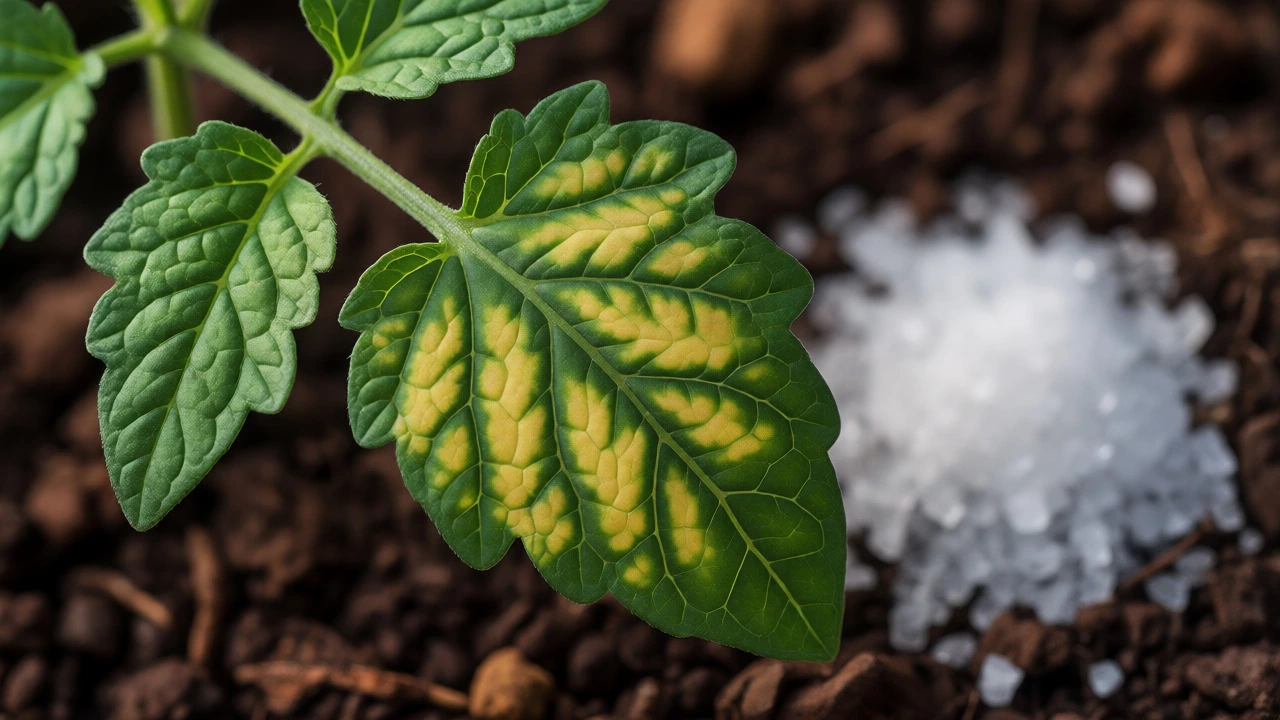
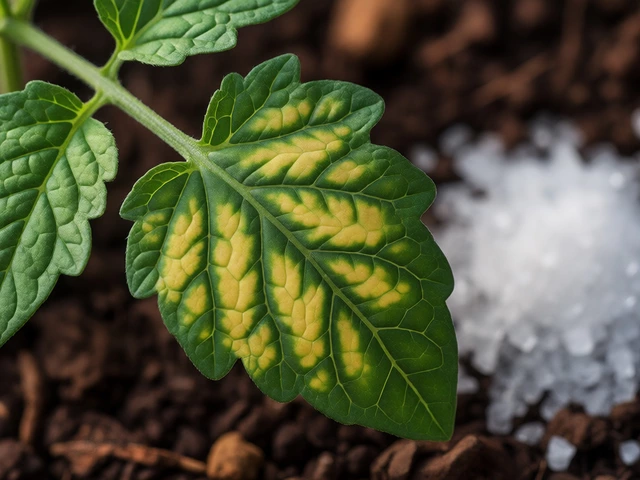
Discover the truth about Epsom salt and soil nitrogen. Learn why it contains no nitrogen, how it aids magnesium uptake, and when to use it for healthier garden plants.
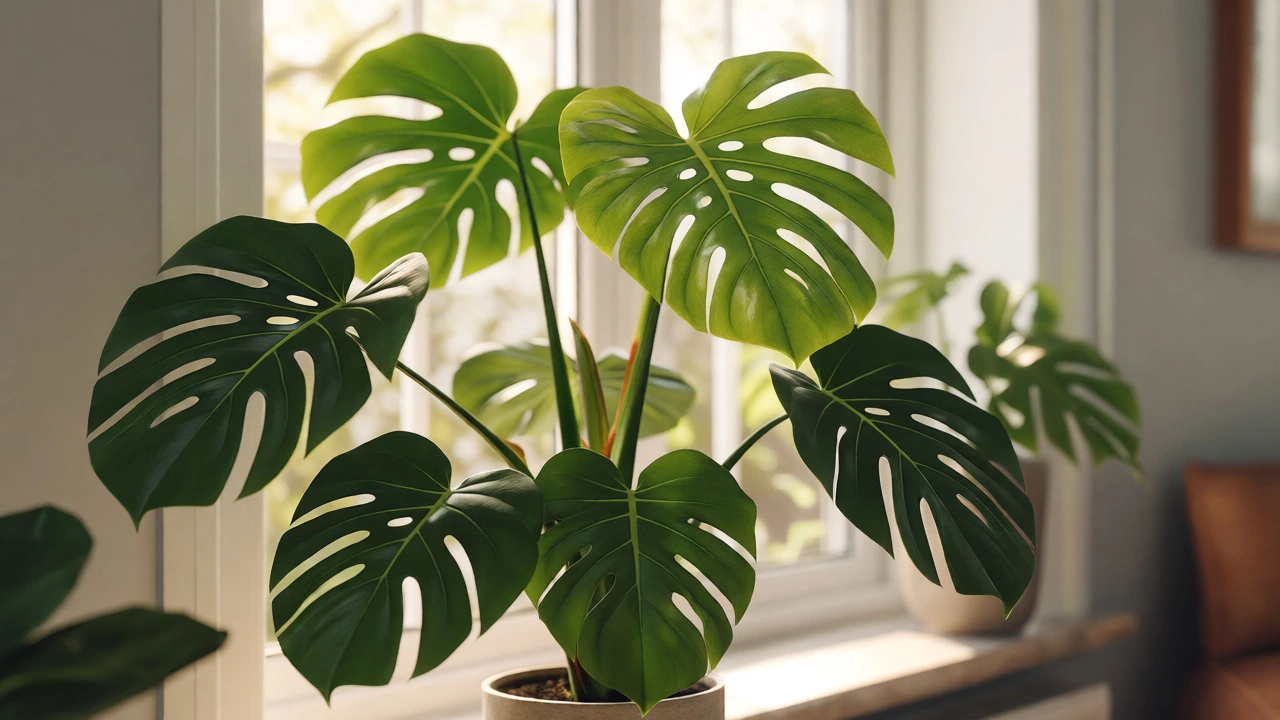
Discover the optimal seasons for purchasing indoor plants in the UK. Learn why spring is ideal, the risks of winter buying, and how to manage seasonal transitions for healthy growth.
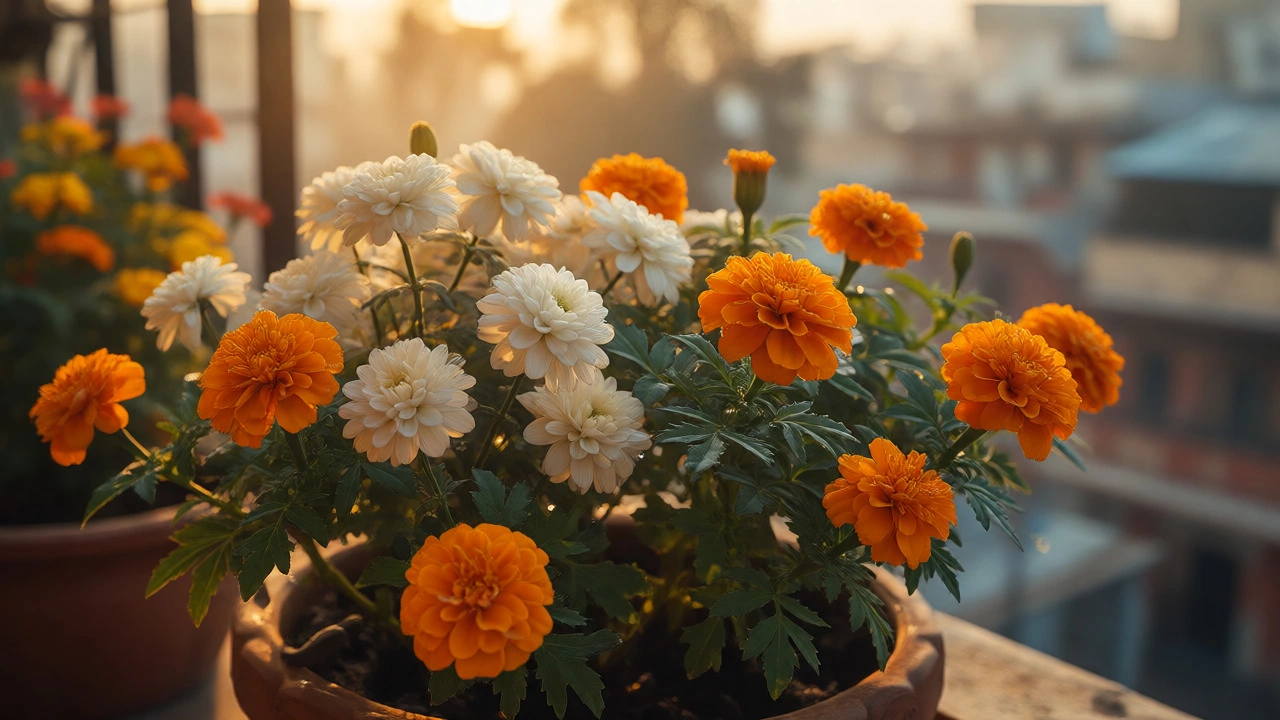
Discover the best season for flower gardening in India. Learn why winter suits most blooms, how to manage monsoon challenges, and which heat-loving plants thrive in summer.
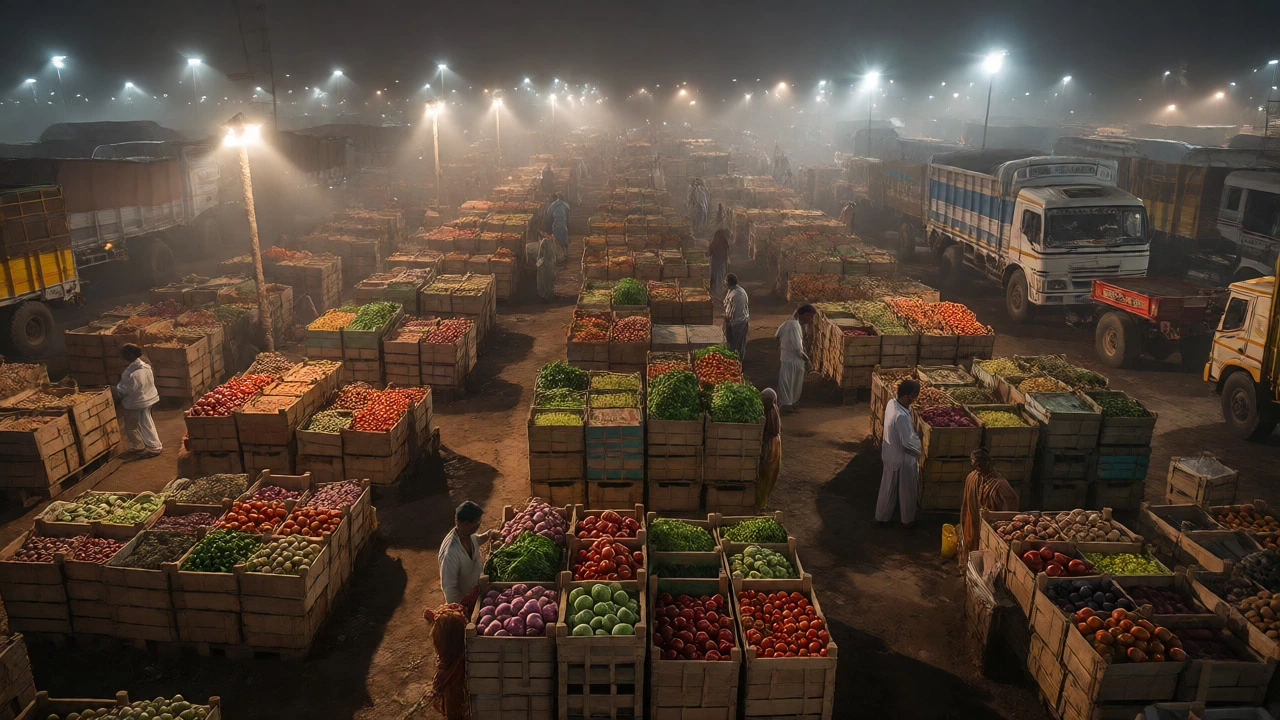
Discover why Hathras, Uttar Pradesh, is considered the vegetable capital of India. Learn how this massive wholesale hub influences national prices and what it means for home gardeners.
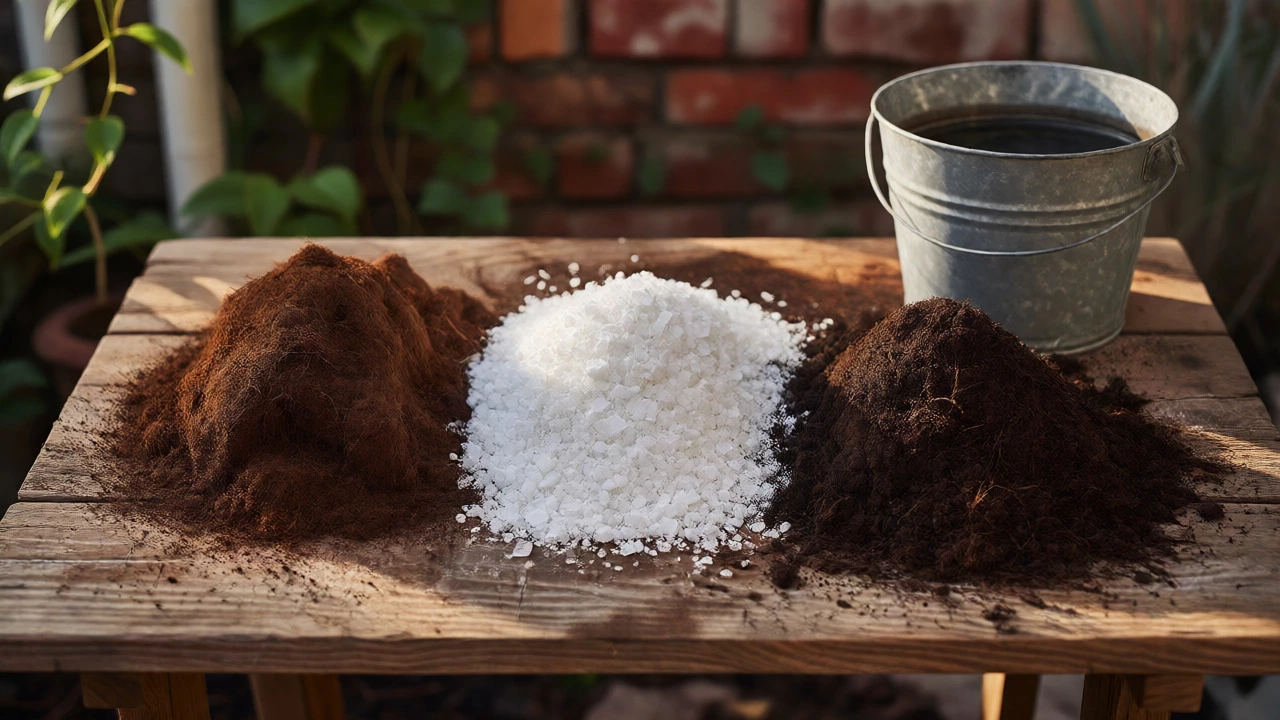
Stop overpaying for bagged potting mix. Learn how to make effective, cheap DIY soil using simple ingredients like coir, perlite, and compost. Customize blends for veggies, houseplants, and succulents.
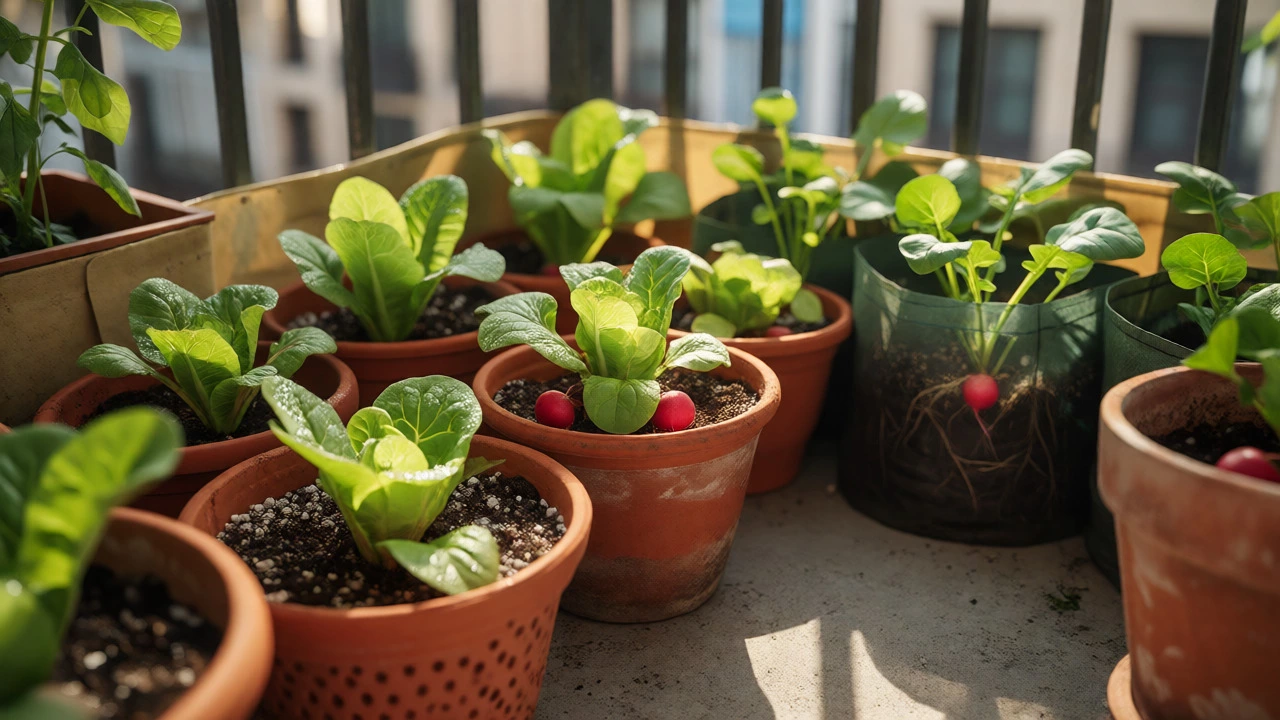
Discover the best fruits and vegetables to grow on a balcony, tailored for UK conditions. Learn about top picks like strawberries, peppers, and lettuce, plus essential tips on pots, soil, and watering.