Garden Soil Layering Advisor
Answer the questions below to get a personalized recommendation for your garden project.
Recommended Action Plan:
Pro Tip from the Article:
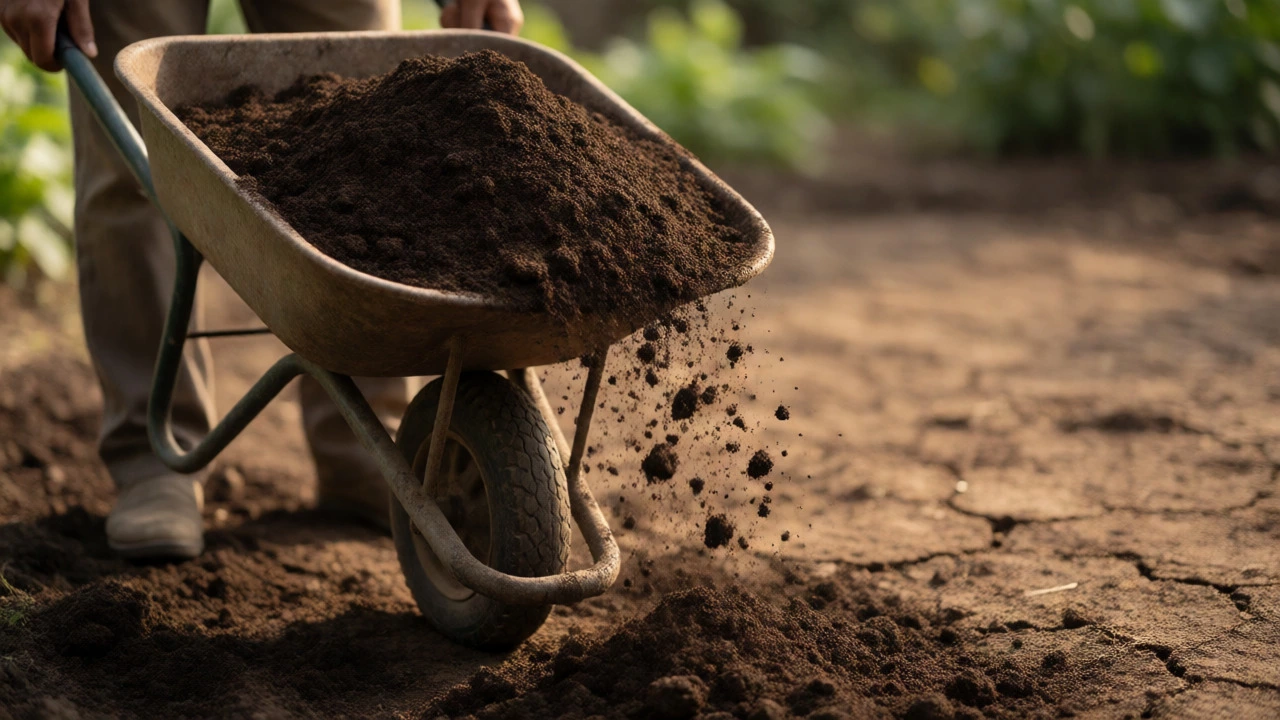
You’re standing in your garden with a wheelbarrow full of fresh, dark topsoil, staring at the tired, compacted earth beneath your feet. The question pops up: can you just dump it on top and call it a day? It’s tempting. Digging is back-breaking work, especially if you’re dealing with heavy clay or stubborn weeds. But simply burying old soil under new dirt isn’t always the magic fix it seems. Sometimes it works brilliantly; other times, it creates a "bathtub effect" that drowns your plants. Let’s figure out exactly when layering works, when it fails, and how to do it so your garden actually thrives.
The Short Answer: Yes, But With Conditions
You absolutely can put new soil on top of old soil, but success depends entirely on what’s underneath. If your existing ground is healthy, loose, and draining well, adding a layer of fresh compost or topsoil is one of the best things you can do for your garden. This method, often called no-dig gardening, mimics natural forest floor processes where organic matter builds up over time.
However, if your old soil is hard as concrete, waterlogged, or packed with invasive weed roots like bindweed, dumping new soil on top might just create a barrier. Water will pool between the layers instead of draining through, leaving your plant roots sitting in mud while the surface looks dry. The key is preparation, not just deposition.When Layering Works Like Magic
Layering new soil is ideal when you want to improve fertility without disturbing the existing soil structure. Here’s when this approach shines:
- Improving Poor Quality Soil: If your native soil is sandy or nutrient-poor, adding 5-10 cm of rich organic matter (compost or manure) feeds the soil biology from the top down.
- Raising Bed Height: For raised beds that have settled over time, topping them up with fresh mix restores depth for root growth.
- Weed Suppression: A thick layer (10+ cm) of mulch or soil can smother annual weeds, saving you hours of pulling later.
- Building Over Hardpan: In cases where digging deep into subsoil is impossible, building upwards allows roots to grow into the new medium before eventually breaking through.
When You Should Dig Instead
Sometimes, laziness (or smart efficiency) leads to disaster. Avoid simple layering if:
- Drainage is Terrible: If water sits on the surface for more than 24 hours after rain, adding more fine-textured soil on top can worsen compaction. You need to break up the interface first.
- Invasive Perennials Exist: Couch grass or bindweed rhizomes will punch right through thin layers of new soil. They need physical removal or heavy cardboard barriers.
- Leveling is Required: If you’re trying to level a bumpy lawn, just dumping soil creates uneven settling. You’ll end up with dips and humps within months.
The Critical Step: Preparing the Interface
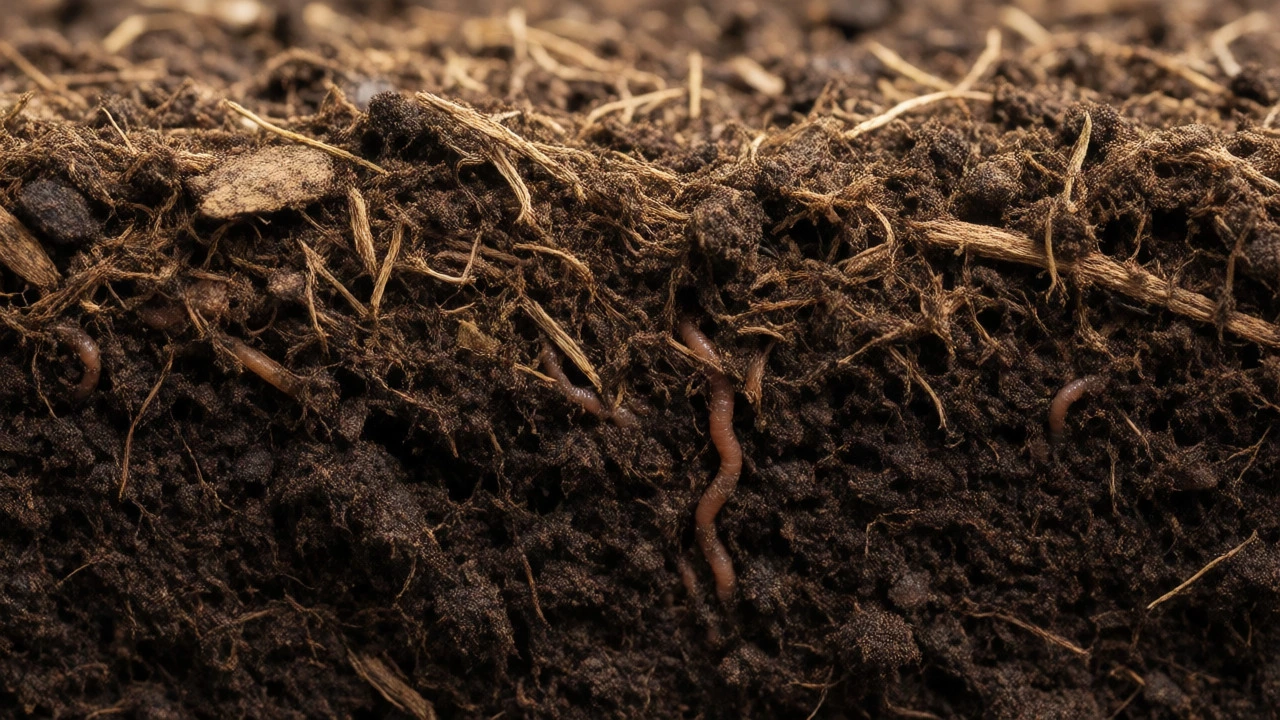
The biggest mistake gardeners make is treating the boundary between old and new soil as invisible. It’s not. That boundary acts like a membrane. If the old soil is compacted, water and air cannot cross it easily. To fix this, you must integrate the two layers slightly.
Before dumping your new soil, give the old surface a quick fork-over. Use a garden fork to pierce the ground every 10-15 cm. Don’t turn the soil over-just poke holes. This creates channels for water to drain downward and for earthworms to move upward. Earthworms are the real heroes here; they’ll drag the new organic matter down into the old soil, naturally mixing the layers over a few seasons.
| Method | Effort Level | Best For | Risk Factor |
|---|---|---|---|
| Direct Layering | Low | Healthy, loose soil; Raised beds | Waterlogging if drainage is poor |
| Integrated Layering | Medium | Compacted clay; Heavy soils | Requires initial labor to fork surface |
| Full Replacement | High | Toxic or severely contaminated soil | Costly and disruptive |
Choosing the Right Material for Topping Up
Not all "new soil" is created equal. What you buy matters significantly depending on your goal.
If you are growing vegetables, avoid cheap builders' sand or inert fill dirt. You want active biological material. Garden Compost is usually better than pure topsoil because it contains microbes that help break down the underlying earth. If you use pure topsoil, it may sit on top like a lid unless you mix it in.
For lawns, use a specialized lawn dressing mix, which often includes fertilizer and seed. For flower beds, a mix of 50% compost and 50% topsoil provides structure and nutrients. Always check the pH of your new material. If your old soil is acidic (common in many UK gardens), and you add alkaline lime-rich compost, you might inadvertently change the chemistry too quickly for sensitive plants like azaleas or blueberries.
Step-by-Step Guide to Layering Successfully
Ready to get dirty? Follow these steps to ensure your new soil integrates rather than isolates.
- Clean the Surface: Remove large debris, stones, and visible perennial weeds. Annual weeds can be left if you’re using a thick enough layer to smother them.
- Aerate the Base: Run a garden fork across the entire area, pushing it in about 10 cm deep. Do not turn the soil. Just loosen it.
- Add Organic Matter: Spread a 2-3 cm layer of well-rotted manure or compost directly onto the loosened earth. This bridges the gap between old and new.
- Apply New Soil: Add your chosen topsoil or potting mix to the desired depth. For vegetable plots, aim for 5-7 cm. For general bed refresh, 3-5 cm is sufficient.
- Lightly Rake: Gently rake the top inch of the new soil to level it. Don’t try to blend the whole thing; let nature do the heavy lifting.
- Plant Immediately: Don’t leave bare soil exposed to wind and rain. Plant seeds, transplants, or lay down mulch immediately to prevent erosion.
What Happens Under the Hood?
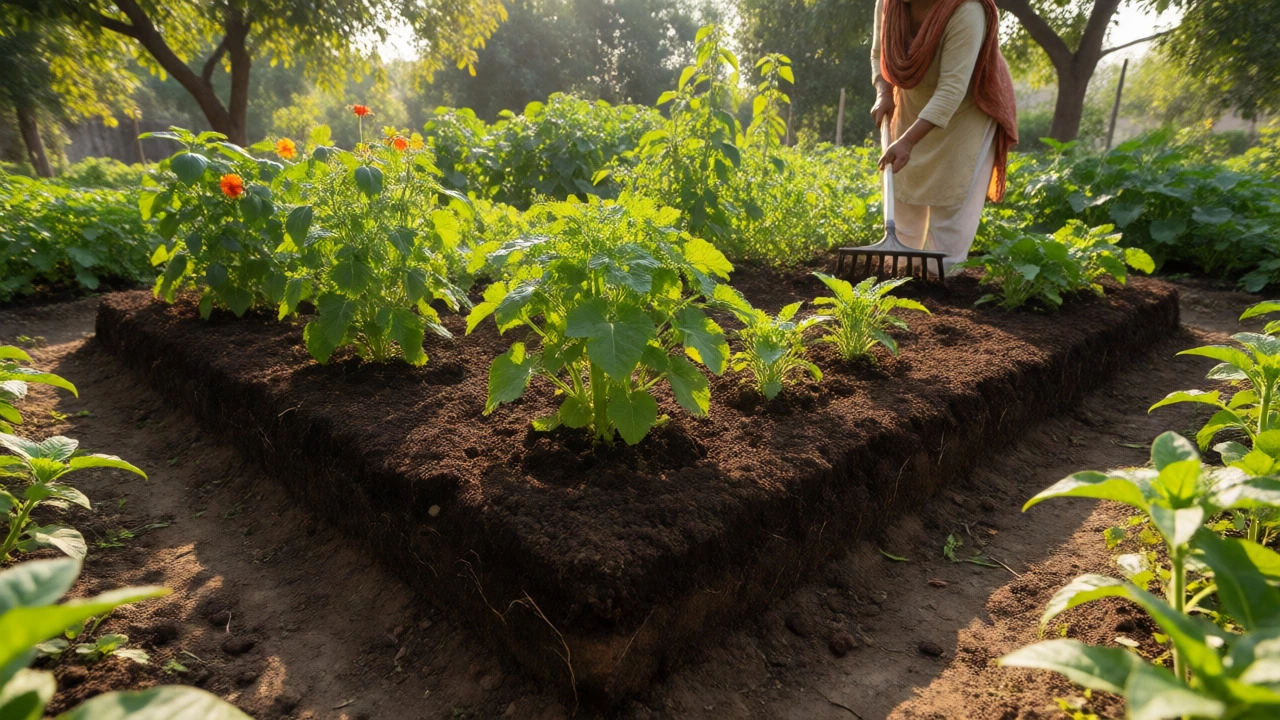
It’s fascinating to watch how this process evolves. Initially, you have two distinct layers. Within weeks, earthworms begin migrating from the deeper, stable old soil into the fresh, food-rich upper layer. As they travel, they consume the organic matter and deposit castings throughout both zones. This effectively glues the two layers together.
Roots also play a role. Young plant roots will explore the new soil first because it’s easier to penetrate and richer in oxygen. Over time, as the new soil settles and decomposes, roots reach deeper into the old soil, accessing moisture reserves that the shallow top layer can’t hold. This dual-layer system often results in healthier plants than those grown in uniformly mixed soil, as it offers varied textures and nutrient profiles.
Common Pitfalls to Avoid
Even with good intentions, things can go wrong. Watch out for these traps:
- The Bathtub Effect: If you put heavy clay topsoil on top of sandy subsoil, water drains fast through the bottom but pools at the interface. Conversely, putting sandy soil on clay creates a perched water table. Match textures where possible, or ensure strong drainage channels.
- Nitrogen Tie-Up: If you use fresh wood chips or uncomposted bark as your "new soil" layer, microbes will steal nitrogen from the soil to break down the carbon. Your plants might yellow. Use only fully composted materials.
- Ignoring Settling: Fresh soil shrinks by 10-20% as it settles. If you fill a raised bed to the brim, it will sink below the edge after the first winter. Overfill slightly to account for this.
FAQ: Everything Else You Need to Know
How thick should the new soil layer be?
For vegetable gardens, 5-10 cm (2-4 inches) is ideal. For refreshing flower beds, 3-5 cm is usually enough. If you are raising the height of a raised bed, you can add up to 15 cm, but expect some settling.
Do I need to remove old weeds before adding new soil?
You should remove perennial weeds like dandelions or couch grass, as their roots will survive and grow through the new layer. Annual weeds can often be left if the new soil layer is thick enough (at least 5 cm) to block light and smother them.
Will worms come up into the new soil?
Yes, earthworms are attracted to fresh organic matter. If you fork the surface lightly to connect the layers, worms will migrate upward within weeks, helping to incorporate the new soil into the old one naturally.
Can I use potting soil for garden beds?
Potting soil is designed for containers and is very light. In open ground, it can dry out too quickly and may lack the microbial diversity of garden compost. It’s better to use garden compost or a specific topsoil-compost mix for outdoor beds.
Does layering soil stop weeds permanently?
No. While a thick layer suppresses existing weeds, wind-blown seeds will land on the new surface and germinate. You will still need to pull weeds, but they will be much easier to remove from loose, fresh soil than from compacted earth.