Drip Irrigation Timer Calculator
Configure Your System
Recommended Schedule
- Total Output: -- GPH
- Base Need: -- Gallons
- Adjusted Need: -- Gallons
Tip: Use the Finger Test. Insert finger 2 inches deep. If dry, increase time by 10%. If soggy, decrease.
You stare at your timer, wondering if an hour is enough or if you’re wasting half a tank of water. It’s the most common frustration with drip irrigation a slow-release watering system that delivers moisture directly to plant roots. There is no single number that works for every garden. If you set it and forget it, you’ll either drown your tomatoes or bake your basil. The right duration depends on three things: what you are growing, what soil you have, and how hot it is outside.
Most home gardens need between 30 minutes and 2 hours per session. But "most" isn't specific enough when you're trying to save money and keep plants alive. Let's break down exactly how long to run your system based on real-world conditions.
The Golden Rule: Frequency Over Duration
Before we talk about minutes, we need to fix a mindset. With drip lines, you want shallow, frequent drinks rather than one deep flood. Think of it like hydration for humans. Gulping a gallon of water once a day doesn’t help as much as sipping regularly throughout the day.
Root zone moisture the area of soil where the majority of plant roots are located and absorb water. needs to stay consistently damp, not soggy. Running your system for 45 minutes twice a day is often better than running it for 90 minutes once a day. This prevents the soil from drying out completely between sessions, which stresses plants and forces them to grow shallow roots that are vulnerable to heat.
- Sandy Soil: Drains fast. Water more often (every day) for shorter periods (30-45 mins).
- Clay Soil: Holds water tight. Water less often (every 2-3 days) but for longer periods (60-90 mins) to allow penetration.
- Loam Soil: The sweet spot. Moderate frequency (every 1-2 days) for moderate duration (45-60 mins).
Timings by Plant Type
Different plants have different thirst levels. A thirsty vegetable won't survive on the same schedule as a drought-tolerant shrub. Here is a practical guide for the most common garden residents.
| Plant Category | Duration Per Session | Frequency | Key Notes |
|---|---|---|---|
| Vegetables edible crops like tomatoes, peppers, and cucumbers. | 45 - 90 minutes | Daily in summer | High evaporation rates; consistent moisture prevents blossom end rot. |
| Herbs aromatic plants like basil, mint, and rosemary. | 20 - 40 minutes | Every 1-2 days | Mediterranean herbs (rosemary, thyme) hate wet feet. Basil loves water. |
| Flowering Shrubs ornamental bushes like hydrangeas and roses. | 60 - 120 minutes | Every 2-3 days | Deep root systems need thorough soaking to encourage depth. |
| Lawn/Grass turf grass areas using micro-sprayers. | 30 - 45 minutes | Every 2-3 days | Use micro-sprayers, not drippers. Avoid daily watering to prevent disease. |
| Trees large woody plants including fruit trees. | 90 - 180 minutes | Weekly or Bi-weekly | Established trees need little water; young trees need more frequent checks. |
Understanding Emitter Flow Rates
Your timer settings mean nothing if you don't know how much water is actually coming out. This is where people get tripped up. You can't just guess. You need to look at the flow rate of your emitters.
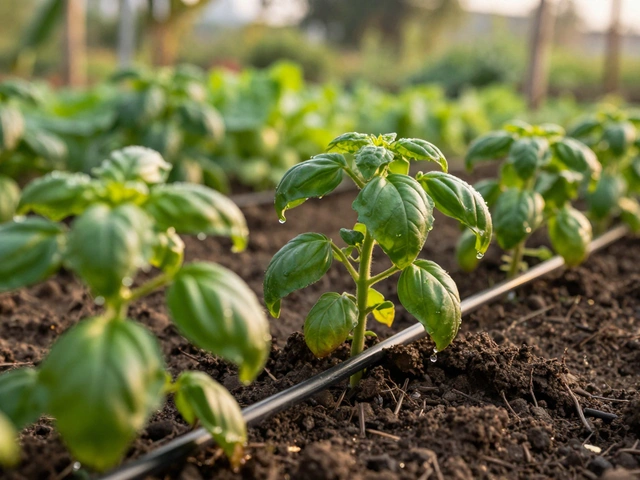
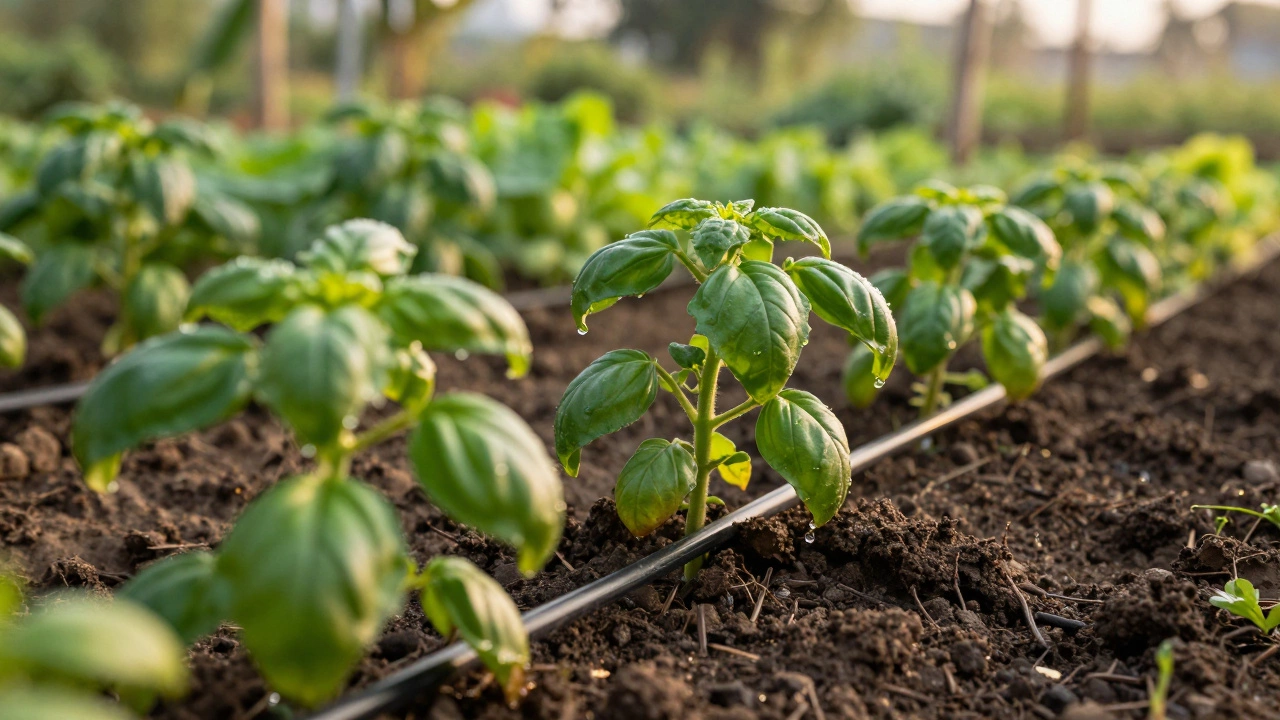
Emitters are measured in gallons per hour (GPH) or liters per hour (LPH). Common sizes are 0.5 GPH, 1 GPH, and 2 GPH. Let’s do the math for a tomato plant.
A mature tomato plant needs about 1 to 2 gallons of water per day in peak summer heat. If you use two 1 GPH emitters per plant, they deliver 2 gallons per hour. Therefore, you only need to run the system for one hour. If you used 0.5 GPH emitters, you’d need to run it for two hours to get the same amount of water.
- Check your emitter label: Look for the GPH/LPH rating printed on the tubing or packaging.
- Count emitters per zone: How many drippers are on one line? Multiply the flow rate by the number of drippers.
- Calculate total output: Total Flow = Emitters × Flow Rate.
- Set the timer: Adjust duration to match the plant's daily water requirement divided by the total flow rate.
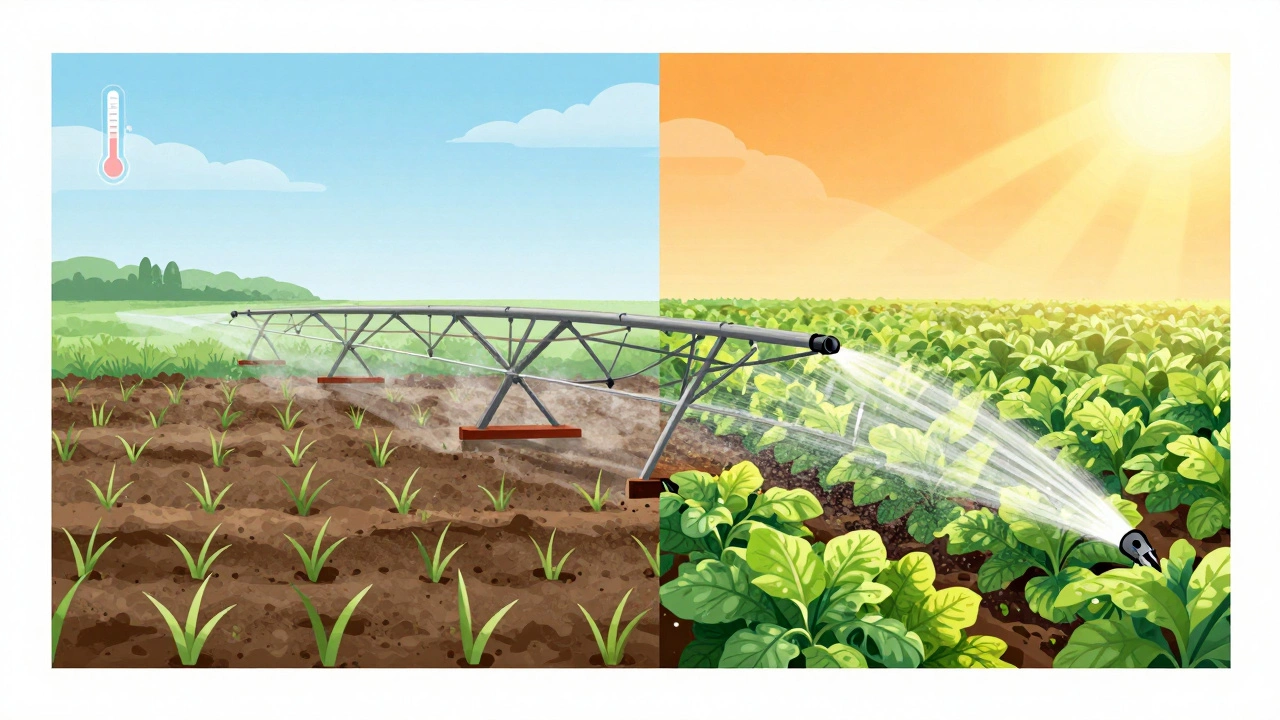
Seasonal Adjustments: Summer vs. Spring
It is July 2026, and if you live in a place with warm summers, your garden is drinking heavily. In spring, you might run your system for 30 minutes every other day. By mid-July, that same schedule will leave your plants wilting by noon.
Heat increases evapotranspiration-the process where water evaporates from the soil and transpires from plant leaves. When temperatures rise above 75°F (24°C), you generally need to increase watering duration by 20-30%. When it hits 90°F (32°C), you may need to double your springtime duration.
Don't stick to a rigid calendar. Check the weather. If rain is forecasted, skip the cycle. If it's been dry and windy for a week, add an extra 15 minutes. Smart controllers exist for a reason-they adjust based on local weather data-but manual adjustment saves money if you don't have one.
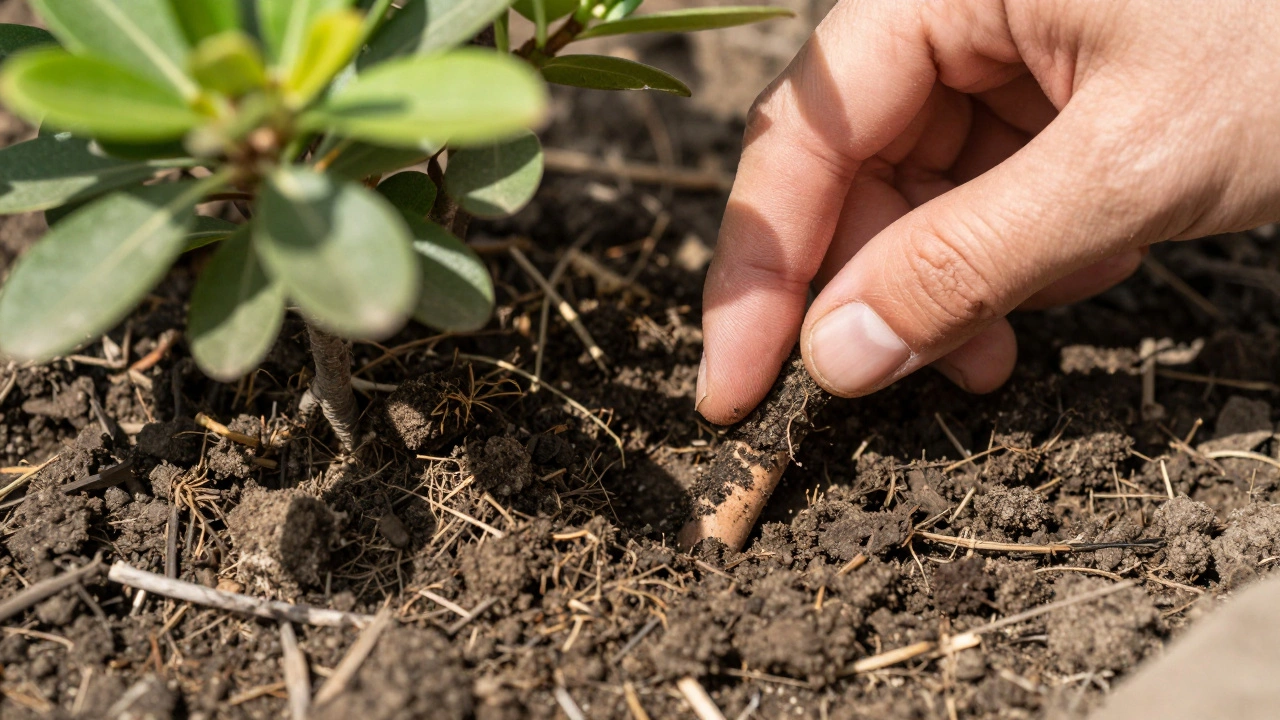
The Finger Test: Verifying Your Settings
Technology fails. Timers break. Emitters clog. The only way to know if your timing is correct is to check the soil. I call this the "Finger Test," and it’s the most reliable tool in gardening.
Insert your finger into the soil about 2 inches deep near the base of a plant. If it feels dry, you’re under-watering. If it’s muddy and sticks to your skin, you’re over-watering. You want it to feel like a wrung-out sponge-moist but not dripping.
If the surface is dry but the inch below is moist, you’re doing it right. Drip irrigation keeps the surface dry, which reduces weed growth and fungal diseases. Don’t be fooled by dry topsoil; dig deeper to see if the root zone the volume of soil occupied by plant roots. is hydrated.
Troubleshooting Uneven Watering
Ever notice some plants thriving while their neighbors struggle, even though they’re on the same line? That’s usually a pressure issue. Drip systems require low pressure, typically 10-30 PSI. If the pressure is too high at the start of the line, those first plants get flooded. By the time the water reaches the end of the line, there’s not enough pressure to push it through the emitters.
To fix this, install a pressure regulator a device that reduces water pressure to a safe level for drip systems. at the source. Also, consider splitting long lines into multiple zones. If a line is longer than 100 feet, you likely need a booster pump or a second zone to ensure even distribution.
How often should I water with drip irrigation in summer?
In peak summer heat, most gardens benefit from daily watering. However, the duration varies. Sandy soils may need 30-45 minutes daily, while clay soils might need 60-90 minutes every other day. Always check soil moisture before adjusting frequency.
Is it better to water early morning or late evening?
Early morning is best. Watering between 4 AM and 8 AM allows plants to absorb moisture before the sun heats up, reducing evaporation losses. It also gives foliage time to dry out during the day, preventing fungal diseases that thrive in overnight dampness.
Can I overwater with drip irrigation?
Yes, absolutely. While drip systems are efficient, leaving them on for too long can lead to root rot, nutrient leaching, and wasted water. Signs of overwatering include yellowing leaves, stunted growth, and soil that remains soggy for days after watering.
How do I calculate how long to run my drip system?
First, determine the flow rate of your emitters (e.g., 1 GPH). Second, estimate the water needs of your plants (e.g., 2 gallons/day for tomatoes). Divide the plant need by the emitter flow rate. If using two 1 GPH emitters, 2 gallons / 2 GPH = 1 hour of runtime.
Should I adjust my drip irrigation schedule for rain?
Yes. Light sprinkles might not penetrate deeply enough to stop your system, but heavy rain definitely should pause it. Use a rain sensor on your controller or manually turn off the timer if significant rainfall is expected. This conserves water and prevents runoff.