Houseplant Diagnosis Tool
Select the primary symptom you are observing on your plant to identify the likely cause.
It happens to the best of us. You buy a lush, vibrant Fiddle Leaf Fig is a popular indoor tree known for its large, violin-shaped leaves and dramatic presence, place it proudly in your living room, and within three weeks, it looks like a sad, brown twig. It’s frustrating, expensive, and honestly, a bit embarrassing. But here is the truth: most people don’t kill their plants out of malice or neglect. They kill them by loving them too much-or by ignoring the basic signals the plant is screaming at them.
If you are tired of going through the cycle of buying, watching, and losing greenery, you need to stop treating every plant like a house cat that just needs food and water. Plants have specific biological needs. When you understand what those needs are, keeping them alive becomes less about luck and more about routine. Let’s look at why your current collection might be struggling and how to fix it immediately.
The Number One Killer: Overwatering
We need to address the elephant in the room first. The vast majority of houseplant deaths are caused by overwatering. It sounds counterintuitive, right? We think plants need water, so we give them more. But roots need oxygen just as much as they need moisture. When you constantly drench the soil, you suffocate the roots. Without oxygen, the roots rot, and once root rot sets in, the plant cannot absorb nutrients or water, leading to a rapid decline.
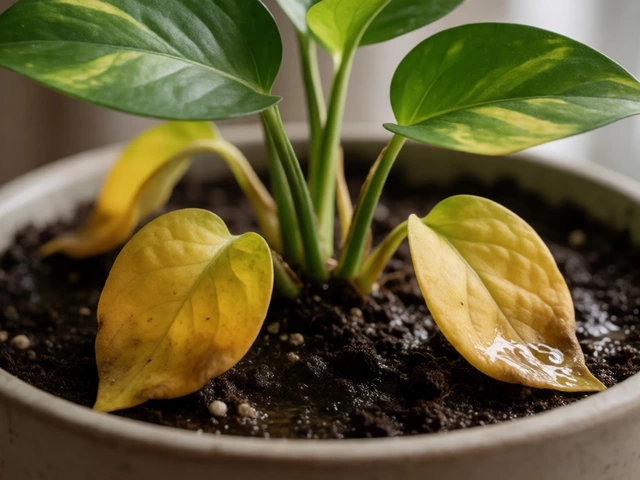
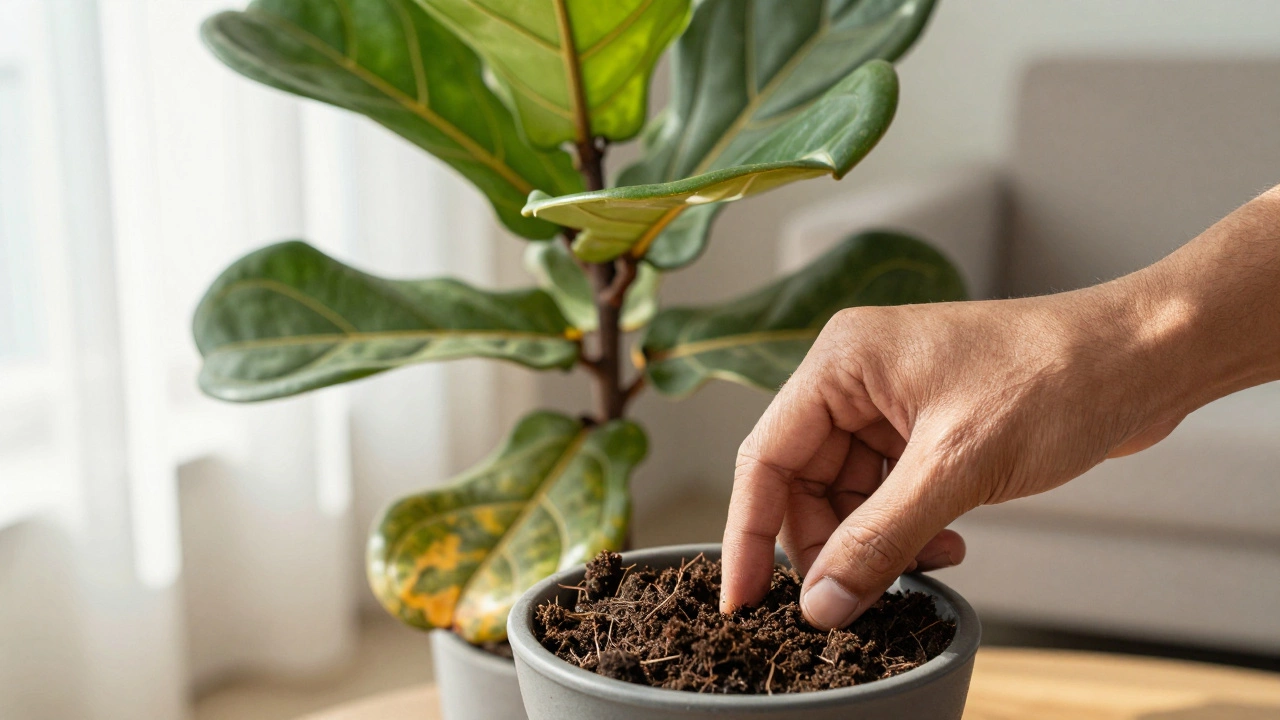
How do you know if you are overwatering? Look for yellowing lower leaves, soft or mushy stems, and a general lack of turgor (the plant looks droopy even though the soil is wet). If your finger test comes back damp, walk away. Do not water again until the top two inches of soil are completely dry. This is non-negotiable for most tropical species like Pothos is a resilient trailing vine native to tropical forests that thrives on neglect.
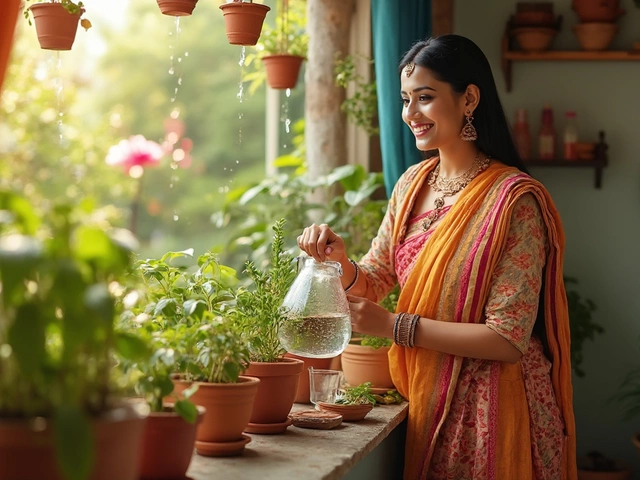
To prevent this, check your pots. Are they sitting in saucers full of stagnant water? Empty them after every watering session. Also, ensure your pots have drainage holes. If you bought a decorative pot without holes, keep the plant in its plastic nursery pot and simply slip it into the decorative one. This simple swap saves thousands of plants every year.
Light: It’s Not Just About Brightness
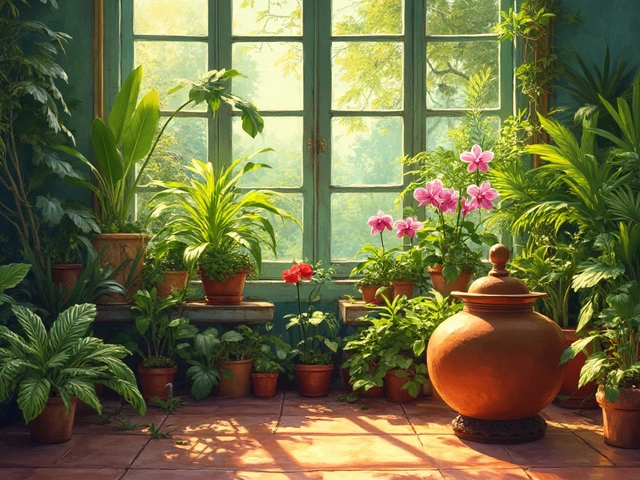
Many beginners assume "bright light" means direct sunlight through a window. For many tropical houseplants, direct sun is actually scorching. These plants evolved under the canopy of rainforests, filtered through layers of leaves. What they want is bright, indirect light. Think of the light you get when you stand in the shade on a sunny day-that’s the intensity they crave.
If your plant is stretching towards the window with long, leggy stems and small leaves, it is starving for light. Rotate your pots weekly so all sides get equal exposure; otherwise, the plant will grow lopsided as it chases the sun. Conversely, if the leaves are developing white or brown bleached patches, you are burning them. Move them further back from the glass.
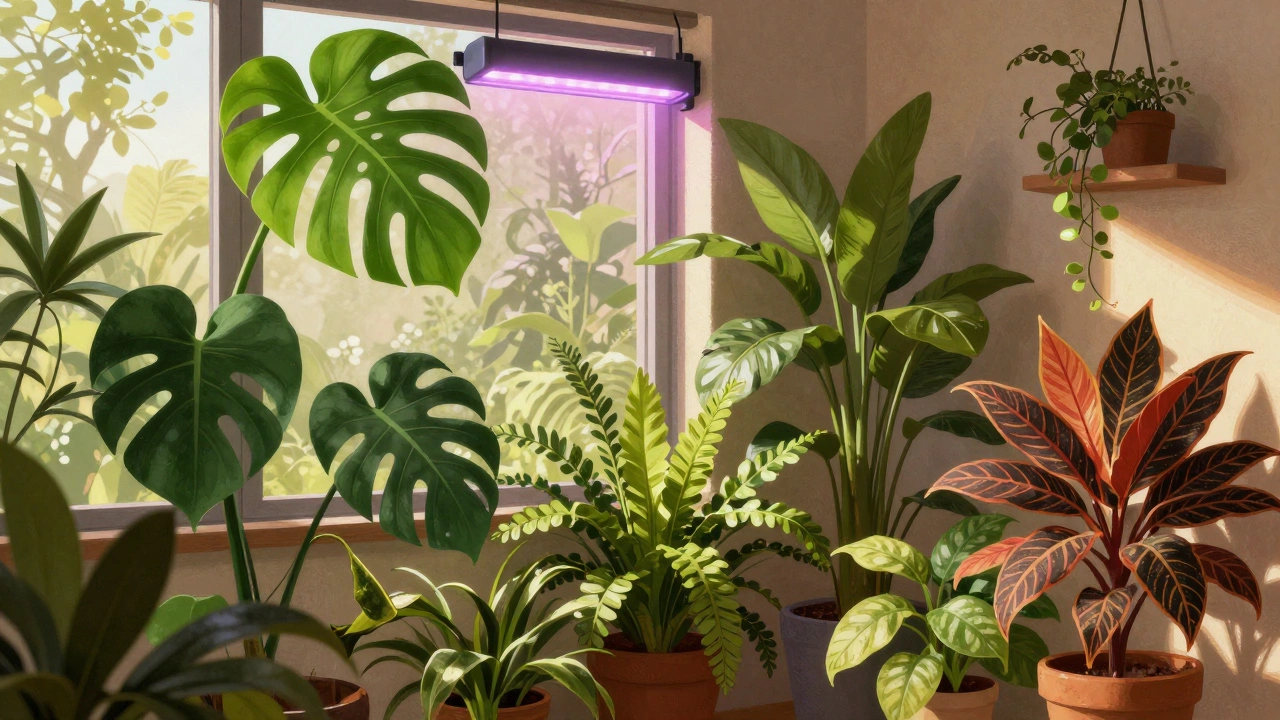
In Manchester, where our winters can be incredibly dark, natural light drops significantly. During November to February, even south-facing windows may not provide enough energy for high-light plants like succulents or citrus trees. Consider investing in a basic LED grow light. It doesn’t need to be expensive; a simple clamp lamp with a full-spectrum bulb placed six inches above the foliage for twelve hours a day can mimic summer conditions and keep your plants thriving.
Soil and Drainage: The Foundation
You wouldn’t build a house on mud, so why plant your greens in heavy garden soil? Standard outdoor soil compacts quickly in a container, blocking air flow and causing waterlogging. Indoor plants require a potting mix designed for containers. These mixes contain peat moss, perlite, and vermiculite to keep things airy and loose.
If you are repotting, never use soil straight from your garden. It contains pests, fungi, and bacteria that thrive outdoors but can devastate an indoor ecosystem. Stick to a high-quality, sterile potting mix. For plants that hate wet feet, like cacti or orchids, add extra perlite or bark chunks to increase drainage. For moisture-loving plants like ferns, a mix with higher peat content helps retain humidity.
Also, consider the material of your pot. Terracotta is porous, meaning it breathes and allows moisture to evaporate from the sides. This is great for preventing overwatering but means you’ll need to water more frequently. Plastic or glazed ceramic retains moisture longer, which is better for thirsty plants but risky if you tend to overwater.
Humidity: The Invisible Factor
Most of us live in environments that are far too dry for tropical plants. Central heating in winter and air conditioning in summer strip moisture from the air. While plants like Snake Plants (Sansevieria is a hardy succulent-like plant that tolerates low light and dry air) handle this fine, others like Calatheas and Ferns will throw a tantrum. Their leaf edges turn brown and crispy, no matter how much you water.
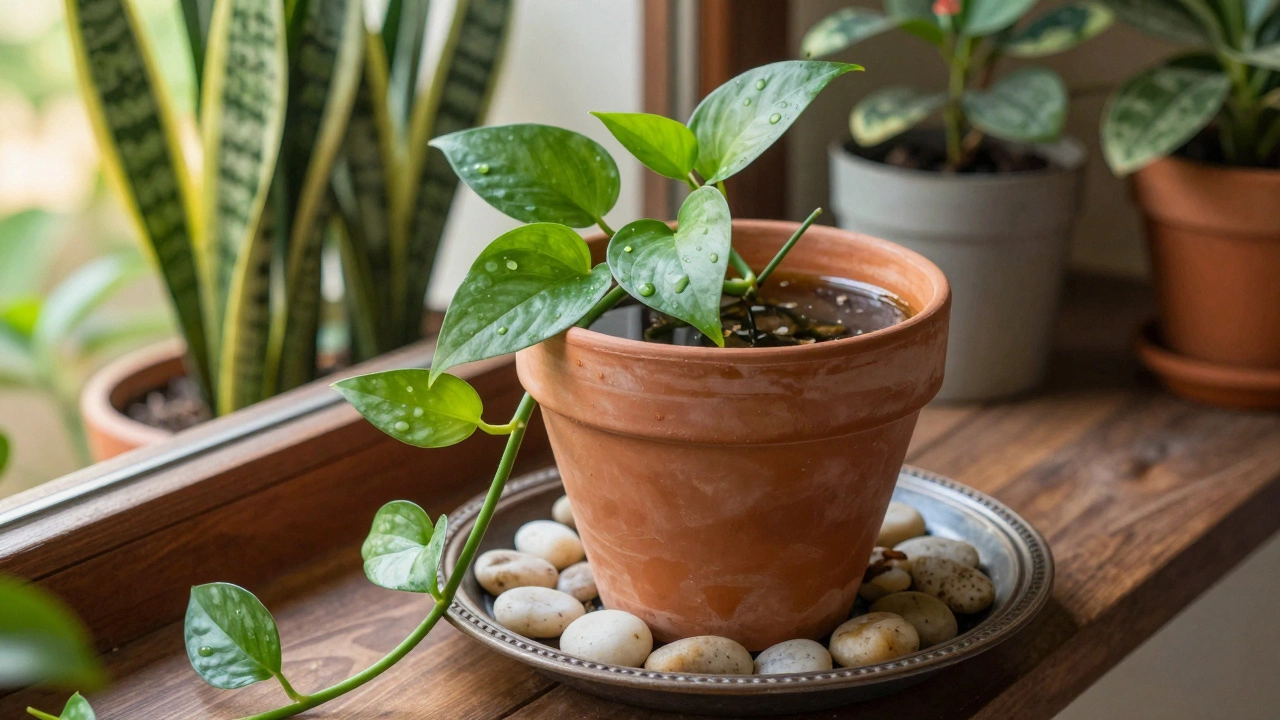
Misting is a common myth. Spraying water on leaves provides only a temporary spike in humidity that evaporates in minutes. It can also encourage fungal growth if the leaves stay wet overnight. Instead, group your plants together. As they transpire, they create a microclimate of higher humidity around each other. Alternatively, place a humidifier nearby, or set pots on trays filled with pebbles and water (ensure the pot sits on the pebbles, not in the water). This creates consistent evaporation without waterlogging the roots.
Pests: Catch Them Early
A healthy plant can withstand minor stress, but pests weaken them rapidly. The most common culprits indoors are spider mites, mealybugs, and fungus gnats. Spider mites leave tiny webbing between leaves and cause stippling (tiny yellow dots) on the foliage. Mealybugs look like little cotton balls hiding in leaf joints. Fungus gnats are those annoying tiny flies buzzing around the pot-they indicate overly wet soil.
Prevention is key. Quarantine new plants for two weeks before introducing them to your main collection. Inspect leaves closely, especially underneath. If you spot pests, isolate the affected plant immediately. For mild infestations, wipe leaves with a solution of water and mild dish soap. For tougher cases, neem oil is an effective organic treatment. Apply it according to the label instructions, ensuring you cover all surfaces of the leaves. Consistency is vital; you must treat repeatedly to break the life cycle of the pests.
Feeding: Less Is More
New owners often think fertilizer equals faster growth. In reality, too much fertilizer burns roots and damages leaves. Houseplants grow slowly indoors compared to their wild counterparts. They don’t need a feast every week. Most standard liquid fertilizers should be diluted to half strength and applied only during the active growing season (spring and summer).
In autumn and winter, most plants enter dormancy. They stop producing new leaves and conserve energy. Feeding them during this time is useless and potentially harmful. Flush the soil with plain water once every few months to prevent salt buildup from fertilizers, which can accumulate and damage root systems over time.
| Symptom | Likely Cause | Immediate Action |
|---|---|---|
| Yellowing lower leaves | Overwatering | Stop watering, check drainage, let soil dry out completely. |
| Crispy brown leaf tips | Low humidity or fluoride in water | Group plants, use distilled water, increase ambient humidity. |
| Leggy, stretched growth | Insufficient light | Move closer to window or add grow light. |
| Drooping despite wet soil | Root rot | Remove from pot, trim black/mushy roots, repot in fresh dry soil. |
| Tiny flying insects | Fungus gnats (wet soil) | Let topsoil dry out, use yellow sticky traps. |
Keeping plants alive isn’t about having a magical green thumb. It’s about observation and adjustment. Start with easy winners like Pothos, Snake Plants, or ZZ Plants. Build your confidence. Learn how they react to your specific home environment. Once you master the basics of water, light, and air, you can tackle more exotic specimens. And remember, if you ever need a break from the gardening grind, there are plenty of other ways to unwind. For instance, some people find relaxation in exploring local directories for companionship services, such as the listings found on this directory, though for most of us, the quiet satisfaction of a thriving monstera leaf is reward enough.
Repotting: When and Why
Plants eventually outgrow their homes. Signs include roots circling the bottom of the pot, emerging from drainage holes, or soil drying out unusually fast because there’s more root than dirt. Repotting every 1-2 years refreshes the soil and gives roots room to expand.
Don’t jump up sizes too drastically. Moving a plant from a 4-inch pot to a 10-inch pot is a shock. Increase the diameter by only 1-2 inches at a time. Larger pots hold more soil, which holds more water, increasing the risk of rot. Gently loosen the root ball before placing it in the new pot to encourage outward growth rather than continued circling.
Conclusion: Patience Pays Off
Stopping your houseplants from dying requires a shift in mindset. Stop guessing and start observing. Touch the soil. Watch the light. Listen to the plant’s cues. It’s a slow process, but the result-a home filled with living, breathing greenery-is worth the effort. Your plants aren’t trying to die; they’re just waiting for you to speak their language.
Why are my houseplant leaves turning yellow?
Yellowing leaves are most commonly a sign of overwatering. Check if the soil is soggy. If it is, stop watering immediately and ensure the pot has drainage. Occasionally, yellowing can indicate nutrient deficiency, but this is rare in young plants. If only older, lower leaves yellow and drop off while new growth remains healthy, it may be natural aging.
How often should I water my indoor plants?
There is no universal schedule. Watering frequency depends on the plant type, pot size, soil type, and environmental conditions. The best method is the finger test: insert your finger into the top 2 inches of soil. If it feels dry, water thoroughly until water runs out the drainage hole. If it feels damp, wait a few days and check again.
Can I save a plant with root rot?
Yes, if caught early. Remove the plant from its pot and gently wash away the old soil. Trim away any black, mushy, or smelly roots using sterilized scissors. Treat the remaining healthy roots with a fungicide if available, then repot in fresh, dry, well-draining soil. Keep the plant in bright, indirect light and avoid watering for several days to allow wounds to heal.
What is the best light for houseplants?
Most houseplants prefer bright, indirect light. This means placing them near a window but not in direct sunbeams, which can scorch leaves. East-facing windows provide gentle morning sun, ideal for many plants. South-facing windows offer intense light suitable for succulents and cacti. North-facing windows are best for low-light tolerant plants like Snake Plants and Pothos.
Why do my plants have brown leaf tips?
Brown leaf tips usually indicate low humidity or inconsistent watering. Tropical plants like Peace Lilies and Calatheas suffer in dry indoor air. Try grouping plants together to increase local humidity or using a humidifier. Additionally, tap water containing fluoride or chlorine can cause tip burn. Using distilled or rainwater can help resolve this issue.