Mango: How to Grow, Care for, and Maximize Yield in Indian Gardens
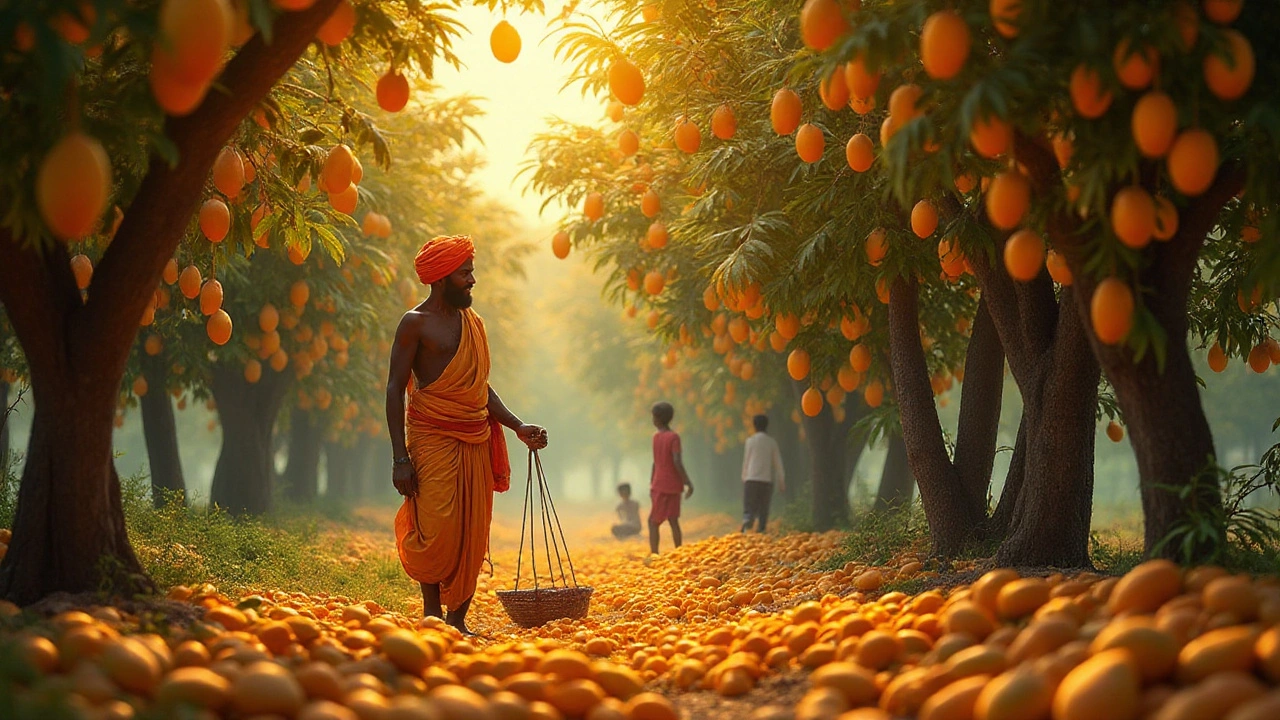
When you think of mango, a tropical fruit tree native to South Asia that thrives in India’s warm climates and is deeply tied to local culture and cuisine. Also known as the king of fruits, it Mangifera indica, it’s not just a snack—it’s a crop that can turn a backyard into a profitable mini-farm. Unlike many fruit trees, mango doesn’t need fancy equipment or perfect conditions. It just needs the right start, smart watering, and a little patience.
What most gardeners don’t realize is that mango soil, a well-draining, slightly acidic to neutral loam rich in organic matter that prevents root rot and supports deep root growth matters more than fertilizer. If your soil is compacted or stays wet after rain, your mango tree will struggle—even if you use the best organic inputs. That’s why fixing compacted soil, hard, dense ground that blocks water and air from reaching roots, often caused by over-tilling or heavy rainfall is the first step to a healthy mango tree. You don’t need chemicals. A mix of compost, mulch, and gentle aeration works better than most store-bought solutions.
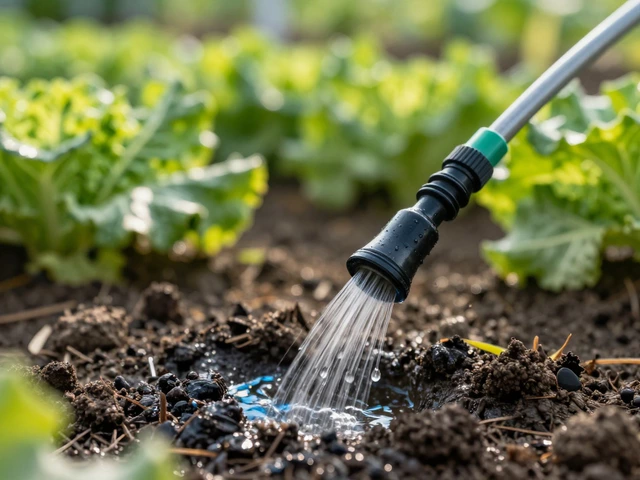
Watering is another big mistake. People think mango trees love water because they grow in hot places. But overwatering kills more mango trees than pests. The key is deep, infrequent watering—especially after the first year. Let the top few inches of soil dry out between sessions. This tricks the roots into growing deeper, making the tree stronger and more drought-resistant. And if you’re thinking about drip irrigation, a system that delivers water slowly and directly to the root zone, reducing waste and evaporation, it’s a great option—but only if you don’t run it every day. Adjust it by season. In monsoon, turn it off. In summer, let it run once or twice a week.
India has dozens of mango varieties, each suited to different regions. Alphonso thrives in Maharashtra, Totapuri in the south, and Chausa in the north. Choosing the right one for your area cuts down on failure. You also need to know when to prune—after harvest, not before. And yes, neem oil, a natural pesticide derived from the seeds of the neem tree, effective against pests like fruit flies and mealybugs without harming bees or soil microbes is your best friend. Spray it lightly during flowering to keep pests away without poisoning your fruit.
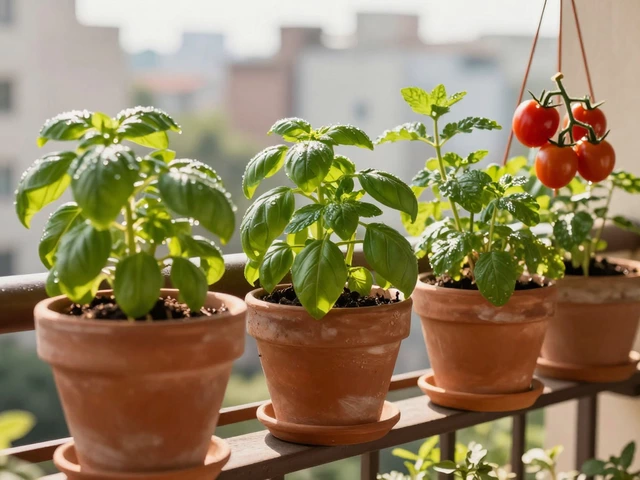
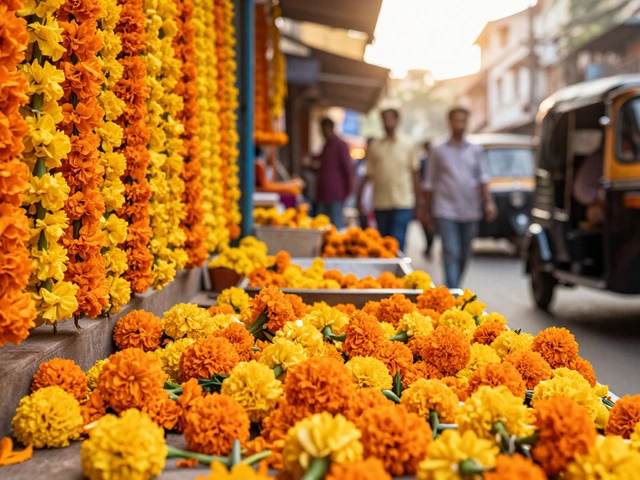
What you won’t find in most guides is how mango trees interact with other plants. They don’t like being crowded. Keep them at least 15 feet from other large trees. But planting marigolds or basil nearby? That helps. These plants repel insects naturally and improve air flow. It’s not magic—it’s smart companion planting, something you’ll see working in the best organic gardens across Tamil Nadu and Karnataka.
And if you’re wondering why some mangoes taste sweeter or ripen faster, it’s not just the variety. It’s sunlight. Mangoes need at least six hours of direct sun daily. If your tree is shaded by a building or tall neighbor, it might grow—but it won’t fruit well. Position matters as much as soil.
Below, you’ll find real advice from gardeners who’ve grown mangoes in small yards, on terraces, and in dry regions. You’ll learn how to spot early signs of disease, how to make your own fertilizer from kitchen waste, and why some so-called "miracle" products are just expensive water. No fluff. No hype. Just what works in India’s climate, with tools you already own.
India's national fruit, the mango, is an ancient and beloved staple with a fascinating history. Its presence in Indian culture goes beyond culinary use—it's a symbol of love, prosperity, and resilience. This article dives into the varieties of mangoes that are grown across India, their cultural significance, and how to cultivate this king of fruits in your garden.