Rose Gardening: How to Grow Healthy Roses in India with Biotech Solutions
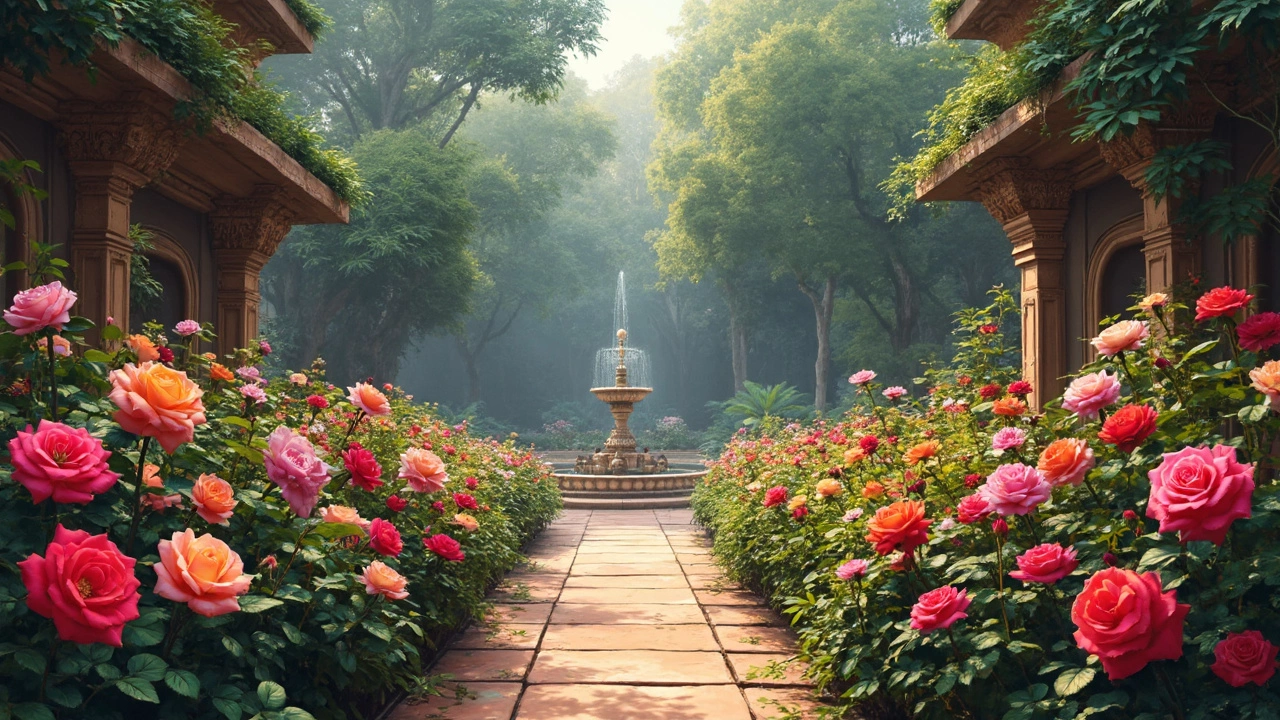
When you think of rose gardening, the art of growing roses for beauty, fragrance, and reward. Also known as rose cultivation, it's one of the most popular yet tricky hobbies in Indian homes. Roses demand more than just water and sun—they need the right soil, smart watering, and protection from pests that thrive in India’s humid climate. Most gardeners kill their roses not by neglect, but by overdoing it—watering daily, using chemical sprays, or planting in compacted dirt. The truth? Healthy roses start with healthy soil and smart, science-based care.
Rose soil, the foundation of every thriving rose bush. Also known as rose bed substrate, it needs to drain fast but hold just enough moisture. In India, where clay and hard-packed earth are common, you can’t just dump roses into any patch of dirt. You need to loosen it with compost, add organic matter, and test the pH—roses hate alkaline soil. Many gardeners skip this step and wonder why their roses look pale or drop buds. Fixing soil isn’t magic—it’s mixing in well-rotted cow dung, peat, or biochar, then mulching to keep roots cool and moist. This isn’t old-school advice—it’s what biotech gardening tools now make easier with soil conditioners designed for Indian conditions.
Rose pests, the silent killers of even the best-planted bushes. Also known as rose insects, they include aphids, spider mites, and thrips that multiply fast in warm weather. Most people reach for synthetic sprays first—but those harm bees, wash off in rain, and leave residues. The real solution? Neem oil. It’s been proven to stop pests without poisoning the soil or your family. Apply it weekly during monsoon, spray under leaves, and repeat after heavy rain. Pair it with good airflow—don’t crowd your roses. Plant them 2 feet apart. Prune dead wood in winter. These aren’t suggestions. They’re non-negotiables for roses that bloom nonstop.
What you’ll find below aren’t generic tips. These are real fixes from gardeners who’ve tried everything and finally got roses that smell like perfume and look like they’re from a magazine. You’ll learn how to stop overwatering (yes, that’s a thing), what to feed your roses in summer versus winter, and why drip irrigation isn’t always the best choice for them. You’ll see how biotech products like slow-release organic fertilizers and microbial soil boosters make a difference without chemicals. And you’ll find out why some roses die in Delhi but thrive in Bangalore—not because of luck, but because of smart, local adaptation.
There’s no magic potion for perfect roses. Just smart choices, repeated. You don’t need a big garden. You don’t need expensive tools. You just need to understand what your roses actually need—and stop doing what feels right but kills them. The posts ahead give you exactly that: no fluff, no theory, just what works in India’s heat, rain, and soil. Start here. Your next bloom will thank you.
Flowers have always held a special place in our hearts, but the rose is often considered the queen among them. In India, roses offer vibrancy and fragrance to gardens. This article delves into practical tips on growing and caring for these royal blooms in Indian climates. We'll explore different varieties of roses and their historical significance.