Vegetable Gardening India: Grow Fresh Food Wherever You Live
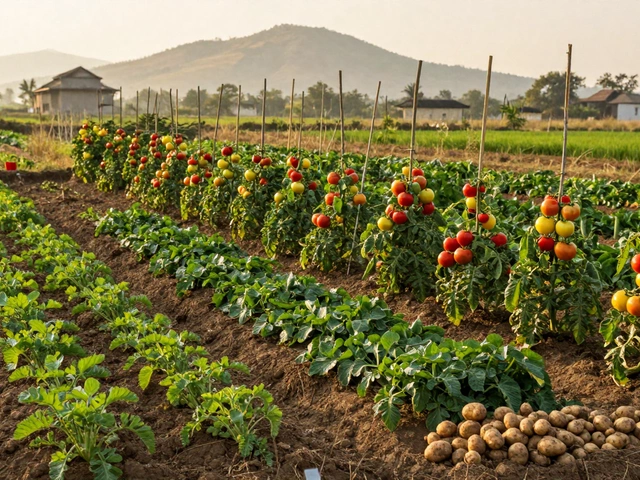
When it comes to vegetable gardening India, the practice of growing edible plants in homes, balconies, and small plots across India’s varied climates. Also known as urban farming, it’s not just a hobby—it’s a practical way to eat fresher, cheaper, and chemical-free food in a country where soil and weather can be tough on plants. You don’t need acres of land. Even a 10x10 patio or a balcony with three hours of sun can feed a family if you pick the right plants and manage water and soil right.
Most people in Indian cities start gardening with tomatoes or chillies, then hit a wall. Their soil turns hard, their plants yellow, or their drip system runs nonstop and still doesn’t help. That’s because compacted soil, dense, lifeless dirt that blocks roots and traps water is everywhere—especially in apartment balconies and reused potting mixes. Fixing it doesn’t need fancy tools. Just compost, mulch, and a little poking with a stick can bring it back to life. And then there’s drip irrigation, a water-saving system that delivers moisture straight to plant roots. Many think it means watering every day, but that’s a mistake. In India’s humidity, overwatering kills more plants than drought. The right schedule depends on your city, season, and even the type of pot you use.
What you grow matters too. Not all vegetables thrive here. Leafy greens like spinach and amaranth do great in cooler months, while okra and bitter gourd love the heat. If you’re short on space, cherry tomatoes, peppers, and radishes in containers beat big pumpkin vines every time. And when pests show up, you don’t need chemicals. neem oil, a natural insecticide made from Indian tree seeds has been used for centuries to stop aphids, whiteflies, and mites without harming bees or your kids. It’s cheap, easy to mix, and works better than most store-bought sprays.
And let’s not forget fertilizer. You don’t need to buy expensive bags. Leftover tea leaves, crushed eggshells, banana peels, and kitchen scraps turned into compost can feed your garden better than synthetic blends. Homemade fertilizer isn’t just cheaper—it’s tailored to what your plants actually need.
What you’ll find below isn’t theory. It’s what real Indian gardeners tried, failed at, and then fixed. From how to revive tired soil to which vegetables actually survive monsoon rains, these posts cut through the noise. You’ll learn how to set up a drip system that doesn’t waste water, pick the best plants for your balcony, and stop overwatering before your seedlings turn to mush. No fluff. No jargon. Just what works in India’s heat, humidity, and tight spaces.
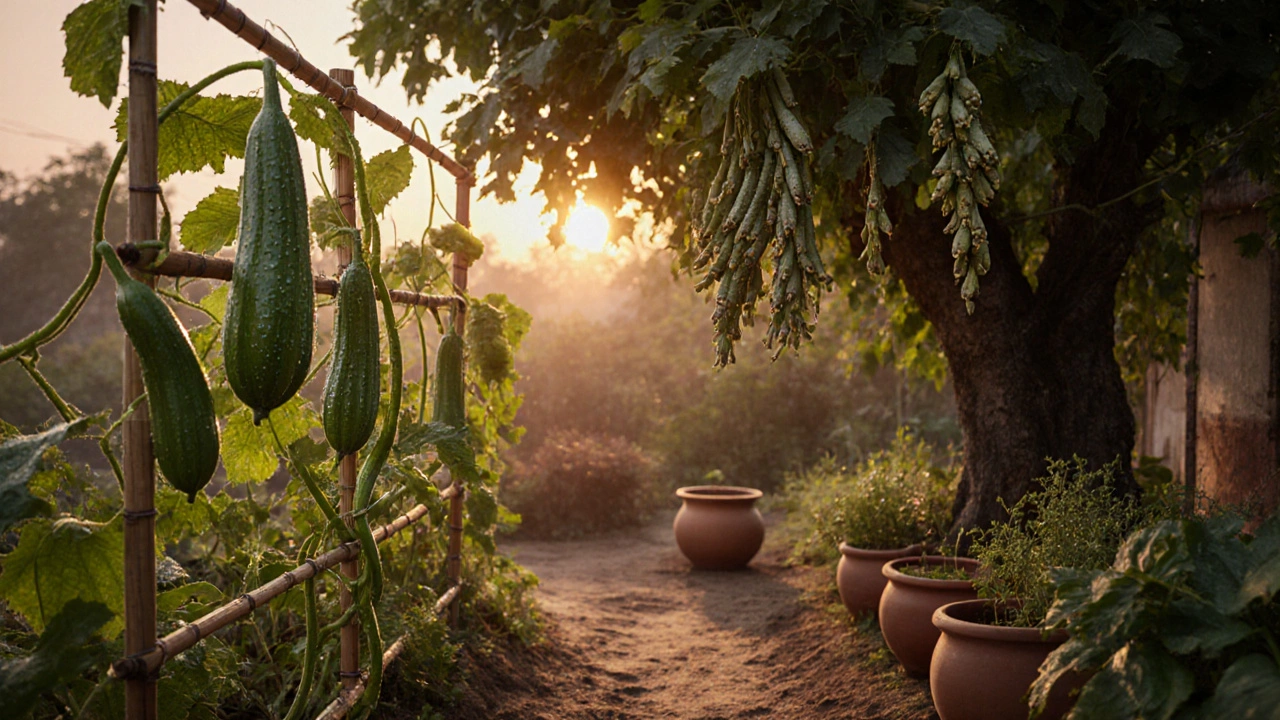
Discover which vegetables are truly native to India and why growing them makes your garden more resilient, nutritious, and connected to local food traditions. Learn how to grow bitter gourd, drumstick, snake gourd, and other indigenous crops with minimal effort.
Is brinjal (eggplant) really a healthy pick for your plate, or should you think twice before adding it to your garden? This article uncovers the real story—nutritional perks, possible downsides, and how it fits with daily Indian eating habits. You’ll get practical tips for growing and eating it, plus some warnings that might surprise you. Whether you're a veggie lover or a skeptic, this is the no-nonsense breakdown you need. Get ready to see brinjal differently—maybe for the better, maybe not.
Which plant really steals the show when it comes to beauty in Indian vegetable gardens? This article digs deep and picks a winner, plus looks at a few other stunners that veggie gardeners always admire. Expect practical tips, cool trivia, and smart growing advice along the way. Whether your garden is on a balcony or a big plot, there’s something here to help anyone add some real visual wow. Get ready to rethink what a beautiful veggie patch can look like.
In India, a country known for its diverse cuisine and vast agricultural heritage, determining the king of vegetables is no easy task. This article explores the rich variety of vegetables cultivated across the nation, highlighting the cultural and nutritional significance of each. It delves into why these vegetables hold a special place in Indian households. By presenting practical gardening tips and historical contexts, it offers readers valuable insights into growing these staple vegetables.
In India, the fascination with rare and costly foods isn't just about luxury but also tradition and culinary curiosity. This article dives into the realm of India's most expensive foods, revealing rare ingredients and lavish dishes with intriguing histories. From exotic saffron to truffle-infused delights, discover what makes these foods so special and how they are connected to the world of vegetable gardening. Whether you're a foodie or a gardening enthusiast, you'll find something to intrigue your taste buds and your green thumb.
India, with its diverse climates and rich agricultural heritage, is home to a wide array of vegetables. Yet, among the bounty, one vegetable stands out as the reigning monarch of the Indian kitchen. This article delves into the cultural significance, nutritional value, and gardening tips for cultivating this vegetable. Readers will uncover why it holds such a pivotal place in Indian cuisine and learn how to cultivate it in their own gardens.