Water Quality for Gardening: What You Need to Know to Keep Plants Healthy
When it comes to growing healthy plants, water quality, the chemical and physical properties of water that affect plant growth and soil balance. Also known as irrigation water quality, it’s often the hidden reason your plants struggle—even when you think you’re doing everything right. Hard water, chlorine, salts, and heavy metals don’t show up in your tap’s taste, but they build up in your soil over time, suffocating roots and locking out nutrients. Most gardeners blame themselves for overwatering or poor soil, but the real culprit is often what’s in the water they’re using every day.
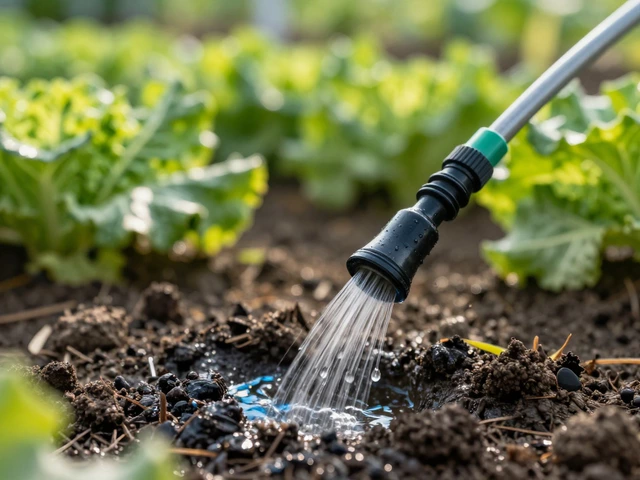
Soil health, the ability of soil to support plant life through nutrient availability, structure, and microbial activity. is directly tied to water quality. If your water has high sodium or chloride levels—common in municipal supplies or well water—it breaks down soil structure, making it dense and poorly draining. That’s why your compost-rich soil still feels like concrete after a few months. Garden irrigation, the method and frequency of delivering water to plants. systems like drip lines and soaker hoses make this worse if the water is bad—they deliver contaminants slowly and directly to roots, where damage happens fastest. You can install the best drip system in the world, but if your water is full of salts, you’re just feeding your plants poison at a steady rate.
What’s in your water? Test it. You don’t need a lab. Basic home kits check for pH, hardness, and total dissolved solids—things that matter more than you think. If your water’s pH is above 7.5, your plants can’t absorb iron or zinc, even if it’s in the soil. If your TDS is over 500 ppm, you’re likely building up toxins. Rainwater harvesting, as mentioned in several posts here, isn’t just eco-friendly—it’s often the cleanest water source you’ll find. And if you’re using tap water, letting it sit out for 24 hours lets chlorine evaporate, but it won’t touch salts or heavy metals.
Some plants are tougher than others. Bonsai trees, for example, are extremely sensitive to water quality—their tiny root systems can’t handle mineral buildup, which is why overwatered bonsai often show yellow leaves and mushy roots. Same goes for Vanda orchids and other delicate growers. But even tomatoes and herbs suffer. You might think you’re watering correctly, but if your water is hard, you’re slowly killing your garden from the roots up.
Fixing water quality doesn’t mean buying expensive filters. It means understanding what you’re using. Use mulch to reduce evaporation and keep salts from rising to the surface. Add organic matter to help your soil hold onto nutrients and buffer against bad water. Switch to rain barrels when you can. And if you’re using drip irrigation—don’t run it daily. Let the soil dry out between cycles. That’s not just about saving water—it’s about giving your plants time to flush out built-up minerals.
Below, you’ll find real, tested advice from gardeners who’ve dealt with this exact problem. From how to tell if your water is killing your plants, to how to set up a low-cost water filtration system for your garden, to why some irrigation methods make bad water worse—this collection gives you the facts, not fluff. No theory. No guesswork. Just what works in Indian gardens with real water challenges.
Wondering if distilled water is better for your indoor plants? Discover how water quality affects your greenery and whether ditching tap water for the distilled variety makes a difference. We explore the benefits and potential drawbacks, including how distilled water can impact nutrient absorption and overall plant health. Find out which types of plants might thrive with distilled water and what alternatives you might consider. This guide provides practical tips for watering your indoor oasis.
Continue reading...
Tap water is a convenient option for watering indoor plants, but is it the best choice? This article explores the effects of tap water on plants, including potential chemicals and minerals that might impact growth. Discover practical tips on how to use tap water effectively and alternatives to consider for healthier plants. Learn about common myths and the truth behind them to make informed decisions for your indoor plant care.
Continue reading...