Gardening in India in December 2024: What Worked, What Didn’t, and What to Try Next
When you think of gardening in India, the practice of cultivating plants across India’s varied climates, from dry deserts to humid coastal zones. Also known as home horticulture, it’s not just about planting seeds—it’s about working with the land, not against it. December brings a quiet shift. The monsoon’s gone, the heat’s easing, and for many, it’s the perfect time to plant, fix, or rethink how things grow. This month’s collection dives into what’s actually working for Indian gardeners—not theory, not fluff, but real strategies tested in backyards, farms, and balconies across the country.
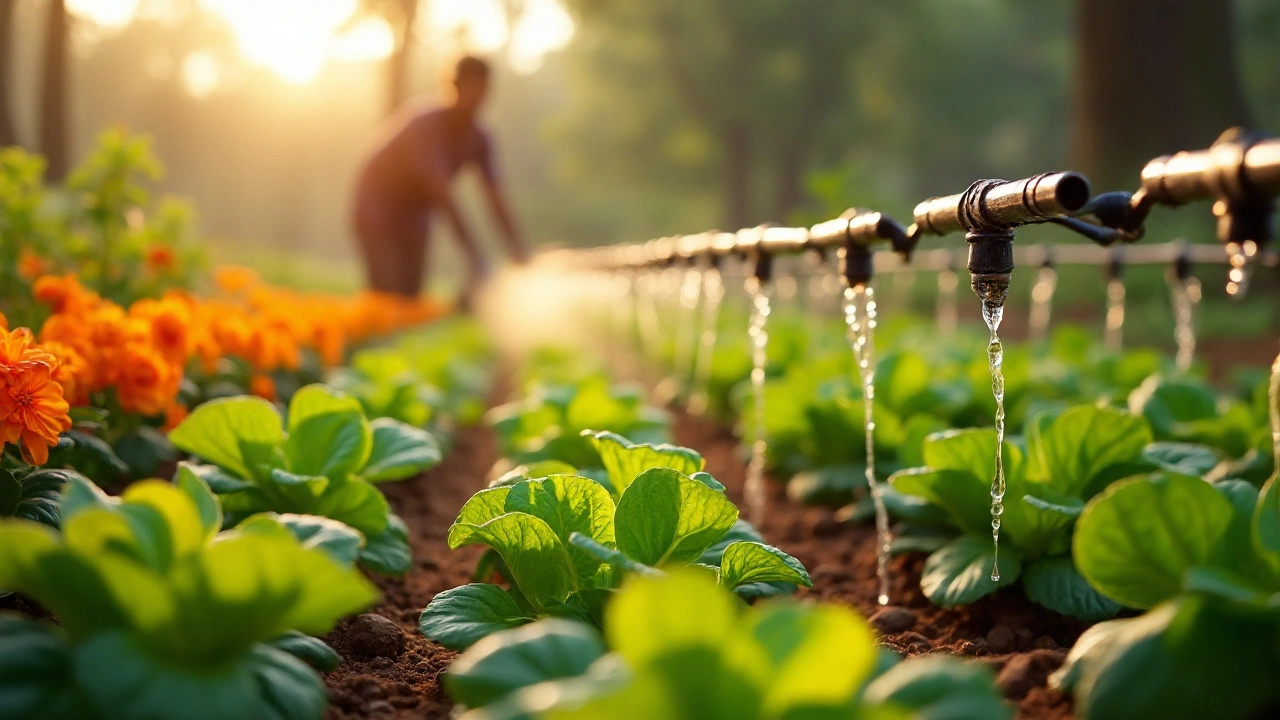
One big theme? drip irrigation, a water-efficient system that delivers moisture directly to plant roots, reducing waste and boosting yields. It’s no longer just for big farms. More families in Tamil Nadu, Maharashtra, and Punjab are installing these systems because they save water, cut bills, and make growing easier in dry months. But how much does it really cost? One article breaks down the numbers—from pipes and timers to labor and long-term savings—so you know if it’s worth it for your plot.
Then there’s the quiet revolution in what we grow. sustainable gardening, a method focused on minimizing environmental harm through smart choices in water, soil, and crop selection isn’t a trend—it’s survival. The article on unsustainable vegetables hits hard: iceberg lettuce, for example, uses more water than most people realize. Meanwhile, others are turning to native plants and heirloom crops like the mango, India’s national fruit, deeply tied to culture, climate, and cuisine, with over 1,000 varieties grown across the country. Learn how to grow your own, even in small spaces, and why this king of fruits still rules Indian gardens.
And then there are the flowers no one talks about—rare flowers, uncommon blooms that demand specific conditions and careful attention, from orchids to native wildflowers. People are trying them. Some fail. Some thrive. The article doesn’t sugarcoat it: growing these isn’t for beginners. But if you’ve got a shaded corner, good soil, and patience, you might just grow something no one else in your neighborhood has.
Under it all? A quiet truth: gardening in India today isn’t about perfection. It’s about adapting. Whether you’re managing paddy fields, setting up a drip line, or trying to grow a single mango tree on your balcony, the goal is the same—grow smarter, waste less, and work with what the land gives you. December 2024’s posts don’t just tell you what to do. They show you how real people are doing it, right now, in their own corners of India.
Below, you’ll find the full stories—no fluff, no hype. Just what worked, what didn’t, and what you can try next week.
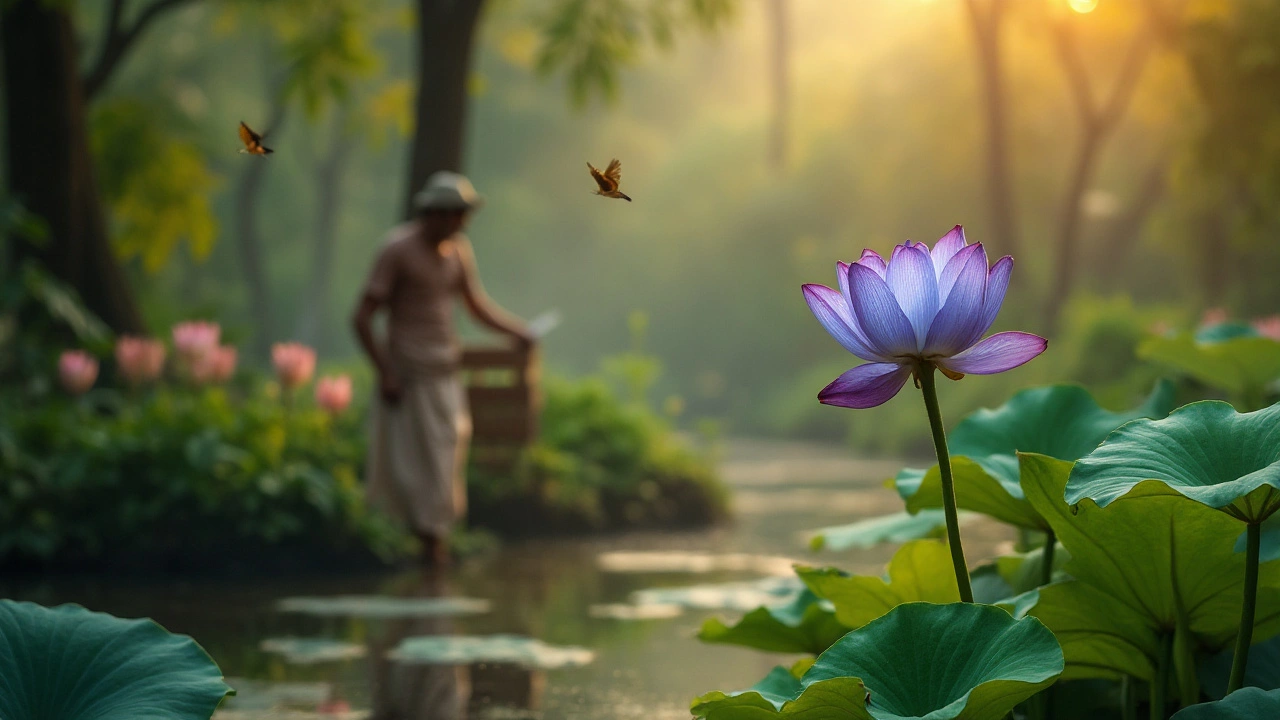
Growing flowers in India can be both rewarding and challenging, especially when it comes to nurturing rare blooms. With diverse climates ranging from tropical to temperate, India presents unique opportunities and challenges for gardeners. Some flowers, like the Lotus and Orchids, require specific conditions to thrive. This article delves into the most difficult flowers to grow in India, offering insights and tips for gardeners eager to cultivate these elusive beauties.
Installing a drip irrigation system can be a game-changer for efficient water usage in gardens and farms. This article explores the various factors affecting the cost of installing such a system. It covers materials, labor, and maintenance, and provides insight into potential cost-saving strategies. Readers will discover how these systems can tailor water delivery directly to plant roots, promoting healthier growth and conserving resources.
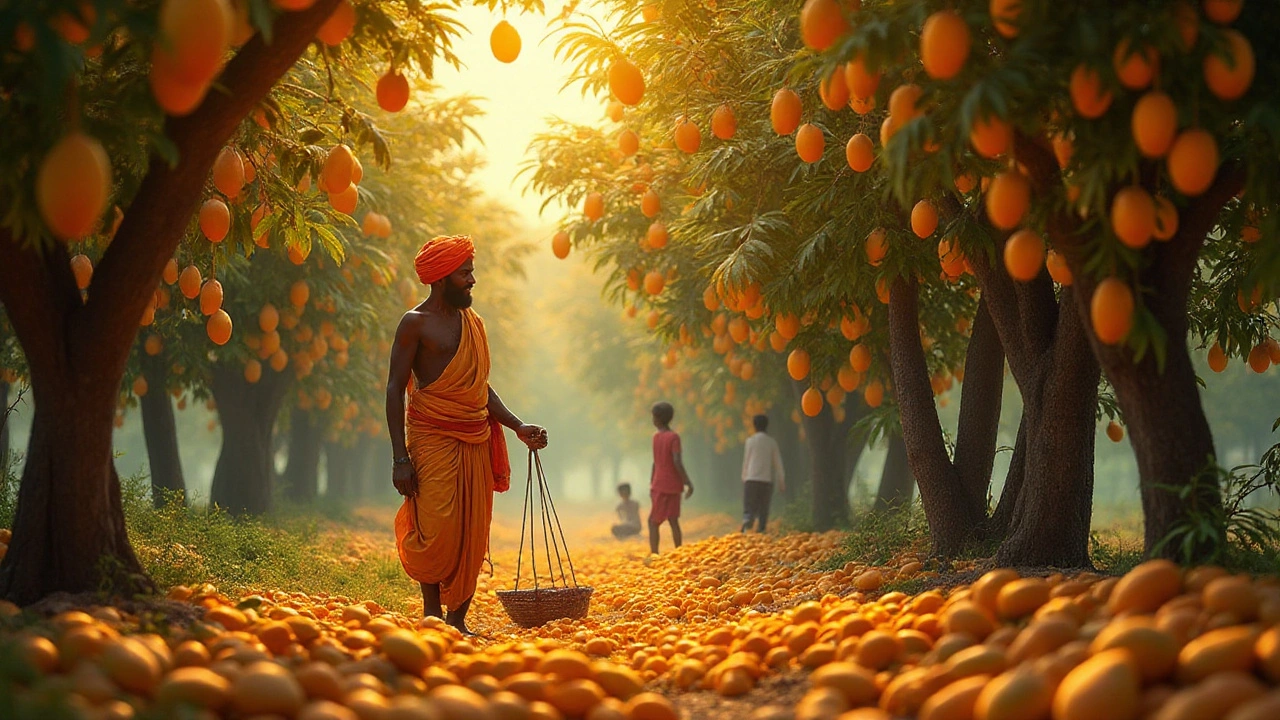
India's national fruit, the mango, is an ancient and beloved staple with a fascinating history. Its presence in Indian culture goes beyond culinary use—it's a symbol of love, prosperity, and resilience. This article dives into the varieties of mangoes that are grown across India, their cultural significance, and how to cultivate this king of fruits in your garden.
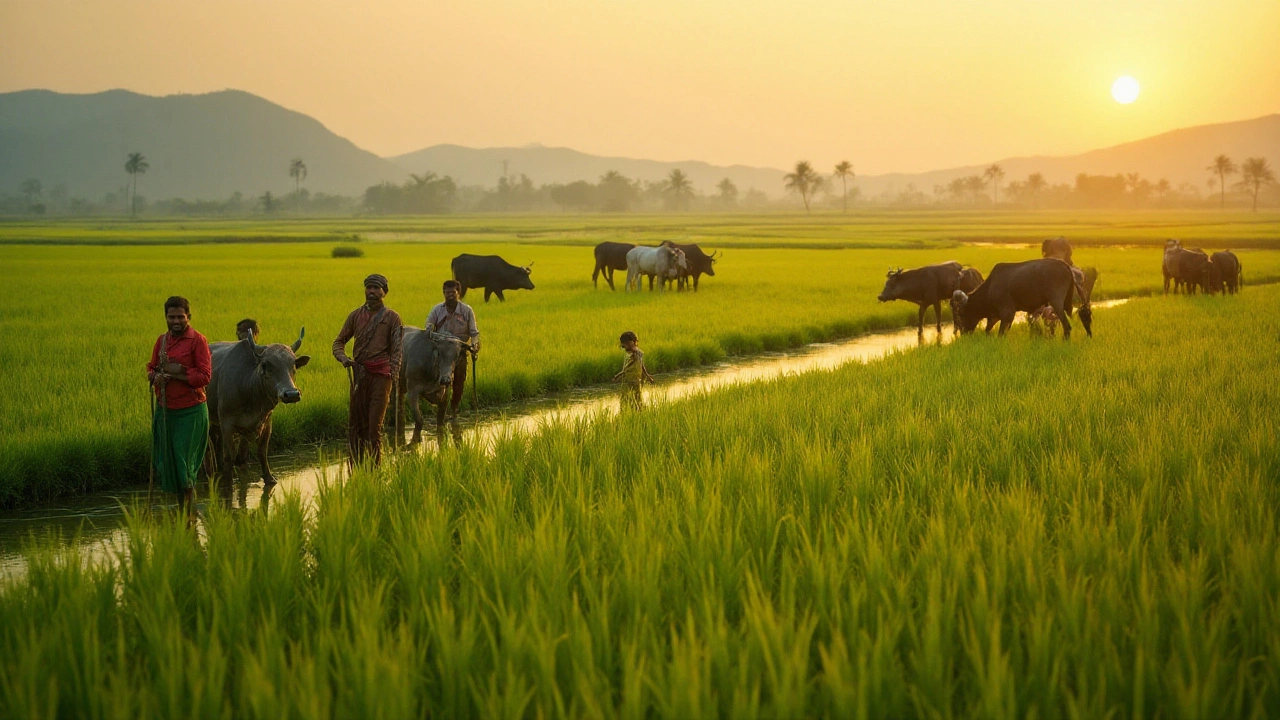
Flooding rice fields is a practice steeped in both scientific reasoning and cultural tradition. It serves as a unique environment that benefits rice growth by controlling weeds and pests, ensuring nutrient availability, and maintaining soil structure. This article explores the reasons and methods behind this distinctive agricultural practice. We delve into its ecological advantages, historical roots, and contemporary techniques.
With the rise of conscious consumerism and sustainable living goals, it's crucial to examine which vegetables are considered unsustainable due to their environmental impact. This article explores the factors that contribute to unsustainability in vegetable production, focusing on water usage, pesticide needs, and carbon footprint. Learn about the notorious iceberg lettuce and discover alternatives that minimize environmental harm. Embrace eco-friendly practices to turn your gardening efforts into a force for good.
Central BioTech Gardening offers science-based, eco-friendly gardening solutions for India. Discover biotech products, sustainable tips, and expert insights to grow healthier plants.
Terms of Service for Central BioTech Gardening, an Indian biotech gardening resource offering sustainable solutions and expert tips. Learn your rights and responsibilities when using our informational content.
Central BioTech Gardening's Privacy Policy explains how we collect and use anonymous data via cookies and analytics. No personal information is stored. Compliant with Indian data protection laws.
Under India's Digital Personal Data Protection Act (DPDP), learn about your rights and how Central BioTech Gardening complies with data protection laws for visitors.
Contact Central BioTech Gardening for questions about biotech gardening products, partnerships, or sustainable gardening tips in India. Reach out to Dorian Foxley at [email protected].