Dharwad Mandi Visitor Simulator
Planning a trip to Asia's largest flower market? Use this simulator to find out when you should arrive and what to expect based on your role.
Your Profile
Recommended Strategy
Select your profile and click "Simulate Visit" to get personalized advice.
Market Comparison Explorer
Click on a market below to see how it compares to Dharwad Mandi.
Dharwad Mandi
Karnataka
Largest Floral HubAzadpur Mandi
Delhi
General Agri-HubVashi Market
Mumbai
West India FocusSealdah Market
Kolkata
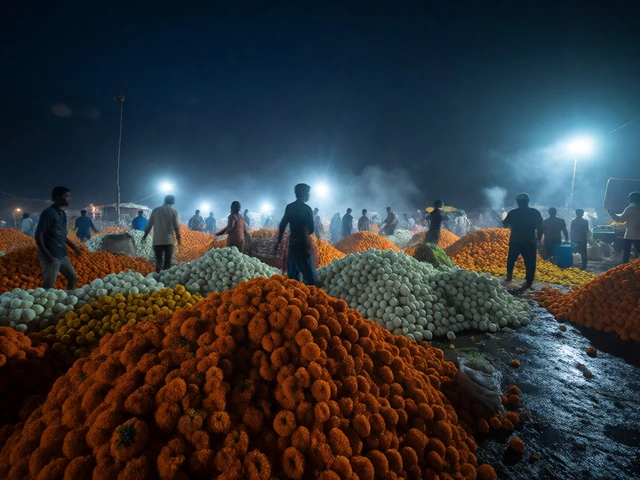
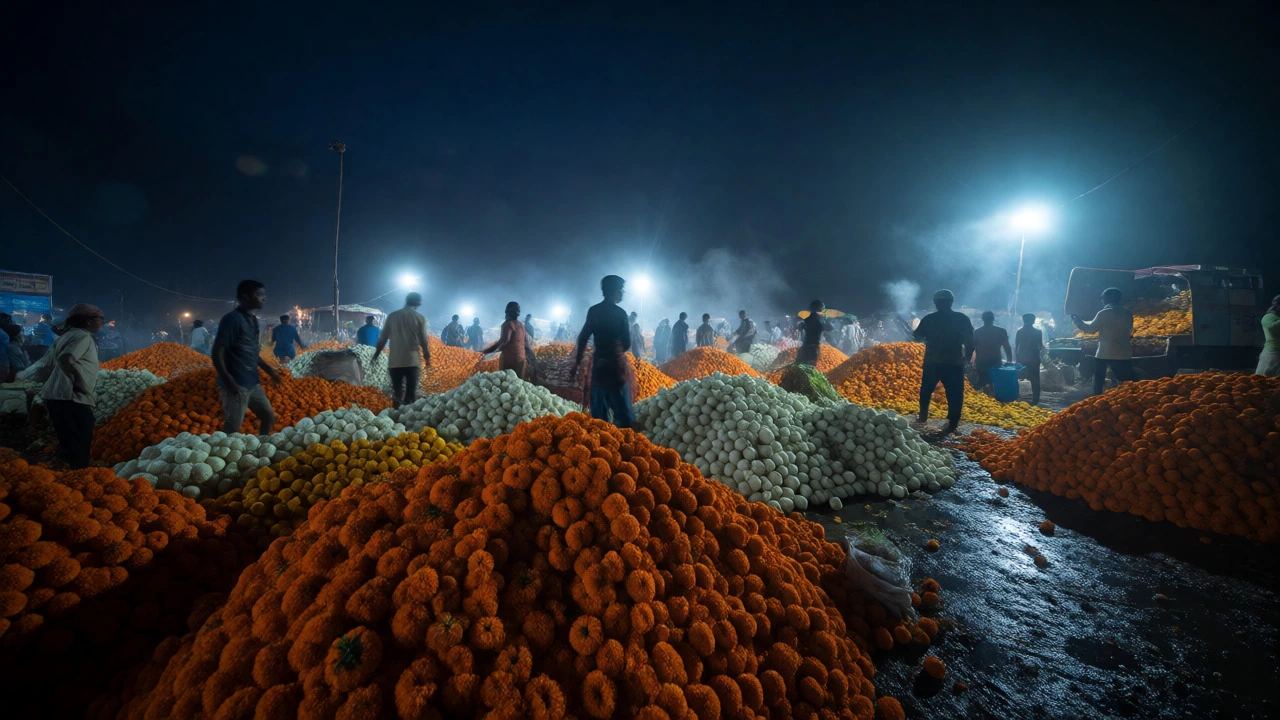
East India HubImagine waking up at 3 AM. It’s dark, cold, and the air smells intensely of wet earth and jasmine. You are standing in a chaotic, vibrant sea of marigolds, roses, and tuberoses that stretches as far as the eye can see. This isn’t just any local bazaar; this is Dharwad, home to what is widely recognized as Asia’s largest flower market. If you’ve ever wondered where those tons of garlands hanging on Indian temples come from, or why your wedding flowers were sourced from a specific town in Karnataka, you’re looking at the answer.
The question "Which is Asia's largest flower market in India?" has a clear geographic answer: Dharwad. But understanding why it holds this title requires digging into the logistics, history, and sheer scale of operations that make this place a logistical marvel. It’s not just about size; it’s about how a small district in North Karnataka became the heart of the continent’s floral trade.
Why Dharwad Holds the Title
Let’s be direct: Dharwad isn't just big by Indian standards; it is massive by global standards. The market, officially known as the Karnataka State Agricultural Marketing Board (KSAMB) flower mandi, handles an estimated volume that dwarfs competitors in Kolkata, Mumbai, and even international hubs like Bangkok.
What makes Dharwad unique is its dual role. It serves as both a production hub and a distribution center. Farmers from across Karnataka bring their harvest here, but more importantly, traders from all over India-and increasingly abroad-come here to buy. The sheer turnover of stock means that if you want fresh marigolds, you go to Dharwad. If you want premium roses for a high-end event in Bangalore, they likely passed through Dharwad first.
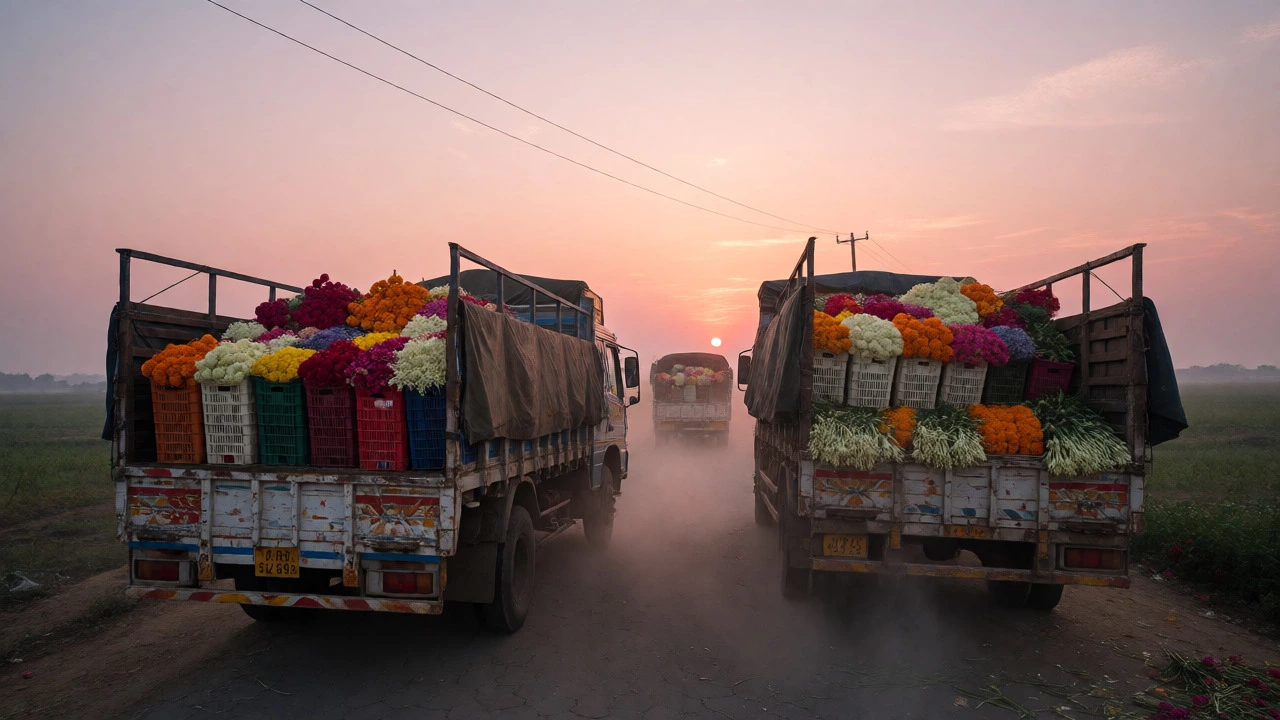
The market operates on a model that combines traditional auction methods with modern supply chain logistics. Unlike retail markets where you haggle over a few stems, this is a wholesale powerhouse. Trucks arrive from neighboring states like Maharashtra, Andhra Pradesh, and Tamil Nadu. They leave loaded with crates destined for Delhi, Hyderabad, and beyond. This connectivity is what cements its status as the largest in Asia.
A Day in the Life of the Market
To understand the scale, you have to look at the timeline. The action starts long before sunrise. By 4:00 AM, the market is already buzzing. Farmers arrive with produce harvested late the previous night or early morning. The goal is speed. Flowers are perishable goods; every hour of delay reduces their value and lifespan.
The trading floor is organized by flower type. There are distinct zones for:
- Marigolds: The king of the Indian flower trade, used in daily worship and festivals.
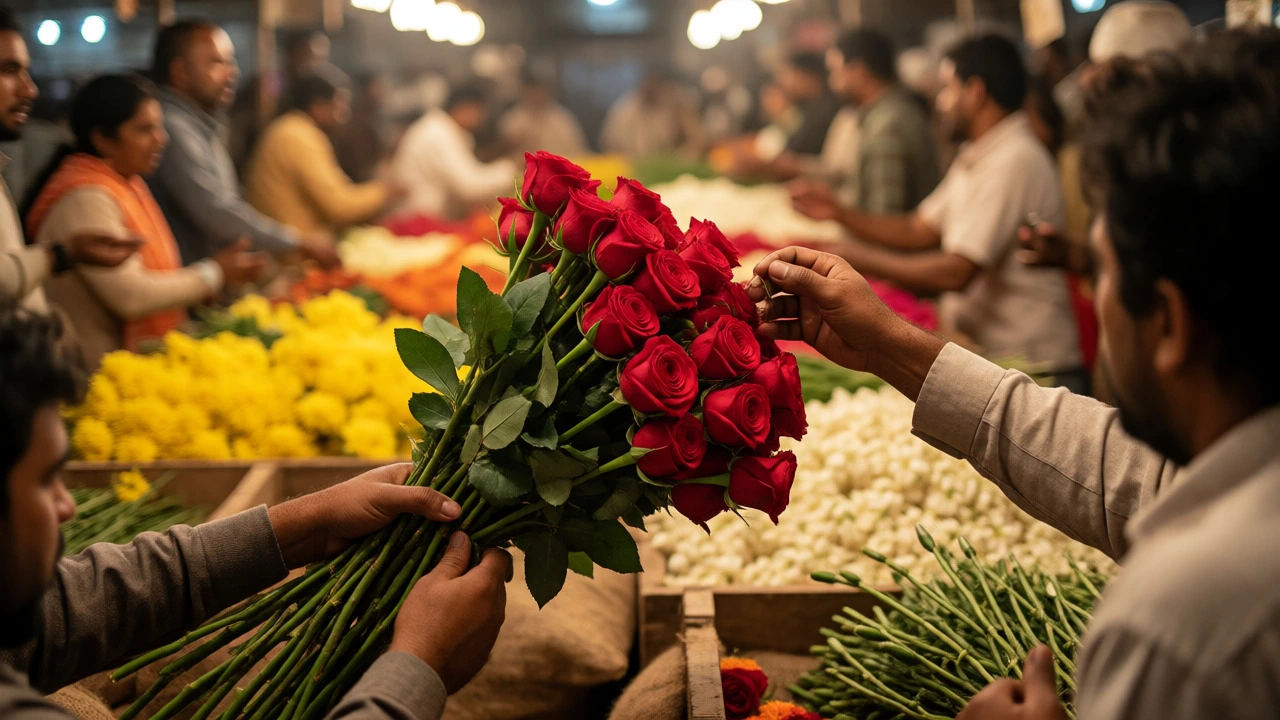
- Roses: Both standard varieties and exotic hybrids for weddings.
- Jasmine and Tuberose: High-value fragrant flowers often bundled into strings.
- Chrysanthemums and Carnations: Popular for corporate events and Western-style bouquets.
Buyers don’t browse leisurely. They move quickly, inspecting bundles, checking stem lengths, and negotiating prices based on weight or bundle count. The noise level is high-shouts of prices, the beep of trucks reversing, and the rustle of thousands of petals create a sensory overload that defines the experience.
The Economic Engine Behind the Petals
Dharwad’s dominance isn’t accidental. It’s supported by a robust ecosystem involving farmers, transporters, laborers, and exporters. The region around Dharwad, including Haveri and Gadag districts, is ideal for floriculture due to its climate and soil conditions. This proximity reduces transport costs and spoilage rates, giving Dharwad a competitive edge over markets located far from production centers.
Consider the numbers. On peak days, especially during festival seasons like Diwali or Ugadi, the market can handle hundreds of tonnes of flowers. This volume supports thousands of livelihoods. For many smallholder farmers, access to this market means financial stability. They know there is a guaranteed buyer base, which encourages them to invest in better cultivation techniques.
| Metric | Details |
|---|---|
| Location | Dharwad, Karnataka, India |
| Primary Flowers Traded | Marigold, Rose, Jasmine, Tuberose, Chrysanthemum |
| Daily Volume (Estimate) | 50-100+ Tonnes (varies by season) |
| Operating Hours | Early Morning (3:00 AM - 9:00 AM) |
| Reach | Pan-India and Export Markets |
How It Compares to Other Major Markets
You might hear mentions of other large markets, such as the Azadpur Mandi in Delhi or the Vashi Market in Mumbai. While these are significant agricultural hubs, their primary focus is broader-vegetables, fruits, and grains. When it comes specifically to floriculture, Dharwad stands apart.
Take Kolkata’s Sealdah flower market, for instance. It’s huge and culturally vital for East India, but it lacks the pan-Indian distribution network that Dharwad boasts. Similarly, while Bangalore has a growing flower market near Hoskote, it largely serves the immediate metropolitan area. Dharwad feeds the entire subcontinent.
Here’s a quick comparison to help visualize the differences:
| Market Name | Location | Primary Focus | Scale Advantage |
|---|---|---|---|
| Dharwad Mandi | Karnataka | Wholesale Floriculture | Largest volume & national distribution |
| Azadpur Mandi | Delhi | All Agri-produce | Highest total tonnage (all categories) |
| Vashi Market | Mumbai | All Agri-produce | Serves West India & Exports |
| Sealdah Market | Kolkata | Regional Distribution | Cultural hub for East India |
Challenges Facing the Giant
No system is perfect, and Dharwad faces its own set of hurdles. Post-harvest losses remain a critical issue. Despite improvements, a significant percentage of flowers wilt before reaching the end consumer. This is due to gaps in cold chain infrastructure. While major buyers use refrigerated trucks, smaller traders still rely on open vehicles, exposing delicate blooms to heat and dust.
Another challenge is price volatility. Because the market relies heavily on supply and demand fluctuations, prices can swing wildly. A sudden rainstorm in Karnataka can destroy crops, causing prices to spike overnight. Conversely, a bumper crop can lead to distress sales, where farmers sell below cost just to clear inventory.
Furthermore, competition is rising. States like Tamil Nadu and Uttar Pradesh are developing their own specialized flower clusters. While they haven’t yet matched Dharwad’s volume, they are chipping away at its monopoly by offering fresher stock to regional buyers who previously had to travel to Karnataka.
Visiting Tips for Gardeners and Buyers
If you’re a serious gardener, florist, or just curious about horticulture, visiting Dharwad is an eye-opener. But timing is everything. Arriving at noon will get you little more than empty crates and cleaning crews.
- Go Early: Aim to be there by 5:00 AM. This is when the auctions are most active.
- Dress Practically: Wear comfortable shoes. You’ll be walking on uneven ground, potentially covered in mud and petal debris.
- Bargain Smartly: If buying in bulk, negotiate based on quality and quantity. Sellers respect knowledgeable buyers.
- Check for Freshness: Look for tight buds and firm stems. Avoid bundles with brown edges or slimy stems.
For those interested in starting a business, consider sourcing directly from farmers’ cooperatives linked to the mandi. This cuts out middlemen and ensures better margins. Many startups in the online flower delivery space now source directly from Dharwad to guarantee freshness for customers in metros like Bengaluru and Pune.
The Future of Floral Trade in India
The story of Dharwad is also the story of India’s evolving agricultural landscape. As domestic consumption rises-driven by weddings, religious festivals, and a growing trend of using flowers for home decor-the demand for structured, reliable supply chains grows too.
We are seeing a shift towards contract farming, where exporters agree to buy fixed quantities from specific farms. This stabilizes income for farmers and guarantees quality for buyers. Additionally, digital platforms are beginning to integrate with the physical market, allowing remote bidding and tracking of shipments. These tech-driven changes could solidify Dharwad’s position as not just the largest, but the most efficient flower market in Asia.
Is Dharwad really the largest flower market in Asia?
Yes, in terms of dedicated floriculture volume and wholesale distribution reach within India, Dharwad is widely considered the largest. While some general agricultural markets in China or Thailand may handle higher total tonnage of all produce, Dharwad specializes specifically in flowers and dominates the South Asian trade network.
What time should I visit the Dharwad flower market?
The best time to visit is between 4:00 AM and 8:00 AM. Trading activity peaks in the early morning hours. By 10:00 AM, most of the day's stock has been sold and dispatched, leaving only leftovers or unsold inventory.
Can tourists buy flowers at Dharwad Mandi?
Yes, tourists can visit and buy flowers. However, the market is primarily a wholesale hub. If you are buying small quantities, you might need to negotiate harder or wait until later in the morning when sellers are less busy with bulk orders. Prices for retail buyers may differ from wholesale rates.
Which flowers are most commonly traded in Dharwad?
Marigolds are the most traded flower due to their widespread use in religious ceremonies and festivals. Roses, jasmines, tuberose, and chrysanthemums are also major commodities. The variety available depends on the season, with marigolds dominating year-round and seasonal blooms peaking during specific festivals.
How do flowers reach cities from Dharwad?
Flowers are transported via a network of private and commercial trucking services. Many use refrigerated vans for longer distances to maintain freshness. Local distributors then break down these bulk loads into smaller lots for city-level retailers and florists.