Compost Ratio Calculator
Enter Your Ingredients
Input amounts of greens and browns to calculate your compost ratio
Compost Ratio Guide
Ideal compost mix is 2-3 parts browns to 1 part greens
Why this ratio?
A 30:1 carbon-to-nitrogen ratio is ideal for microbial activity. Too many greens cause odors, too many browns slow decomposition.
Common Materials
- Vegetable scraps Green (15:1 C:N)
- Dry leaves Brown (60:1 C:N)
- Coffee grounds Green (20:1 C:N)
- Shredded cardboard Brown (450:1 C:N)
Results
Enter your ingredients to see the compost ratio
best compost mixture is the secret to turning food scraps and yard waste into garden gold. A proper compost mixture balances nitrogen-rich greens and carbon-rich browns, creating nutrient-rich soil without smells or pests. Without this balance, your compost pile turns into a slimy mess instead of healthy soil.
Understanding Greens and Browns
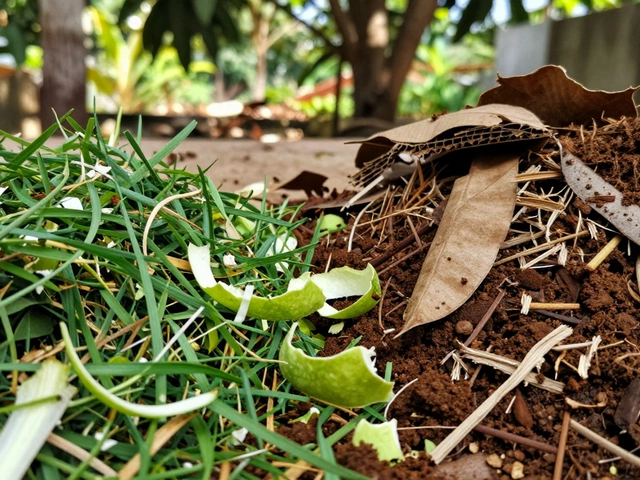
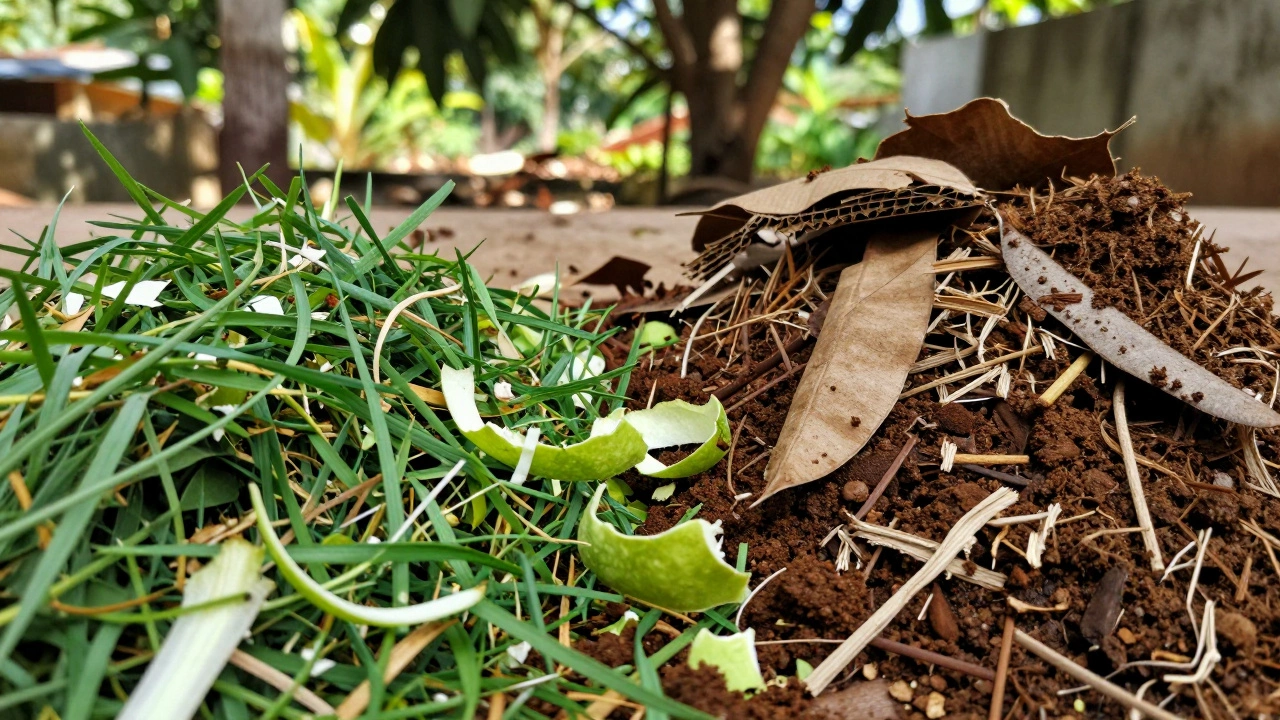
Every successful compost pile starts with two key ingredients: greens and browns. Greens are nitrogen-rich materials that decompose quickly. They include vegetable scraps, coffee grounds, and fresh grass clippings. Browns are carbon-rich materials that break down slower. Think dried leaves, shredded cardboard, and straw. The magic happens when you mix them in the right ratio.
| Material | Type | C:N Ratio | Notes |
|---|---|---|---|
| Coffee grounds | Green | 20:1 | High nitrogen; speeds up decomposition |
| Dry leaves | Brown | 60:1 | Abundant in autumn; slow to break down |
| Vegetable scraps | Green | 15:1 | Chop into small pieces for faster results |
| Shredded cardboard | Brown | 450:1 | Remove plastic tape; use plain brown cardboard |
| Grass clippings | Green | 15:1 | Dry before adding to prevent matting |
Getting the Ratio Right
The ideal compost mixture follows a simple rule: 2-3 parts browns to 1 part greens by volume. This matches the carbon-to-nitrogen ratio of about 30:1, which microbes love. Too many greens? Your pile smells like rotten eggs. Too many browns? It won’t heat up. In Manchester gardens, I’ve seen gardeners fix smelly compost by adding dry leaves or shredded newspaper. For dry compost, a sprinkle of water and fresh vegetable scraps works wonders.
Here’s a quick way to measure:
- Fill a bucket with browns until it’s two-thirds full
- Add greens until the bucket is full
- Stir gently to mix
Don’t overcomplicate it. If your compost looks like damp chocolate cake, you’re on track. If it’s slimy or dusty, adjust your mix.
Step-by-Step Mixing Guide
Building a good compost pile isn’t rocket science. Follow these steps:
- Collect materials: Gather greens from your kitchen (fruit peels, coffee grounds) and browns from your yard (leaves, twigs) or home (shredded paper, cardboard).
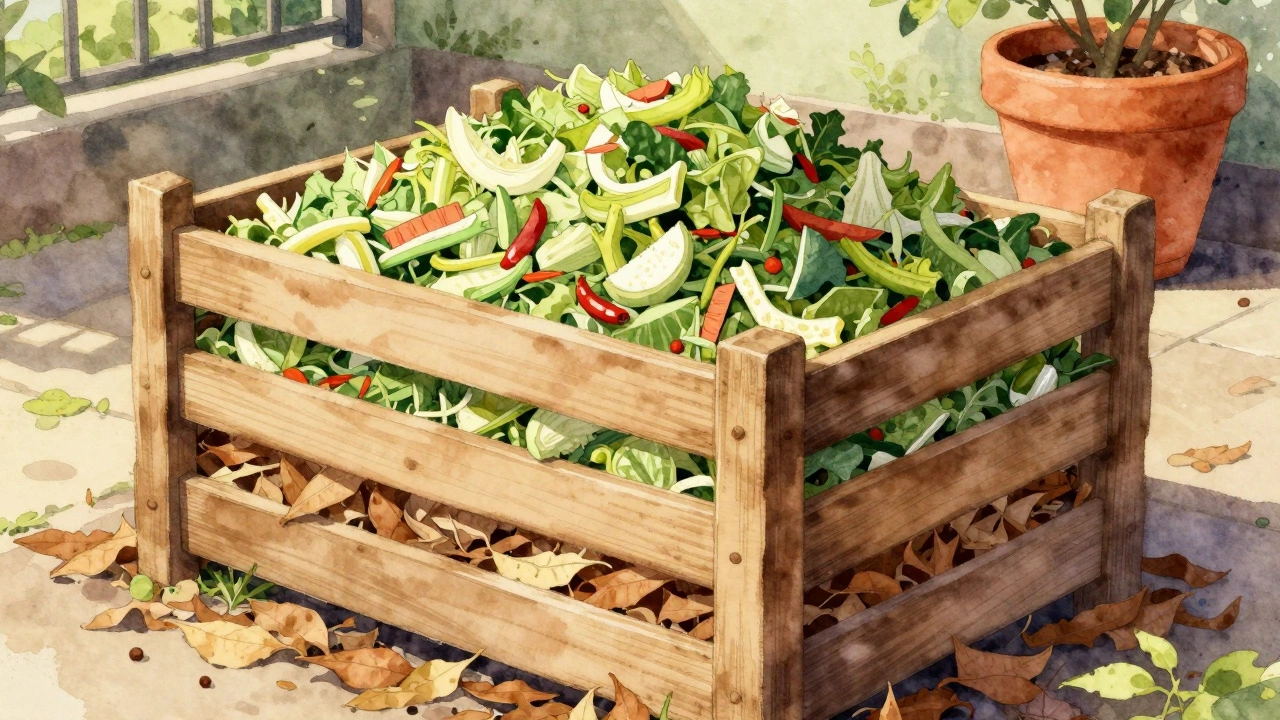
- Layer them: Start with a 4-inch layer of browns at the bottom of your bin. Add a 2-inch layer of greens on top. Repeat until the bin is full.
- Moisten: Water the pile until it feels like a damp sponge. Too dry? Add water. Too wet? Mix in more browns.
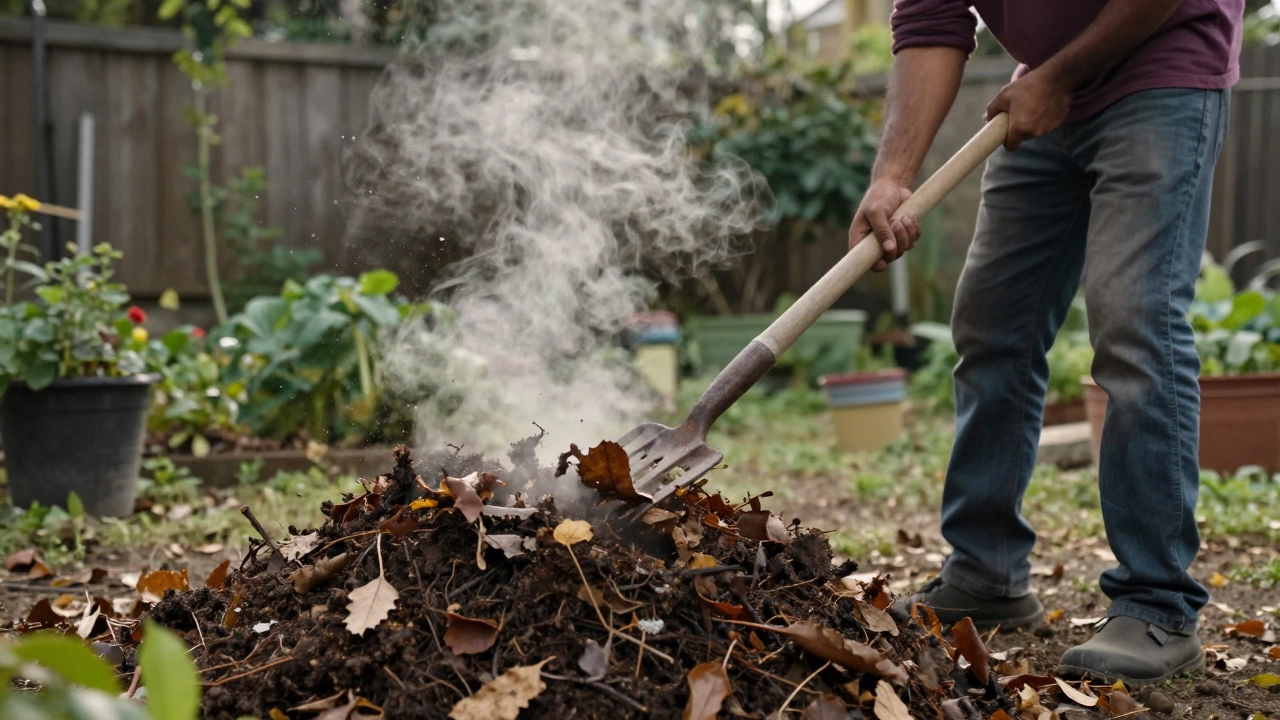
- Turn regularly: Every 7-10 days, use a pitchfork to mix the pile. This adds oxygen, which speeds up decomposition.
In UK gardens, using a tumbler bin makes turning easier. If you have a small space, a sealed compost bin works too. Just remember: always cover food scraps with browns to keep flies away.
Common Mistakes to Avoid
Even experienced gardeners mess up sometimes. Here’s what not to do:
- Adding meat or dairy: These attract rats and create odors. Stick to plant-based scraps only.
- Piling grass clippings too thick: Wet grass clippings mat together and suffocate the pile. Dry them first or mix with dry leaves.
- Ignoring moisture: Compost needs consistent dampness. In dry summers, water it weekly. In rainy winters, cover it with a tarp.
- Forgetting browns: Kitchen scraps alone will turn into a stinky sludge. Always balance them with dry materials.
I once saw a compost pile in Salford that smelled like sewage. The fix? Just add 50% more shredded cardboard. It turned around in two weeks.
Troubleshooting Your Compost
Problems? Here’s how to fix them:
- Smelly compost: Add more browns (dry leaves or cardboard) and turn the pile. This adds oxygen and absorbs excess moisture.
- Compost not heating up: Mix in fresh greens (like vegetable scraps) and check moisture. Cold piles often need more nitrogen.
- Slow decomposition: Chop materials into smaller pieces. Smaller pieces break down faster. Also, turn the pile more often.
- Flies or pests: Bury food scraps under browns and cover the pile. Use a bin with a tight lid.
For cold weather composting in the UK, insulate your bin with straw or old blankets. This keeps heat in and speeds up the process.
FAQs
Can I compost citrus peels?
Yes, but in moderation. Citrus peels are acidic and can slow decomposition if added in large amounts. Chop them finely and mix with browns. A few peels per week won’t hurt.
How long does compost take to mature?
It varies. With good mixing and turning, compost can be ready in 2-3 months. Without active maintenance, it might take 6-12 months. Mature compost is dark, crumbly, and smells like earth.
Can I use compost in my vegetable garden right away?
For most vegetables, yes. But for seedlings or sensitive plants, wait until it’s fully mature. Unfinished compost can contain acids or pathogens that harm young plants.
What’s the difference between compost and mulch?
Compost is decomposed organic matter mixed into soil to feed plants. Mulch is a layer of material (like wood chips or straw) placed on top of soil to prevent weeds and retain moisture. You can use compost as mulch, but not all mulch is compost.
Do I need a special bin for composting?
Not necessarily. You can compost in an open pile, a simple wooden bin, or even a plastic container. The key is airflow and moisture control. For small spaces, a sealed tumbler bin works best.
Quick Checklist for Success
- ✅ Greens: kitchen scraps, coffee grounds, fresh grass clippings
- ✅ Browns: dry leaves, shredded paper, cardboard
- ✅ Ratio: 2-3 parts browns to 1 part greens
- ✅ Moisture: damp like a sponge
- ✅ Turning: every 7-10 days
- ❌ Avoid: meat, dairy, oily foods, plastic