Year-Round Kitchen Garden Planner
Step 1: Your Environment
Care Strategy for Your Region
Success Probability
Select your details and click "Generate My Plan" to see which plants work best for your home.
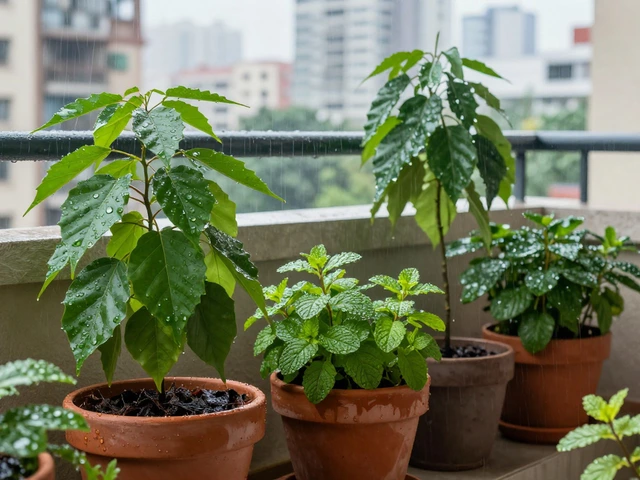
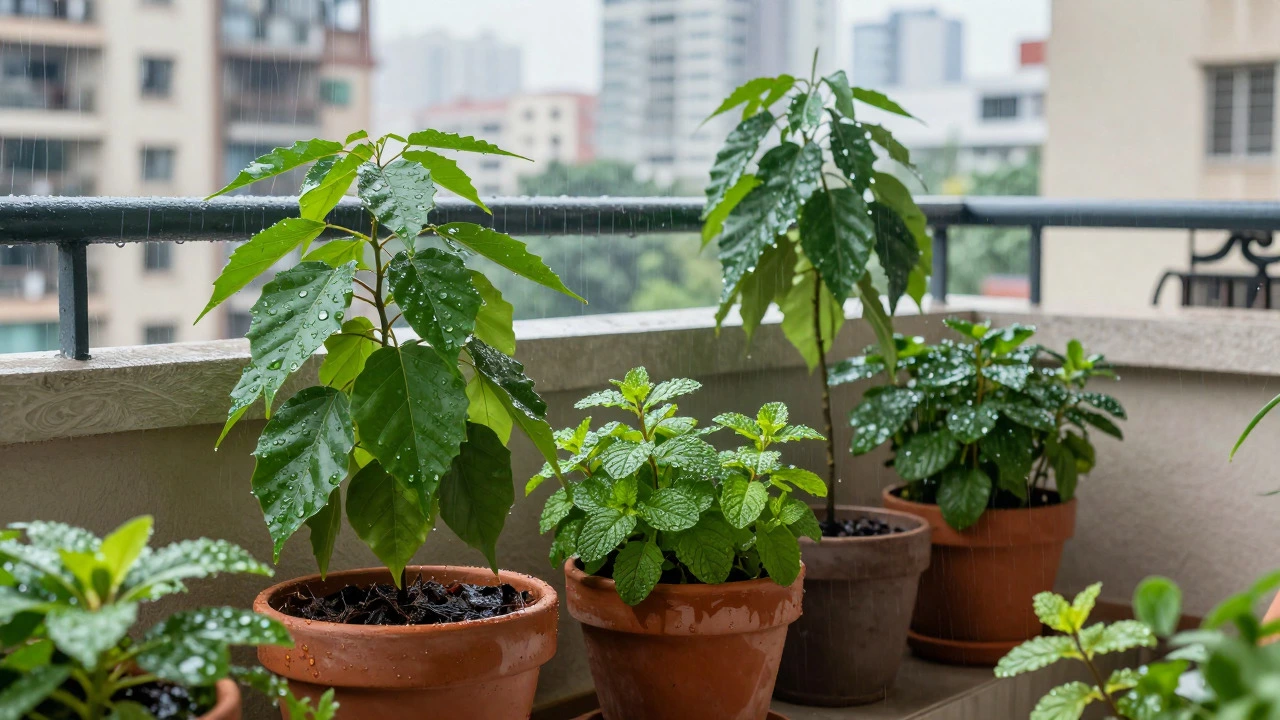
It is July 31, 2026. You are standing in your kitchen in Mumbai, Bangalore, or Delhi, looking at the empty patch of soil on your balcony or terrace. The monsoon rains have just passed, leaving the air thick and humid. You want fresh coriander for tonight's curry, but you know that buying it from the market means paying triple the price and getting wilted leaves. You ask yourself: what plant can survive this heat, the upcoming winter chill, and keep producing without failing?
The truth is, there is no single magic bullet. However, there is a specific group of hardy, resilient plants that thrive across India’s diverse climatic zones when given the right care. These are not just decorative; they are productive workhorses that feed you and beautify your space simultaneously.
Why Most Gardeners Fail with Year-Round Growing
Most people try to grow tomatoes or cucumbers year-round and get frustrated when they stop producing after two months. This happens because these are seasonal crops. They have a finite life cycle. To achieve true year-round harvests, you need to shift your mindset from seasonal crops to perennial and semi-perennial plants.
In India, the challenge isn't just temperature; it's humidity and light intensity. A plant that thrives in the dry heat of Rajasthan might rot in the humid winters of Kerala. Therefore, the "best" plant depends slightly on your specific region, but several champions perform well nationwide.
The Undisputed Champion: Curry Leaves (Murraya koenigii)
If you could only choose one plant for an Indian kitchen garden, make it the Curry Leaf Tree. It is the backbone of South Indian cuisine and increasingly popular across the country. Unlike annual herbs like coriander, which die after flowering, the curry leaf plant is a woody shrub that can live for decades.
| Attribute | Value/Requirement |
|---|---|
| Light Requirement | Full sun (6-8 hours direct sunlight) |
| Watering | Moderate; allow soil to dry between waterings |
| Soil Type | Well-draining loamy soil |
| Growth Rate | Fast; can reach 3-4 feet in first year |
| Pest Resistance | High; occasional whitefly issues |
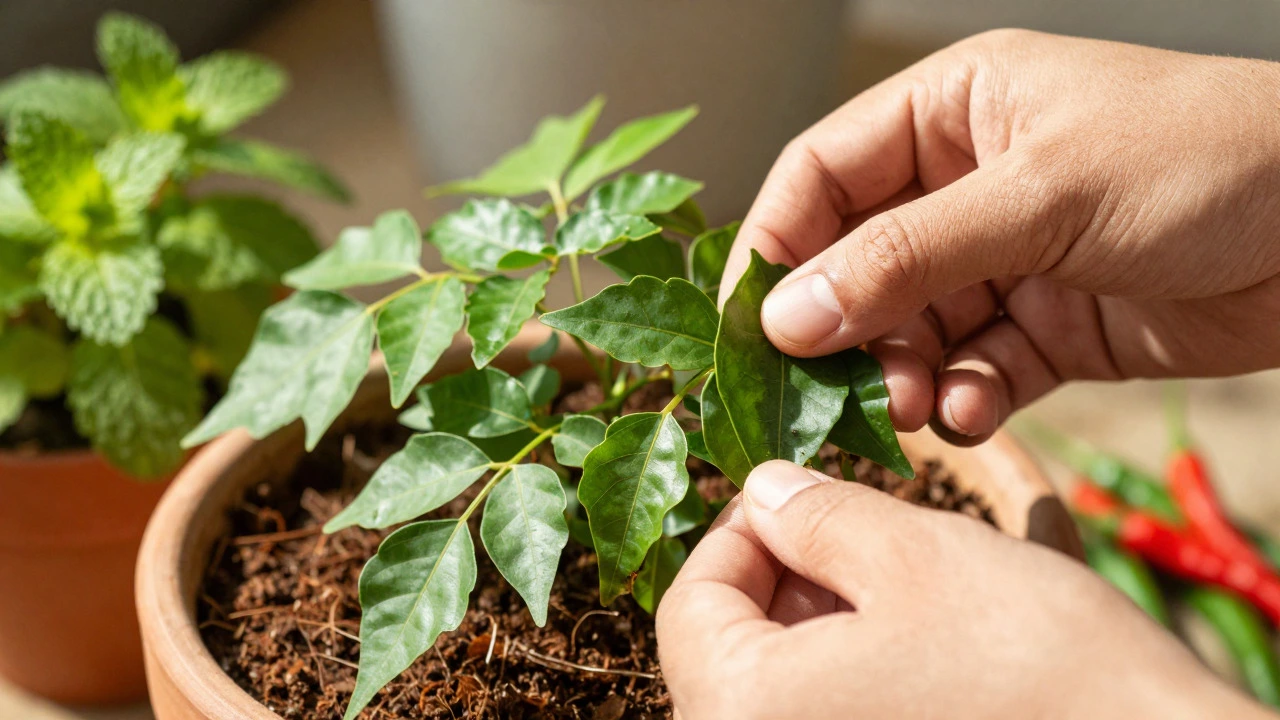
The key to success here is pruning. If you let it grow wild, it becomes leggy. Prune it back by half every three months. This encourages bushier growth and more leaves. Harvest from the bottom up, never strip the top shoots entirely. With proper care, you will pick fresh leaves daily for over ten years.
The Humidity Warrior: Mint (Mentha arvensis)
Mint is aggressive, fast-growing, and nearly indestructible. In India, we use it in chutneys, teas, and desserts. The local variety, Mentha arvensis, handles the Indian summer better than the European peppermint. It thrives in partial shade, making it perfect for north-facing balconies where full sun scorches other plants.
Plant mint in containers, not directly in the ground. Its root system spreads rapidly and will choke out neighboring plants. Water it frequently during the peak summer months (April-June), as it has shallow roots that dry out quickly. During the monsoon, reduce watering to prevent root rot. Cut the stems back regularly to encourage new growth. You will never run out of fresh mint again.
The Winter Bridge: Spinach and Malabar Spinach
Regular spinach (Beta vulgaris) is a cool-season crop. It bolts (flowers and dies) in the intense heat of May and June. So, how do you get greens year-round? You swap varieties based on the season.
From October to March, grow regular spinach or palak. From April to September, switch to Malabar Spinach (Basella alba). This is a tropical vine that loves heat and humidity. It produces tender, succulent leaves that taste similar to regular spinach but are more robust. Train it on a trellis or let it trail from a hanging pot. It grows vigorously in the monsoon and continues into early winter until the frost hits in northern states.
The Flavor Powerhouse: Chilli Peppers (Capsicum annuum)
Chilli plants are semi-perennials. In many parts of India, farmers treat them as annuals, pulling them out after one harvest. But if you protect them from extreme cold and provide consistent moisture, they will produce for 18-24 months. Start with a compact variety like 'Byadgi' or 'Guntur Sannam'.
Place them in a sunny spot. Feed them with potassium-rich fertilizer once a month to boost fruit production. Pinch off the first few flowers to encourage the plant to establish a strong root system before bearing fruit. Once they start producing, they will give you small batches of green chillies continuously. When the weather turns very cold in December-January in North India, move potted plants indoors or cover them with gunny bags at night.
The Medicinal Staple: Tulsi (Ocimum sanctum)
Tulsi, or Holy Basil, is more than a plant; it is a cultural staple. It is incredibly hardy and resistant to pests. It grows well in pots and prefers morning sun. Unlike other basil varieties, Tulsi does not bolt easily in hot weather. It produces aromatic leaves year-round, with a slight dip in production during the harshest summer weeks.
Harvest the top pairs of leaves regularly. This prevents the plant from becoming too tall and woody. Add a handful of compost to the pot every three months to replenish nutrients. Tulsi also acts as a natural pest deterrent for nearby plants due to its strong scent.
Regional Adjustments for Success
India’s geography is vast. What works in Kochi may fail in Chandigarh. Here is how to adjust:
- Northern India (Delhi, Punjab): Focus on container gardening. Move pots indoors or to sheltered areas during January freezes. Use mulch to retain soil moisture in summer.
- Southern India (Kerala, Tamil Nadu): Heat and humidity are constant. Ensure excellent drainage to prevent fungal diseases. Shade nets can help protect sensitive plants from midday scorch.
- Western India (Maharashtra, Gujarat): Dry winds can desiccate plants. Water more frequently in summer. Windbreaks using bamboo stakes can protect delicate foliage.
- Eastern India (West Bengal, Odisha): Heavy monsoons require raised beds or elevated pots to prevent waterlogging. Choose disease-resistant varieties.
Common Mistakes to Avoid
Even with the best plants, poor practices lead to failure. Avoid these pitfalls:
- Overwatering: Most indoor and balcony plants die from too much water, not too little. Check the soil moisture with your finger before watering.
- Poor Drainage: Always use pots with drainage holes. Add gravel or broken pottery shards at the bottom to improve flow.
- Lack of Sunlight: Vegetables and herbs need at least 4-6 hours of direct sunlight. If your balcony is shaded, stick to leafy greens like lettuce and mint, which tolerate lower light.
- No Soil Refreshment: Potted soil loses nutrients over time. Replace the top inch of soil every six months with fresh compost.
Getting Started: Your First Month Plan
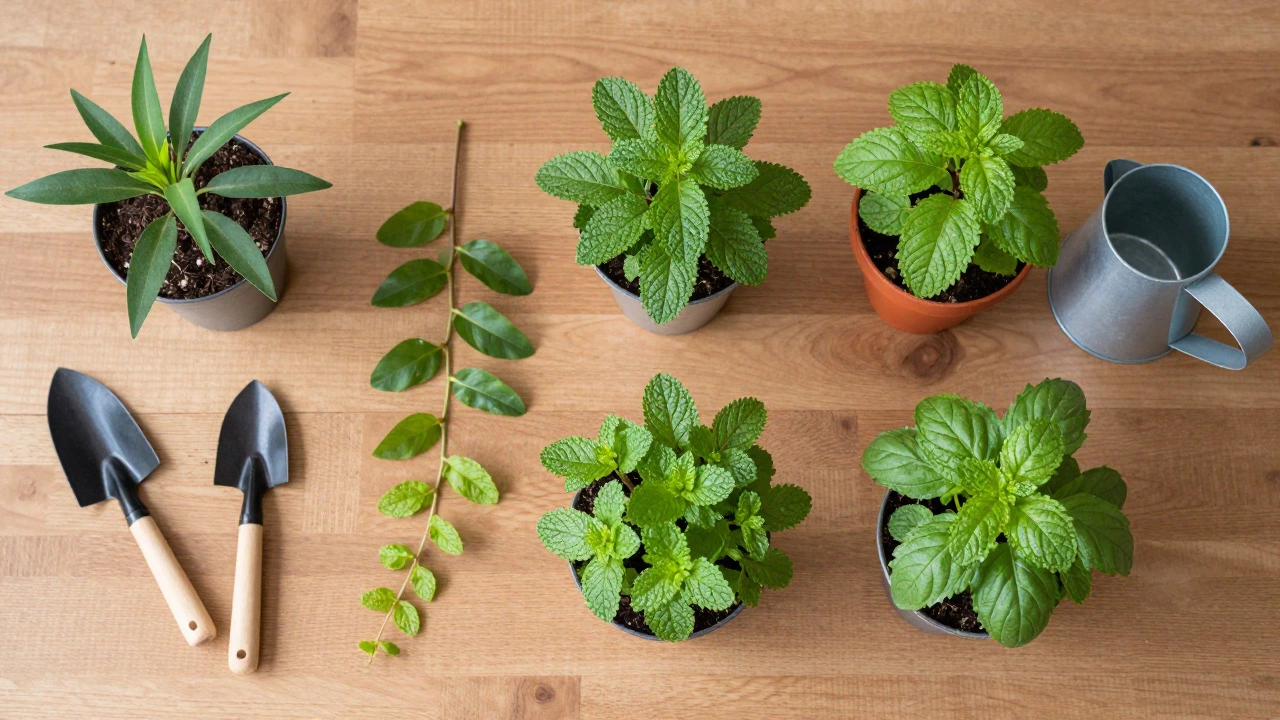
Don’t buy everything at once. Start small. Buy two curry leaf saplings, one mint cutting, and one tulsi plant. Place them in 12-inch pots with a mix of garden soil, cocopeat, and compost. Water them consistently. Observe how they react to your local microclimate. After a month, add chilli plants and malabar spinach. This gradual approach helps you learn without overwhelming yourself or wasting money on plants that might not suit your space.
Can I grow tomatoes year-round in India?
Not easily. Tomatoes are highly sensitive to temperature extremes. While hybrid varieties exist that tolerate heat better, most tomato plants will struggle and produce poorly during the peak summer months (May-June) and severe winter frosts in the north. For continuous supply, stagger your planting every 4-6 weeks instead of relying on a single plant year-round.
What is the best soil mix for year-round potted plants?
A balanced mix of 40% garden soil, 40% cocopeat (for moisture retention), and 20% well-aged cow dung compost works best. This combination provides structure, aeration, and slow-release nutrients. Add perlite if drainage is a concern in heavy clay soils.
How often should I fertilize my kitchen garden?
For potted plants, apply organic liquid fertilizer every two weeks during the growing season (spring and autumn). Reduce frequency in summer and winter. Top-dress with solid compost every three months to replenish soil health.
Do I need full sun for all these plants?
No. Curry leaves and chillies need full sun (6+ hours). Mint and tulsi can tolerate partial shade (3-4 hours). Leafy greens like spinach and malabar spinach actually prefer cooler, indirect light in summer to prevent bolting.
Which plants are best for beginners in India?
Start with mint, tulsi, and curry leaves. They are forgiving, low-maintenance, and provide immediate culinary value. Once you master their care, move on to chillies and tomatoes, which require more attention to watering and pest management.