Indian Summer Garden Planner
Recommendations
Select options and click "Get Recommendations" to see the best plants for your specific climate conditions.
It is May in India. The sun is already beating down with relentless intensity, turning soil dry and leaves brittle within hours. If you are looking to start a garden now, or even just maintain one through the peak of the season, you might feel like you are fighting a losing battle against nature. Most tropical plants go into shock when temperatures cross 35°C (95°F), let alone the 40°C+ (104°F+) spikes common in northern and central regions.
But here is the good news: there are plants that don’t just survive the Indian summer-they thrive. These aren't just tough; they are productive, beautiful, and often require less water than their spring counterparts once established. Choosing the right summer plants isn't about finding the hardest survivor; it's about matching specific species to your microclimate, whether you are in the humid south or the arid west.
Vegetables That Love the Heat
When people think of gardening in summer, they usually worry about wilting lettuce and bitter cucumbers. You are right to avoid those. Cool-season crops bolt or die quickly under high UV exposure. Instead, focus on heat-loving vegetables that actually need warmth to develop flavor and yield.
| Plant Name | Key Benefit | Water Needs | Days to Harvest |
|---|---|---|---|
| Bottle Gourd (Lauki) | Extremely drought-tolerant once rooted | Moderate | 60-70 days |
| Bitter Gourd (Karela) | Thrives in humidity and heat | High | 50-60 days |
| Okra (Bhindi) | Fast-growing, pest-resistant | Moderate | 50-60 days |
| Chili Peppers | Produces more fruit in heat | Moderate | 60-90 days |
| Spinach (Palak - Summer Varieties) | Heat-tolerant leafy green option | High | 30-40 days |
Bottle Gourd (Lauki) is the undisputed champion of Indian summer gardens. It is incredibly forgiving. Even if you forget to water it for a day or two, it will bounce back. Its long vines provide shade for other plants if grown vertically, creating a natural cooling effect in your garden bed. For best results, plant them near a fence or trellis. They produce large, hydrating fruits that are perfect for soups and curries during the hottest months.
Bitter Gourd (Karela) is a vine that loves the sticky, hot air of the monsoon-prelude. Unlike many vegetables that rot in humidity, Karela thrives. It requires consistent moisture, so mulching heavily around the base is non-negotiable. The trick here is not to let the soil dry out completely between watering sessions. If you live in Rajasthan or Gujarat where humidity is low but heat is extreme, you might find Okra easier to manage.
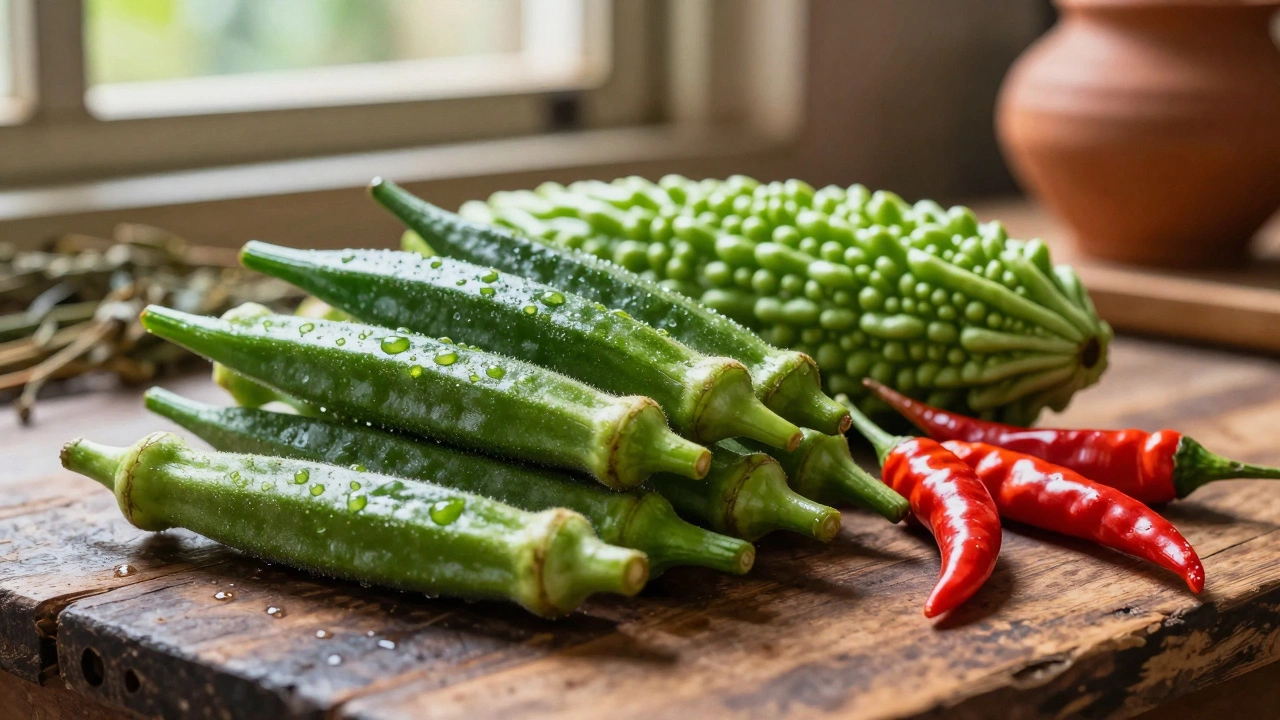
Okra (Bhindi) is a staple summer vegetable that produces continuously. Start harvesting pods when they are small (2-3 inches) to encourage more production. If you leave them too long, they become woody and stop producing new flowers. Okra is also relatively pest-free compared to other greens, which reduces the stress on your garden during a time when insect populations explode.
Flowers That Bloom Through the Scorch
Flowers add beauty, but in summer, they also serve a functional purpose: they attract pollinators. Bees and butterflies are active year-round in India, but their presence drops if there’s no nectar source. Heat-tolerant flowers keep your ecosystem alive.
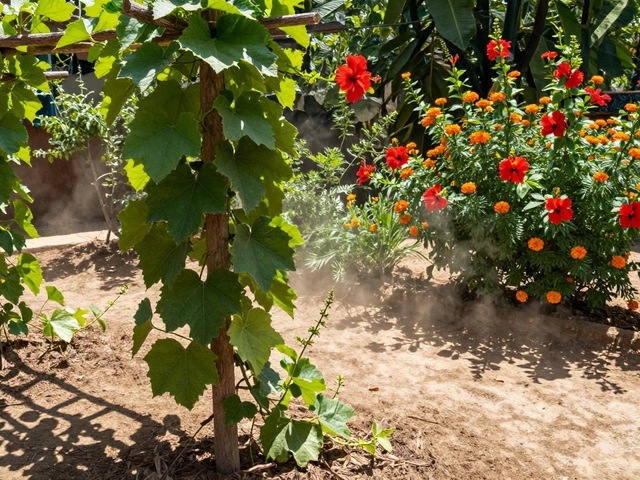
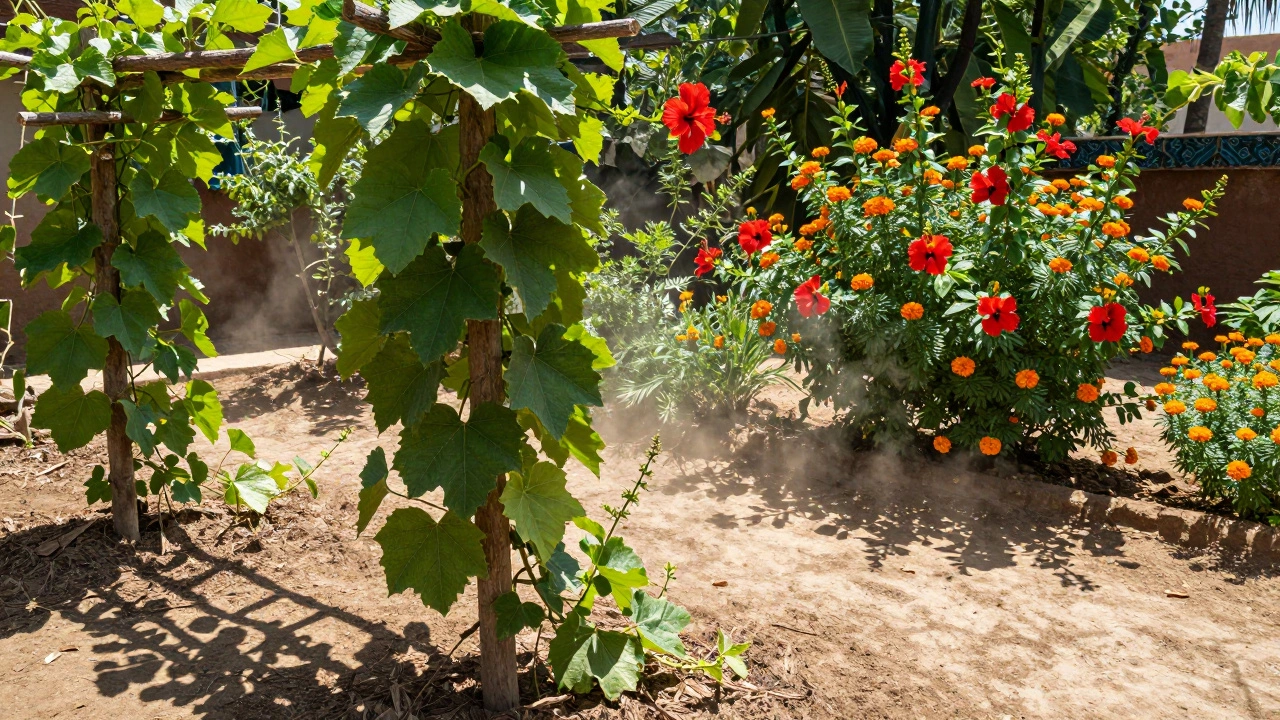
- Hibiscus is a classic Indian shrub that blooms almost daily in summer. It needs full sun and regular pruning to keep its shape. The red varieties are particularly hardy and can handle salt spray if you live near the coast.
- Marigold (Genda) is not just decorative but a natural pest repellent. Plant marigolds alongside your vegetables. Their strong scent confuses pests like aphids and whiteflies. They self-seed easily, so you’ll likely get free plants next season.
- Zinnia is a fast-growing annual that tolerates poor soil and heat. Zinnias come in vibrant colors and bloom from mid-summer until the first frost. They are cut-flower favorites because they last weeks in a vase.
- Portulaca (Sun Rose) is a succulent-like ground cover that opens only in bright sun. This is the ultimate low-maintenance flower. It closes at night and reopens in the morning, requiring very little water. Perfect for rock gardens or filling gaps between pavers.
Avoid planting delicate roses or lilies in direct afternoon sun unless you have a mature irrigation system. Many popular ornamental roses enter dormancy or suffer from fungal diseases in the humid summer heat. Stick to native or adapted species like Hibiscus and Marigold for reliable performance.
Herbs for the Hot Kitchen
Most herbs are Mediterranean natives, meaning they prefer cooler climates. However, some herbs are perfectly adapted to Indian conditions and actually improve in flavor when stressed by heat.
- Turmeric is a rhizome that grows underground, protecting it from surface heat. Plant turmeric rhizomes in loose, well-draining soil. Keep the top layer moist but not soggy. The leaves will grow tall and broad, providing a lush look while the valuable root develops below.
- Cilantro (Coriander) is tricky in summer but possible with shade. Standard cilantro bolts (goes to seed) quickly in heat. Look for slow-bolt varieties or plant them in partial shade. Water deeply every other day. Harvest leaves frequently to delay flowering.
- Mint is an aggressive grower that handles heat well if kept moist. Mint prefers slightly cooler roots, so mulch heavily. It spreads rapidly, so plant it in containers to prevent it from taking over your entire garden.
- Curry Leaves is a perennial shrub essential for South Indian cooking. Once established, curry leaf plants are extremely drought-tolerant. They prefer full sun and well-drained soil. Prune regularly to keep them bushy and productive.
Critical Care Tips for Summer Gardening in India
Choosing the right plant is only half the battle. How you care for them determines survival. Here are the non-negotiable rules for summer gardening in India.
1. Water Timing Matters More Than Amount
Never water in the middle of the day. The sun is so intense that water evaporates before it reaches the roots, and droplets on leaves can act as magnifying glasses, burning the foliage. Water early in the morning (6-8 AM) or late evening (after 6 PM). Deep watering encourages roots to grow deeper into cooler soil layers, making plants more resilient.
2. Mulch Like Your Garden Depends on It
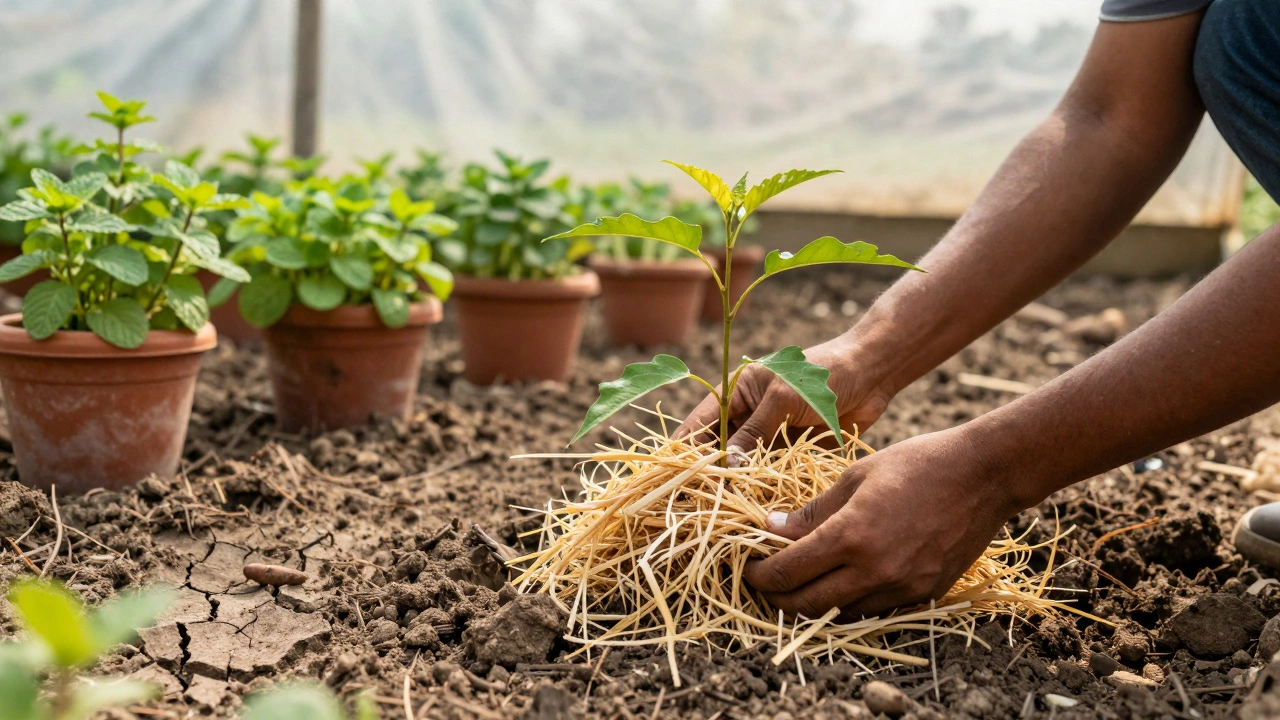
Mulch is not optional in Indian summers. Apply a 2-3 inch layer of organic mulch-dry leaves, straw, coconut coir, or wood chips-around the base of every plant. Mulch keeps soil temperature stable, retains moisture, and suppresses weeds that compete for limited resources. Replenish mulch every few weeks as it decomposes.
3. Shade Cloth for Sensitive Plants
If you must grow something sensitive like tomatoes or certain leafy greens, use 30-50% shade cloth. Install it overhead, not just on one side, to diffuse harsh sunlight. This simple investment can save your harvest during heatwaves. Tomatoes, for example, drop flowers if temperatures exceed 35°C consistently. Shade cloth lowers ambient temperature by several degrees.
4. Soil Health Check
Summer drains nutrients quickly due to rapid plant growth and microbial activity. Test your soil pH if possible. Most Indian soils are alkaline; adding compost or neem cake helps balance it. Avoid synthetic fertilizers in peak heat as they can burn roots. Organic matter holds water better and releases nutrients slowly.
Regional Considerations: North vs. South vs. West
India’s climate is not uniform. What works in Kerala may fail in Delhi.
- Northern India (Delhi, Punjab, UP): Extreme dry heat. Focus on drought-tolerant plants like Bottle Gourd, Okra, and Portulaca. Windbreaks are helpful to reduce transpiration.
- Southern India (Tamil Nadu, Kerala, Karnataka): High humidity and heat. Choose disease-resistant varieties. Bitter Gourd, Turmeric, and Curry Leaves thrive here. Ensure good air circulation to prevent fungal issues.
- Western India (Maharashtra, Gujarat, Rajasthan): Arid conditions. Drip irrigation is essential. Succulents like Portulaca and Aloe Vera do well. Use heavy mulching and consider xeriscaping principles.
- Eastern India (West Bengal, Odisha): Humid with early monsoon rains. Drainage is critical. Raised beds help prevent waterlogging. Leafy greens like Spinach (summer varieties) and Amaranth work well.
Common Mistakes to Avoid
I see these errors repeatedly in summer gardens:
- Overwatering: Yes, plants need water, but soggy soil leads to root rot, especially in heat. Let the top inch of soil dry out between waterings.
- Ignoring Pest Pressure: Aphids, whiteflies, and spider mites explode in summer. Inspect undersides of leaves weekly. Neem oil sprays applied in the evening are effective and safe.
- Planting Too Late: Some summer crops need to be sown in April to harvest before the worst heat hits in June-July. Check local agricultural calendars for optimal sowing dates.
- Neglecting Container Plants:** Pots heat up faster than ground soil. Use light-colored pots, double-potting (placing a plastic pot inside a clay one), or bury pots partially in the ground to keep roots cool.
Can I grow tomatoes in summer in India?
Yes, but with caution. Choose heat-tolerant varieties like 'Pusa Ruby' or 'Arka Vishal'. Provide 30-50% shade cloth during peak afternoon sun, water consistently, and ensure excellent drainage. Tomatoes struggle above 35°C, so expect lower yields than in winter.
What is the easiest vegetable to grow in summer?
Bottle Gourd (Lauki) is widely considered the easiest. It is drought-tolerant, pest-resistant, and produces abundant fruit with minimal care. Okra is another close second for beginners.
How often should I water summer plants?
Frequency depends on soil type and container size. Generally, water deeply every 2-3 days for in-ground plants and daily for containers in extreme heat. Always check soil moisture before watering-stick your finger 2 inches deep. If dry, water; if moist, wait.
Are there any flowers that bloom all summer in India?
Hibiscus, Marigold, Zinnia, and Portulaca bloom continuously throughout the summer if deadheaded regularly. They thrive in full sun and heat, providing color when most other flowers fade.
Can I grow mint in summer?
Yes, mint loves summer heat but needs consistent moisture. Plant it in containers to control spread, mulch heavily, and water regularly. It performs best in partial afternoon shade to prevent leaf scorch.
What should I do if my plants are wilting during the day?
Daytime wilting is normal in extreme heat as plants close stomata to conserve water. If they recover by evening, they are fine. If they remain wilted overnight, they need immediate deep watering and possibly shade protection.