UK Indoor Plant Buying Season Guide
Select a season to see buying advice, risk levels, and recommended plants tailored for UK growers.
This is the ideal time to buy almost any houseplant. Plants are waking up from dormancy and have increasing daylight to support new growth.
Why it works:
- ✓ Strong root establishment before summer heat.
- ✓ Visible growth keeps motivation high.
- ✓ Lower pest activity compared to stagnant winter homes.
Recommended Actions:
Repot immediately if roots are circling. Fertilize lightly as new leaves appear.
Long days provide energy, but transport heat and holiday neglect are major risks.
Pros & Cons:
- + Great for acclimating heat-lovers.
- - High risk of heat stress during transit.
- - Holiday schedules disrupt watering routines.
Best Choices:
Choose hardy varieties that tolerate irregular watering.
Sales are attractive (30-50% off), but plants enter dormancy. Repotting now can cause root rot due to reduced water uptake.
Risks:
- - Reduced metabolic activity slows root growth.
- - High humidity + low light = fungal issues.
- - Only experienced growers should repot now.
Suitable For:
Hardy species that can withstand slower growth phases.
Central heating drops humidity below 20%, while tropicals need 50%+. Low light causes leaf drop. Shipping damage is common.
Challenges:
- - Extreme dry air from radiators.
- - Shortest daylight hours of the year.
- - Risk of freezing during online delivery.
Safe Picks:
Stick to resilient beginners or flowering bulbs.
Universal Preparation Checklist
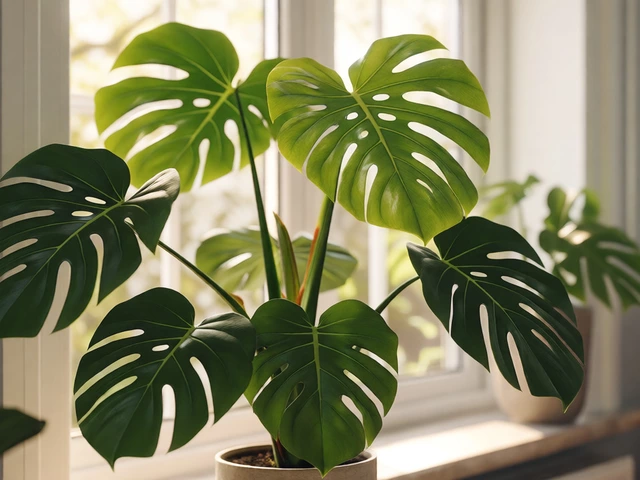
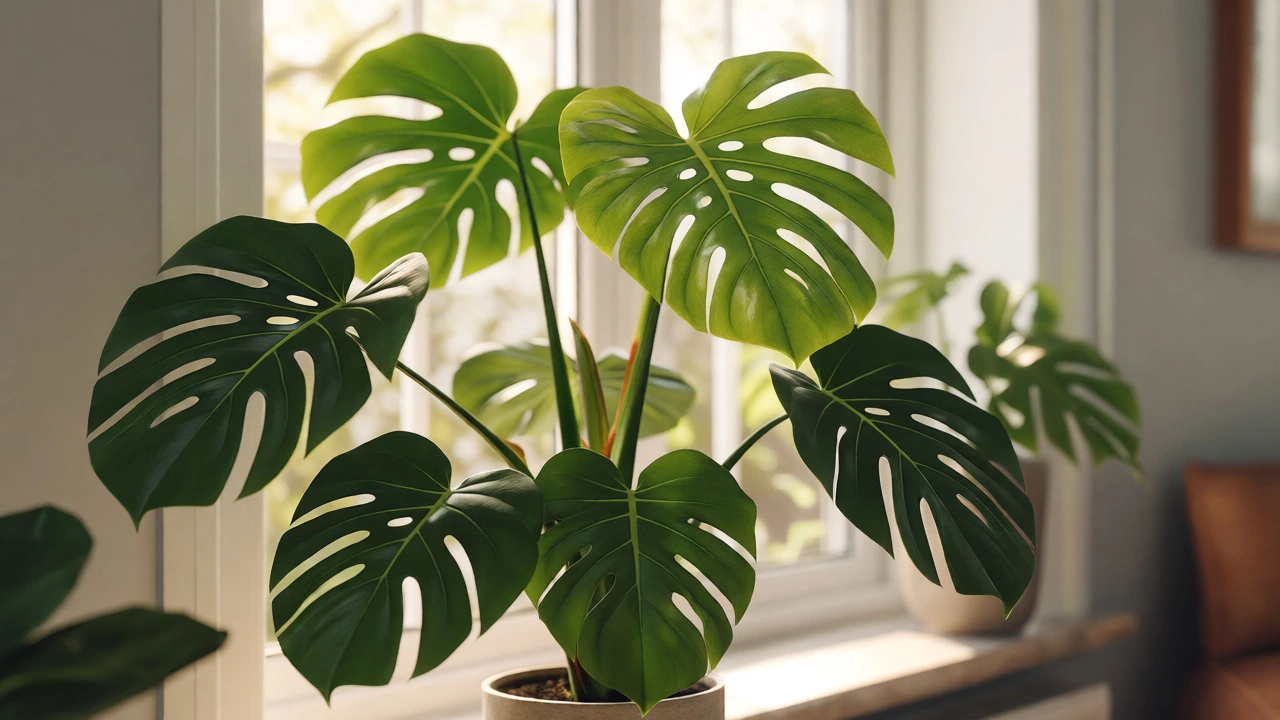
You walk into a garden centre in January, see a lush Monstera deliciosa a popular tropical vine known for its fenestrated leaves, and think, "Perfect." You buy it. Two weeks later, it’s dropping leaves like it’s trying to shed weight before summer. What went wrong? It wasn’t the plant. It was the timing.
Buying indoor plants isn't just about picking something pretty. It’s about aligning your purchase with the plant’s natural growth cycle and your home’s environment. If you want your new green friend to thrive rather than barely survive, you need to know when to shop. Here is the honest truth about seasonal plant buying, specifically tailored for those of us dealing with the grey skies and central heating quirks of the UK.
The Sweet Spot: Why Spring Wins
If there is one golden rule, it’s this: Spring is the best time to buy indoor plants. Specifically, March through May. Why? Because this is when most houseplants wake up from their winter dormancy. They are ready to push out new leaves, send out runners, and establish roots.
When you bring a plant home in spring, you’re giving it months of increasing daylight and warming temperatures to settle in. In Manchester, where I live, the days get noticeably longer by mid-March. That extra light signals to the plant that it’s safe to grow. You avoid the shock of introducing a thirsty, growing organism into a dark, cold home.
- Root Establishment: Plants focus energy on roots first in spring. A strong root system means better resilience later.
- Growth Potential: You’ll see visible progress within weeks, which keeps you motivated.
- Pest Control: Pests like spider mites and fungus gnats are less active in early spring than in stagnant, warm winter homes.
Think of spring as the "new semester" for plants. They are eager to learn (grow) and have plenty of resources (light) to do it.
The Summer Stretch: Good, But Watch Out
Summer is okay, but it comes with caveats. June and July can be great times to buy heat-loving plants like Fiddle Leaf Fig a ficus species prized for its violin-shaped leaves or succulents. The long days provide ample energy for acclimation.
However, summer has two major downsides for buyers:
- Heat Stress: Transporting a delicate fern from a nursery to your car in a 30°C heatwave can cook it. Even short trips matter.
- Holiday Mode: If you travel, who waters the new plant? A newly potted plant needs consistent moisture while its roots adjust. If you’re away for two weeks, you might lose it.
If you must buy in summer, choose hardy varieties. Snake Plants (Sansevieria) and ZZ Plants (Zamioculcas zamiifolia) are forgiving if you forget them for a few days. Avoid high-humidity lovers like Calatheas unless you have a reliable humidifier or someone to watch them.
Autumn: The Bargain Bin Trap
Here is where things get tricky. September and October often bring sales. Garden centres want to clear stock before winter. You see discounts of 30-50%. Tempting? Absolutely. Smart? Not always.
Plants bought in autumn enter a slow-down phase. As daylight hours shrink-noticeably so in the UK after late September-plants reduce metabolic activity. They stop growing. If you repot them immediately, they may rot because they aren’t using the water. If you don’t repot them, they sit in tight pots, stressed, unable to expand roots until spring.
| Season | Plant Health Risk | Price Benefit | Best For |
|---|---|---|---|
| Spring | Low | Medium | All plants, especially beginners |
| Summer | Medium (Heat) | Low | Succulents, Cacti, Hardy vines |
| Autumn | High (Dormancy) | High | Experienced growers, Hardy species |
| Winter | Very High | Variable | Gifts, Holiday decor only |
If you buy in autumn, wait to repot. Keep the plant in its nursery pot until March. Use the savings to buy a nice decorative cache-pot instead. This way, the roots stay contained and dry, reducing rot risk during the dark months.

Winter: The Danger Zone
Unless you are buying a Christmas Cactus or an Amaryllis bulb, try to avoid buying plants between November and February. This is the hardest period for indoor plants in the UK.
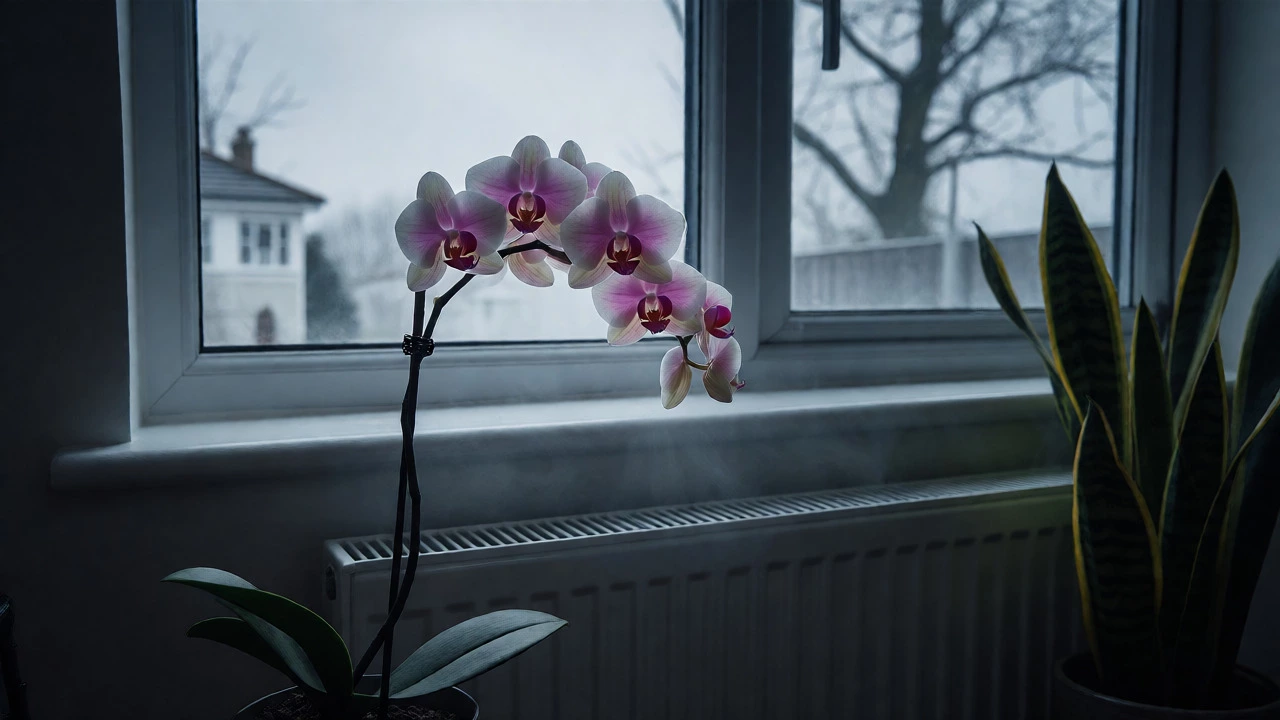
Central heating dries the air drastically. Humidity levels in heated homes can drop below 20%, while tropical plants prefer 50%+. Combine that with low light levels (December days are incredibly short here), and you have a recipe for leaf drop and pest infestations.
Furthermore, shipping stress is real. If you order online, plants can freeze in transit boxes. By the time they arrive, they are damaged. Local garden centres might have stock, but these plants have been sitting in cool, dim shops for months, potentially weakening.
Exception: Orchids. Phalaenopsis Orchids a type of moth orchid commonly sold as gifts actually bloom best in cooler winter conditions. They tolerate lower light better than many foliage plants. So, if you want colour in January, go for an Orchid.
How to Prepare Your Home Before Buying
Timing matters, but preparation matters more. Don’t let the excitement of a sale cloud your judgment. Ask yourself three questions before you swipe your card:
- Is my window bright enough? North-facing windows in the UK are dim. South-facing are intense. Match the plant to the light, not the other way around.
- Do I have space? A Monstera gets huge. Do you have room for it to stretch? Or will it hit the ceiling in six months?
- Can I maintain humidity? If you have radiators running all day, misting isn’t enough. You might need a pebble tray or a small humidifier for sensitive plants.
A common mistake is buying a plant for a specific spot without checking the conditions. I once bought a beautiful Fern for a bathroom window that got zero direct sun. It lasted three weeks. Lesson learned: check the light meter app on your phone before you shop.
Smart Shopping Strategies for Every Season
Regardless of the season, how you shop affects your success rate. Here is a practical approach:
Inspect Before You Buy
Don’t just look at the top leaves. Check underneath. Look for webbing (spider mites), sticky residue (scale insects), or tiny flying bugs (fungus gnats). Also, check the soil. Is it mouldy? Is it bone dry? A healthy plant should feel firm and vibrant.
Quarantine New Arrivals
This is non-negotiable. When you bring a new plant home, keep it away from your existing collection for 1-2 weeks. If it has hidden pests, you won’t infect your entire jungle. Place it in a separate room if possible.
Repotting Timing
Only repot if the roots are circling the bottom of the pot or if the soil is compacted. Otherwise, leave it alone. Repotting causes transplant shock. Doing this in winter or late autumn adds unnecessary stress. Wait for spring growth to resume.
What About Online Plant Shops?
Online retailers like Patch or Bloomscape offer convenience, but delivery timing is critical. In winter, ensure they use thermal packaging. In summer, check if they ship overnight to avoid heat buildup in boxes.
I’ve found that local independent nurseries often have healthier stock than big-box stores. Their plants are usually grown closer to home, meaning less transit stress. Plus, you can ask the staff specific questions about the plant’s history. Did it come straight from a greenhouse? Was it recently watered? These details help you gauge its immediate needs.
Final Thoughts: Patience Pays Off
There is no shame in waiting. If you see a beautiful plant in December, take a photo. Note the variety. Then wait until March to buy it. Your future self will thank you when it’s thriving instead of struggling.
Remember, indoor plants are living things, not décor items. They have rhythms. Respect those rhythms, and they’ll reward you with years of greenery. If you’re itching to start now, pick a resilient beginner plant like a Pothos or Snake Plant. They can handle a bit of off-season chaos. But for anything fancy? Wait for spring.
Is it bad to buy plants in winter?
It's not strictly "bad," but it is risky. Winter offers low light and dry air from heating, which stresses tropical plants. If you buy in winter, choose hardy species like Snake Plants or Orchids, and avoid repotting until spring arrives.
Why are plants cheaper in autumn?
Garden centres discount plants in autumn to clear inventory before winter storage costs kick in. However, these plants are entering dormancy, so they may struggle to establish roots before the harsh winter hits.
Should I repot a plant immediately after buying?
No. Give the plant 2-4 weeks to acclimate to your home's light and temperature. Repotting too soon causes double shock. Only repot if the roots are visibly overcrowding the pot.
What is the easiest plant for a beginner to buy in winter?
The Snake Plant (Sansevieria trifasciata) and the ZZ Plant (Zamioculcas zamiifolia) are excellent choices. They tolerate low light, irregular watering, and dry indoor air, making them perfect for the darker, drier UK winters.
Does central heating affect new plants?
Yes, significantly. Central heating drops humidity levels, causing leaf tips to brown and pests like spider mites to thrive. Keep new plants away from direct radiator heat and consider using a humidifier nearby.