Balcony Garden Planner & Weight Calculator
1. Assess Your Space
2. Add Plants
Select plants to see if they fit your sun exposure and weight limit.
3. Recommendations
Best Plants for Your Balcony:
...
Safety Check:
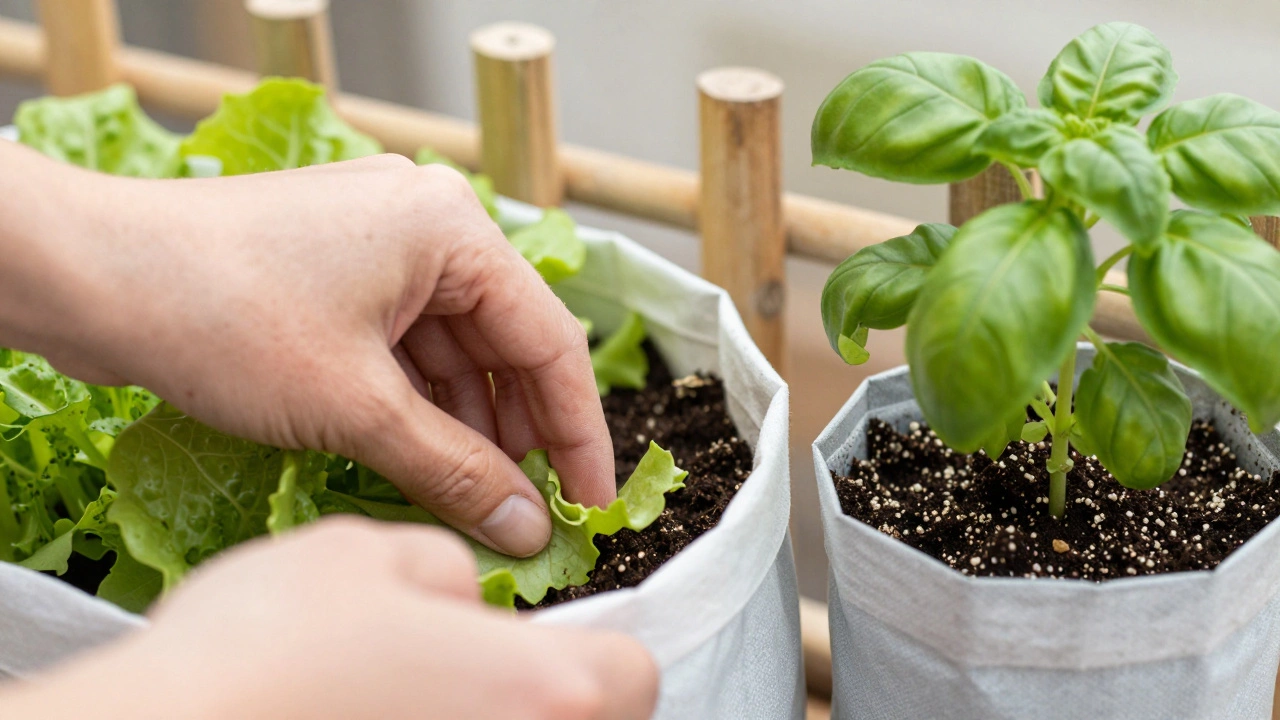
Use lightweight plastic pots or fabric grow bags instead of terracotta to save up to 50% of the weight!
Look at your balcony. Is it just a concrete slab where you dry laundry or store old chairs? It doesn't have to be. With the right approach, even a tiny three-by-three-foot space can become a lush, productive green oasis. The short answer is yes: you can absolutely turn a balcony into a garden. But doing it right requires more than just buying pots and planting seeds. It demands understanding light, weight limits, and water management.
In cities like Manchester, where outdoor space is premium real estate, balcony gardens are booming. They offer mental health benefits, fresh produce, and a connection to nature without needing a backyard. This guide cuts through the fluff and gives you the exact steps to transform your balcony from barren to blooming.
Assessing Your Balcony's Potential
Before you buy a single plant, you need to audit your space. Not all balconies are created equal. Some face south and bake in the sun; others face north and stay cool and shady. Getting this wrong means dead plants and frustration.
Balcony Orientation determines how much sunlight your garden receives. South-facing balconies get the most direct light, ideal for sun-loving plants. North-facing ones receive indirect light, suitable for shade-tolerant species. East and west faces offer partial sun, changing throughout the day.
- South-facing: Six to eight hours of direct sun. Perfect for tomatoes, peppers, herbs like basil, and flowers like geraniums.
- North-facing: Less than four hours of direct sun. Best for leafy greens (lettuce, spinach), ferns, hostas, and mint.
- East-facing: Morning sun, afternoon shade. Great for salad crops, parsley, and asters.
- West-facing: Afternoon sun, which can be intense. Good for heat-tolerant herbs like rosemary and thyme.
Check the wind exposure too. High-rise balconies can be windy tunnels. Wind dries out soil quickly and can knock over tall plants. If your balcony feels breezy, plan for sturdy containers and windbreaks like trellises or bamboo screens.
Solving the Weight Problem
This is the part most beginners ignore until it’s too late. Wet soil is heavy. Really heavy. A standard 10-liter pot filled with wet soil can weigh over 15 kilograms. Stack ten of those, and you’re adding 150 kilograms to your floor. Most residential balconies have load-bearing limits, often around 250 kilograms per square meter, but older buildings might be less robust.
To keep your garden safe and your neighbors happy, follow these weight-saving strategies:
- Use lightweight containers: Avoid terracotta or stone. Choose plastic, fiberglass, or resin pots. They hold the same amount of soil but weigh a fraction.
- Add perlite or vermiculite: Mix these lightweight aggregates into your potting mix. They improve drainage and reduce overall weight by up to 30%.
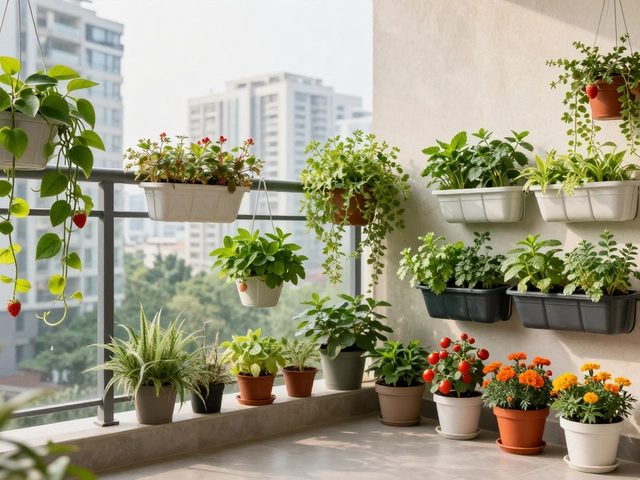
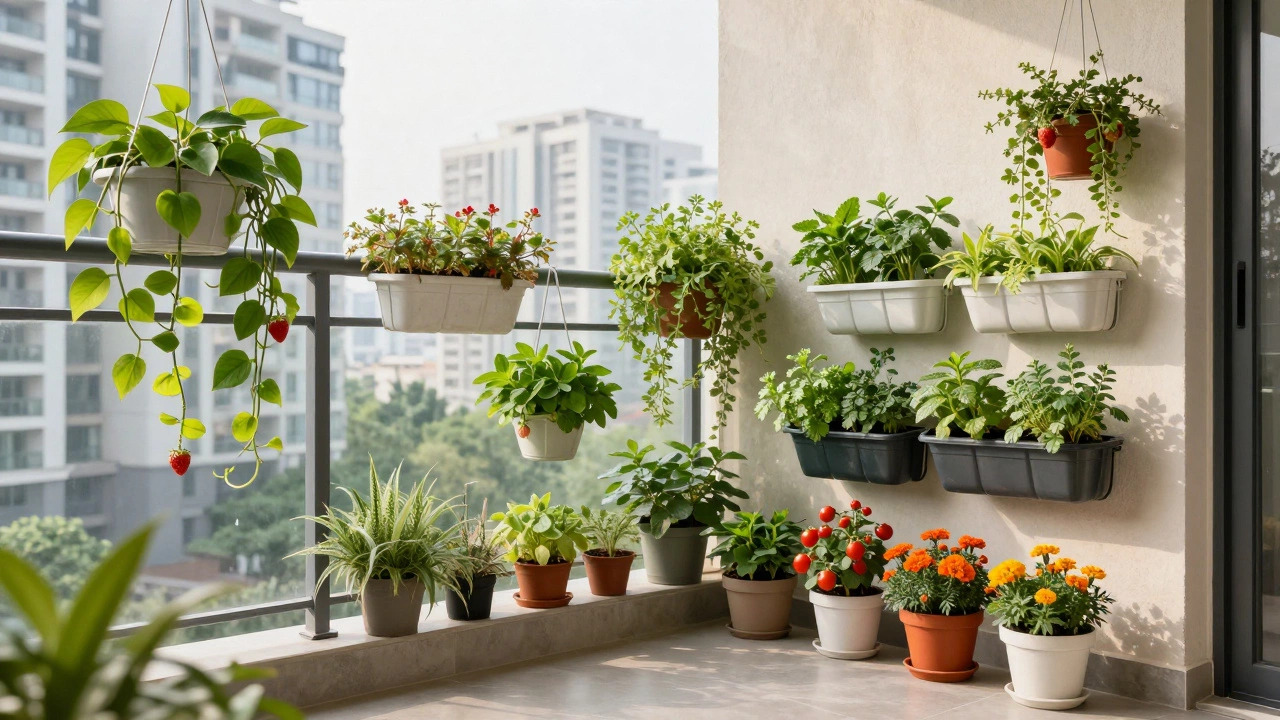
- Elevate your plants: Use wall-mounted planters, rail planters, or hanging baskets. This distributes weight across the railing structure rather than concentrating it on the floor.
- Distribute the load: Don’t cluster heavy pots in one corner. Spread them out evenly across the balcony floor.
If you live in an apartment block, check your lease or ask your building manager about weight restrictions. Better safe than sorry.
Choosing the Right Containers
The container is the foundation of your balcony garden. It needs to drain well, fit your space, and look good. Here’s what works best:
| Type | Weight | Drainage | Best For |
|---|---|---|---|
| Plastic Pots | Light | Good (if holes drilled) | Most vegetables and herbs |
| Fabric Grow Bags | Very Light | Excellent (air pruning) | Tomatoes, potatoes, root veggies |
| Terracotta | Heavy | Moderate (porous walls) | Decorative plants, succulents |
| Wooden Planters | Medium | Good (needs liner) | Lettuce, strawberries, flowers |
Avoid using saucers under pots unless they’re empty. Standing water breeds mosquitoes and can rot roots. Instead, ensure your pots have drainage holes and place them on feet or bricks to lift them off the floor.
Selecting Plants for Small Spaces
You don’t need a forest to have a garden. Focus on high-yield, compact varieties. Look for dwarf or bush types of vegetables and fruits.
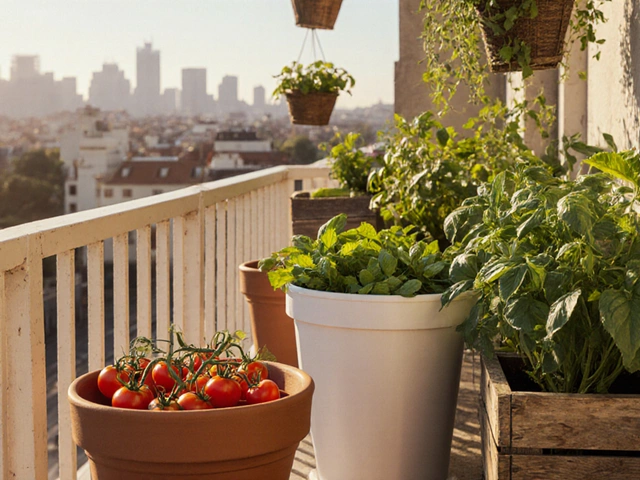
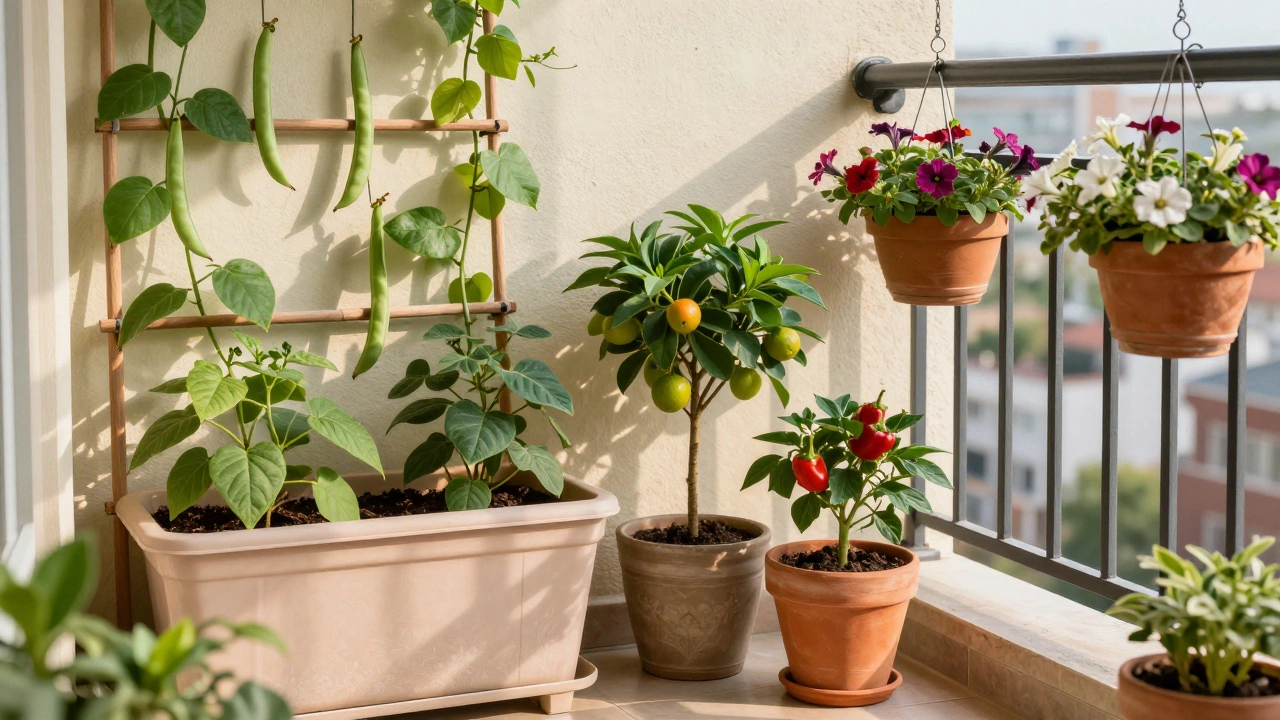
- Vegetables: Cherry tomatoes (bush varieties), cherry peppers, radishes, lettuce, spinach, arugula, and green beans. These grow fast and don’t take up much room.
- Herbs: Basil, cilantro, parsley, chives, mint (keep mint in its own pot-it spreads aggressively), and thyme. Herbs thrive in containers and add flavor to your cooking.
- Fruits: Dwarf citrus trees, strawberries (in hanging baskets), and blueberries (need acidic soil).
- Flowers: Marigolds (they repel pests), petunias, nasturtiums (edible!), and zinnias. Flowers attract pollinators, which help your vegetables set fruit.
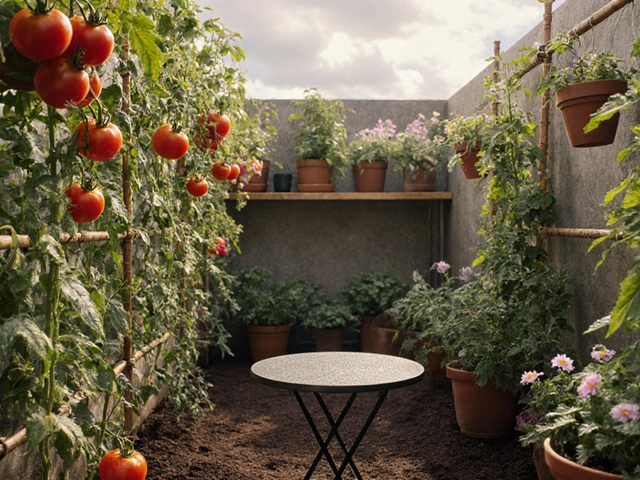
Vertical gardening is your best friend here. Use trellises for climbing beans and cucumbers. Hang strawberry baskets from the railing. Mount pocket planters on the wall. Every inch counts.
Watering and Maintenance Hacks
Container gardens dry out faster than ground soil. In summer, you might need to water daily. But overwatering is just as deadly as underwatering. How do you strike the balance?
Use the finger test. Stick your finger an inch into the soil. If it’s dry, water it. If it’s damp, wait. Water deeply until it runs out of the drainage holes, ensuring the entire root ball gets moisture.
For busy people, consider self-watering containers. These have a reservoir at the bottom that wicks water up to the roots as needed. They’re slightly more expensive upfront but save time and prevent drought stress.
Mulch your soil surface with straw, bark chips, or even shredded paper. Mulch retains moisture, suppresses weeds, and keeps roots cool. It’s a simple hack that makes a big difference.
Pest Control Without Chemicals
Balconies aren’t immune to pests. Aphids, whiteflies, and spider mites love tender new growth. Since you’re likely growing food, avoid harsh pesticides. Instead, try these organic methods:
- Neem oil: A natural fungicide and insecticide. Spray every two weeks as a preventive measure.
- Companion planting: Plant marigolds near tomatoes to deter nematodes. Basil near peppers repels flies.
- Hand-picking: For larger pests like caterpillars, pick them off and drop them in soapy water.
- Strong jet of water: Blast aphids off leaves with a hose nozzle. It’s mechanical and effective.
Keep your plants healthy. Stressed plants attract pests. Regular feeding with liquid seaweed or compost tea boosts their immune systems.
Seasonal Adjustments for UK Climates
Gardening in Manchester means dealing with rain, wind, and cooler temperatures. Your balcony garden needs seasonal tweaks.
In spring, start seeds indoors or buy young transplants after the last frost (usually mid-May). Harden them off gradually before placing them outside. Summer is peak season-water frequently and feed weekly. Autumn brings shorter days. Harvest what you can and protect tender plants with fleece covers if nights get chilly. Winter? Rest. Bring potted herbs inside or let them die back. Clean pots and tools to prepare for next year.
Don’t forget about windbreaks. A simple screen made of reeds or bamboo can reduce wind speed by 50%, protecting delicate seedlings and reducing evaporation.
Common Mistakes to Avoid
New balcony gardeners often make these errors. Learn from them:
- Using garden soil: Never use dirt from the ground. It compacts in pots and lacks nutrients. Always use high-quality potting mix.
- Overcrowding: Plants need air circulation. Crowding leads to fungal diseases. Give each plant space to breathe.
- Ignoring drainage: Pots without holes drown roots. Drill holes if needed.
- Not fertilizing: Rain washes away nutrients in containers. Feed with a balanced liquid fertilizer every two weeks during growing season.
- Expecting instant results: Gardening takes patience. Start small, learn, and expand.
Next Steps for Your Balcony Garden
Start with five easy plants: basil, lettuce, cherry tomatoes, marigolds, and strawberries. Buy three medium-sized plastic pots, one bag of potting mix, and a bottle of liquid fertilizer. Place them in the sunniest spot on your balcony. Water when the top inch of soil is dry. Watch them grow.
As you gain confidence, add vertical elements. Try a trellis for beans or a hanging basket for trailing flowers. Join local gardening forums or social media groups for Manchester-specific advice. Share your progress. Gardening is better together.
How much does it cost to start a balcony garden?
You can start a basic balcony garden for under £50. Budget £10 for pots, £15 for potting mix, £10 for seeds or young plants, and £15 for fertilizer and tools. Costs rise if you buy premium containers or automated watering systems.
Can I grow vegetables on a north-facing balcony?
Yes. North-facing balconies suit leafy greens like lettuce, spinach, kale, and herbs like mint and parsley. These plants prefer cooler temperatures and indirect light. Avoid sun-loving crops like tomatoes or peppers.
What is the best soil for balcony containers?
Use a high-quality multi-purpose potting mix enriched with compost. Add perlite for drainage and worm castings for nutrients. Avoid heavy garden soil, which compacts and suffocates roots in containers.
How often should I water my balcony plants?
Check daily in summer. Water when the top inch of soil feels dry. Frequency depends on pot size, plant type, and weather. Small pots dry faster. Windy or hot days require more frequent watering. Always water deeply until it drains out the bottom.
Are there legal restrictions on balcony gardens?
Check your lease agreement. Some apartments restrict hanging plants, grills, or permanent structures. Weight limits are also important. Generally, small potted gardens are allowed, but always verify with your landlord or building management first.
Can I use grow lights on my balcony?
Yes, especially in winter or on shaded balconies. LED grow lights are energy-efficient and provide the spectrum plants need. Use them to supplement natural light, extending growing seasons for herbs and leafy greens.
How do I protect plants from wind on high-rise balconies?
Install windbreaks like bamboo screens or trellises covered with climbing plants. Use heavier pots for stability. Anchor tall plants with stakes. Position sensitive plants behind windbreaks. Mulch helps retain moisture lost to wind.
What are the easiest plants for beginners?
Start with basil, mint, lettuce, cherry tomatoes, and marigolds. These are forgiving, fast-growing, and rewarding. They tolerate minor mistakes in watering and feeding, making them ideal for learning.