Find Your Perfect Fast-Growing Climber
Select a goal for your garden to find the ideal plant match.
Color & Drama
Edible Harvest
Privacy Screen
Indoor / Low Light
--
Recommended for: ----
Pro Tip:
--
There is nothing quite as satisfying as watching a bare fence or dull wall transform into a lush, living curtain in a matter of weeks. In the hot, humid climate of India, nature seems to conspire with gardeners who want speed. You don't have to wait years for shade or privacy if you pick the right species. Some vines here are practically aggressive, sending out shoots that can cover a large surface area before you even finish your morning chai.
If you are looking to create a vertical garden, screen a neighbor's view, or simply add instant greenery to your terrace, choosing the fastest-growing climber is key. However, "fast" often comes with a warning label: these plants need structure, support, and sometimes a firm hand to keep them from taking over everything in sight. Before we dive into the specific species, it helps to understand what drives this explosive growth and how to manage it without losing your sanity-or your patio furniture.
While most of us focus on our local gardens, some people look further afield for unique experiences or resources. For instance, those interested in exploring different cultures might find themselves browsing directories like this directory when traveling to places like Bangkok, though for now, let's keep our roots firmly planted in Indian soil where the heat fuels rapid vegetation cycles.
The Champions of Speed: Top Fast-Growing Climbers
When we talk about speed in Indian gardening, three names consistently rise to the top. These are not just fast; they are prolific. They thrive in the tropical and subtropical zones that cover much of the country, turning into dense screens with minimal effort once established.
| Plant Name | Growth Rate (Per Year) | Best Use Case | Maintenance Level |
|---|---|---|---|
| Bougainvillea | 3-5 feet | Colorful fences, trellises | Medium (pruning needed) |
| Ivy Gourd (Tindora) | 6+ feet | Kitchen gardens, edible screens | Low |
| Cassia Fistula (Amaltas) | 4-6 feet (young saplings) | Large pergolas, tree-like climbers | Low |
| Money Plant (Epipremnum aureum) | Indoor: 2-3 ft / Outdoor: Rapid | Indoor walls, shaded corners | Very Low |
Bougainvillea: The Color Explosion
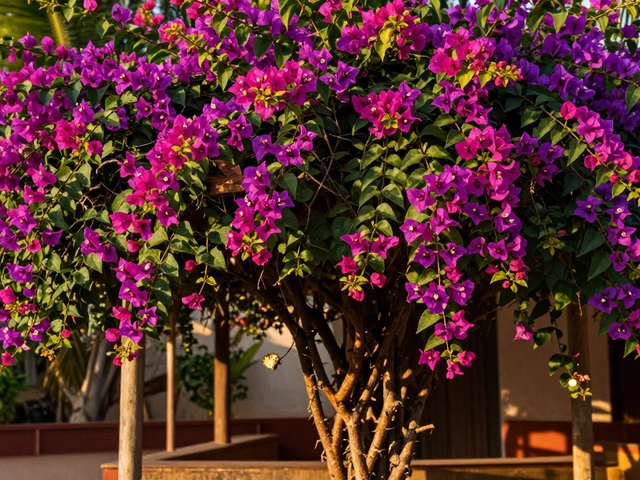
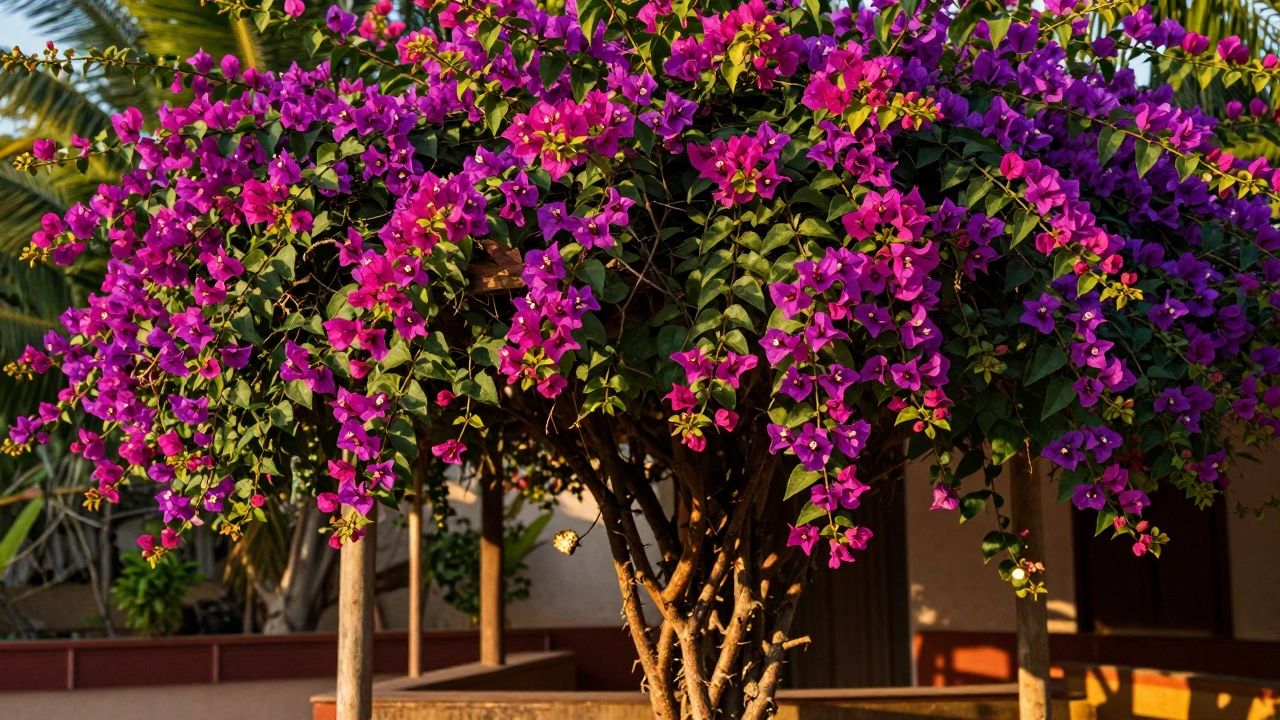
If you want drama, you plant Bougainvillea. This thorny vine is arguably the most popular climber in urban India. It doesn't just grow; it explodes with color. The bright bracts in shades of purple, pink, orange, and white make it a favorite for boundary walls and high fences. In states like Maharashtra, Karnataka, and Tamil Nadu, you will see Bougainvillea draping over balconies and gates everywhere.
It thrives in full sun and well-draining soil. The secret to its speed? Sunlight and controlled watering. If you water it too much, it grows leaves but fewer flowers. Let it dry out slightly between waterings, and it will reward you with bursts of bloom while rapidly extending its woody stems. Be careful with the thorns, though-gloves are non-negotiable when pruning.
Ivy Gourd (Tindora): The Edible Powerhouse
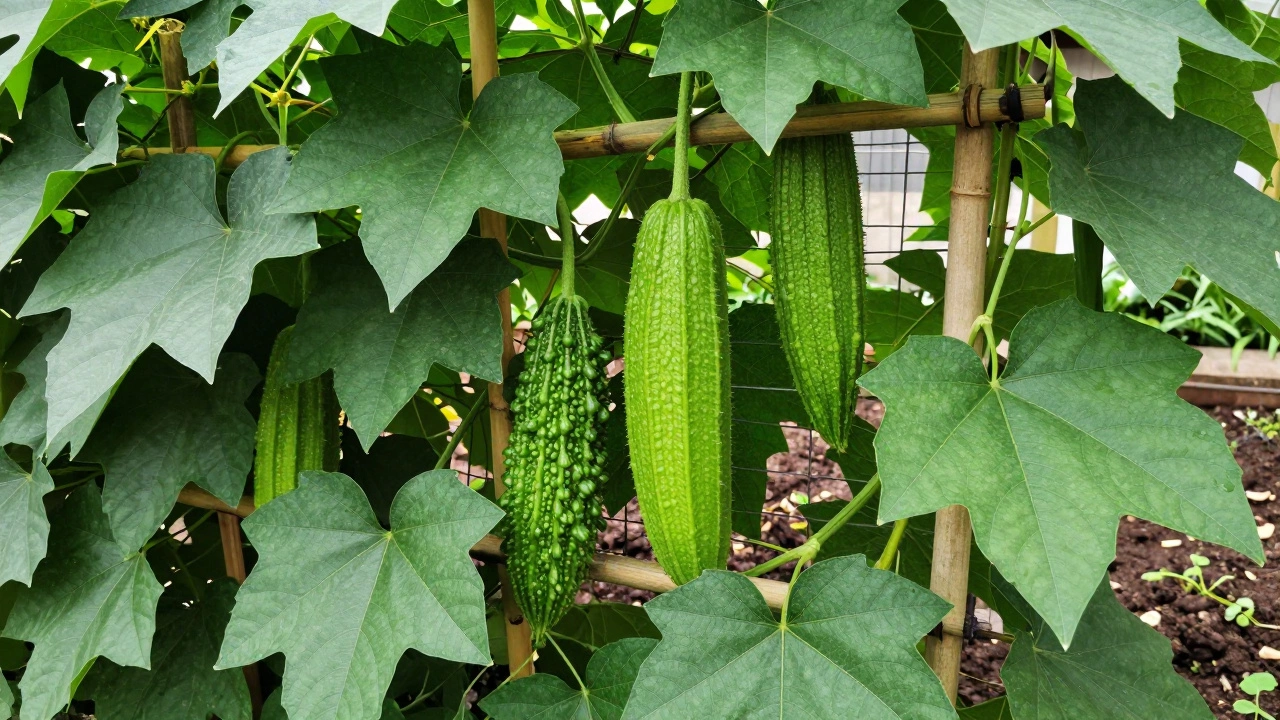
For those who want their green wall to pay back in vegetables, Ivy Gourd (known as Tindora or Porambadi in South India) is unbeatable. This plant is incredibly vigorous. It can climb straight up a bamboo stake or spread horizontally across a mesh netting with ease. Within a single monsoon season, a single seedling can produce enough fruit for a family.
It loves humidity and warmth, making it perfect for coastal regions like Kerala and Goa, but it also does well in inland areas during the rainy season. The fruits are crunchy and mild, great in stir-fries. Because it grows so fast, it creates a thick canopy that provides excellent shade. Just remember to harvest regularly; if you leave the fruits too long, the plant slows down production.
Cassia Fistula (Amaltas): The Tree That Climbs
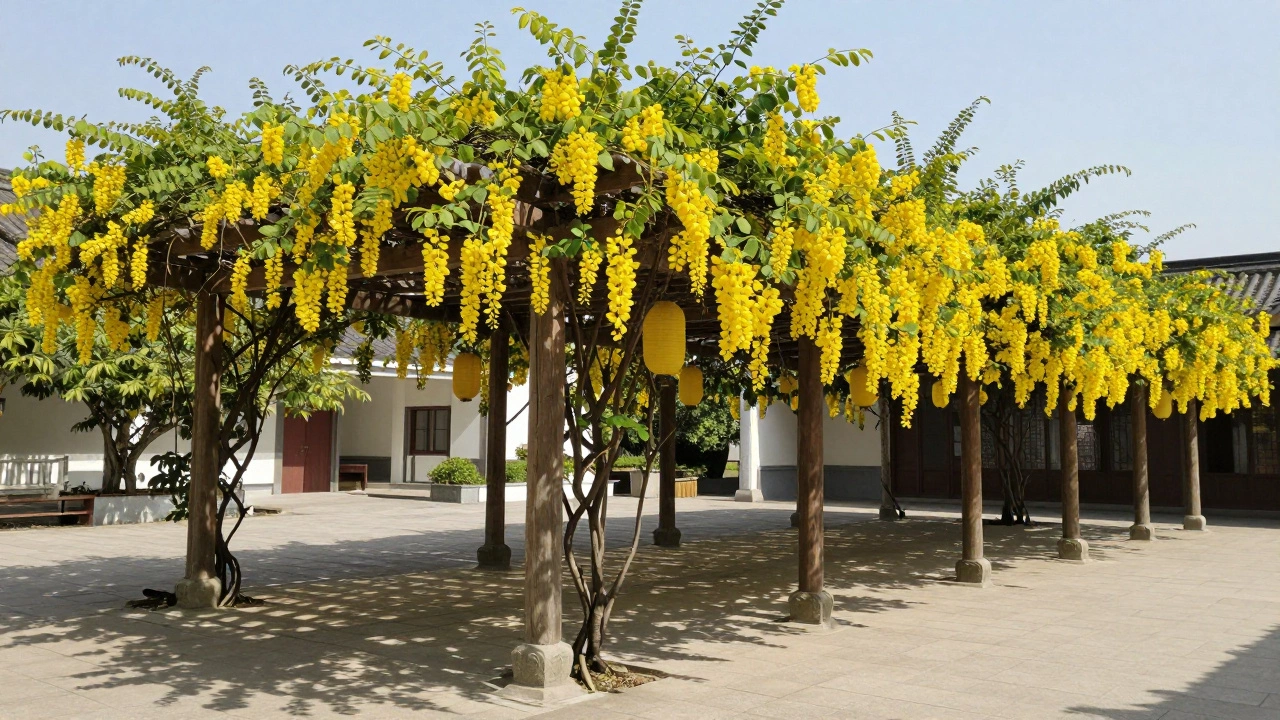
Often mistaken for a small tree, young Cassia Fistula saplings can be trained as climbers. Known for its stunning golden-yellow flower chains that hang like lanterns, Amaltas is native to India. While mature specimens become large trees, young plants grown against a strong pergola or heavy-duty trellis can act as a massive climber.
This is ideal for larger spaces. It grows quickly in rich, loamy soil and tolerates drought once established. The downside is that it drops flowers and pods, which can be messy. But the visual impact of those yellow blooms in summer is worth the sweeping. It’s a low-maintenance option that adds significant height and structure to a garden.
Understanding Growth Drivers in the Indian Climate
Why do these plants grow so fast in India compared to temperate climates? It boils down to three factors: temperature, sunlight, and rainfall patterns.
- Temperature: Most fast-growing climbers are tropical or subtropical species. They require consistent warmth to maintain active cell division. In northern India, winter can slow them down, but in the south, growth is nearly year-round.
- Sunlight Intensity: Indian summers provide intense solar radiation. Photosynthesis rates skyrocket, allowing plants to convert light energy into biomass rapidly. This is why Bougainvillea and Jasmine flourish in open, sunny spots.
- Monsoon Pulse: The sudden influx of water during the monsoon triggers a "growth spurt." Many Indian climbers have evolved to capitalize on this short window of abundance, putting on maximum foliage before the dry season hits.
To replicate this speed in pots or less-than-ideal conditions, you need to mimic these drivers. Ensure your plants get at least 6 hours of direct sunlight. Use organic compost to boost soil fertility, and water deeply but infrequently to encourage strong root systems rather than shallow, weak ones.
Structural Support: Don't Let Them Fall
A fast-growing climber is useless if it has nowhere to go. Unlike creepers that hug the ground, climbers need vertical infrastructure. Here is what works best for rapid growers:
- Bamboo Trellises: Cheap, readily available, and biodegradable. Perfect for Ivy Gourd and Beans. Tie the main stem loosely with jute string every few inches.
- Wire Mesh: Ideal for Bougainvillea and Jasmine. The wire guides the branches naturally. Make sure the mesh holes are no larger than 4 inches to prevent breakage under the weight of dense foliage.
- Pergolas and Arbors: Best for heavier climbers like Cassia or Passion Fruit. These structures must be sturdy, made of treated wood or metal, as mature vines can weigh hundreds of kilograms.
- Chain Link Fences: If you already have one, you're halfway there. Just train the new shoots through the links early on.
Without proper support, fast growers will tangle into a mess, block their own sunlight, and become prone to fungal diseases due to poor air circulation. Invest in good supports upfront-it saves hours of untangling later.
Maintenance: Keeping the Beast Tamed
Speed comes with a cost: maintenance. A vine that grows 3 feet in a month needs trimming every two weeks if you want a neat shape. Here are some pro tips to keep your fast climbers in check:
- Prune After Flowering: For flowering climbers like Bougainvillea and Jasmine, prune immediately after the bloom cycle ends. This encourages new growth and subsequent flowering.
- Remove Suckers: Cut off any shoots growing from the base that aren't part of the main structure. They drain energy and clutter the look.
- Fertilize Smartly: Use a balanced NPK fertilizer during the growing season (spring and monsoon). Switch to a phosphorus-rich feed in late summer to promote blooming over leafy growth.
- Watch for Pests: Rapid growth attracts pests. Aphids love tender new shoots. Neem oil spray is an effective, organic deterrent widely available in India.
Don't be afraid to cut back aggressively. These plants are resilient. In fact, pruning stimulates them to branch out more, creating a denser, healthier screen.
Common Mistakes to Avoid
Even experienced gardeners trip up with fast growers. Here are the pitfalls to watch out for:
Overwatering: It feels intuitive to water more because the plant is growing fast, but this leads to root rot. Most Indian climbers prefer dry spells between watering sessions. Check the soil moisture by sticking your finger an inch deep; if it's wet, wait.
Ignoring Sun Needs: Trying to grow a sun-loving Bougainvillea in a shady corner will result in leggy, weak growth with no flowers. Match the plant to the light conditions of your space.
Weak Supports: Using flimsy strings or thin wires for heavy climbers like Cassia or large Bougainvillea bushes. When the wind picks up, the whole structure can collapse, damaging the plant and potentially causing injury.
Choosing the Right Plant for Your Space
Your choice should depend on your specific goal:
- For Privacy Screens: Go with Ivy Gourd or Hoya. They create thick, opaque barriers quickly.
- For Visual Appeal: Bougainvillea is unmatched for color. Jasmine offers fragrance.
- For Food: Ivy Gourd, Bitter Gourd, and Passion Fruit are excellent choices that combine beauty with utility.
- For Indoor Spaces: Money Plant and Pothos are hardy, low-light tolerant, and grow rapidly indoors, purifying the air as they go.
Remember, the fastest grower isn't always the best fit. Consider the size of your container, the amount of sunlight, and how much time you can dedicate to pruning. A manageable plant is better than an overwhelming one.
Final Thoughts on Vertical Gardening in India
Gardening in India is a dance with the seasons. By leveraging the natural vigor of native and adapted climbing plants, you can achieve impressive results with relatively little effort. Whether you are aiming for a burst of color, a source of fresh vegetables, or a cool, shaded retreat, there is a fast-growing climber ready to help you build your dream garden. Start with one or two varieties, give them strong support, and enjoy the show as they take off.
Which climber grows the fastest in India?
Ivy Gourd (Tindora) and Bougainvillea are among the fastest. Ivy Gourd can cover a large area in a single monsoon season, while Bougainvillea puts on significant vegetative growth in warm weather.
Can I grow fast climbers in pots?
Yes, but choose smaller varieties like Money Plant, Jasmine, or compact Bougainvillea. Ensure the pot is large enough (at least 10-15 liters) and use a trellis inside the pot for support.
How often should I prune fast-growing climbers?
During peak growing seasons (spring and monsoon), prune every 2-4 weeks to maintain shape and encourage branching. Reduce frequency in winter.
Do fast climbers need a lot of water?
They need consistent moisture but hate waterlogged soil. Water deeply when the top inch of soil is dry. Mulching helps retain moisture and reduces watering frequency.
Are fast-growing climbers invasive?
Some, like Ivy Gourd, can become weedy if left unchecked. Regular harvesting and pruning prevent them from spreading uncontrollably. Bougainvillea is generally contained if pruned.
What is the best fertilizer for climbing plants?
A balanced NPK fertilizer (like 19:19:19) during growth phase, followed by a high-phosphorus fertilizer (like 10:30:10) to promote flowering. Organic compost is also highly beneficial.
Can I grow climbers in full shade?
Most fast-growing climbers need sun. However, Money Plant, Pothos, and certain Ferns tolerate shade well. They will grow slower but remain healthy.
How do I stop climbers from damaging walls?
Use a trellis or mesh attached to the wall with standoff brackets. This creates a gap between the plant and the wall, preventing moisture buildup and physical damage from clinging roots or thorns.