Rice Harvest Potential Calculator
Estimate how many times you can harvest rice based on your chosen method and geographic climate.
Most people think of Rice as a crop that you plant once, wait for months, and then harvest before the plant dies. This is true for the vast majority of rice grown around the world. However, the question "how many times can rice be harvested" has a more complex answer depending on the variety you choose and where you live.
In short: Most commercial rice is an annual crop, meaning it is harvested exactly once per growing season. But there are specific perennial varieties and traditional methods that allow farmers to harvest from the same root system two or even three times in a single year. If you are looking to maximize yield or reduce labor, understanding this distinction is crucial.
The Standard Model: Annual Rice Varieties
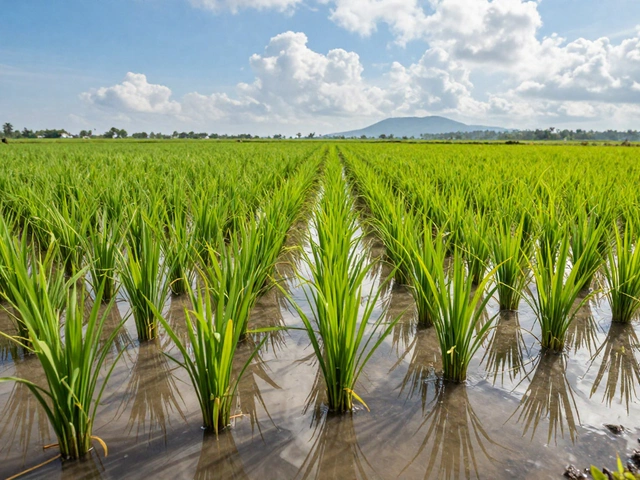
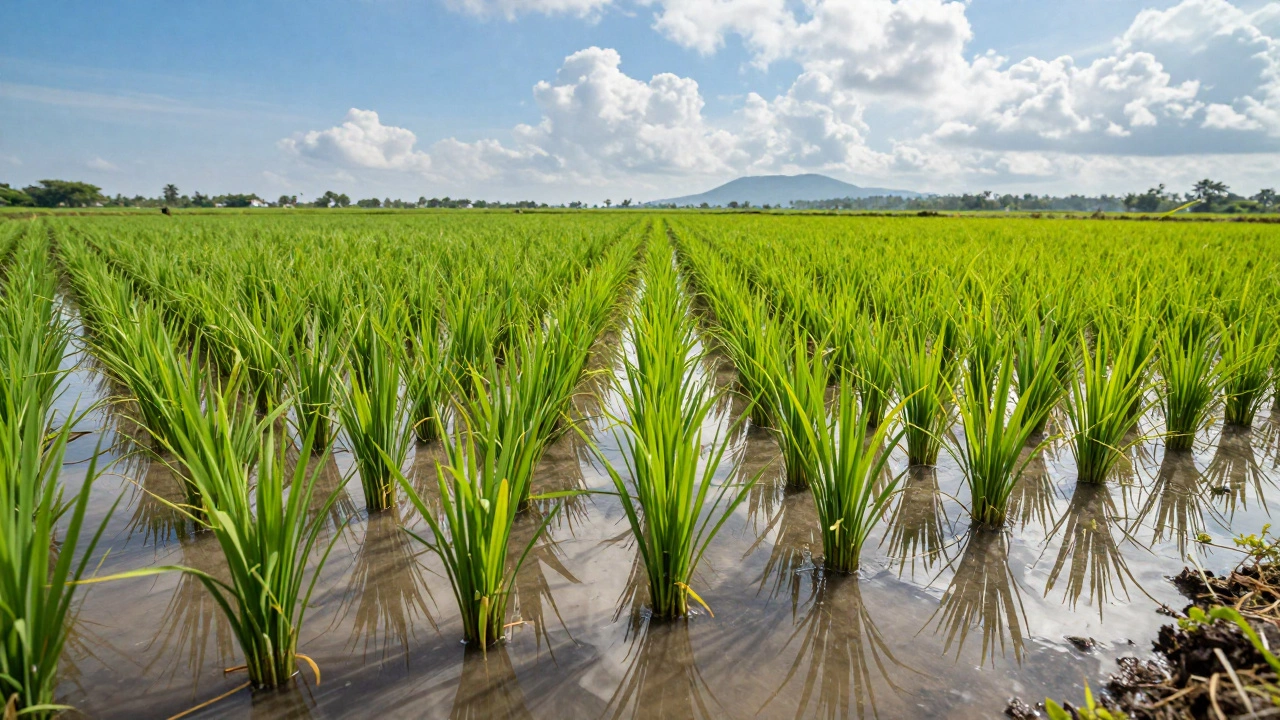
When you buy rice at the supermarket, it almost certainly comes from an annual variety. These plants complete their entire life cycle-from seedling to flowering to grain production-in one go. Once you cut the stalks, the plant’s job is done. It will not grow back.
This is the dominant model because annual varieties have been bred for high yields and uniform maturity. Farmers need all the grains to ripen at the same time so they can use combine harvesters efficiently. If some parts of the field were still green while others were ready, the machinery would ruin the crop.
- Lifecycle: Typically 3 to 6 months depending on the climate.
- Harvest Frequency: One time per planting.
- Common Types: Indica (long-grain) and Japonica (short-grain) varieties used in global trade.
If you are growing rice in a temperate zone like the UK or northern US, you are limited by frost. You might only get one short season, meaning one harvest. In tropical regions with distinct wet and dry seasons, farmers often plant after the rains start and harvest before the dry heat sets in. Again, this results in a single harvest per plot per year, though different plots might be staggered.
Breaking the Cycle: Perennial Rice and Ratooning
So, how do we get more than one harvest? There are two main ways this happens in nature and agriculture: natural perenniality and a technique called ratooning.
What is Ratooning?
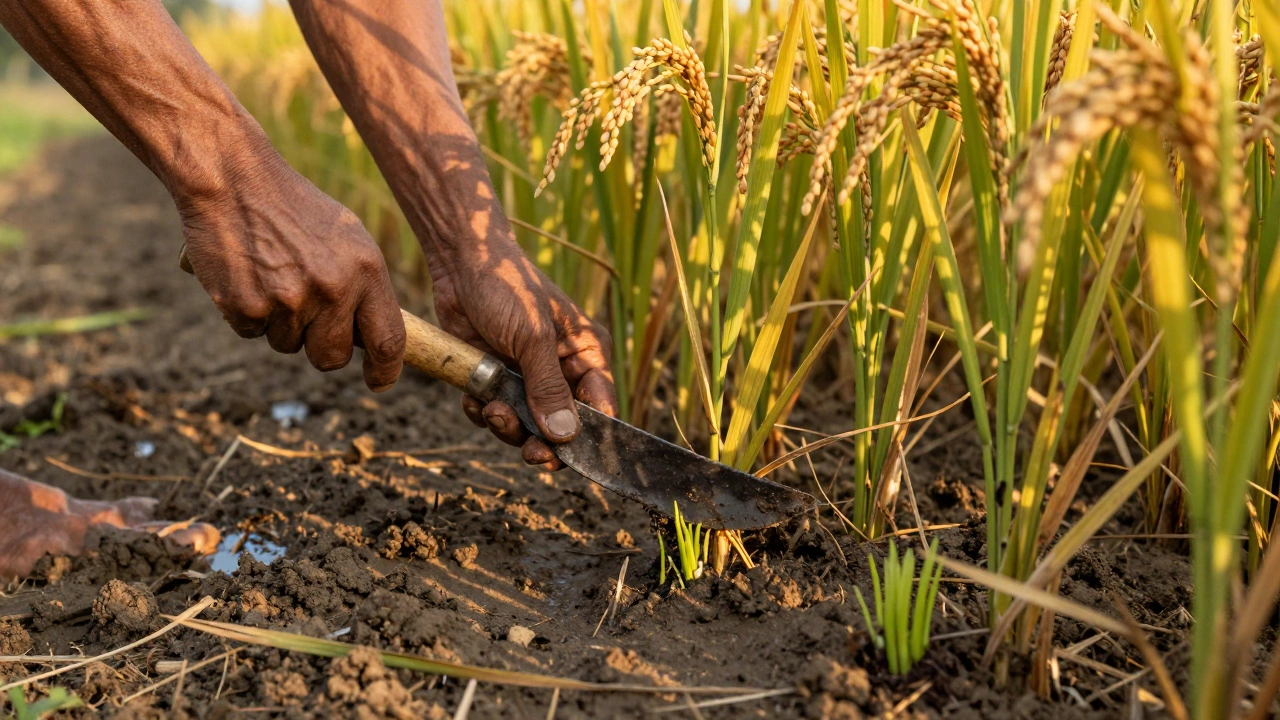
Ratooning is a practice common in Asia and parts of South America. After the first harvest, farmers don't pull up the roots. Instead, they cut the stalks close to the ground. The root system remains alive in the soil. Within weeks, new shoots-called tillers-emerge from the base. These new shoots grow into mature plants that produce another round of grain.
This second crop is usually smaller than the first, but it requires significantly less labor. You don’t need to prepare the land, transplant seedlings, or manage early-stage weeds. You just water and fertilize.
| Method | Harvests per Year | Labor Intensity | Yield Consistency |
|---|---|---|---|
| Annual Planting | 1 (sometimes 2 if double-cropped) | High (full cycle each time) | High |
| Ratooning | 2-3 | Medium (low for subsequent crops) | Medium (decreases with each cut) |
| Perennial Rice | 2-5+ over several years | Low (after initial establishment) | Variable |
The catch with ratooning is that the quality drops. The second and third harvests often have lower grain weight and higher husk content. Pests and diseases also build up in the standing stubble, so farmers must manage these risks carefully. Usually, after two or three ratoons, the field is plowed under and replanted from scratch to reset the biological clock.
The Rise of True Perennial Rice
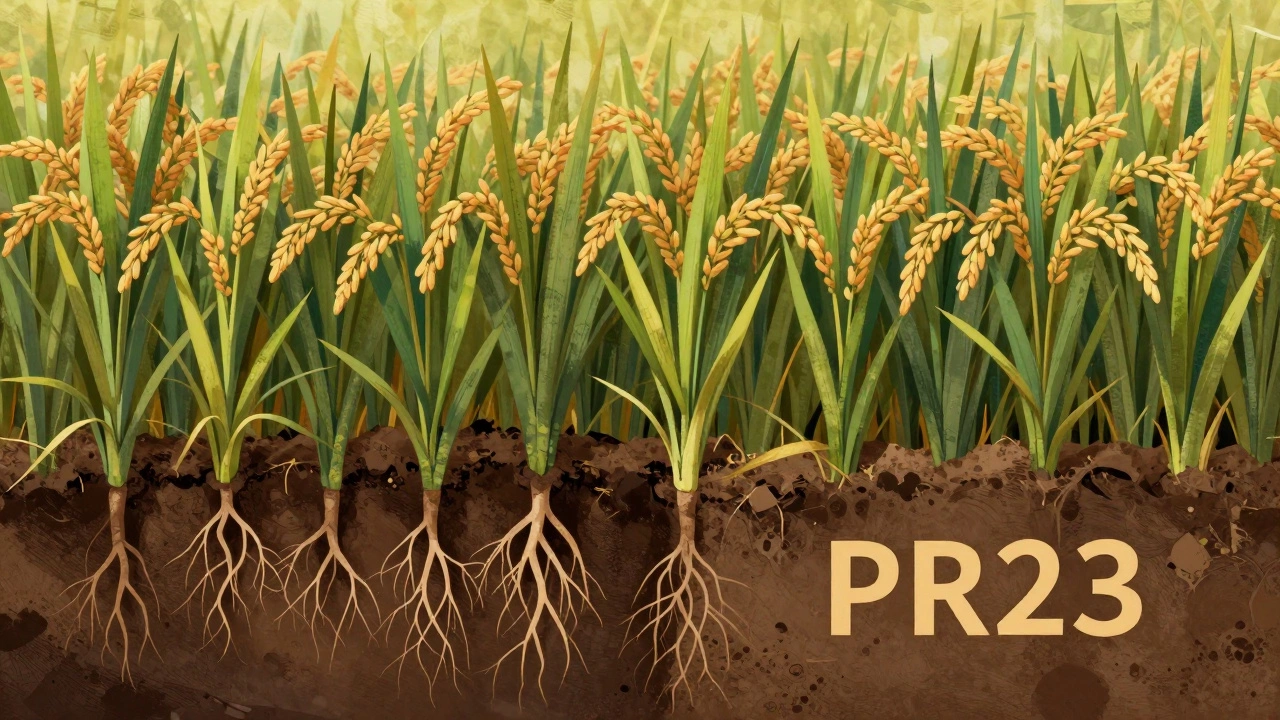
For decades, scientists believed that domesticated rice had lost its ability to survive winter and regrow naturally. That changed recently with the development of PR23, a perennial rice variety developed by the International Rice Research Institute (IRRI).
PR23 was created by crossing annual Asian rice with a wild African perennial rice species (Oryza longistaminata). The result is a plant that behaves like a grass lawn rather than an annual vegetable. It survives the cold months (in mild climates) or dry seasons and sends up new shoots year after year.
With PR23 and similar experimental varieties, farmers can harvest two to five times in a single year without replanting. Over a period of three to four years, the total yield per acre can surpass that of annual rice, while using up to 90% less seed and reducing fertilizer runoff because the deep root system stays in the ground.
Geographic Constraints: Where Does This Work?
You cannot simply plant perennial rice anywhere and expect multiple harvests. Geography plays the deciding role.
- Tropical Regions (e.g., Thailand, Vietnam, Philippines): Here, temperatures stay warm year-round. With sufficient water, farmers can achieve continuous growth. Ratooning is widely practiced here, yielding 2-3 harvests annually. Double-cropping (planting two separate annual cycles) is also possible if irrigation is available.
- Subtropical Regions (e.g., Southern China, Northern India): These areas have hot summers and mild winters. Perennial rice can survive if the frost isn't severe. Farmers typically get 2-3 harvests per year during the warmer months.
- Temperate Regions (e.g., USA, Japan, UK): In places with hard freezes, perennial rice will die back completely in winter. It may sprout in spring, but it effectively acts as an annual crop unless protected in a greenhouse. In the UK, for example, rice cultivation is extremely rare due to lack of heat units, making multiple harvests impossible outdoors.
Why Don't More Farmers Use Multiple Harvests?
If you can get three harvests instead of one, why isn't everyone doing it? The reasons are economic and logistical.
Mechanization Compatibility: Modern agriculture relies on massive machines. Combines are designed to cut a uniform field of annual rice. If a field is being ratooned, the height of the new shoots varies. The machinery struggles to adjust, leading to loss of grain. Farmers prefer the predictability of annual crops that fit their equipment.
Weed Pressure: When you leave the stubble in the ground for ratooning, you also leave a habitat for weeds. Without tilling the soil between crops, weed management becomes harder. Herbicide costs can rise, negating the savings from not buying new seeds.
Disease Buildup: Fungal and bacterial pathogens love stability. By keeping the same root system in the ground for multiple seasons, you invite soil-borne diseases to establish themselves. Annual cropping allows farmers to rotate crops or fallow the land, breaking disease cycles.
Environmental Impact of Multiple Harvests
There is a strong argument for shifting toward perennial or ratooned rice systems from an environmental standpoint.
Soil Health: Every time you plow a field for annual rice, you disrupt the soil structure and release carbon dioxide. Perennial rice keeps the soil covered and rooted year-round. This reduces erosion significantly. Studies show that perennial rice systems can reduce soil erosion by up to 80% compared to annual systems.
Water Efficiency: While rice is notoriously thirsty, perennial varieties often develop deeper root systems. This allows them to access groundwater more effectively and reduces the need for constant flooding. Less water pumped means less energy used.
Biodiversity: Continuous cover provides habitat for beneficial insects and birds. Monoculture annual fields are often ecological deserts outside of the growing season. Perennial fields offer a more stable ecosystem.
Practical Advice for Small-Scale Growers
If you are a hobbyist gardener or small-scale farmer wondering if you can try this, here is what you need to know.
First, check your climate. If you experience freezing temperatures, forget about true perenniality. Focus on ratooning if you have a long growing season. Choose a variety known for vigorous tillering. Some indica varieties respond better to cutting than japonica types.
Second, manage your nutrients. The second and third harvests demand heavy feeding. Since you aren't adding fresh organic matter through plowing, you must supplement with compost or liquid fertilizers to ensure the remaining roots have enough energy to push out new shoots.
Third, watch for pests. Mosquitoes thrive in stagnant water. If you are maintaining flooded paddies for multiple harvests, ensure water circulation to prevent breeding grounds. Also, monitor for stem borers, which can hide in the old stubble and attack new shoots.
The Future of Rice Harvesting
The agricultural world is slowly shifting. As labor costs rise and environmental regulations tighten, the efficiency of perennial rice becomes more attractive. Researchers are working on improving the grain quality of perennial varieties to match the premium taste of annual rices. They are also developing dwarf varieties that are easier to machine-harvest even when ratooned.
While the average consumer won't see "perennial rice" labeled on bags yet, the food coming from farms adopting these multi-harvest techniques is already entering the supply chain. It represents a move toward resilience-farming systems that work with nature's rhythms rather than against them.
So, to answer the original question: Rice can be harvested once if you treat it as an annual commodity. But with the right variety and conditions, you can harvest it two, three, or more times, transforming it from a disposable crop into a sustainable, living resource.
Can I harvest rice twice in the same year in the UK?
It is highly unlikely. The UK climate does not provide enough heat units (growing degree days) for a full rice cycle, let alone two. Rice generally requires temperatures above 20°C (68°F) for optimal growth. Even in the warmest parts of England, getting one harvest is challenging without controlled environments like greenhouses.
What is the difference between double-cropping and ratooning?
Double-cropping involves planting two completely separate cycles of annual rice in one year (e.g., one in spring, one in autumn). Ratooning involves harvesting the top part of the plant and letting the existing root system grow a second crop. Ratooning uses less labor and seed but may yield less grain overall.
Is perennial rice available for home gardeners?
Currently, perennial rice varieties like PR23 are primarily available to research institutions and large-scale agricultural trials. They are not yet widely distributed in commercial seed catalogs for home gardeners. However, some specialty seed suppliers may begin offering them as regulations evolve.
Does ratooning affect the taste of the rice?
The taste itself doesn't change chemically, but the grain quality often declines. Ratooned rice may have smaller grains, more broken kernels, and higher husk content. This can affect texture and cooking consistency, making it less desirable for premium markets but perfectly fine for animal feed or processed products.
How long can a perennial rice plant live?
A healthy perennial rice plant can remain productive for 3 to 5 years. After this period, yield decline and disease buildup usually make it necessary to clear the field and replant. This is much longer than annual rice, which lives for only one growing season.