Indian Vegetable Planting Planner
Select the current season or month to see which vegetables thrive, along with key challenges and spacing tips.
Current Season Recommendations
Select SeasonMost people think growing food in India is easy because the sun shines year-round. They buy a packet of seeds, toss them into a pot on their balcony, and wait. Two weeks later, they have nothing but yellowing leaves or dead seedlings. The problem isn't the sun; it's the mismatch between what you plant and when you plant it. Vegetable gardening in India requires understanding three distinct seasons: Kharif (monsoon), Rabi (winter), and Zaid (summer). If you ignore this rhythm, your harvest will be poor no matter how much fertilizer you use.
Why Timing Matters More Than Soil Quality
You might have the best soil money can buy, but if you plant tomatoes in May in Delhi, they will fail. Heat stress causes flowers to drop before fruit sets. Conversely, planting peas in June in Mumbai means they’ll rot in the humidity. Success starts with aligning your crops with the natural climate cycles. This isn't just about temperature; it's about daylight hours and moisture levels too.
| Season | Months | Best Crops | Key Challenge |
|---|---|---|---|
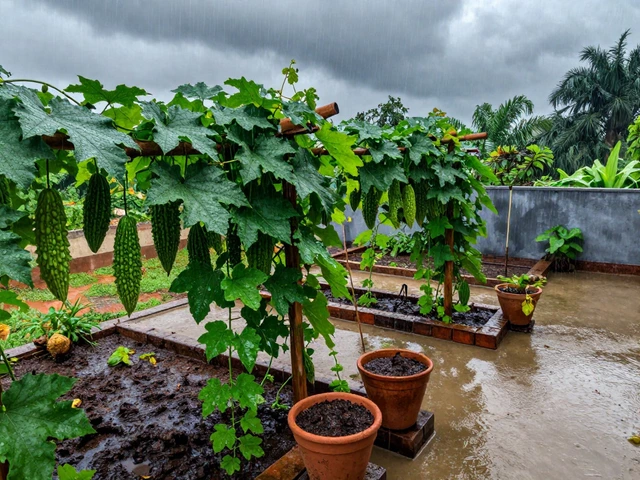
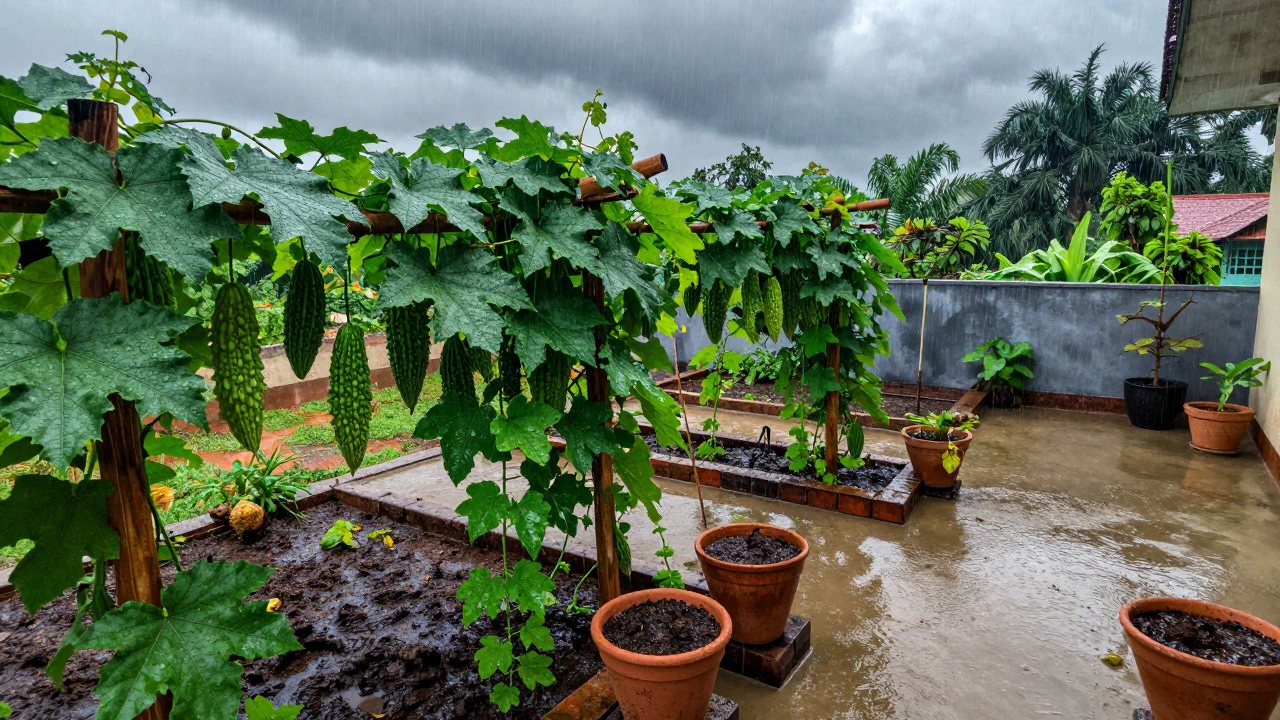
| Kharif (Monsoon) | June - September | Ridge Gourd, Bitter Gourd, Brinjal, Okra, Amaranth | Fungal diseases due to high humidity |
| Rabi (Winter) | October - February | Tomato, Cauliflower, Peas, Spinach, Carrot, Radish | Pest attacks (aphids, whiteflies) as weather dries |
| Zaid (Summer) | March - May | Cucumber, Watermelon, Pumpkin, Cluster Beans | Extreme heat and water scarcity |
Choosing Your Space: Balcony vs. Terrace vs. Backyard
Not everyone has an acre. In urban hubs like Bangalore or Pune, space is premium real estate. But you don’t need land to grow food. You need sunlight and drainage. Here’s how to assess your spot:
- Balconies: Look for east-facing balconies that get morning sun. Afternoon sun in summer can scorch potted plants. Use vertical spaces with trellises for climbers like beans or gourds.
- Terraces: These are ideal for root vegetables and larger plants. Ensure the waterproofing layer is intact. Use lightweight containers or raised beds filled with cocopeat mix to reduce load.
- Backyards: Direct ground planting works best here. Test your soil pH. Most Indian soils are slightly acidic to neutral, which suits most veggies. Add lime if it’s too acidic.
The Secret to Perfect Potting Mix
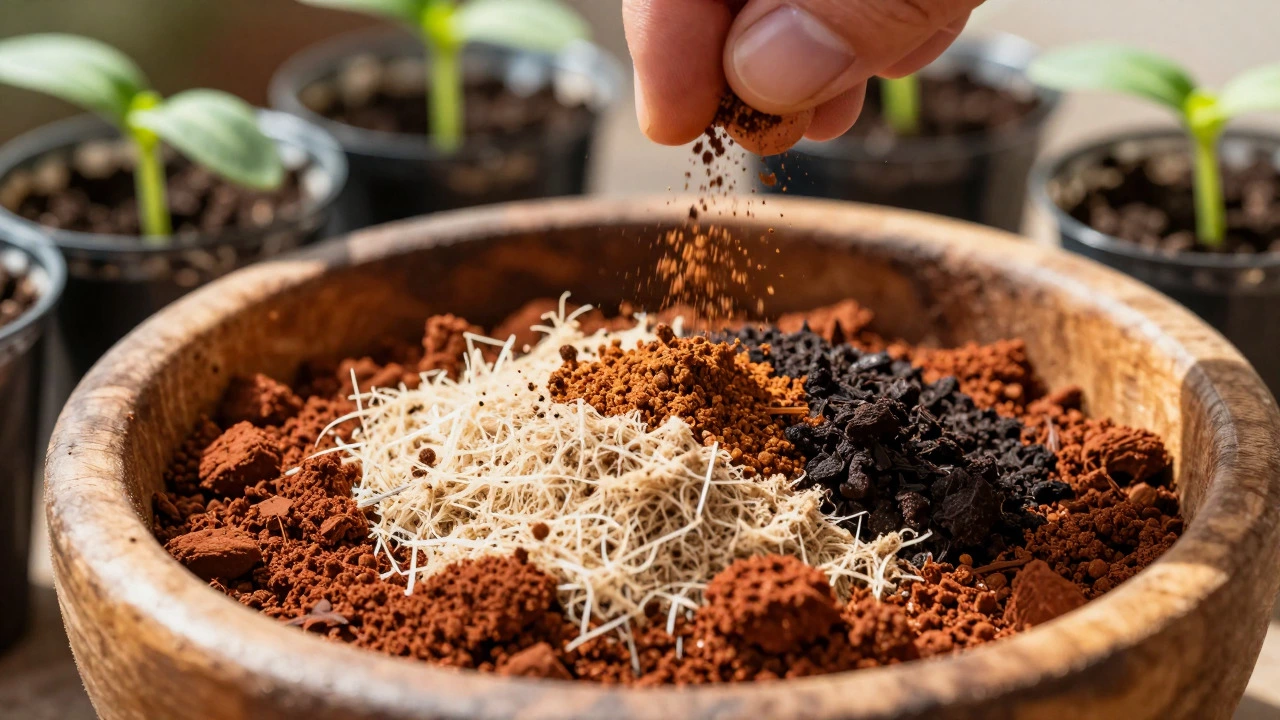
Garden soil from the street often compacts in pots, suffocating roots. For container gardening, you need a loose, airy medium. A simple, proven recipe for Indian conditions is the "1-2-3" rule. It balances nutrition, aeration, and water retention.
Mix these components thoroughly:
- 1 Part Red Soil: Provides structure and minerals.
- 2 Parts Cocopeat: Holds moisture without becoming waterlogged. It’s widely available and eco-friendly compared to peat moss.
- 1 Part Vermicompost: Supplies slow-release nutrients and beneficial microbes.
Add a handful of neem cake powder to this mix. Neem cake acts as a natural pesticide against soil-borne pests like mealybugs while boosting nitrogen levels. Avoid using fresh cow dung directly; it must be fully decomposed, or it will burn young roots.
Seed Sowing: Depth and Distance
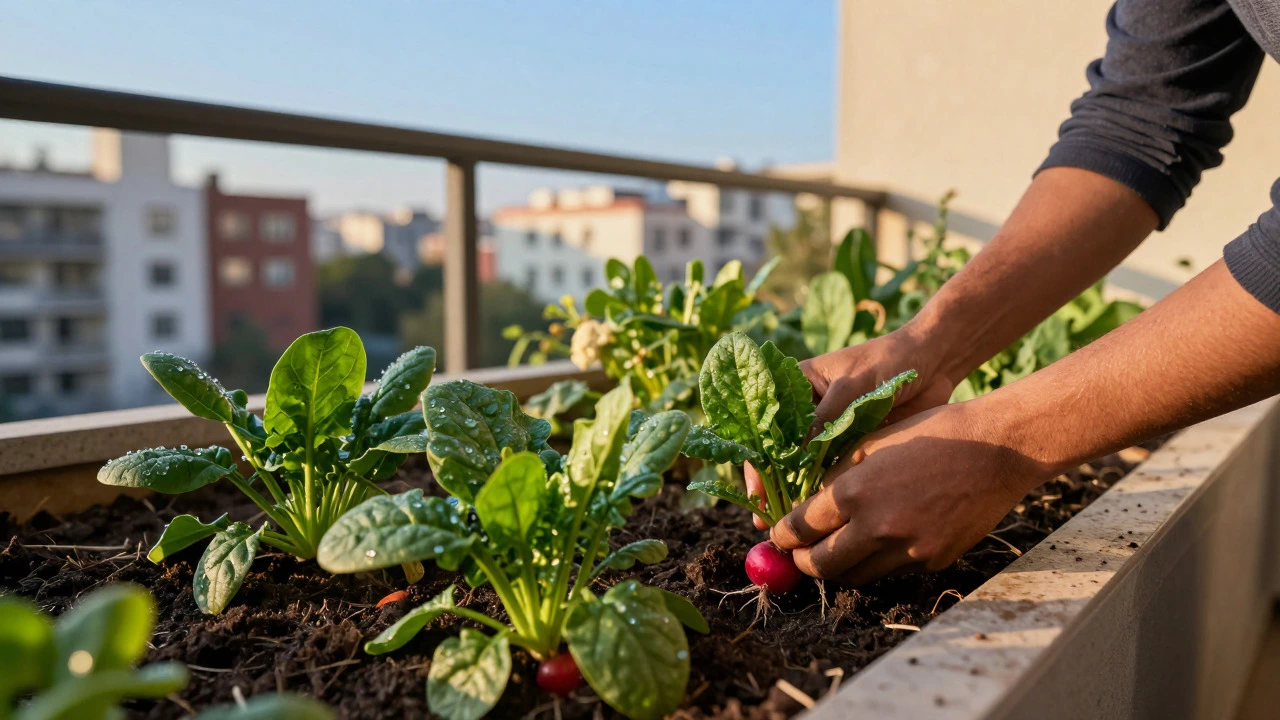
One of the biggest mistakes beginners make is sowing seeds too deep. Small seeds like spinach or lettuce need light to germinate. Press them gently onto the surface and cover with a thin dusting of vermicompost. Large seeds like beans or squash need depth-about twice their size.
Spacing is equally critical. Crowded plants compete for nutrients and trap humidity, inviting fungus. Follow these rough guidelines for common crops:
- Leafy Greens (Spinach, Methi): 6 inches apart.
- Brassicas (Cabbage, Broccoli): 18-24 inches apart.
- Solanaceae (Tomato, Brinjal, Chilli): 24 inches apart.
- Vine Crops (Pumpkin, Cucumber): 3-4 feet apart if grown on ground; use trellises to save space.
Watering Wisdom: Less is Often More
In India, overwatering kills more plants than underwatering. Roots need oxygen. If the soil is constantly soggy, roots drown and rot. Check the soil before you water. Stick your finger one inch deep. If it feels dry, water it. If it’s moist, wait.
Timing matters too. Early morning is the best time to water. This allows leaves to dry before evening, reducing fungal risks. Never water in the hot afternoon sun; droplets act like magnifying glasses and burn leaves. During the monsoon, stop watering entirely unless there’s been no rain for three days. Let nature do the work.
Natural Pest Control Without Chemicals
Chemical pesticides leave residues on the food you eat. In a small home garden, you rarely need them. Most pests can be managed with physical barriers and biological sprays.
Neem Oil Spray: Mix 5ml of cold-pressed neem oil with 1 liter of water and a few drops of liquid soap. Spray every 7-10 days as a preventive measure. It disrupts the life cycle of aphids, whiteflies, and mites.
Yellow Sticky Traps: Hang these near your plants. Flying insects like whiteflies are attracted to the color and get stuck. This reduces the population significantly without touching the plant.
Hand Picking: For large pests like caterpillars or beetles, simply pick them off. Do this early in the morning when they’re sluggish.
Harvesting for Maximum Yield
Don’t wait for vegetables to become oversized. Pick them young. Tender okra, baby carrots, and small cucumbers taste better and encourage the plant to produce more. Once a fruit matures fully, the plant stops investing energy in new growth.
Use sharp scissors or pruners. Tearing stems damages the plant and opens entry points for disease. Regular harvesting keeps the plant productive. For leafy greens, cut outer leaves first, letting the center continue to grow. This extends the harvest period by weeks.
Common Pitfalls to Avoid
Avoid these traps that ruin many home gardens:
- Ignoring Sunlight: Most vegetables need 6-8 hours of direct sun. Shade-tolerant options exist (like mint or coriander), but fruiting plants won’t survive in shade.
- Using Old Seeds: Seed viability drops after two years. Buy fresh seeds from reputable sources. Germination rates plummet with age.
- Planting Everything at Once: Stagger your sowings. Plant a few tomato seeds every two weeks. This ensures a continuous supply rather than a glut followed by famine.
Which vegetables grow fastest in India?
Radishes, spinach, fenugreek (methi), and mustard greens are the quickest. You can harvest radishes in 25-30 days and leafy greens in 30-40 days. These are perfect for beginners who want quick results to stay motivated.
Can I grow vegetables in plastic bags?
Yes, but ensure they are thick enough to last a season and have adequate drainage holes at the bottom. Plastic bags retain heat, so monitor soil temperature closely in summer. They are great for potatoes and chillies but less ideal for deep-rooted crops like carrots.
How do I protect my plants from heavy monsoon rain?
Ensure your pots have excellent drainage. Elevate containers on bricks to prevent waterlogging. For sensitive crops like tomatoes, consider moving them under a shelter or using a polytunnel sheet during peak rains to prevent blossom end rot and fungal infections.
What is the best fertilizer for home vegetable gardens?
Vermicompost is the gold standard for home gardens. It improves soil structure and provides balanced nutrients. Supplement with liquid seaweed extract or fermented banana peel water once a month for potassium, which aids flowering and fruiting.
Why are my tomato flowers falling off?
This is usually due to extreme temperatures (above 35°C or below 15°C) or lack of pollination. In enclosed balconies, gently shake the plants daily to help pollen transfer. Mulching helps regulate soil temperature, and ensuring consistent moisture prevents stress-induced flower drop.