Kitchen Garden Suitability Planner
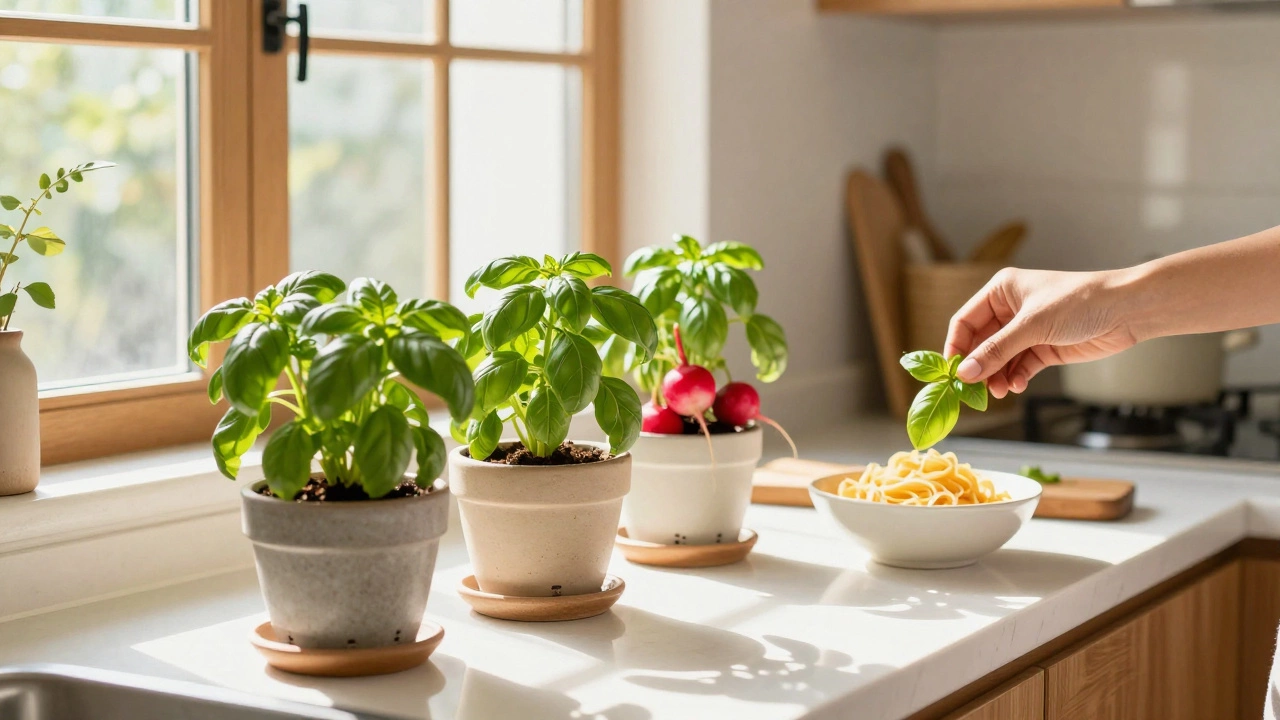
Imagine snapping off a fresh basil leaf while making pasta or pulling a crisp radish from a pot on your counter. It sounds like something out of a magazine, but it’s actually one of the most practical ways to cut grocery bills and eat cleaner. You don’t need a backyard or even a sunny patio to start growing your own food. Your kitchen is already equipped with the light, warmth, and space you need.
Growing kitchen vegetables is a method of cultivating edible plants in small containers within a home environment has shifted from a niche hobby to a mainstream lifestyle choice. With rising food costs and a desire for chemical-free produce, more people are turning their countertops into mini-farms. The key isn't just picking a plant; it's understanding the specific needs of light, soil, and water that these compact ecosystems require.
The Non-Negotiables: Light and Space
Before you buy a single seed packet, look at your windows. Light is the fuel for photosynthesis, and without it, nothing grows. Most kitchen windows face south or west, which provides the intense direct sunlight needed for fruiting crops like tomatoes and peppers. If your window faces north, you’re looking at low-light conditions suitable only for hardy greens like spinach or lettuce.
- South-facing windows: Receive 6-8 hours of direct sun. Ideal for tomatoes, peppers, cucumbers, and hot herbs like basil and oregano.
- East/West-facing windows: Get 3-5 hours of direct sun. Perfect for leafy greens, beans, peas, and cooler-weather herbs like parsley and cilantro.
- North-facing windows: Receive indirect light. Best for microgreens, sprouts, and shade-tolerant herbs like mint (though mint can take over quickly).
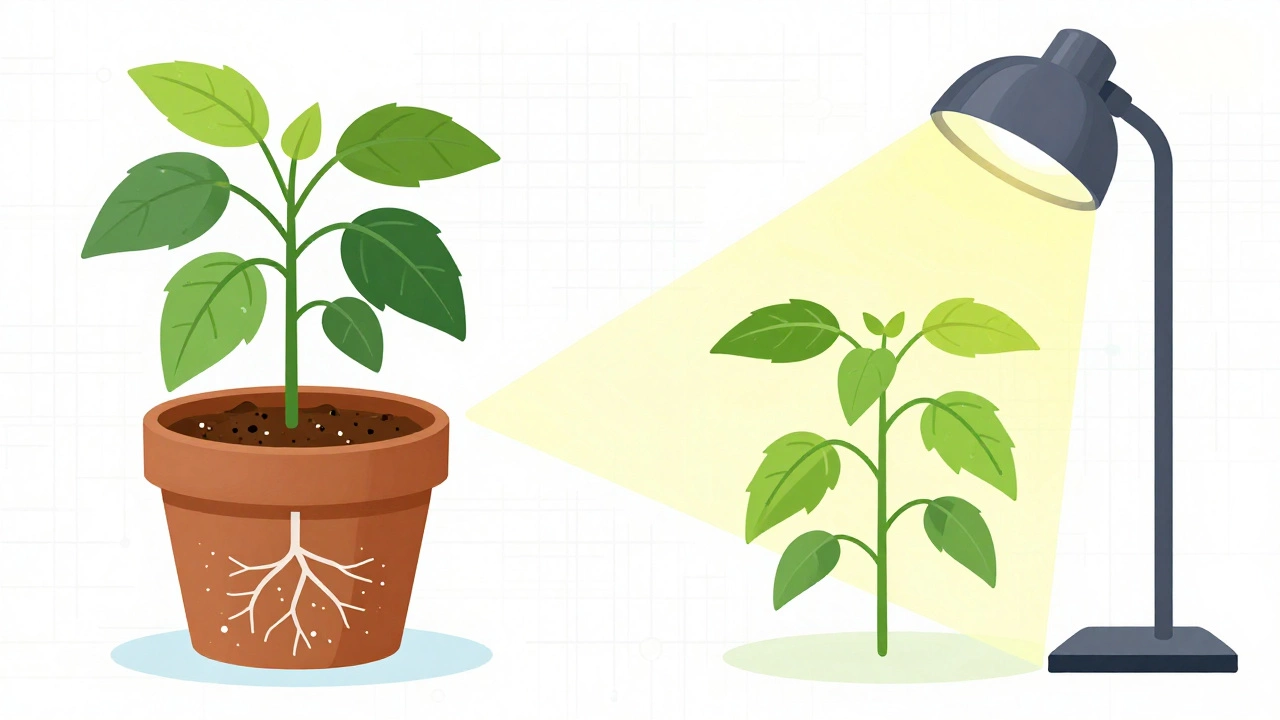
If your kitchen lacks natural light, you have two options: move the plants or add artificial light. LED grow lights are no longer the bulky, red-purple fixtures of the past. Modern slim LEDs mimic full-spectrum sunlight and use very little electricity. Place them 6-12 inches above your plants and run them for 12-14 hours a day using a simple timer. This consistency tricks the plants into thinking it’s always summer, leading to faster growth cycles.
Choosing the Right Containers and Soil
You might be tempted to reuse old yogurt cups or takeout containers. While this works for starting seeds, long-term growth requires proper drainage. Waterlogged roots lead to root rot, the number one killer of indoor plants. Every container must have holes in the bottom. If you want to use decorative pots without holes, keep the plant in a plastic nursery pot and place that inside the decorative one. This "pot-in-pot" method allows you to water freely without creating a swamp in your fancy ceramic vase.
Soil choice is equally critical. Do not dig up dirt from your garden or buy cheap "garden soil." Garden soil compacts in containers, choking the roots. Instead, use a high-quality potting mix is a soilless blend designed for container gardening that ensures proper aeration and drainage. Look for mixes labeled "organic" or those containing perlite and vermiculite. These materials keep the soil loose and airy, allowing oxygen to reach the roots. For heavy feeders like tomatoes, add a slow-release organic fertilizer at planting time to give them a nutrient boost that lasts for weeks.
| Vegetable | Difficulty | Light Needs | Harvest Time |
|---|---|---|---|
| Microgreens | Very Easy | Low to Medium | 7-10 days |
| Lettuce & Spinach | Easy | Medium | 30-45 days |
| Herbs (Basil, Mint) | Easy | High | Ongoing |
| Radishes | Easy | High | 25-30 days |
| Dwarf Tomatoes | Moderate | Very High | 60-80 days |
| Peppers | Moderate | Very High | 70-90 days |
Starting Small: The Beginner’s Crop List
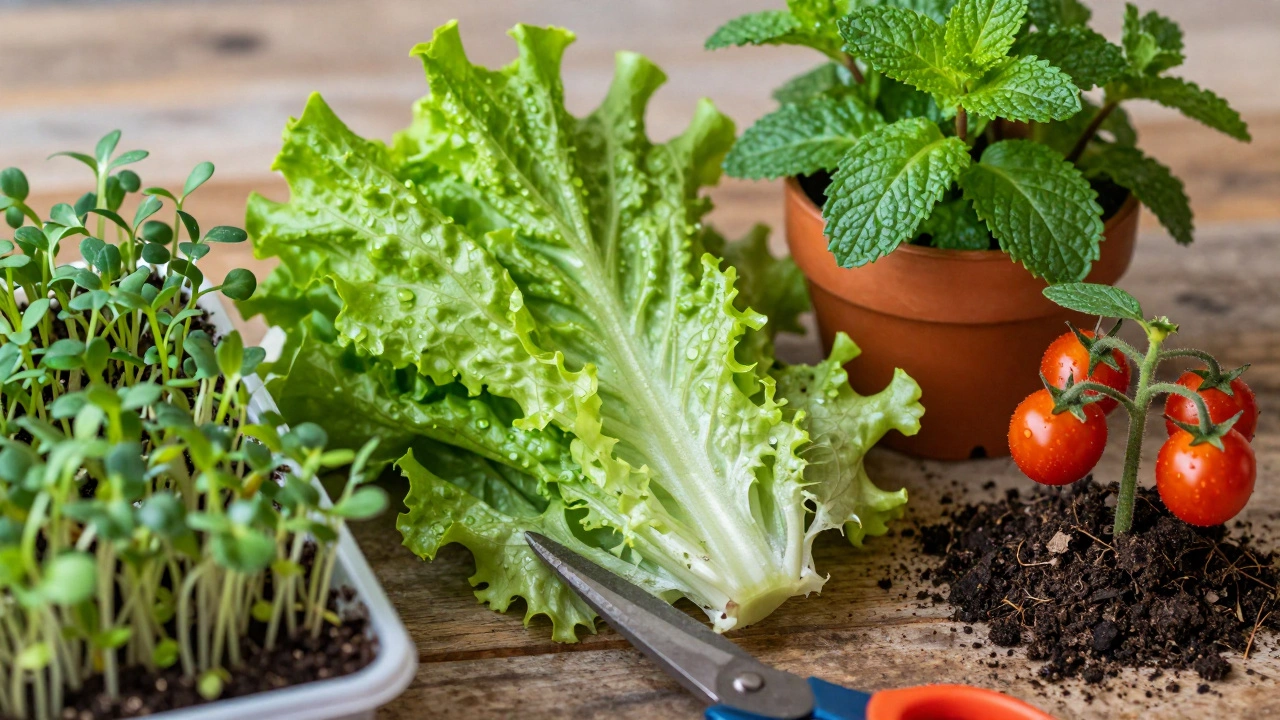
Don’t try to grow a cornfield in your sink. Start with crops that forgive mistakes and provide quick rewards. Microgreens are the ultimate confidence builder. You can grow them in shallow trays on any countertop. Sow seeds densely, mist them daily, and harvest in less than two weeks. They pack a nutritional punch and elevate any sandwich or salad.
Leafy greens like lettuce, arugula, and spinach are next on the ladder. They grow fast and don’t require pollination, meaning you don’t need bees or wind to get a harvest. Use the "cut-and-come-again" method: snip the outer leaves when they’re 3-4 inches tall, leaving the center intact. The plant will continue to produce new leaves for months. This approach gives you continuous food rather than a single big harvest that wilts if you don’t eat it all at once.
Herbs are the workhorses of the kitchen garden. Basil thrives in warm, sunny spots and pairs perfectly with tomato sauce. Mint is invasive outdoors but manageable in a pot, where its strong flavor enhances teas and cocktails. Cilantro bolts (goes to seed) quickly in heat, so keep it in a slightly cooler part of the kitchen and pinch off flower buds to extend its life.
Watering and Feeding: The Art of Balance
Overwatering is easier to do than underwatering. Indoor air is drier than outdoor air, but containers hold moisture longer than ground soil. Before watering, stick your finger an inch into the soil. If it feels dry, water thoroughly until it runs out the bottom. If it’s damp, wait another day. Consistency matters more than volume.
Fertilizing is often overlooked. Potting mix has limited nutrients that deplete after a few weeks. Once your plants establish roots, switch to a diluted liquid organic fertilizer every two weeks. Fish emulsion or seaweed extract are great options that won’t burn delicate roots. Avoid synthetic fertilizers with high nitrogen levels unless you’re growing purely leafy greens, as excess nitrogen can cause leggy growth and fewer fruits.
Pest Control Without Chemicals
Even indoors, pests can show up. Aphids, fungus gnats, and whiteflies are common culprits. Since you’re eating these plants, avoid harsh pesticides. Start with physical removal: blast aphids off with a strong jet of water from the sink. For fungus gnats, let the top inch of soil dry out completely between waterings, as larvae thrive in moist soil. Yellow sticky traps placed near the base of plants catch adult flies, breaking their reproductive cycle.
If infestations persist, use neem oil spray. It’s organic, safe for edibles when used correctly, and effective against a wide range of insects. Apply it in the evening to avoid burning leaves in direct sunlight. Always test on a small leaf first to ensure the plant doesn’t react negatively.
Troubleshooting Common Issues
Yellow leaves usually signal overwatering or poor drainage. Check the pot for standing water and ensure holes aren’t clogged. Leggy, stretched stems mean the plant is starving for light. Move it closer to the window or adjust your grow lights. Brown, crispy leaf edges indicate low humidity. Grouping plants together creates a microclimate with higher humidity, or you can place pots on trays filled with pebbles and water (ensure the pots sit on the pebbles, not in the water).
Flower drop in tomatoes or peppers often points to temperature fluctuations or lack of pollination. Indoors, there’s no wind to shake pollen loose. Gently tap the stem of the plant during the day to release pollen, or use a small paintbrush to transfer pollen between flowers. This manual pollination step is crucial for fruit set in enclosed spaces.
What is the easiest vegetable to grow in a kitchen?
Microgreens and leafy lettuce are the easiest. Microgreens require minimal space and mature in under two weeks, while lettuce grows quickly in partial light and allows for continuous harvesting by cutting outer leaves.
Can I grow tomatoes in a kitchen without a garden?
Yes, but you must choose dwarf or cherry tomato varieties specifically bred for containers. They need a south-facing window with at least 6-8 hours of direct sunlight or supplemental LED grow lights to produce fruit.
How often should I water indoor kitchen plants?
There is no fixed schedule. Check the soil moisture by inserting your finger an inch deep. Water only when the top inch feels dry. Overwatering is the most common cause of death for indoor plants.
Do I need special soil for kitchen gardening?
Yes, use a high-quality potting mix designed for containers. Avoid garden soil, which compacts and lacks drainage. Look for mixes containing perlite or vermiculite to keep roots aerated.
Is it worth buying grow lights for kitchen vegetables?
If your kitchen lacks a south-facing window, grow lights are essential for fruiting crops like tomatoes and peppers. For leafy greens, a bright east or west window may suffice, but lights ensure consistent year-round growth regardless of season.