Indoor Plant Care & Location Checker
Recommended Care Plan
Daily & Weekly Tasks:
Pro Tip:
Most people kill their indoor plants is living vegetation kept inside homes or offices for aesthetic and air-purifying purposes not because they lack love, but because they love them too much. You overwater the fern until its roots rot. You blast the succulent with direct noon sun until it scorches. You ignore the spider plant until it’s a crispy brown stick. Keeping indoor plants alive isn’t about following a rigid schedule; it’s about reading the signals your green companions send you.
The truth is that every room in your house has a unique microclimate. The corner near the north window gets soft, indirect light. The spot by the radiator is dry and warm. The bathroom is humid and dim. If you treat all your plants like they’re in a greenhouse, they will die. This guide cuts through the noise and gives you the practical, no-nonsense steps to keep your collection thriving without turning into a full-time job.
Understanding Light Requirements
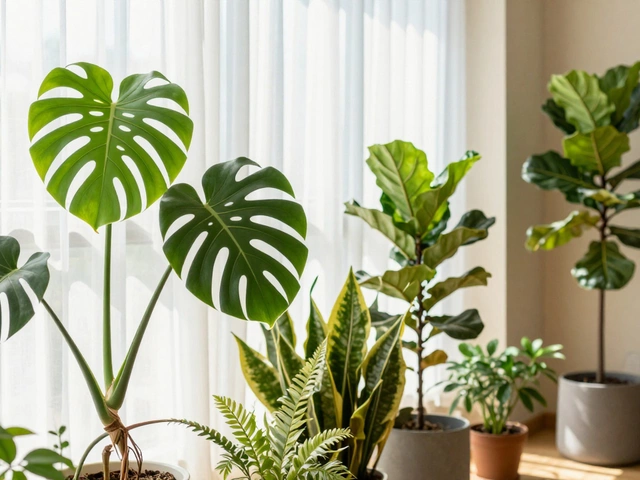
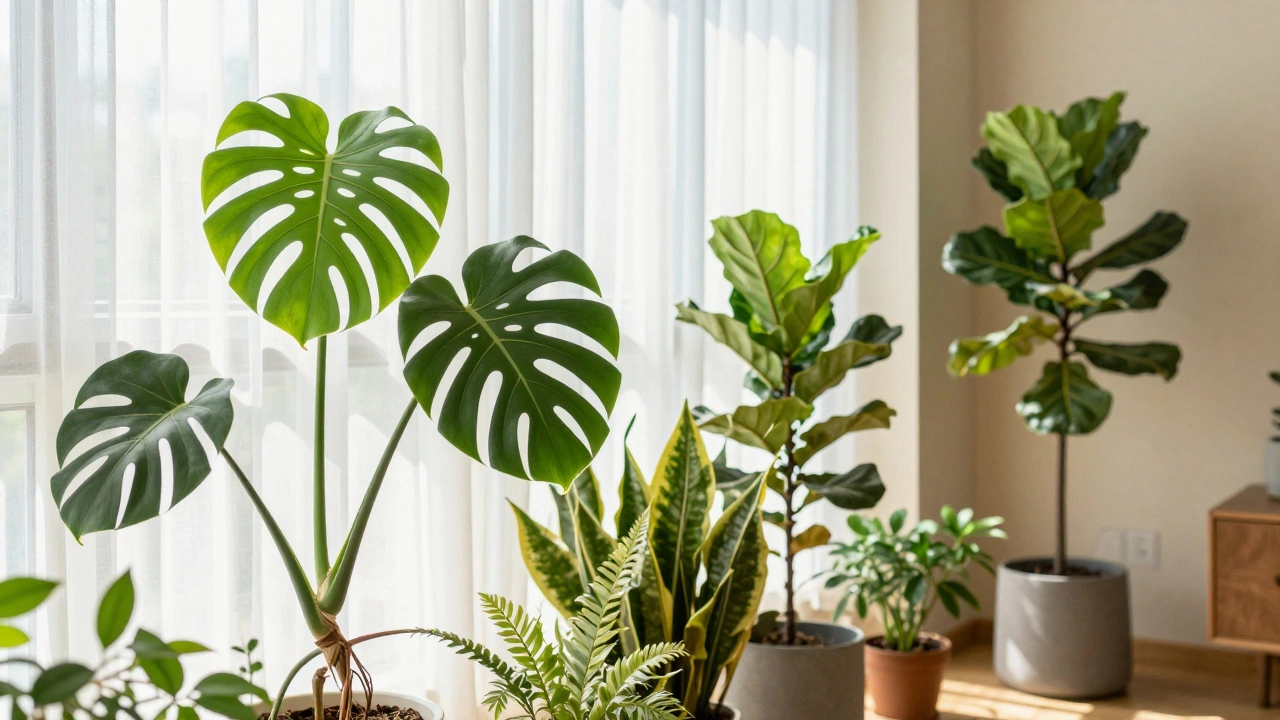
Light is the fuel for photosynthesis, the process by which plants convert sunlight into energy. Without enough of it, even the hardiest Snake Plant is a drought-tolerant succulent known for its upright, sword-like leaves will eventually decline. But here is the catch: "bright light" does not mean "direct sun." For most houseplants, bright indirect light is the sweet spot. This means placing them near a south or west-facing window but behind a sheer curtain or a few feet back from the glass.
If you have an east-facing window, you’re in luck. Morning light is gentle and perfect for Ferns are non-flowering vascular plants that thrive in humid, shaded environments and Calathea is a tropical foliage plant known for its patterned leaves and sensitivity to water quality. North-facing windows provide low light, suitable only for shade-tolerant varieties like Pothos or ZZ plants. If your home is dark, don’t despair. A simple LED grow light running for 12 hours a day can mimic natural sunlight and keep your plants happy year-round.
- Bright Indirect Light: Near a south/west window, filtered by a curtain. Best for Ficus, Monstera, and Orchids.
- Medium Light: East-facing windows or spots 3-5 feet from a south window. Good for Peace Lilies and Dracaena.
- Low Light: North windows or corners away from windows. Suitable for Snake Plants, ZZ Plants, and Pothos.
The Watering Myth: Less Is Often More
Overwatering is the number one killer of indoor plants. It suffocates the roots by filling the soil pores with water instead of oxygen. When roots can’t breathe, they rot, and the plant collapses. The biggest mistake beginners make is watering on a fixed schedule-like every Monday morning. Nature doesn’t work on calendars, and neither should your watering routine.
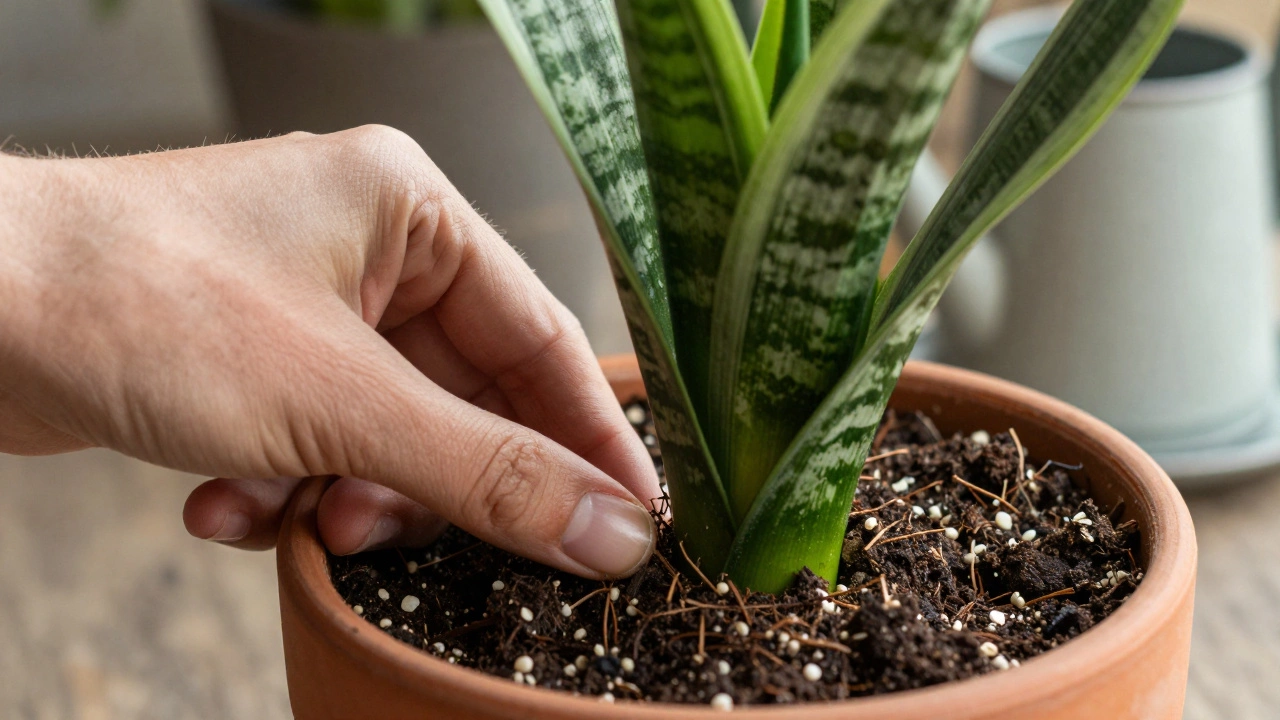
Instead, use the "finger test." Stick your finger into the soil up to the second knuckle (about 2 inches deep). If it feels dry, it’s time to water. If it feels damp or cool, wait another few days. For heavier pots, tap the side-if it sounds hollow, the soil is dry. If it sounds dull, there’s still moisture left. Always water thoroughly until water runs out of the drainage holes at the bottom of the pot. Then, empty the saucer immediately. Letting a plant sit in standing water is a recipe for root rot and fungal diseases.
Different plants have different thirst levels. Succulents and cacti need to dry out completely between waterings. Tropical plants like Ferns and Calatheas prefer consistently moist (but not soggy) soil. In winter, when growth slows down due to shorter days and lower light, reduce watering frequency significantly. Your plant is essentially hibernating and needs less fuel.
Humidity and Temperature Control
Most popular indoor plants come from tropical rainforests where humidity hovers around 60-80%. Our homes, especially in winter with heating systems running, often drop below 30%. This dry air causes brown leaf tips on plants like Spider Plants and Boston Ferns. It’s not always a sign of disease; sometimes it’s just thirst in the air.
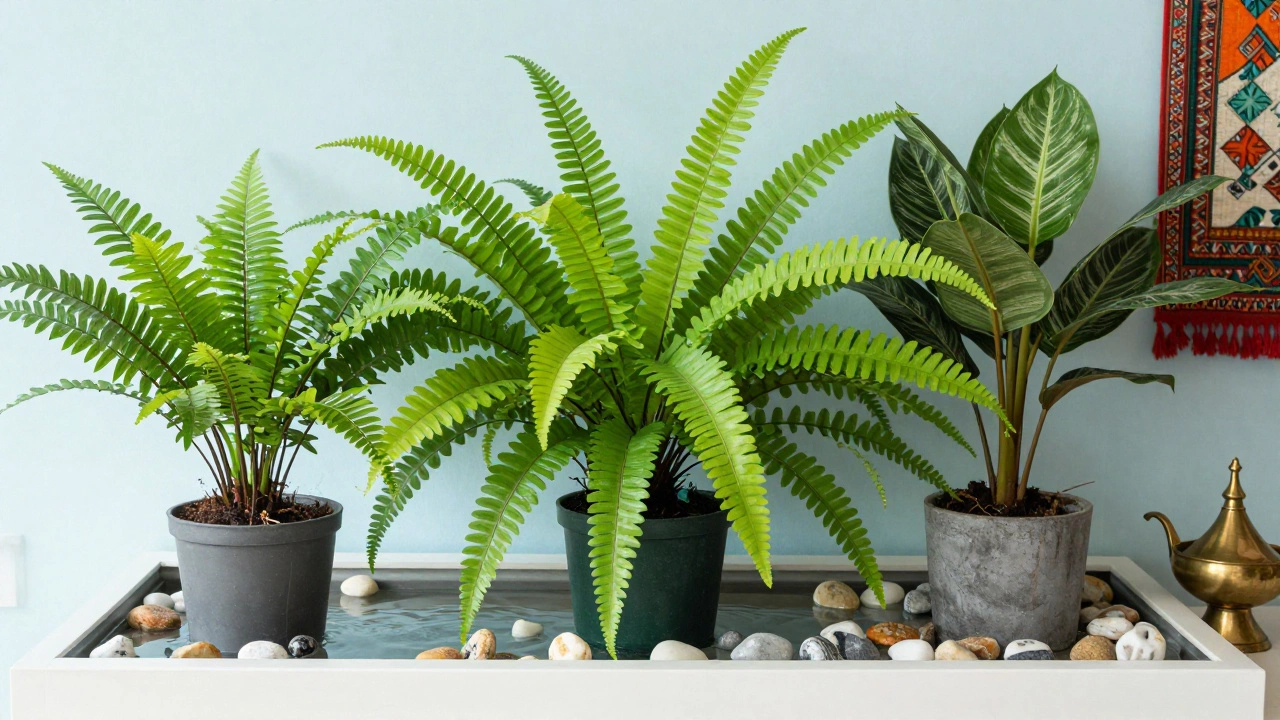
You don’t need a fancy humidifier to fix this. Grouping plants together creates a microclimate as they release moisture through transpiration. Placing pots on trays filled with pebbles and water (ensuring the pot sits above the water line) also boosts local humidity. Avoid misting as a primary solution-it provides only temporary relief and can encourage fungal issues if leaves stay wet overnight.
Temperature stability matters too. Most houseplants thrive in temperatures between 65°F and 75°F (18°C - 24°C). They hate drafts. Keep them away from cold windows in winter and hot vents in summer. Sudden temperature shocks can cause leaf drop, especially in sensitive species like Ficus trees.
Soil Health and Repotting Basics
Garden soil is not suitable for indoor containers. It compacts too easily, blocking airflow and drainage. Use a high-quality potting mix is a soilless blend designed for container gardening, typically containing peat, perlite, and vermiculite specifically labeled for indoor plants. These mixes are loose, airy, and retain moisture without becoming waterlogged.
When do you repot? Look for these signs:
- Roots growing out of the drainage holes.
- The plant dries out incredibly fast after watering.
- Growth has stalled despite proper care.
Repot in early spring when new growth begins. Choose a pot only 1-2 inches wider than the current one. Large gaps of fresh soil around small roots hold too much water and lead to rot. Gently loosen the root ball before placing it in the new pot, and water immediately to settle the soil.
Nutrition: Feeding Your Greens
Plants in pots are cut off from the natural nutrient cycle of the ground. Over time, the soil depletes. During the active growing season (spring and summer), feed your plants with a balanced liquid fertilizer diluted to half strength. Follow the package instructions carefully-more is not better. Over-fertilizing burns roots and leaves, causing yellowing and brown tips.
In fall and winter, stop fertilizing. Plants are dormant and cannot process nutrients. Adding fertilizer during this period only accumulates salts in the soil, which can damage root systems. If you notice white crusty buildup on the soil surface or pot edges, flush the soil by running water through it several times to leach out excess salts.
Pest Management: Catch It Early
Indoor plants are susceptible to pests like Spider Mites are tiny arachnids that suck sap from leaves, leaving fine webbing and stippling, Mealybugs are soft-bodied insects that appear as white cottony masses in leaf joints, and Aphids are small green or black insects that cluster on new growth. Inspect the undersides of leaves regularly. If you see tiny moving specks, sticky residue, or webbing, act fast.
Isolate the affected plant immediately to prevent spreading. For minor infestations, wipe leaves with a damp cloth dipped in soapy water. Neem oil is a natural, effective treatment for many common pests. Apply it according to label directions, ensuring you cover all leaf surfaces. Consistency is key-treat every 7-10 days until the pests are gone.
Why are my indoor plant leaves turning yellow?
Yellow leaves usually indicate overwatering or poor drainage. Check if the soil is soggy. If it is, let it dry out completely before watering again. Yellowing can also result from nutrient deficiency or natural aging of older leaves. If only the bottom leaves turn yellow and drop while new growth remains healthy, it’s likely normal aging.
Can I use regular garden soil for indoor plants?
No, garden soil is too dense for containers and lacks proper drainage. It compacts over time, suffocating roots. Always use a commercial potting mix designed for indoor use, which includes perlite or vermiculite to keep it airy and well-draining.
How often should I fertilize my houseplants?
Fertilize monthly during spring and summer with a diluted balanced liquid fertilizer. Stop fertilizing in fall and winter when plant growth slows down. Over-fertilizing can burn roots and cause leaf tip damage.
What is the best way to increase humidity for indoor plants?
Group plants together to create a humid microclimate. Use a tray with pebbles and water beneath the pots (ensure the pot doesn't sit in the water). A household humidifier is also effective. Avoid misting as a long-term solution since it doesn't significantly raise ambient humidity.
Why are the tips of my plant leaves turning brown?
Brown leaf tips often signal low humidity, salt buildup from fertilizer, or inconsistent watering. Trim the brown parts with clean scissors. Improve humidity, flush the soil occasionally to remove salts, and maintain a consistent watering schedule.