There is nothing quite like the taste of a tomato you pulled from the vine yourself. It’s brighter, sweeter, and somehow more satisfying than anything you’ll find in a supermarket. But if you’ve never grown your own food, the idea of starting a kitchen garden can feel overwhelming. Do you need acres of land? Expensive equipment? A green thumb passed down through generations?
The answer to all of that is no. You don’t need a farm to grow your own food. You just need a plan, a little bit of space, and the willingness to get your hands dirty. Whether you have a sprawling backyard in Manchester or a tiny balcony in a city apartment, you can create a productive space that feeds you throughout the growing season.
Why Start a Kitchen Garden?
Before we dig into the soil, let’s talk about why you should bother. Growing your own food isn’t just a hobby; it’s a lifestyle shift. First, there’s the cost. Vegetables like salad leaves, radishes, and herbs are incredibly expensive in stores, especially when you want them fresh and organic. Growing them at home cuts that cost significantly.
Then there’s the health angle. When you grow your own produce, you control what goes into the soil. No hidden pesticides, no wax coatings to make apples look shiny, and no long-distance transport that strips nutrients from the food before it even reaches your plate. Plus, there is a psychological benefit. Tending to plants reduces stress and gives you a tangible connection to nature, even in an urban environment.
Choosing Your Space: Sunlight and Soil
The most critical factor in any garden is sunlight. Most vegetables need at least six to eight hours of direct sunlight daily. Leafy greens like spinach and lettuce can manage with four hours, but fruiting plants like tomatoes and peppers will struggle without full sun. Take a walk around your property during midday. Where does the light hit hardest? That’s your prime real estate.
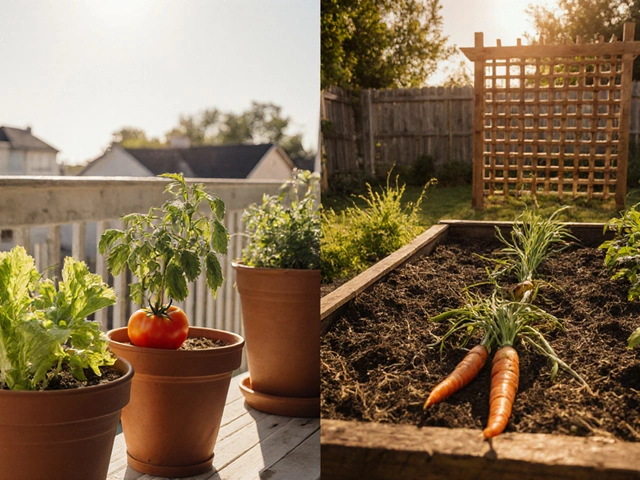
If you’re working with poor soil-common in many UK gardens-you have two options: improve it or bypass it entirely. Improving soil involves adding compost, manure, and organic matter to increase drainage and nutrient content. Bypassing it means using raised beds or containers. Raised beds are excellent because they warm up faster in spring, allowing you to plant earlier. They also give you total control over the soil mix, which is crucial if your native ground is heavy clay or sandy.
Planning Your Layout: Succession Planting
A common mistake beginners make is planting everything at once in April. By July, you’ll have a glut of carrots and then nothing else. To avoid this, use succession planting. This means sowing seeds every two to three weeks for fast-growing crops like radishes, beans, and lettuce. This ensures a continuous harvest rather than a single massive dump of produce.
You should also consider companion planting. Some plants help each other grow. For example, planting basil near tomatoes can repel pests and potentially improve flavor. Marigolds are great for deterring nematodes in the soil. On the flip side, avoid planting onions near peas, as they can stunt growth. Planning your layout on paper before you dig helps you visualize these relationships and maximize your space.
| Crop | Days to Harvest | Sun Requirement | Difficulty |
|---|---|---|---|
| Radishes | 25-30 days | Full Sun to Partial Shade | Very Easy |
| Lettuce | 45-60 days | Partial Shade | Easy |
| Cherry Tomatoes | 70-80 days | Full Sun | Moderate |
| Bush Beans | 50-60 days | Full Sun | Easy |
| Herbs (Basil, Mint) | Ongoing | Full Sun | Very Easy |
Soil Preparation: The Foundation of Growth
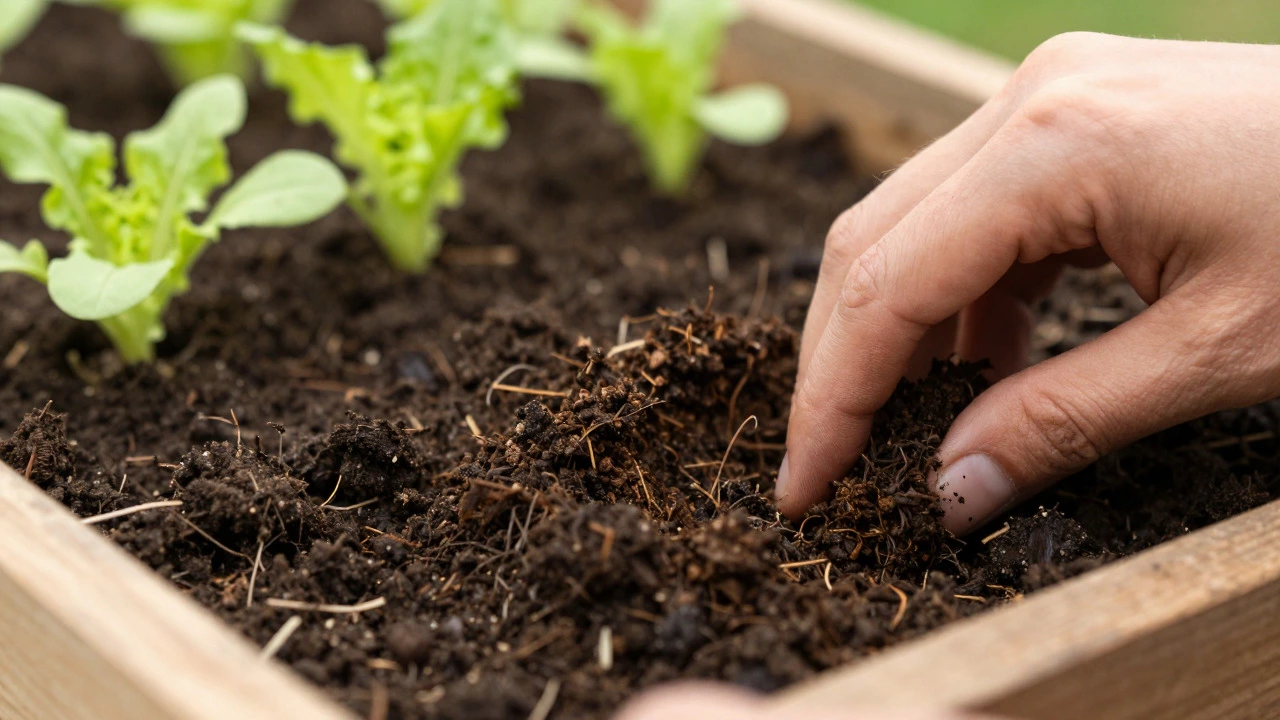
Healthy soil equals healthy plants. If your soil is compacted, roots can’t penetrate deeply, and water runs off instead of soaking in. Start by removing weeds and debris. Then, test your soil pH. Most vegetables prefer a slightly acidic to neutral pH, between 6.0 and 7.0. In the UK, many soils are naturally acidic due to rainfall. If yours is too acidic, add garden lime. If it’s too alkaline, add sulfur or peat moss.
Once the pH is balanced, add organic matter. Compost is king here. It improves soil structure, retains moisture, and provides slow-release nutrients. Aim for a layer of 2-3 inches of compost mixed into the top 6-8 inches of soil. If you don’t have homemade compost, buy high-quality bagged compost. Avoid cheap fillers; you want material rich in humus.
Starting Seeds vs. Buying Seedlings
You can start your garden from seeds or buy young plants (seedlings) from a nursery. Seeds are cheaper and offer more variety, but they take longer and require careful attention to temperature and humidity. Seedlings are more expensive but give you a head start. For beginners, I recommend buying seedlings for tough crops like tomatoes, peppers, and brassicas (cabbage, broccoli). These plants are sensitive to cold and pests early on.
For root vegetables like carrots and parsnips, always use seeds. Transplanting shock often ruins their shape, leading to forked or misshapen roots. Direct sow these into the garden after the last frost date. In Manchester, this is usually late May. Mark your calendar, because timing is everything.
Watering and Mulching: Saving Time and Water
Watering is where many new gardeners fail. Overwatering drowns roots, while underwatering stresses plants. The golden rule is deep, infrequent watering. It’s better to soak the soil thoroughly once or twice a week than to sprinkle it lightly every day. Deep watering encourages roots to grow downward, making plants more drought-resistant.
To retain moisture and suppress weeds, apply mulch. Mulch can be straw, wood chips, grass clippings, or shredded leaves. Apply a 2-3 inch layer around your plants, keeping it away from the stems to prevent rot. Mulch acts like a blanket, keeping soil cool in summer and warm in winter. It also breaks down over time, adding nutrients back into the soil.
Pest Control Without Chemicals
Insects will come. Slugs, aphids, and caterpillars love your hard work. Instead of reaching for chemical pesticides, try integrated pest management. Start with physical barriers. Copper tape around pots deters slugs. Netting over brassicas protects them from cabbage white butterflies.
Encourage beneficial insects. Ladybugs eat aphids. Lacewings devour soft-bodied pests. Plant flowers like calendula and borage to attract these helpers. If an infestation gets out of hand, use neem oil or insecticidal soap. These are organic options that break down quickly and don’t harm bees or birds when used correctly.
Maintaining Your Garden Through the Seasons
Gardening isn’t a one-time event; it’s a cycle. In spring, focus on planting and soil prep. Summer is for harvesting and watering. Autumn is for cleaning up and planting cover crops like clover or rye to protect the soil over winter. Winter is for planning next year’s garden and repairing tools.
Don’t forget to rotate your crops. Planting the same family of vegetables in the same spot year after year depletes specific nutrients and builds up soil-borne diseases. Divide your garden into four sections and rotate families: legumes, brassicas, root vegetables, and fruiting plants. This simple practice keeps your soil healthy and reduces pest pressure.
Can I start a kitchen garden in a small apartment?
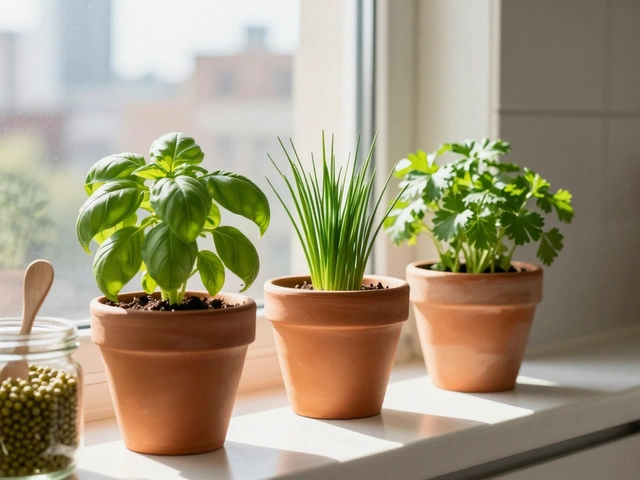
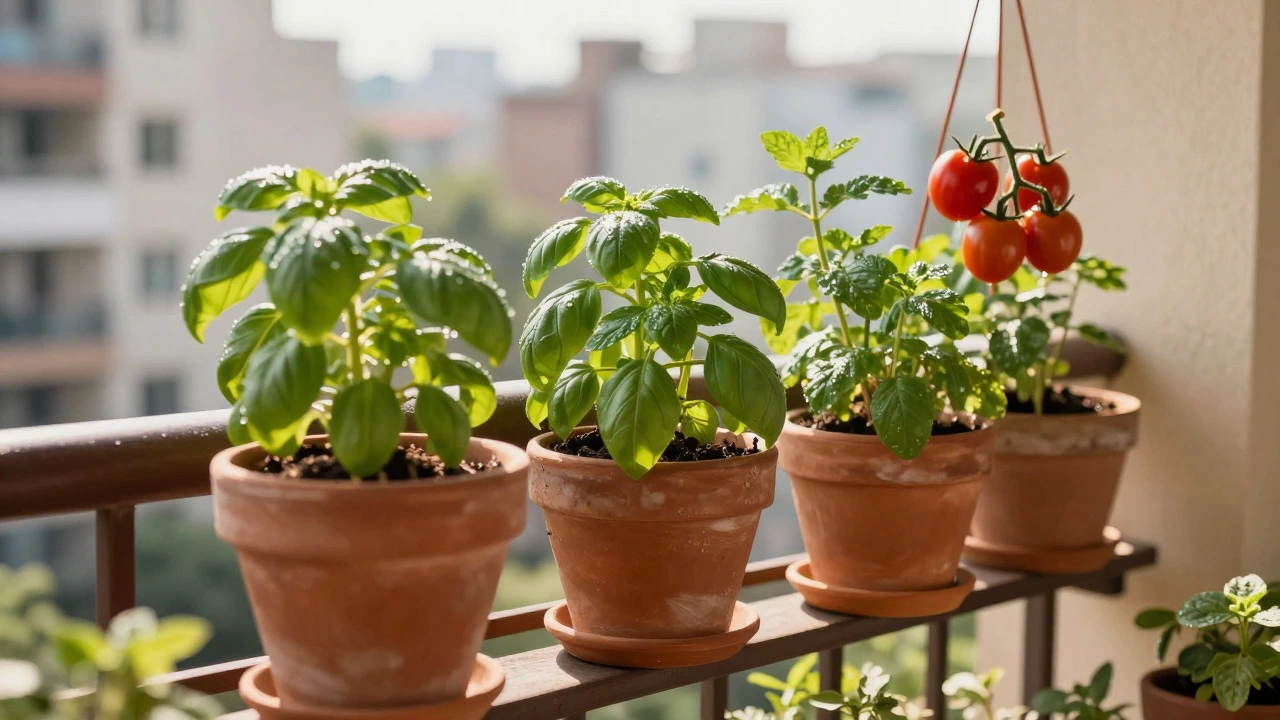
Absolutely. You can grow herbs, leafy greens, and even dwarf varieties of tomatoes and peppers in pots on a sunny windowsill or balcony. Use high-quality potting mix and ensure containers have drainage holes. Self-watering pots can help maintain consistent moisture levels in small spaces.
What is the best time to start a kitchen garden in the UK?
Spring is the primary season, specifically March to May. However, you can start seeds indoors in February under grow lights. For autumn harvests, sow fast-growing crops like radishes and lettuce in late summer. Planning ahead allows you to extend your growing season significantly.
Do I need expensive tools to start gardening?
No. You only need a trowel, a hand fork, pruning shears, and a watering can. Invest in quality tools gradually as you learn what works for you. Cheap plastic tools often break quickly, so spending a bit more on durable steel or fiberglass handles pays off in the long run.
How do I keep slugs away from my plants?
Slugs are a major issue in damp climates. Use copper tape, beer traps, or diatomaceous earth around vulnerable plants. Hand-picking them at night with a flashlight is also effective. Encouraging predators like frogs and hedgehogs in your garden can naturally control slug populations.
Can I grow vegetables in shade?
Yes, but options are limited. Leafy greens like spinach, kale, and lettuce tolerate partial shade well. Herbs like mint and parsley also do okay. Fruiting plants like tomatoes and peppers generally need full sun to produce well. Check your specific location's light levels before choosing crops.