Kitchen Garden Space Calculator
Select Your Plants
Click on plants to add them to your garden plan:
Your Garden Plan
You don’t need an acre of land to grow your own food. In fact, you might be surprised by how little square footage it actually takes to produce fresh herbs, salad greens, and even some vegetables right outside your back door or on a sunny windowsill. The biggest myth in kitchen gardening is the practice of growing edible plants specifically for immediate household consumption is that it requires a sprawling backyard. That’s simply not true.
The real question isn’t “Do I have enough space?” but rather “How can I use the space I have most effectively?” Whether you have a tiny balcony, a patch of dirt between the driveway and the house, or just a south-facing window, there is a setup that works for you. Let’s break down exactly how much space you need based on what you want to grow and where you plan to put it.
The "Shelf-Space" Solution: Zero Square Footage Required
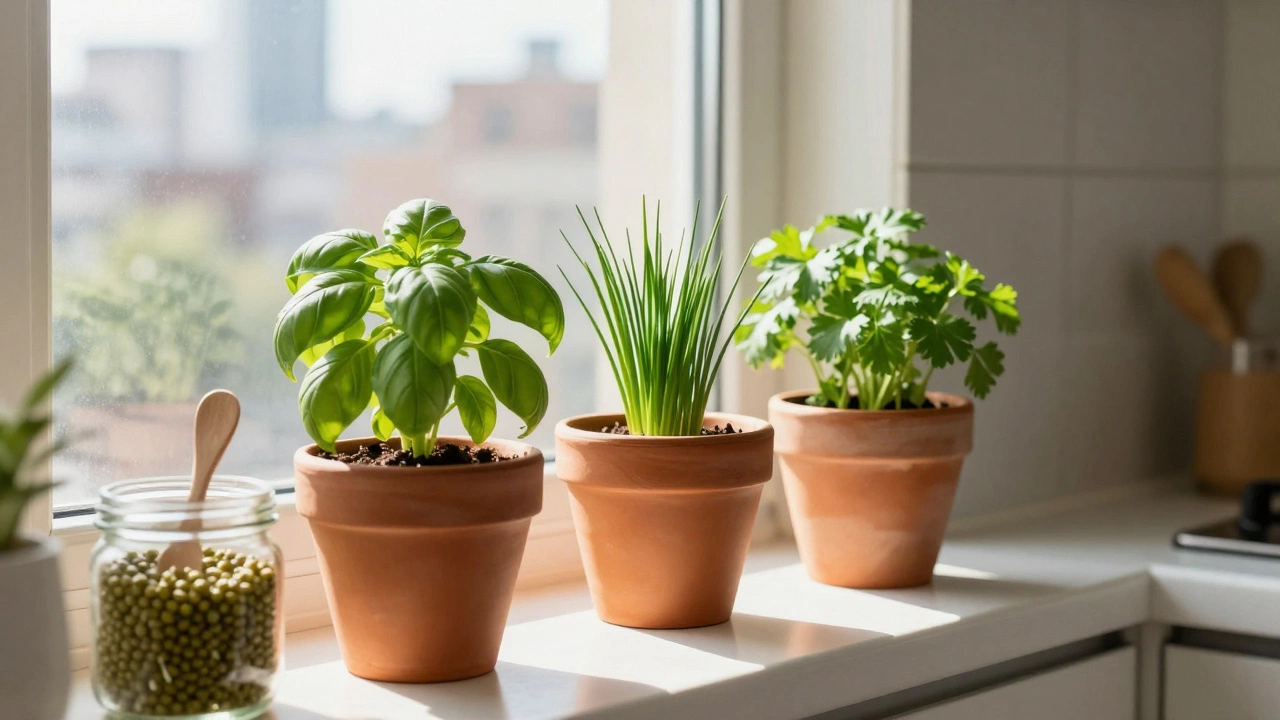
If you live in an apartment with no outdoor access, your kitchen counter is your farm. This is the absolute minimum entry point into growing your own food. You don’t need soil bags or complex irrigation systems here. You just need light and a few containers.
For this level of gardening, think about high-turnover herbs and microgreens. Basil, chives, parsley, and mint thrive in pots that are only 6 to 8 inches wide. A single windowsill can hold three to four of these pots. If you’re interested in protein, consider sprouting mung beans or alfalfa in jars. These take up virtually zero floor space and are ready to eat in three to five days.
- Basil: Needs 4-6 hours of direct sun. Perfect for pasta sauce and pesto.
- Chives: Tolerates lower light. Great for garnishing eggs and potatoes.
- Microgreens: Grow in shallow trays (2-inch depth). Harvest in 7-10 days.
This approach is ideal if you cook daily and want fresh flavor without the commitment of maintaining a larger garden. It’s low risk, low cost, and fits into any lifestyle.
The Balcony or Patio Plot: 10 to 50 Square Feet
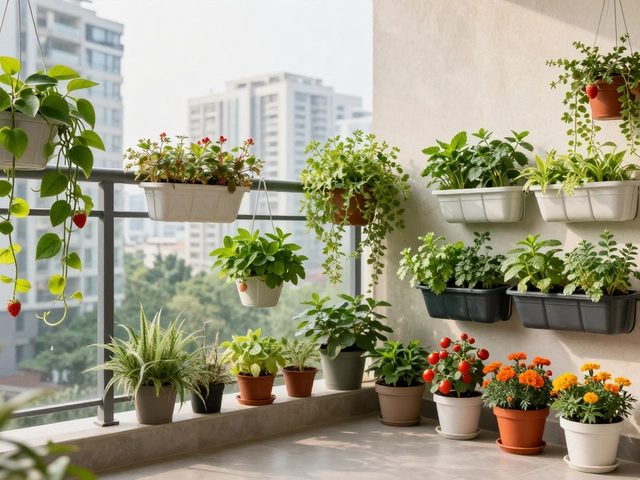
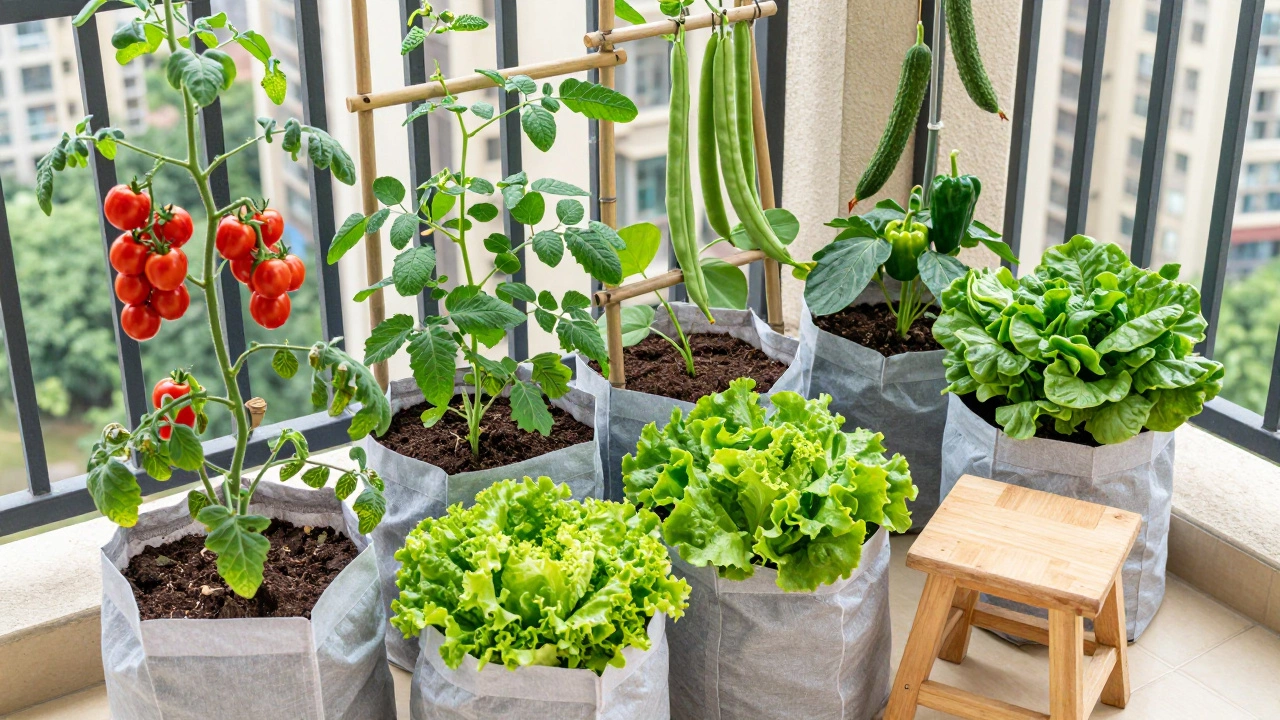
Most urban dwellers fall into this category. You have a balcony, a small patio, or a corner of a deck. This gives you between 10 and 50 square feet of usable space. With this amount of room, you can move beyond just herbs and start growing actual vegetables like tomatoes, peppers, and lettuce.
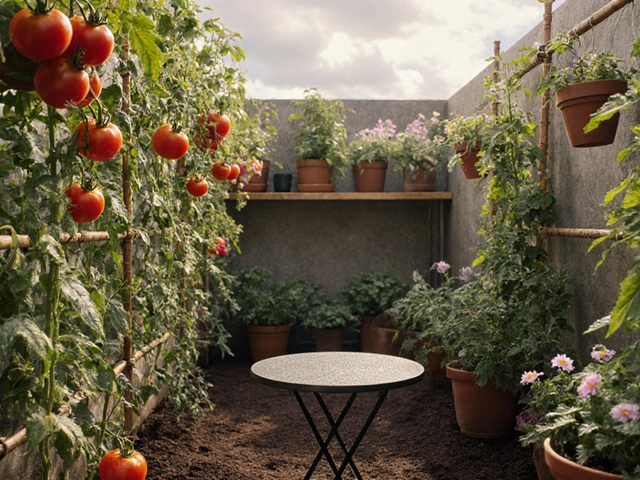
The key here is verticality. Since your horizontal space is limited, you need to look up. Use trellises for climbing plants like pole beans, cucumbers, and peas. This keeps them off the ground and allows you to grow more in less space. For bushier plants like cherry tomatoes, use large fabric grow bags or 5-gallon buckets. These are lightweight and easy to move if you need to rearrange your layout.
| Plant Type | Pot Size Needed | Spacing Between Pots | Yield Estimate |
|---|---|---|---|
| Cherry Tomatoes | 5-gallon bucket | 18-24 inches | 10-15 lbs per plant |
| Lettuce/Greens | 6-inch pot or window box | 6-8 inches | Cut-and-come-again harvest |
| Bell Peppers | 3-5 gallon pot | 12-18 inches | 5-10 peppers per plant |
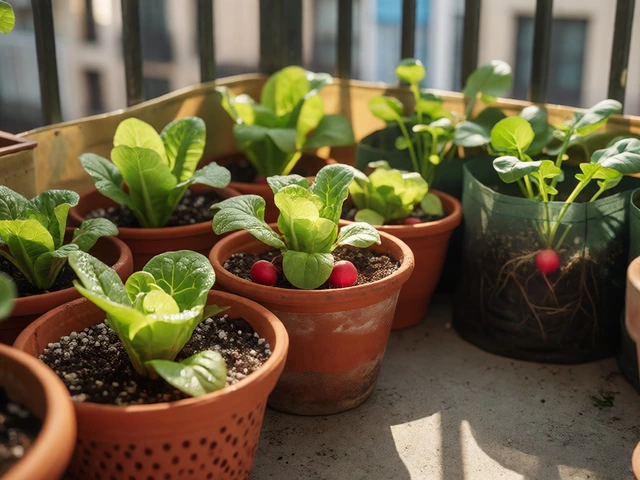
| Radishes | Deep tray or narrow pot | 2-3 inches apart | Ready in 25-30 days |
In a 4x4 foot raised bed (16 square feet), you can fit quite a bit if you use intensive planting methods. Instead of spacing plants far apart as traditional farming suggests, plant them closer together. This suppresses weeds and maximizes yield. Just ensure you amend the soil heavily with compost to support the higher density of roots.
The Backyard Expansion: 100+ Square Feet
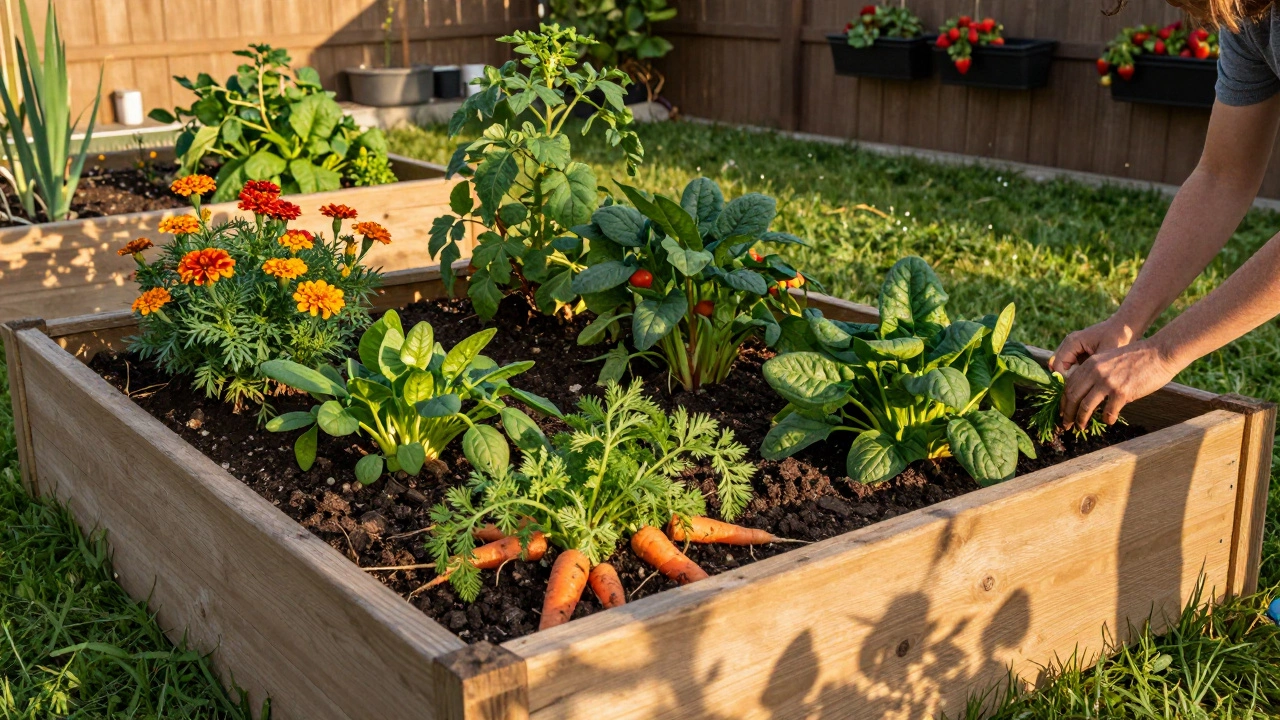
If you have a yard, you can scale up significantly. However, starting too big is a common mistake. Many beginners build a 10x20 foot garden and get overwhelmed by weeding and watering. Start smaller than you think you need. A 4x8 foot raised bed is often enough for a family of four if planned correctly.
With more space, you can introduce root vegetables like carrots, beets, and potatoes. These require deeper soil than containers typically provide. Raised beds allow you to control soil quality completely, which is crucial since many native soils are compacted or poor in nutrients.
Consider companion planting to make every inch count. Planting marigolds alongside tomatoes helps repel nematodes. Growing basil near peppers may improve flavor and deter pests. This biological synergy means you’re not just using space for crops, but also for ecosystem health.
Vertical Gardening: Maximizing Every Inch
Whether you have 10 square feet or 1,000, vertical gardening is a game-changer. It involves growing plants upwards rather than outwards. This technique is essential for small spaces but beneficial everywhere.
Here are three effective vertical methods:
- Trellising: Use bamboo stakes or wire cages for vining crops like cucumbers, squash, and melons. Keep the fruit off the ground to prevent rot and pest damage.
- Wall-Mounted Planters: Install pocket planters on fences or walls. These are perfect for strawberries, leafy greens, and herbs. They turn dead wall space into productive garden area.
- Stackable Towers: Commercial tower gardens or DIY PVC pipe towers allow you to grow dozens of plants in a footprint of just 2 square feet. Water drips down from the top, ensuring all plants get hydrated.
Vertical gardening changes the geometry of your space. You stop thinking in squares and start thinking in cubes. This mindset shift is critical for anyone trying to maximize yield in a confined area.
Planning Your Layout: Succession Planting
Space isn’t just about physical dimensions; it’s also about time. One of the smartest ways to get more out of a small garden is succession planting. This means planting new crops immediately after harvesting previous ones.
For example, radishes mature in about 30 days. After you harvest them, the same spot can be used for lettuce, which takes 45-60 days. Once the lettuce is done, you can plant spinach for the cooler fall weather. By rotating crops, one square foot of space can produce three different harvests in a single season.
Keep a simple calendar or journal. Note when you planted each crop and when you harvested it. This data helps you plan better next year. You’ll quickly see patterns, such as which crops did well together and which ones struggled for space.
Common Mistakes to Avoid
Even with the best plans, things can go wrong. Here are a few pitfalls that waste space and effort:
- Overcrowding: While close planting is good, too close prevents air circulation. This leads to fungal diseases like powdery mildew, especially in tomatoes and cucumbers.
- Ignoring Light: Most vegetables need at least 6 hours of direct sunlight. Leafy greens can manage with 4 hours. Don’t plant sun-loving tomatoes in the shade of a tree.
- Underestimating Water Needs: Containers dry out faster than ground soil. In hot weather, potted plants may need water twice a day. Self-watering containers or drip irrigation systems can save time and prevent drought stress.
Start with what you love to eat. There’s no point in growing zucchini if you hate zucchini bread. Focus on high-value crops that are expensive or hard to find fresh in stores, like herbs, specialty lettuces, and heirloom tomatoes.
Can I grow a kitchen garden indoors?
Yes, absolutely. Indoor gardening focuses on herbs, microgreens, and leafy vegetables like lettuce and spinach. You will need a south-facing window or grow lights to provide sufficient light. Ensure good airflow to prevent mold and fungus gnats.
What is the smallest vegetable I can grow in a pot?
Radishes and green onions are among the smallest. Radishes can be grown in pots as shallow as 6 inches deep. Green onions can be regrown from scraps in small containers with just an inch of soil and water.
How do I maximize yield in a small raised bed?
Use intensive planting methods, such as the French Intensive method, which plants crops closely together. Combine this with succession planting, where you replace harvested crops immediately. Add vertical elements like trellises for climbing plants to utilize upward space.
Do I need special soil for container gardening?
Yes, regular garden soil compacts in containers and drains poorly. Use a high-quality potting mix designed for containers. These mixes contain peat, coco coir, or vermiculite to retain moisture while allowing excess water to drain, preventing root rot.
Is vertical gardening difficult to maintain?
Not necessarily. Vertical gardens can dry out faster because they are exposed to wind and sun on multiple sides. Using self-watering systems or mulching the top layer helps retain moisture. Regular inspection is needed to ensure lower leaves aren't shaded out.