Moringa Nutrient Comparison Tool
Select a nutrient to see how 100g of dried Moringa leaves compares to other popular greens.
Protein Comparison
Quick Highlights of the Miracle Tree
- Nutritional Powerhouse: Contains more Vitamin C than oranges and more potassium than bananas.
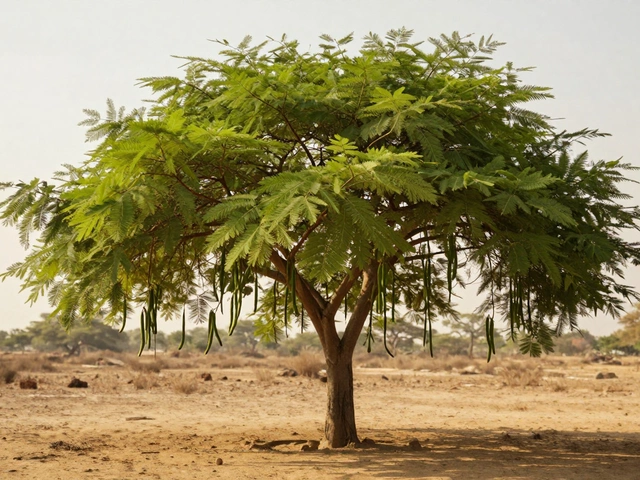
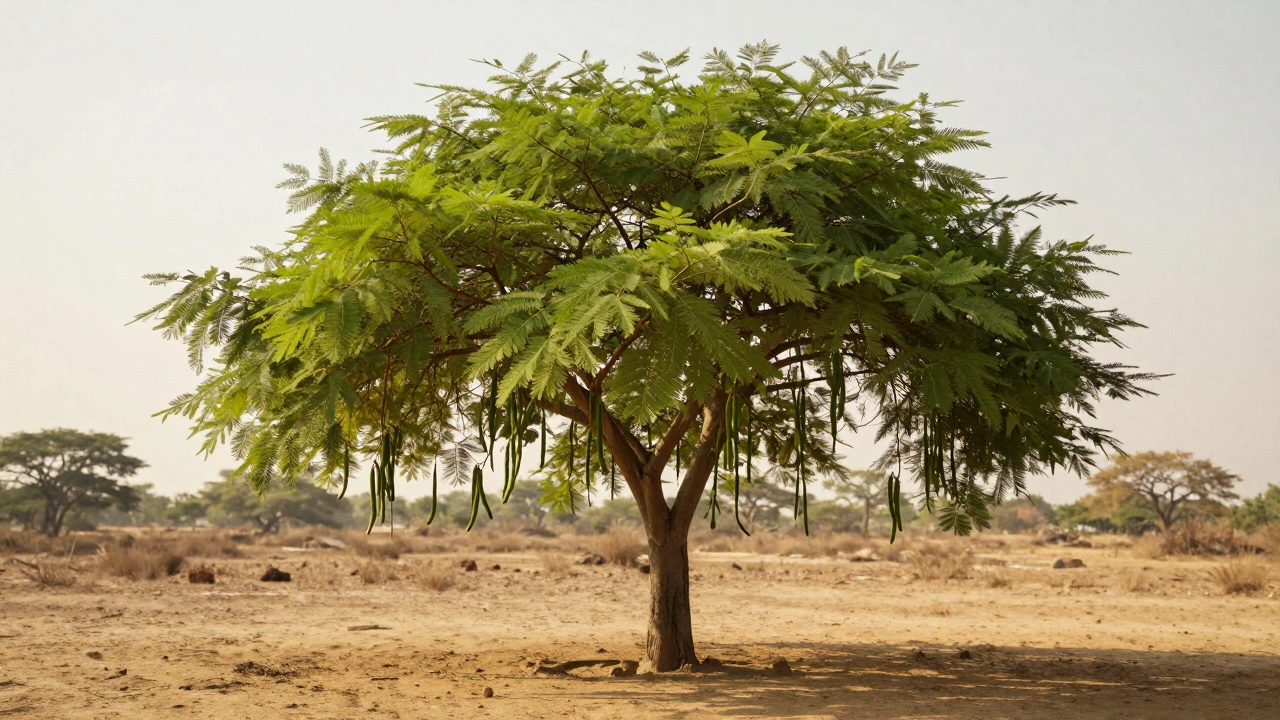
- Extreme Resilience: Thrives in arid zones and requires very little water once established.
- Versatility: Every part-leaves, pods, seeds, and roots-is edible or medicinal.
- Water Purification: Seeds can act as a natural coagulant to clear turbid water.
The Nutritional Blueprint of Moringa
Why do nutritionists call it a miracle? When you look at the data, the numbers are staggering. For example, if you take 100 grams of dried Moringa leaves, you're getting roughly 27 grams of protein. That's a massive amount for a plant-based source, making it a critical tool for combating protein deficiency in rural villages across India. Unlike many seasonal crops that only provide value during a short harvest window, Moringa provides nutrient-dense foliage year-round in tropical climates.
The plant is also loaded with Quercetin, a powerful antioxidant that helps stabilize histamine levels in the body. If you struggle with seasonal allergies or chronic inflammation, the compounds in Moringa leaves act as natural anti-inflammatories. It's not just about vitamins; it's about the bioavailability of these nutrients, meaning your body actually absorbs them efficiently.
How to Use Every Part of the Plant
Most people only know the "drumsticks"-the long pods used in curries-but the real magic lies in the leaves and seeds. If you're growing this in your own garden or buying it from a market, here is how to actually use it:
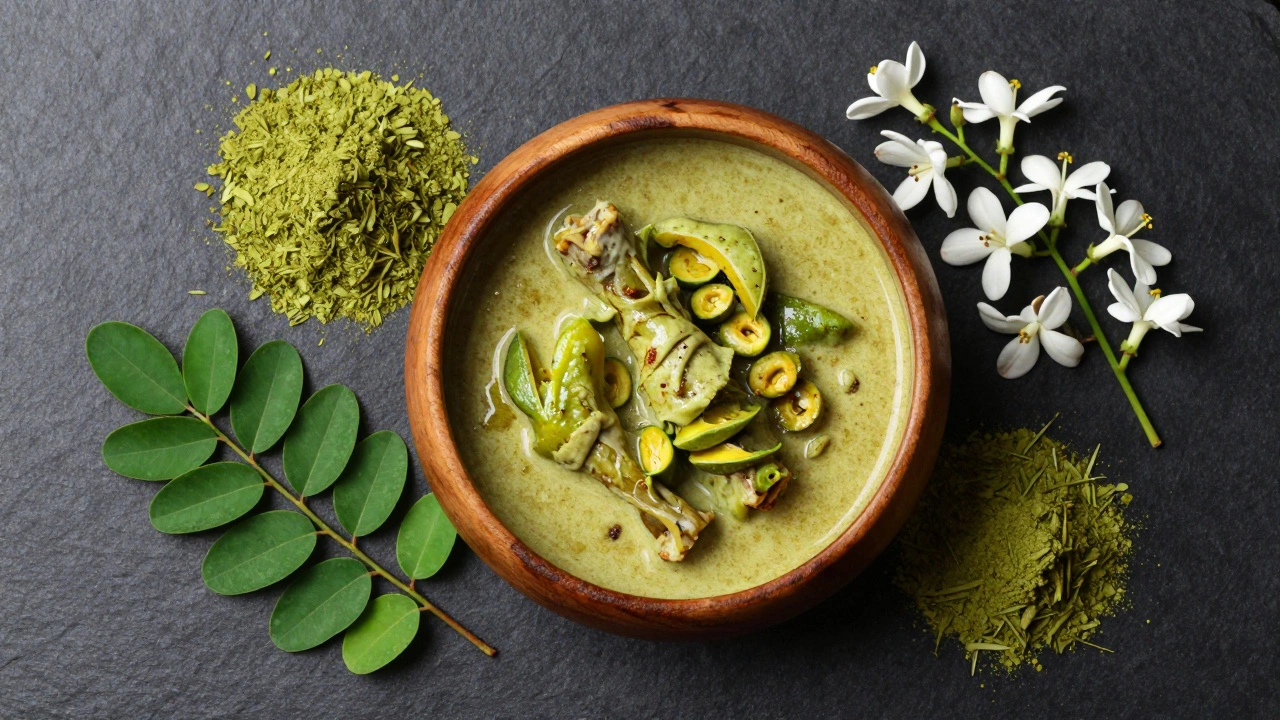
- The Leaves: Fresh leaves can be steamed or added to dals. For a more concentrated dose, dry them in the shade (not direct sun, to preserve vitamins) and grind them into a powder. Add a spoonful to your morning smoothie or oatmeal.
- The Pods (Drumsticks): These are the classic culinary part. Peel the outer skin, cut them into pieces, and simmer them in a coconut-based gravy. They add a distinct, earthy flavor and a wealth of minerals.
- The Seeds: These can be eaten raw or pressed to create Ben Oil, which is prized for skin moisturizing and joint pain relief.
- The Flowers: Often overlooked, the white flowers are edible and can be sautéed or used in salads, offering a mild, sweet taste.
Growing the Miracle Tree in Your Backyard
You don't need a professional farm to grow Moringa. In fact, it's one of the easiest trees to start. It's a Fast-growing species that can reach several meters in height within a single year if the conditions are right. The best way to start is from seeds. Soak them for 24 hours, plant them 2 centimeters deep in well-draining soil, and keep them moist until they sprout.
A big mistake beginners make is overwatering. Moringa hates "wet feet." If the soil stays soggy, the roots will rot quickly. It prefers sandy loam soil. In India, it's often planted as a boundary hedge because it provides shade while remaining thin enough to let some light through. If you live in a cooler climate, you can grow it in a large pot and move it indoors during the winter, as it's sensitive to frost.
Comparing Moringa to Other Superfoods
We often hear about kale or spinach as the "king of greens," but when you put them side-by-side with Moringa, the gap is clear. While kale is great, Moringa often provides a more complete amino acid profile.
| Nutrient | Moringa Leaves | Kale | Spinach | |
|---|---|---|---|---|
| Protein | ~27g | ~22g | ~13g | |
| Vitamin A | Extremely High | High | Moderate | |
| Iron | Very High | Moderate | High | |
| Calcium | High | Moderate | Moderate |
The Science of Water Purification
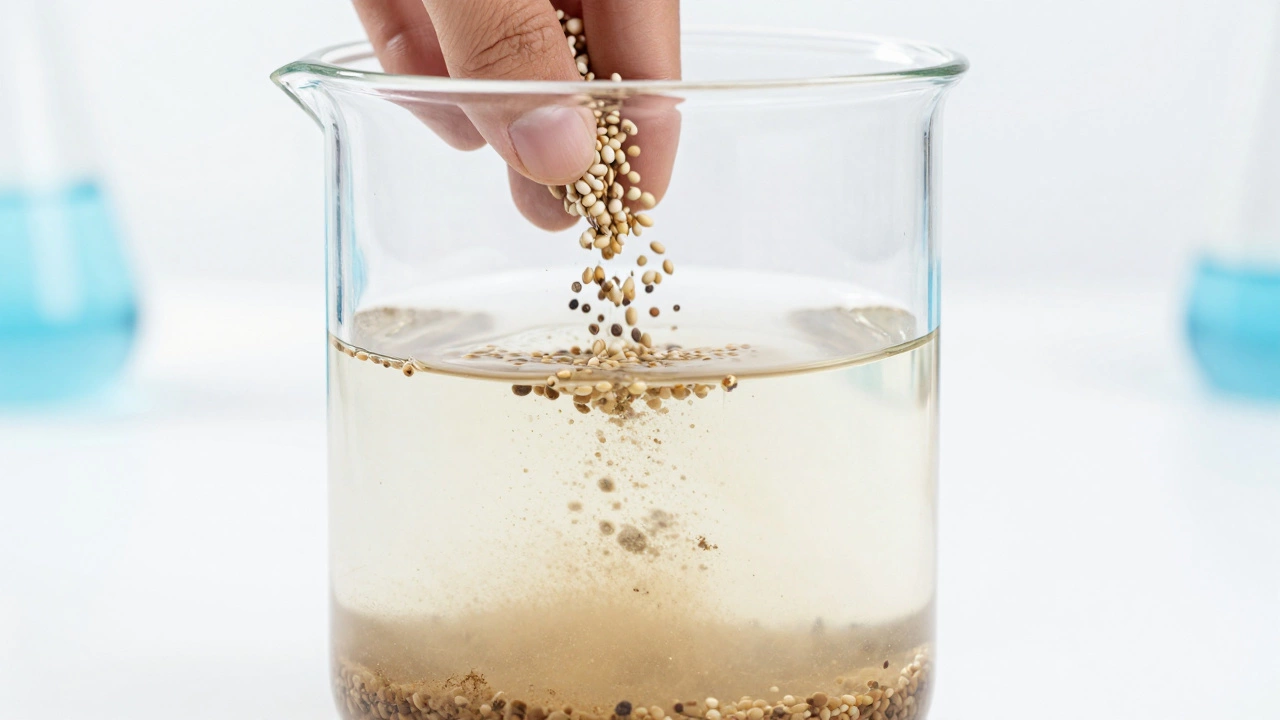
One of the most "miraculous" aspects of this plant isn't something you eat. The seeds of the Moringa Oleifera contain a positively charged protein. When crushed and added to dirty water, these proteins act like magnets, attracting negatively charged dirt, bacteria, and silt particles. These particles clump together (a process called flocculation) and sink to the bottom of the container.
In several rural development projects, this method has been used to reduce turbidity in drinking water without needing expensive chemical coagulants like aluminum sulfate. While it doesn't remove all viruses, it significantly cleans the water, making it easier to filter or boil for safety.
Potential Pitfalls and Safety Tips
Is it all good news? Almost, but there are a few things to watch out for. First, the roots of the Moringa tree contain certain alkaloids that can be toxic if consumed in large quantities. Stick to the leaves, pods, and seeds. Second, if you are taking medication for diabetes or high blood pressure, talk to a doctor. Moringa can lower blood sugar and blood pressure naturally, which might cause an interaction if you're already on meds, leading to levels that are too low.
Also, be careful with the "miracle powder" sold in stores. Since the leaves are highly absorbent, they can soak up pollutants from the soil. Always ensure your powder is sourced from organic farms that test for heavy metals like lead or arsenic.
Looking Beyond the Garden
Moringa is more than just a plant; it's an economic engine for many Indian farmers. Because it grows so quickly and requires minimal input, it's a low-risk crop. The rising global demand for organic superfoods has turned Moringa from a backyard curiosity into a major export. This shift is helping move sustainable farming practices into the mainstream, proving that the most effective solutions are often the ones that have been growing in our backyards for centuries.
Frequently Asked Questions
Can I grow Moringa in a pot on my balcony?
Yes, you can. Use a deep pot with excellent drainage. Since Moringa grows quickly, you'll need to prune it regularly to keep it at a manageable size. Ensure it gets at least 6-8 hours of direct sunlight daily, as it's a sun-loving plant.
How often should I take Moringa powder?
Start small. A teaspoon a day is usually plenty for most people. Because it's nutrient-dense, taking too much too quickly can sometimes cause an upset stomach or a laxative effect. Gradually increase the dose as your body adjusts.
Does Moringa really help with inflammation?
Yes, it contains isothiocyanates and flavonoids that reduce oxidative stress and inflammation in the body. Many people use it to manage joint pain or as a supplement for autoimmune conditions, though it should complement, not replace, medical treatment.
Is the drumstick pod better than the leaves?
Neither is "better"; they just offer different benefits. The leaves are more concentrated in vitamins and proteins, while the pods are excellent for fiber and mineral intake. For maximum health benefits, it's best to use both in your diet.
How do I store Moringa powder to keep it fresh?
Keep it in an airtight, opaque container (like a dark glass jar) and store it in a cool, dry place. Exposure to light and air degrades the chlorophyll and vitamins, which is why you'll notice the powder turning from bright green to a dull brownish color over time.
Next Steps for Moringa Lovers
If you're new to this plant, start by incorporating the pods into a single meal a week. If you're feeling bold, try growing your own tree-even a dwarf variety in a pot. If you have chronic health issues, your next step should be consulting a nutritionist to see how Moringa fits into your specific dietary needs. For those interested in sustainability, look into the "Moringa-based water filtration" methods to see how botanical solutions can solve modern infrastructure problems.