Garden Sun Placement Guide
Select a vegetable group to see its ideal light window and the risks associated with the wrong exposure.
Select a group
Click on a card above to analyze the sunlight requirements.
Key Takeaways for Garden Light
- Morning sun is gentle and hydrating, making it ideal for leafy greens and herbs.
- Afternoon sun is intense and hot, necessary for fruiting vegetables like peppers and eggplants.
- Plants that prefer "partial shade" usually do best with morning light to avoid midday scorch.
- Strategic placement based on sun direction prevents leaf burn and reduces water waste.
The Science of Sunlight Intensity
To get this right, you need to understand how the sun moves. In the Northern Hemisphere, the sun rises in the east and sets in the west. The light hitting your east-facing beds is 'cool' light. Because the air is still chilly from the night, the Transpiration rate-the speed at which water evaporates from plant leaves-is slow. This gives your vegetables a chance to hydrate and photosynthesize without the stress of extreme heat.
Flip that to the west side, and you're dealing with 'hot' light. By 2 PM, the ground and the air have already been heating up for hours. The sun hitting a west-facing garden is far more aggressive. For a Tomato plant, this can be a double-edged sword. While it provides the energy needed to create sugars for fruit, too much intensity on a young plant can lead to sunscald, where the fruit literally burns, creating white, papery patches on the skin.
When Morning Sun is the Winner
If you're growing things that are high in water content or have thin, tender leaves, morning sun is your best friend. Think of Lettuce, spinach, and arugula. These plants are prone to "bolting"-where they suddenly shoot up a flower stalk and become bitter-when they get hit by the oppressive heat of a July afternoon. By placing them in a spot that gets 6 hours of morning light and then falls into shade by 1 PM, you keep the leaves crisp and sweet.
Herbs like Mint and parsley also thrive here. If you put mint in the brutal afternoon sun, you'll find yourself watering it three times a day just to keep it from drooping. Morning light provides enough energy for growth without stripping the moisture from the soil too quickly.
The Power of Afternoon Sun
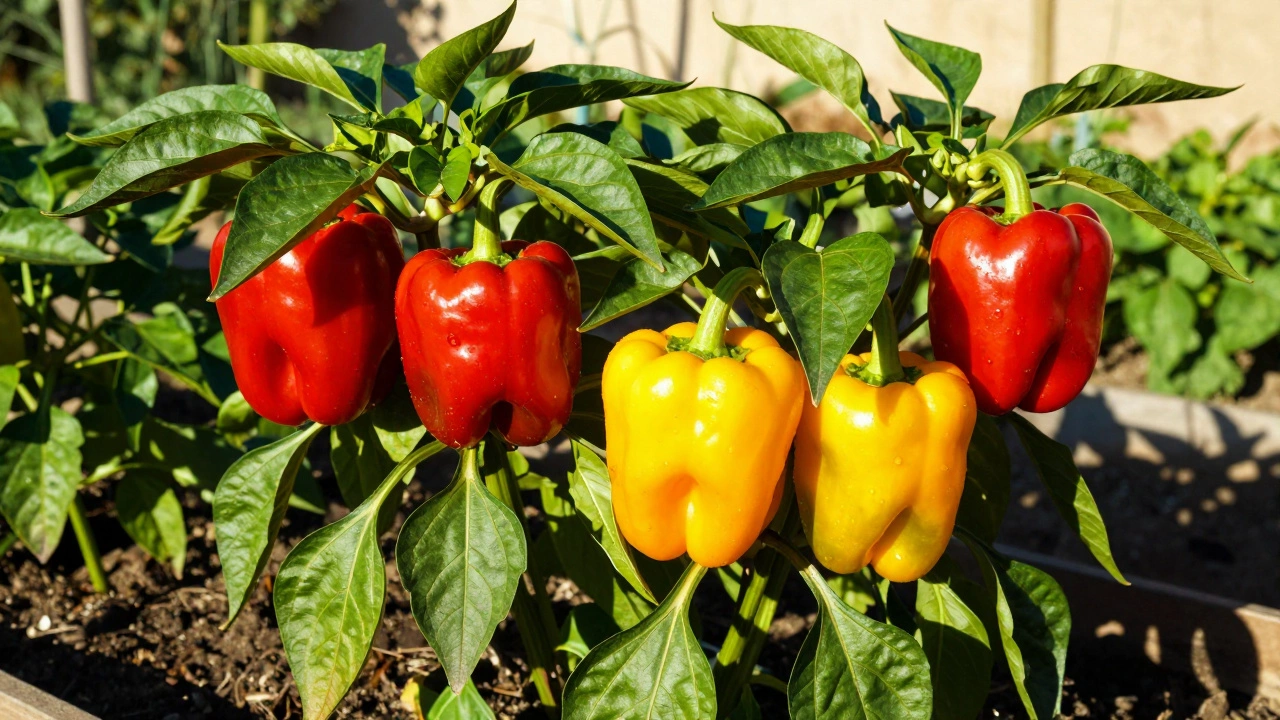
Now, not everything wants a gentle start. Some of the most rewarding vegetables are essentially "heat seekers." Bell Peppers and eggplants are prime examples. These plants originate from warmer climates and need the high-energy, high-temperature window provided by the afternoon sun to ripen their fruit. If these are tucked away in a morning-only spot, you might see plenty of green leaves, but the fruits will stay small or fail to change color.
Similarly, Squash and cucumbers love the heat, provided they have deep roots and plenty of water. The intense light of the afternoon drives the metabolic processes required to produce large, heavy fruits. However, if you're in a region with extreme heatwaves, you might actually need to provide a little bit of afternoon shade (using a shade cloth) to stop the leaves from curling.
| Vegetable Group | Ideal Light Window | Risk of Afternoon Sun | Risk of Morning-Only Sun |
|---|---|---|---|
| Leafy Greens | 6 AM - 12 PM | Bolting and Bitter Taste | Low / Ideal |
| Nightshades (Peppers/Eggplant) | 12 PM - 6 PM | Sunscald (if extreme) | Poor Fruit Ripening |
| Root Crops (Carrots/Beets) | Mixed / Full Sun | Soil Drying Out | Slower Growth |
| Crucifers (Kale/Broccoli) | Morning / Partial | Wilting Leaves | Low / Moderate |
How to Map Your Garden's Light
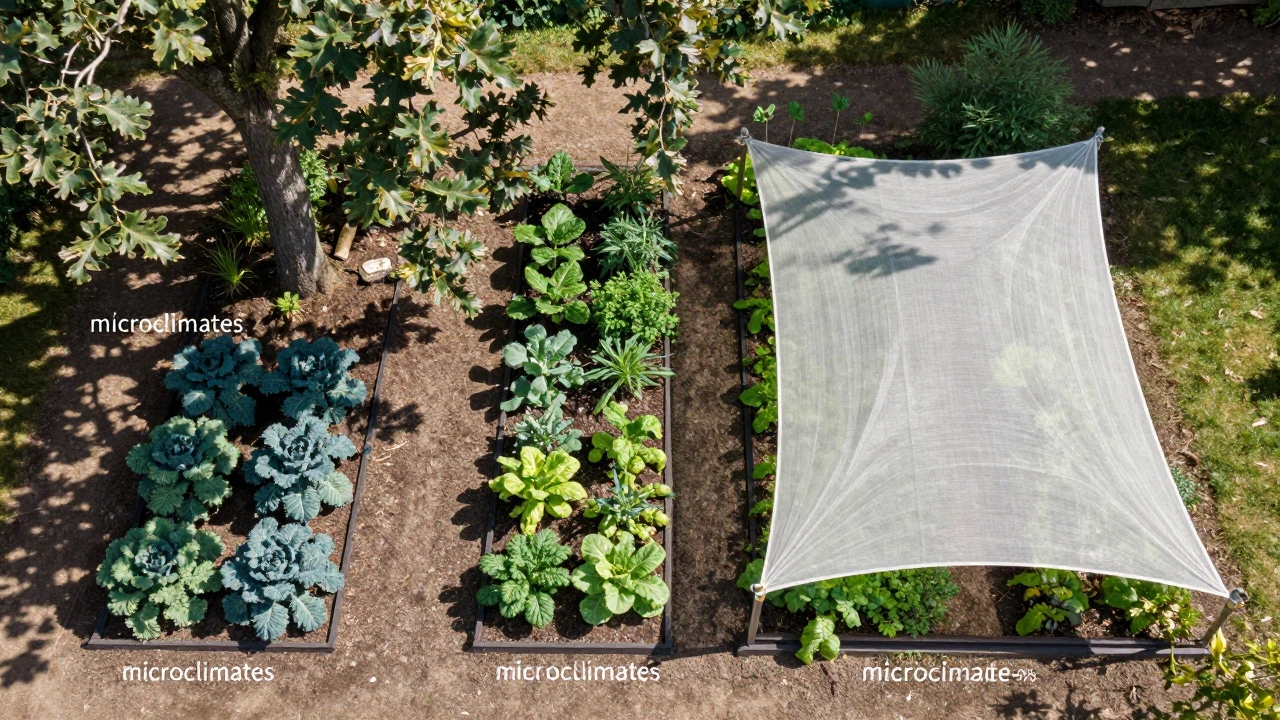
You can't just guess where the sun hits; you need to observe. I recommend a "Sun Audit." On a clear day, set a timer for every two hours from 8 AM to 6 PM. Walk outside and note exactly which areas are in the sun and which are in the shade. You'll likely find "microclimates"-small pockets of your yard that behave differently. A spot under a large oak tree might get a few hours of dappled morning light, making it a perfect spot for a Kale patch.
Pay attention to the walls of your house. A south-facing wall acts like a thermal battery. It absorbs heat all day and radiates it back at night. If you plant your vegetable garden light sensitive plants against a south wall, they'll stay warmer, which is great for extending the season into autumn, but dangerous during a mid-summer heat spike.
Dealing with the "Wrong" Light
What if your only available plot is a west-facing nightmare of 4 PM heat? Or maybe you're stuck with an east-facing spot that's dark by noon? You can manipulate the environment. For the afternoon scorchers, use a 40% shade cloth. This filters the harshest UV rays and drops the temperature around the plant by several degrees, preventing the dreaded leaf curl. It's a lifesaver for lettuce grown in the wrong spot.
If you have too much morning light and not enough afternoon energy, try using reflective mulch. Light-colored pebbles or specialized reflective foils can bounce the remaining light back onto the plants, tricking them into thinking they're getting more total daily solar radiation. This can help those struggling peppers get just enough energy to turn red.
Watering Strategies Based on Sun Exposure
The timing of your watering must align with your sun exposure. If your garden gets heavy afternoon sun, watering at 10 AM is a mistake. Much of that water will evaporate before the plant can use it, and droplets left on the leaves can actually act like tiny magnifying glasses, increasing the risk of burn. Instead, water deeply in the very early morning or late evening.
For morning-sun gardens, you can be a bit more flexible, but avoid watering late at night. Since these plants are often in cooler, more shaded areas, water sitting on the leaves overnight is an invitation for Powdery Mildew, a common fungal issue that looks like white flour dusted over your zucchini leaves. Always aim for the base of the plant, keeping the foliage dry.
Can I grow tomatoes in only morning sun?
You can, but you shouldn't expect a professional yield. Tomatoes need about 6-8 hours of direct light. If they only get morning sun, the fruit will take much longer to ripen, and you're more likely to experience "leggy" growth where the plant stretches upward searching for light, making it prone to falling over.
What does "partial shade" actually mean for vegetables?
In the gardening world, partial shade usually means the plant gets 3 to 6 hours of sun. For most vegetables, this is best achieved with morning sun. It means the plant gets the energy it needs to grow but is protected from the most intense heat of the day, which is ideal for greens and root vegetables.
Will my plants die if they get too much afternoon sun?
Not necessarily, but they will be stressed. You'll see signs like wilting, brown "burnt" edges on the leaves, or fruit splitting. While heat-loving plants like peppers handle it well, cool-season crops like spinach will simply stop growing or die off quickly.
Does the season change which sun is better?
Yes. In early spring, afternoon sun is a huge advantage because it warms the soil faster, allowing you to plant earlier. However, in July and August, that same afternoon sun becomes a liability. The key is to plan for the hottest month of the year, as you can always add more light (via reflection) but it's harder to remove it.
Are potted plants more affected by afternoon sun?
Absolutely. Containers heat up much faster than the ground. A plastic pot in the afternoon sun can cook the roots, which kills the plant from the bottom up. If you're using pots in a west-facing area, consider using light-colored pots or wrapping them in burlap to keep the root zone cool.
Next Steps for Your Garden Layout
If you're just starting your layout, don't plant a single seed until you've spent a few days observing the light. Start by grouping your "heat lovers" (peppers, eggplants, melons) in the west and south-west areas. Place your "cool lovers" (lettuce, spinach, kale) in the east or under the shadow of taller plants. This creates a natural canopy where your tomatoes can provide a bit of shade for your basil, mimicking how plants grow in nature.
If you find yourself with a garden that's too shaded, consider adding a Raised Bed in the center of the yard to catch the most overhead light. For those with too much sun, investing in a simple trellis with fast-growing climbing beans can create a "living wall" of shade for the more sensitive plants tucked behind them.