Pebble Tray Refill Estimator
Select all that apply to your plant's location:
Estimated Refill Frequency:
Based on a moderate environment with balanced ambient air.
The Short Answer on Refilling
There is no single calendar date for refilling a pebble tray because your home is a living, breathing environment that changes daily. On average, you'll find yourself adding water every 7 to 14 days. However, in a dry apartment during a cold winter, that water might vanish in 3 or 4 days. In a humid coastal city during July, it might last three weeks. The goal isn't to keep the tray flooded, but to keep the water level just below the bottom of the pot.
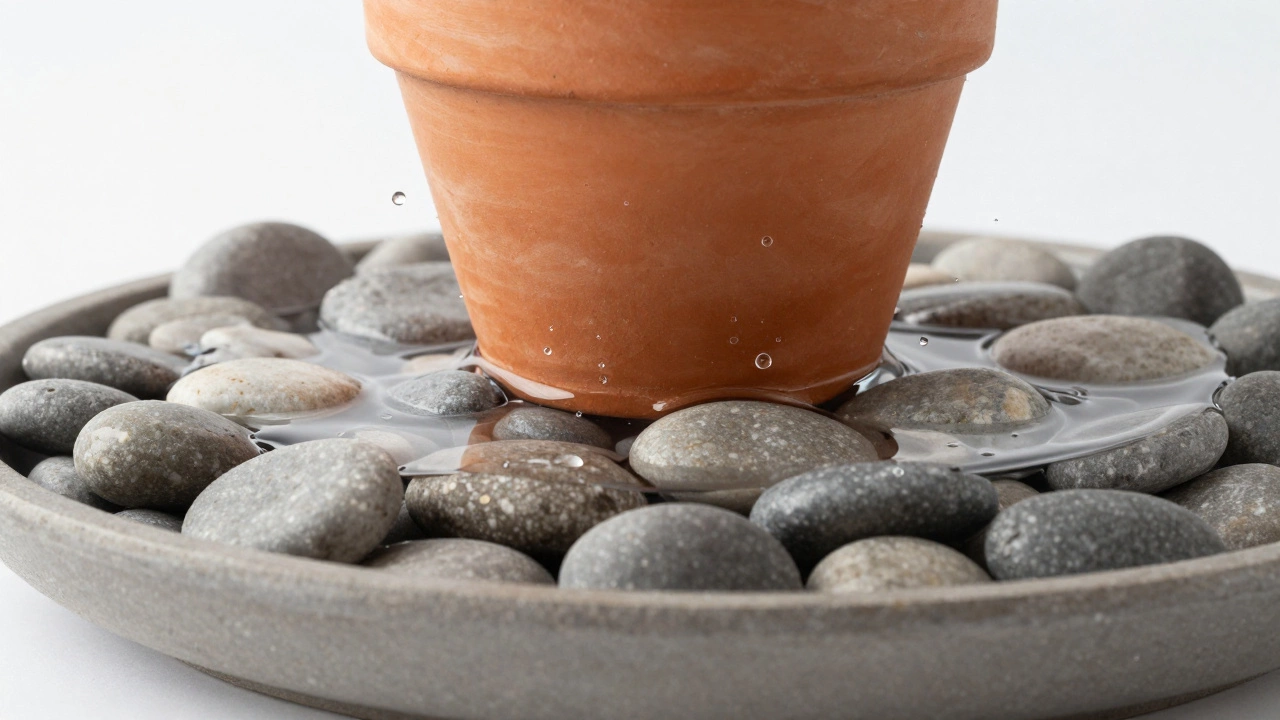
The critical rule is this: your pot should never sit directly in the water. If the pot is touching the water, the soil will soak up moisture through the drainage holes, leading to root rot, which is essentially a death sentence for most houseplants. You want the water to evaporate around the plant, creating a microclimate of moisture-rich air that the leaves can absorb.
Factors That Drain Your Tray Faster
Several variables dictate how quickly the water disappears. If you're wondering why your tray is dry today but lasted two weeks last month, look at these culprits:
- Ambient Temperature: Heat speeds up evaporation. If your plant is sitting near a radiator or in a sunny window, the water will vanish much faster.
- Airflow: A drafty window or a ceiling fan blowing directly on the plant will strip moisture from the tray in record time.
- Pot Material: A terracotta pot is porous and breathes. While it doesn't draw water from the tray directly (if the pot isn't touching the water), it can influence how the overall environment handles moisture.
- Plant Size: Larger plants with more leaf surface area often transpire more, and while the tray is about the air, the overall water cycle in that small area moves faster.
| Environment | Estimated Refill Frequency | Key Driver |
|---|---|---|
| Winter (Heater On) | Every 3-5 Days | Very low indoor humidity |
| Summer (Air Conditioned) | Every 7-10 Days | AC removes moisture from air |
| Spring/Autumn (Moderate) | Every 10-14 Days | Balanced ambient air |
| High Humidity Region | Every 14-21 Days | Slow evaporation rate |
How to Set Up Your Tray for Maximum Efficiency
If you're just starting, don't just throw some rocks in a plate. There's a method to the madness that ensures your plants actually benefit from the setup. First, choose a tray that is slightly wider than your pot. This allows the evaporating water to rise around the foliage rather than being blocked by the pot's walls.
Fill the tray with leca (lightweight expanded clay aggregate) or small river pebbles. The key is to leave a gap of about an inch at the top. When you add water, fill it until it's about half an inch below the top of the stones. This ensures that even if the pot shifts slightly, it won't plunge into the reservoir.
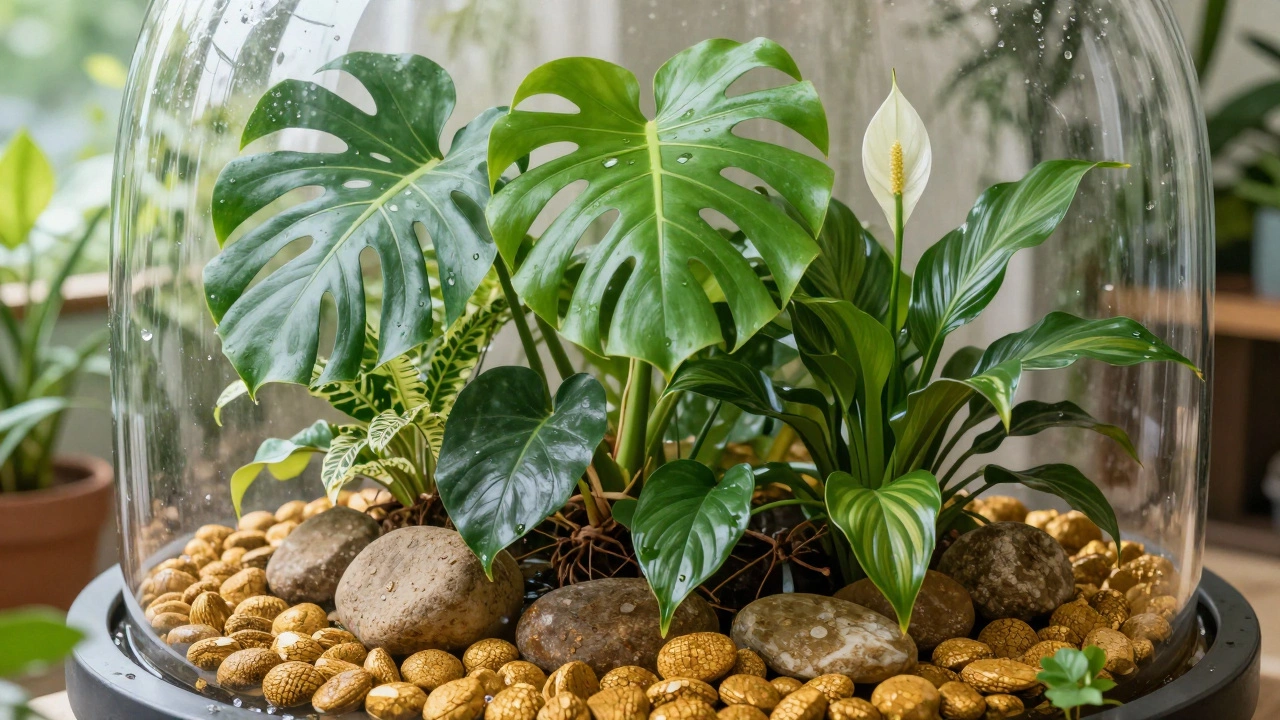
For those using tropical plants like the Monstera deliciosa or Peace Lily, consider grouping several plants together on one large pebble tray. This creates a "humidity bubble." The plants collectively release moisture through transpiration, and the pebble tray adds to it, creating a much more stable environment than a single plant on a small saucer.
Signs You're Refilling Too Often (or Not Enough)
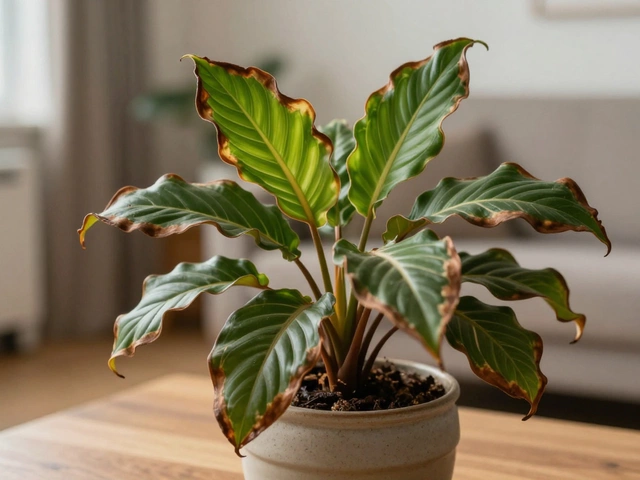
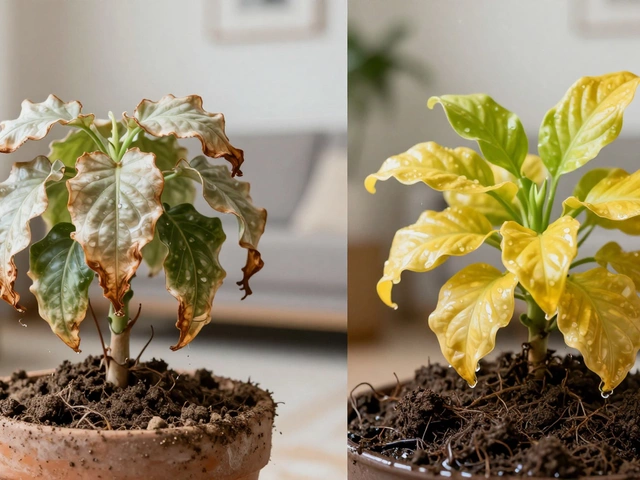
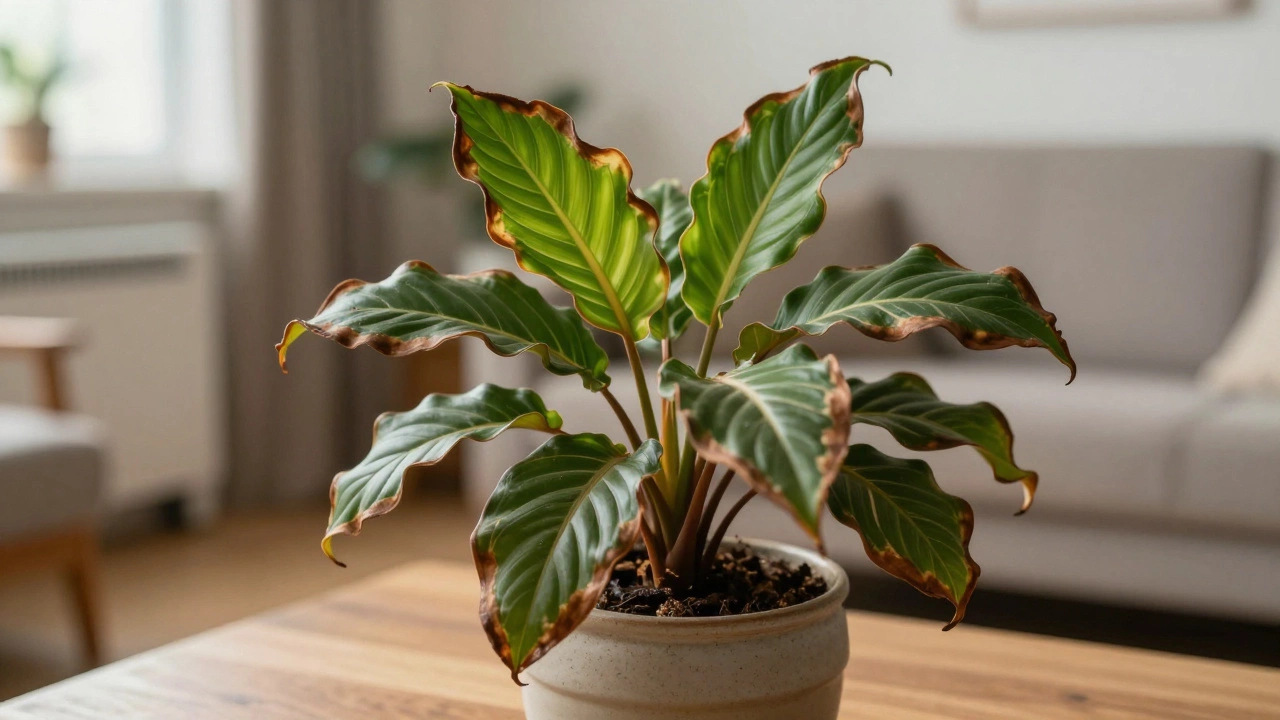
How do you know if your routine is actually working? Your plant will tell you through its leaves. If you see brown, crispy tips on the leaves despite consistent watering, your tray is likely dry, or the humidity is still too low. This is a sign that you need to check the water level more frequently or move the plant away from a draft.
On the flip side, if you notice a fuzzy white growth on the surface of the pebbles or a musty smell, you might be keeping the tray too saturated in a room with poor airflow. While the plant's roots are safe as long as they aren't touching the water, the surface of the pebbles can become a breeding ground for mold or algae if the water stagnates for too long without evaporating.
Maintenance Tips to Avoid Common Pitfalls
Over time, the water in your pebble tray can accumulate minerals, especially if you use tap water. You'll notice a white, crusty buildup on the stones-this is calcium and magnesium. If you ignore this, the buildup can eventually clog the gaps between the pebbles, making the tray less effective.
Every few months, dump the tray completely. Give the pebbles a quick rinse with a mixture of water and a tiny bit of vinegar to dissolve the mineral salts. This keeps the tray hygienic and ensures the evaporation process remains efficient. If you use distilled water, you'll see significantly less buildup, though it's an extra step in your plant care routine.
When a Pebble Tray Isn't Enough
Let's be honest: a pebble tray is a helpful tool, but it's not a magic wand. It increases humidity in a very small area (usually just a few inches around the pot). If you have a massive collection of Calatheas in a room that feels like a sauna in summer and a freezer in winter, a few trays might not cut it.
If you're still seeing brown tips, you can combine your pebble tray with a misting bottle. However, misting only lasts for a few minutes. A better long-term solution is a dedicated room humidifier. The pebble tray remains a great "baseline" for individual plants, but for high-needs species, it's often the first step in a broader humidity strategy.
Can I use any kind of rocks for a pebble tray?
Yes, but avoid limestone or rocks that react with water. Small river stones, pea gravel, or Leca (clay pebbles) work best because they provide a stable base and allow water to sit beneath them without shifting. Make sure the rocks are clean so you don't introduce pests or fungi to your indoor environment.
What happens if my plant pot touches the water in the tray?
If the pot sits in water, the soil will act like a wick, pulling excess moisture into the root ball. This leads to anaerobic conditions where oxygen is pushed out, causing root rot. If you notice the soil is constantly soggy despite low watering, check your tray level immediately.
Does a pebble tray replace the need for misting plants?
Generally, yes. Misting provides a very brief spike in humidity that vanishes almost instantly. A pebble tray provides a constant, steady stream of moisture through evaporation, which is far more beneficial for the plant's long-term health.
How do I know if the water has evaporated completely?
The easiest way is a visual check. If the pebbles look dry and the bottom of the tray is visible, it's time to refill. You can also gently lift the pot; if the tray feels significantly lighter than usual, the water is gone.
Should I use warm or cold water to refill the tray?
Room temperature water is best. Extremely hot water can cause rapid evaporation but might shock the plant if it splashes onto the pot, while ice-cold water doesn't provide any specific benefit. Just use the same water you'd use for watering your plants.
Next Steps for Your Plant Oasis
If you've just set up your first tray, spend the next two weeks observing the water level. Note how many days it takes to go from "full" to "empty." This will give you a personalized schedule based on your home's specific microclimate.
For those with very sensitive plants, try rotating the tray's position. Sometimes moving a plant just three feet away from an AC vent can double the amount of time the water stays in the tray. If you're managing a large variety of species, group them by humidity needs-put the thirsty ferns and prayer plants together on one large tray and keep your succulents and cacti far away from them.