Houseplant Health Diagnostic Tool
Select the symptoms your plant is showing to get a professional diagnosis and recovery plan.
1. Leaf Texture & Feel
2. Browning/Discoloration
3. Soil Condition
4. Recent Reaction
Recommended Action Plan:
You walk into your living room and notice your favorite leaf is drooping. Your first instinct is to grab the watering can, but wait-that might actually be the worst thing you could do. Here is the frustrating part about houseplants: they often look exactly the same when they are thirsty as they do when they are drowning. If you treat a drowned plant like a thirsty one, you aren't helping; you're essentially pushing it toward the finish line.
To fix this, you need to understand that underwatering vs overwatering is not just about how much water you give, but how the soil medium and root system interact with moisture. When a plant is underwatered, it's craving hydration. When it's overwatered, the roots have literally suffocated because there's no oxygen left in the soil.
Quick Diagnosis Guide
If you don't have time to read a full botany textbook, use this quick cheat sheet. While not foolproof, these patterns appear in about 80% of indoor plant cases.
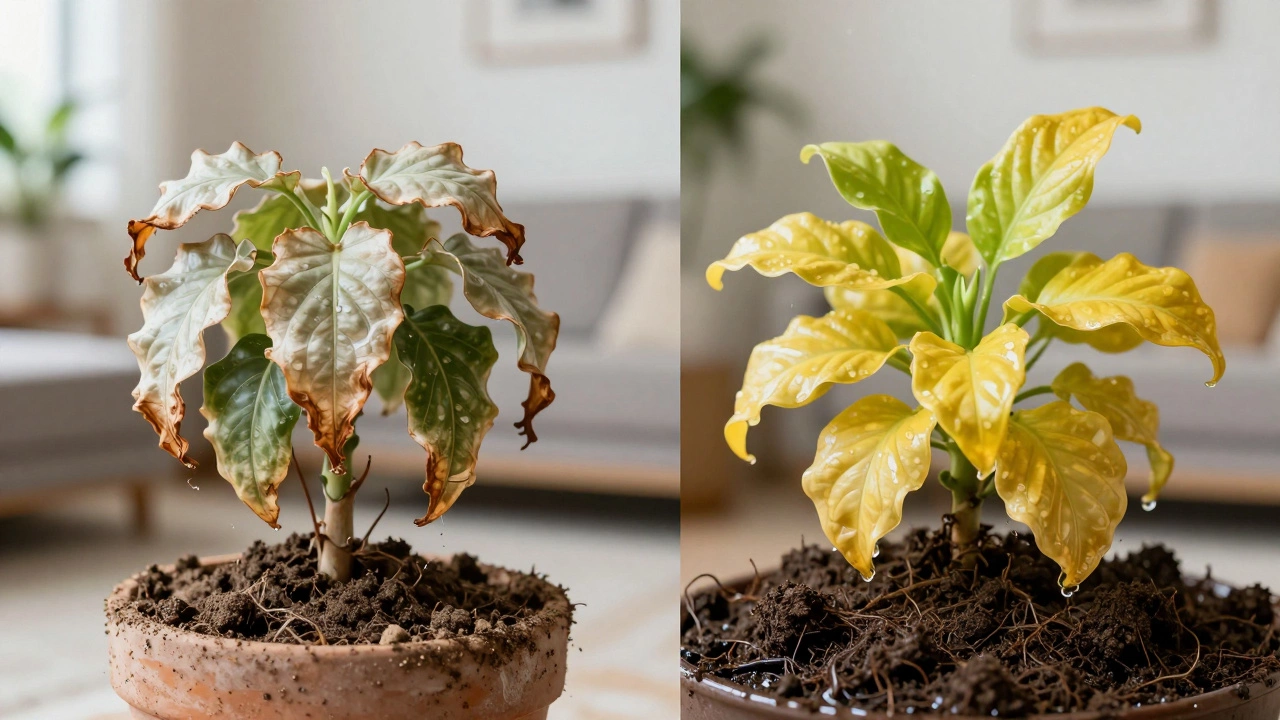
| Feature | Underwatering | Overwatering |
|---|---|---|
| Leaf Feel | Crispy, dry, papery | Soft, limp, mushy |
| Browning | Brown edges/tips | Brown centers/yellowing |
| Soil State | Pulling away from pot edges | Soggy or smelling like sulfur |
| Recovery | Bounces back fast after water | Gets worse after more water |
The Red Flags of Underwatering
When a plant doesn't get enough water, it enters survival mode. It tries to conserve what little moisture it has left by shutting down non-essential functions. This usually starts at the extremities.
You'll notice the soil looks like a desert-pale, dusty, and often shrinking so much that it creates a gap between the dirt and the plastic pot. The leaves will lose their turgor pressure, which is just a fancy way of saying they lose the internal water pressure that keeps them standing upright. This is why your Peace Lily looks like it's had a mental breakdown overnight.
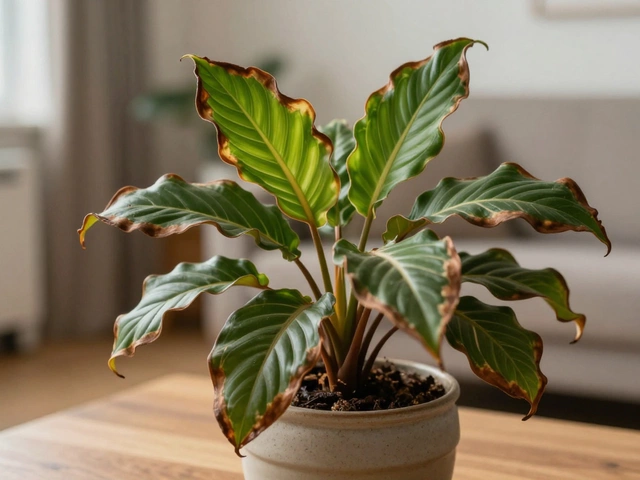
The most telling sign is the "crispy edge." Because the plant can't push water all the way to the tips of the leaves, those cells die first. If you touch these leaves and they feel like parchment paper, you've got a dehydration problem. The good news? Underwatering is usually a quick fix. Give it a deep soak, and most plants will perk up within a few hours.
The Silent Killer: Overwatering
Overwatering is far more dangerous because it happens beneath the surface. You might think you're being a great plant parent by watering every three days, but you're actually creating a swamp in the pot.
The primary enemy here is Root Rot, which is a condition where fungi attack the roots in anaerobic, water-logged soil. When roots rot, they can no longer absorb water. This creates a cruel paradox: the plant is sitting in water, but it's wilting because it has no functioning roots to drink that water. This is why beginners often see wilting, assume the plant is thirsty, add more water, and accidentally kill it.
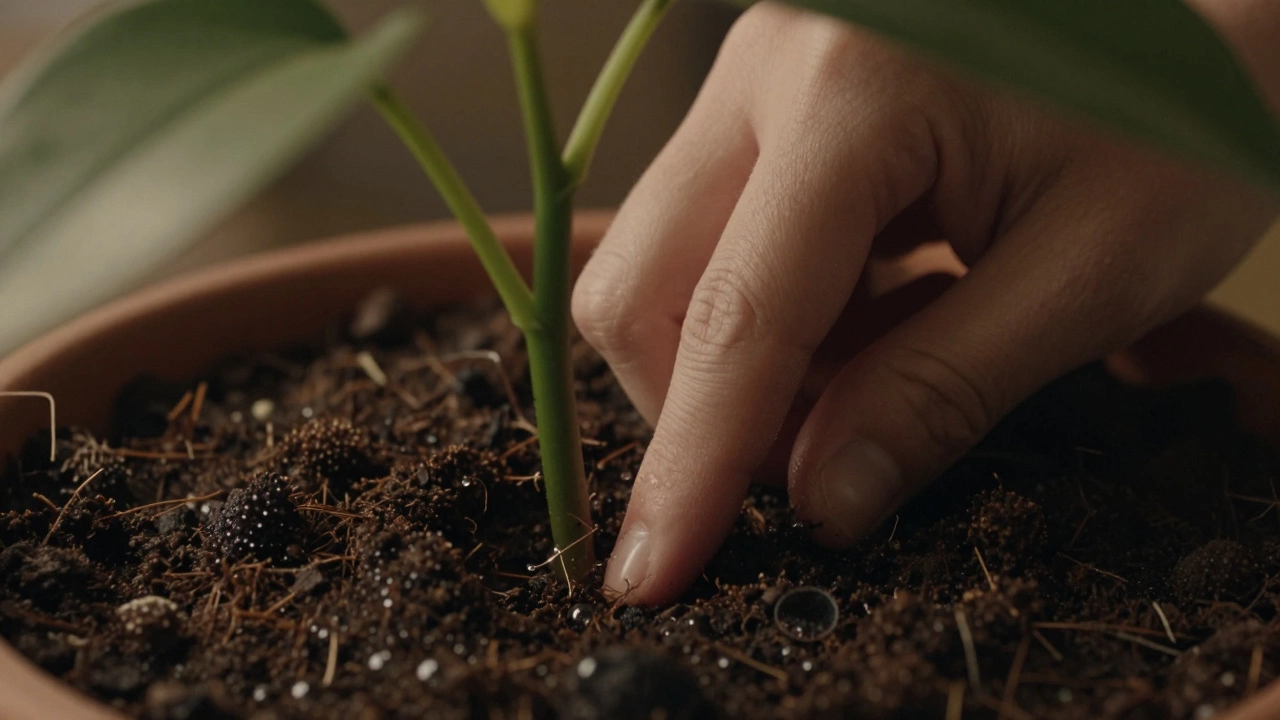
Look for yellowing leaves, especially the lower ones. Unlike the dry brown of underwatering, this yellowing is often accompanied by a soft, almost translucent texture. If you stick your finger two inches into the soil and it feels like a wet sponge long after you watered it, you have a drainage issue.
The Finger Test and Other Pro Methods
Stop watering on a calendar. A "every Monday" schedule is a recipe for disaster because temperature, humidity, and light change every week. Instead, let the plant tell you when it's ready.
- The Finger Test: Stick your finger into the soil up to the second knuckle. If it feels damp, leave it alone. If it's bone dry, it's time to water.
- The Lift Method: Pick up your pot. A plant with wet soil is significantly heavier than one with dry soil. Once you know the "dry weight" of your pot, you'll know exactly when to water just by lifting it.
- The Chopstick Trick: Push a wooden chopstick deep into the soil and leave it for a minute. Pull it out; if it's dark and damp (like a toothpick in a cake), you're good. If it comes out clean and dry, water it.
How to Fix a Watered-Out Plant
If you've diagnosed overwatering, you can't just stop watering and hope for the best. You need to physically intervene to save the Root System.
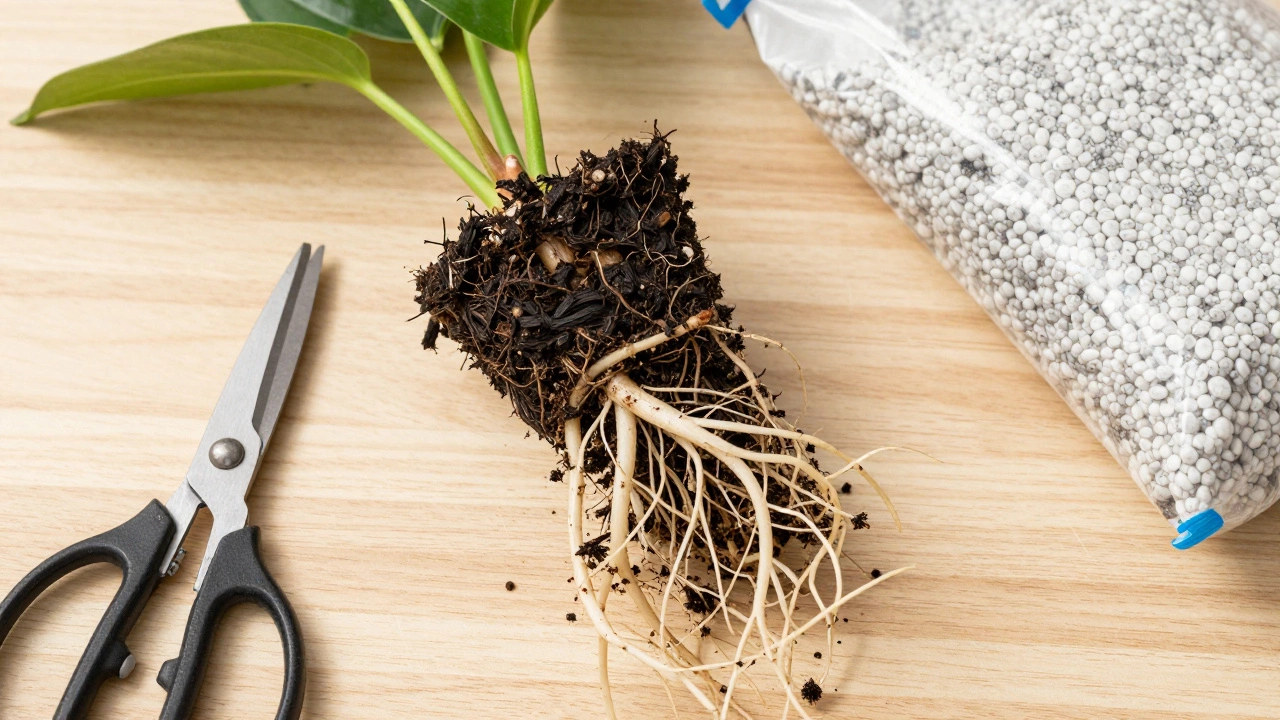
- Remove from pot: Gently take the plant out of its container and shake off the excess soggy soil.
- Inspect the roots: Healthy roots are white or light tan and firm. Rotted roots are black, brown, mushy, and sometimes smell like compost or rotten eggs.
- Prune the rot: Use sterilized scissors to snip off all the black, mushy bits. Don't be afraid to remove a fair amount; it's better to have a smaller, healthy root system than a large, rotting one.
- Repot with fresh soil: Use a mix that includes Perlite, which is a volcanic glass that adds air pockets to the soil. This prevents the soil from compacting and suffocating the roots again.
Matching Water to Your Environment
Your home's microclimate changes how your plants drink. In a drafty apartment in winter, evaporation slows down, and plants need significantly less water. In a sunny window during July, they might drink twice as much. Be aware of your Potting Mix too. Peat-heavy soils hold onto water for a long time, while cactus mixes drain almost instantly.
If you're using a ceramic pot without a hole at the bottom, you're playing a dangerous game. Without a drainage hole, water pools at the bottom, creating a dead zone where roots rot while the top inch of soil looks dry. Always use a plastic "nursery pot" inside your decorative ceramic pot so you can dump out excess water.
Why are my plant leaves turning yellow if I'm not overwatering?
Yellowing isn't always about water. It could be a nitrogen deficiency, too much direct sunlight (burning), or a pest infestation like spider mites. However, if the yellowing is concentrated on the lower leaves and the soil is damp, it's likely overwatering.
Can I save a plant that has completely dried out?
Yes, but don't just flood the pot. When soil is extremely dry, it becomes hydrophobic-meaning water just runs down the sides and doesn't actually soak in. Use a "bottom watering" method by sitting the pot in a basin of water for 30-60 minutes to let the soil absorb moisture from the bottom up.
How often should I actually water my plants?
There is no set schedule. Some plants (like succulents) only need water every 3-4 weeks, while others (like ferns) prefer to stay consistently moist. Always check the soil moisture with your finger before adding water.
Does the type of water matter?
For most plants, tap water is fine. However, sensitive plants like Calatheas or Spider Plants can develop brown tips from the chlorine or fluoride in city water. In those cases, let your water sit in an open container for 24 hours before using it to allow some chemicals to evaporate.
What is the best soil for preventing overwatering?
A mix that combines coco coir, perlite, and orchid bark is generally a safe bet. The perlite and bark create large air gaps that allow the roots to breathe and the water to drain quickly, making it much harder to accidentally drown your plant.
Next Steps for Plant Success
If you're still struggling, try a moisture meter. These are cheap tools you stick into the soil that give you a numerical reading of the wetness level. It takes the guesswork out of the process until you develop a "feel" for your plants. Also, remember that moving a plant to a brighter spot will naturally increase how much water it needs, as photosynthesis speeds up.