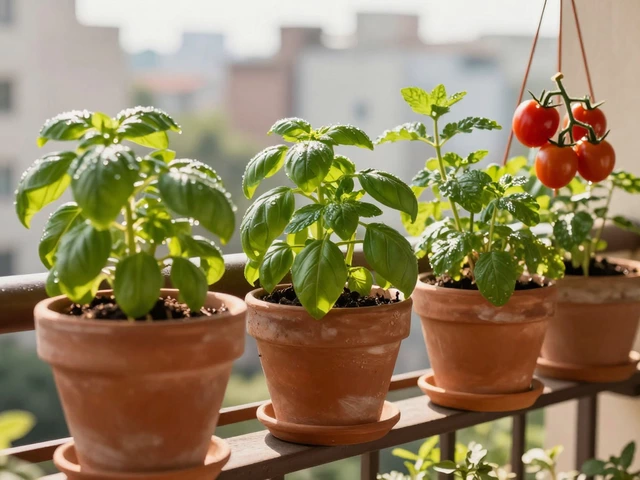
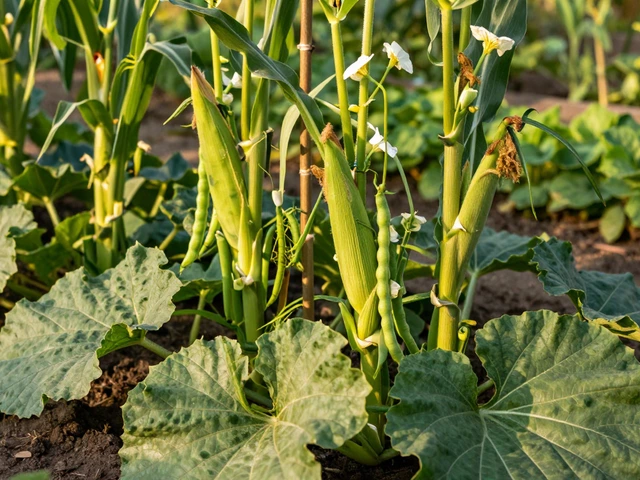
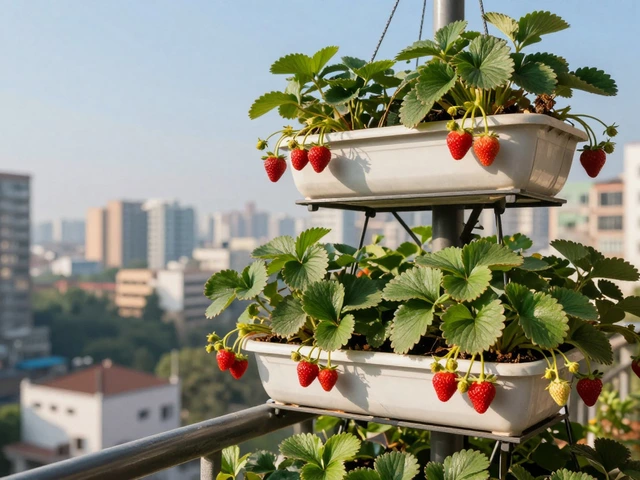
When it comes to agriculture tips, practical, science-backed methods that help gardeners grow more with less effort and resources. Also known as smart gardening practices, these tips aren’t about fancy tools or expensive inputs—they’re about working with nature, not against it. In India’s varied climate, from dry Punjab to humid Kerala, one-size-fits-all advice fails. What works in a Mumbai balcony won’t work in a Rajasthan field. That’s why real agriculture tips focus on adaptation: soil, water, and plant needs that match your local conditions.
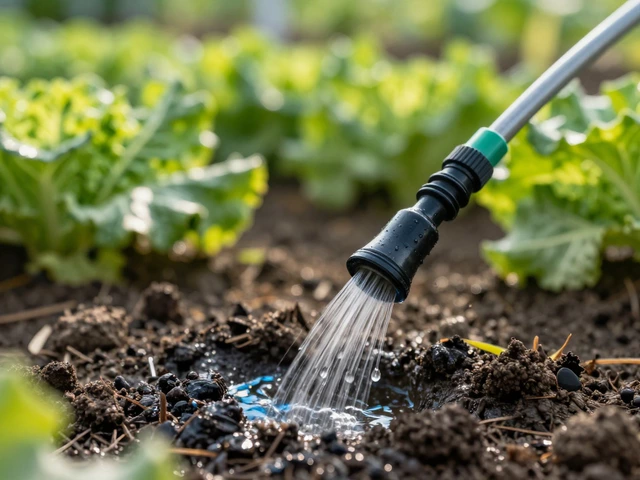
One of the biggest mistakes gardeners make is overwatering. drip irrigation, a system that delivers water slowly and directly to plant roots sounds perfect—but running it every day? That’s how you kill plants. The right schedule depends on soil type, season, and even the time of day. And if you’re looking for something even better than drip, soaker hoses, porous tubes that seep water evenly along their length, or simple mulching, a layer of organic material that holds moisture and cools the soil, can cut water use even more. Then there’s soil health, the foundation of every successful garden, built through compost, aeration, and avoiding compaction. Compacted soil stops roots from breathing, traps water, and invites disease. Fixing it doesn’t need a tractor—just a fork, some compost, and time.
Pests are another headache. Instead of reaching for chemicals, many Indian gardeners are turning to natural insecticide, plant-based solutions like neem oil that target pests without harming bees or soil life. It’s not magic—it’s biology. Neem oil disrupts insect feeding and reproduction, and it’s safe for pets, kids, and your veggies. But it only works if you apply it right: early morning, under leaves, and consistently. And if your plants still look weak? Check the soil. Most problems start there.
These aren’t just random tricks. They’re connected. Good soil holds water better, so you need less irrigation. Healthy plants resist pests naturally, so you need fewer sprays. And when you use rainwater or recycled runoff, you save money and protect local water sources. Every agriculture tip here is built on that chain: soil → water → plants → results.
Below, you’ll find real stories from Indian gardens—what failed, what worked, and why. Whether you’re growing durian on a rooftop, fixing cracked soil in a backyard, or choosing between emitters and drippers, you’ll find answers that actually fit your space. No fluff. No theory. Just what you can do tomorrow to make your garden stronger, greener, and smarter.
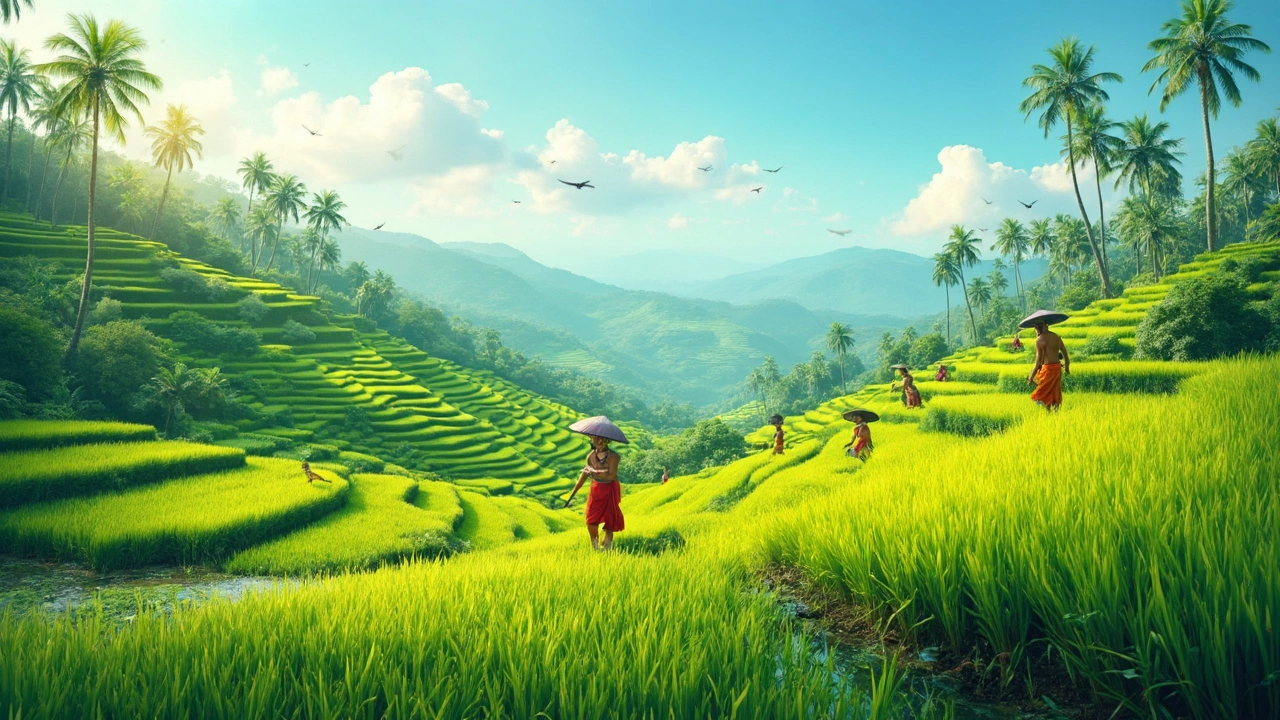
Rice, often referred to as the 'poor man's crop,' plays a crucial role in global agriculture due to its adaptability and nutritional value. Known for its low cultivation cost and ability to thrive in diverse environments, rice provides sustenance to millions worldwide. This article explores the reasons behind rice's reputation, fascinating facts about its cultivation, and practical farming tips for those interested in this versatile grain.