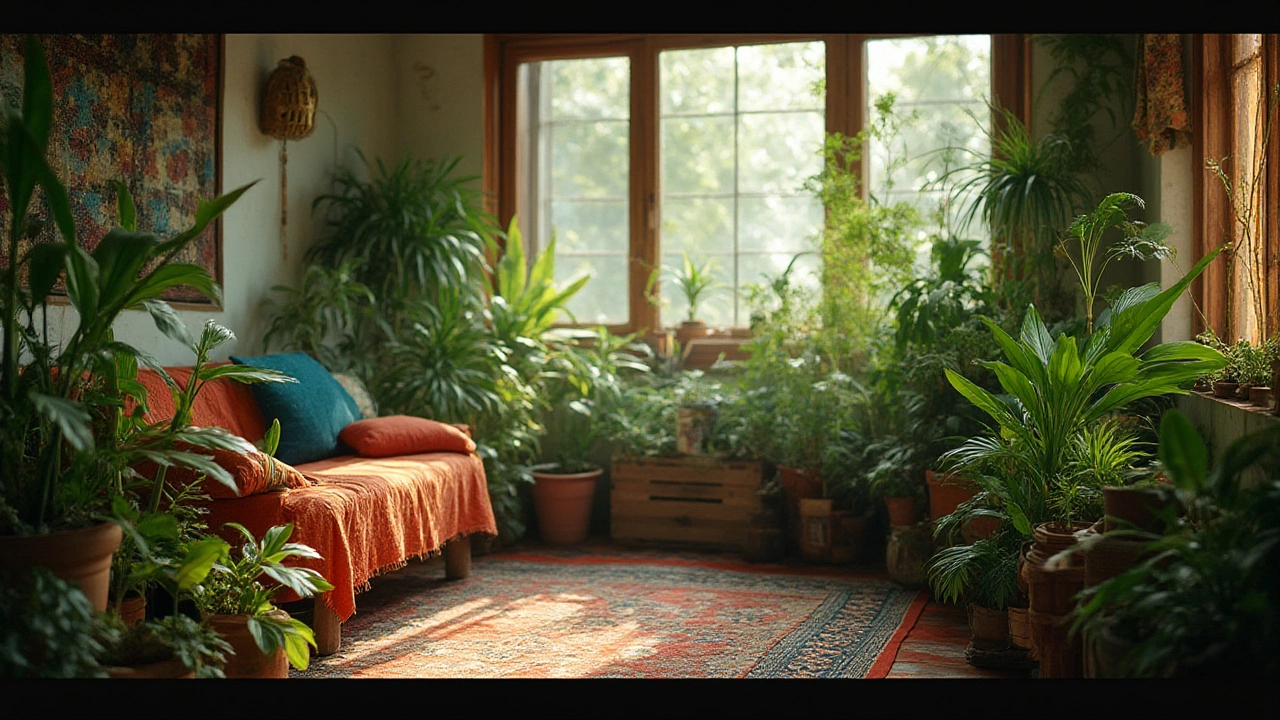
Avoid Misting Plants: Why Spraying Leaves Can Hurt Your Garden
When you avoid misting plants, you’re choosing a smarter way to manage humidity and moisture that actually supports plant health instead of damaging it. This simple shift can stop rot, mold, and pest outbreaks before they start. Many gardeners think misting helps tropical plants thrive, but in reality, wet leaves sitting for hours create the perfect breeding ground for fungi like powdery mildew and black spot. It’s not about dry air—it’s about how long that moisture stays on the plant.
Leaf wetness, the amount of time water lingers on foliage, is a silent killer in home gardens. Studies show that keeping leaves dry for more than 6 hours dramatically lowers disease risk. That’s why drip irrigation and soaker hoses outperform misters every time—they deliver water straight to the roots, where it’s needed. Even in dry climates, misting doesn’t replace proper root hydration. Plants absorb water through their roots, not their leaves. Spraying them is like giving someone a glass of water while they’re wearing a raincoat.
What about humidity-loving plants like ferns or orchids? They don’t need misting—they need plant humidity, a stable, moist environment around the entire plant. Grouping plants together, using pebble trays with water, or placing a small humidifier nearby works better and safer than daily sprays. Misting can also wash off natural waxy coatings on leaves, making them more vulnerable to sunburn and pests. And if you’re using tap water, you’re adding minerals and chlorine that build up on leaves and clog stomata, slowing down breathing.
There’s a reason the top gardeners in India—especially those growing Vanda orchids or other sensitive species—never mist. They know that consistent root care, proper airflow, and controlled moisture levels beat a quick spray every morning. If your plant’s leaves are yellowing or spotting, it’s rarely because it’s too dry. More often, it’s because you’ve been misting it too much.
Instead of reaching for the spray bottle, check the soil. Feel the top inch. Look at the plant’s overall shape. Is it drooping? Are the roots soggy? Those are real signals. Misting gives you the illusion of helping, but it doesn’t fix the real problem. The best way to support your plants isn’t to wet their leaves—it’s to give them the right environment, the right water, and the right time to dry out.
Below, you’ll find real examples from gardeners who stopped misting—and saw their plants come back to life. You’ll learn what actually works for humidity control, how to spot early signs of overwatering, and why the most common gardening advice is often wrong. No fluff. Just what happens when you stop spraying and start understanding your plants.
Misting seems harmless, but for some plants, it’s a recipe for trouble. Discover which houseplants hate misting, why they react badly, and better humidity tricks.