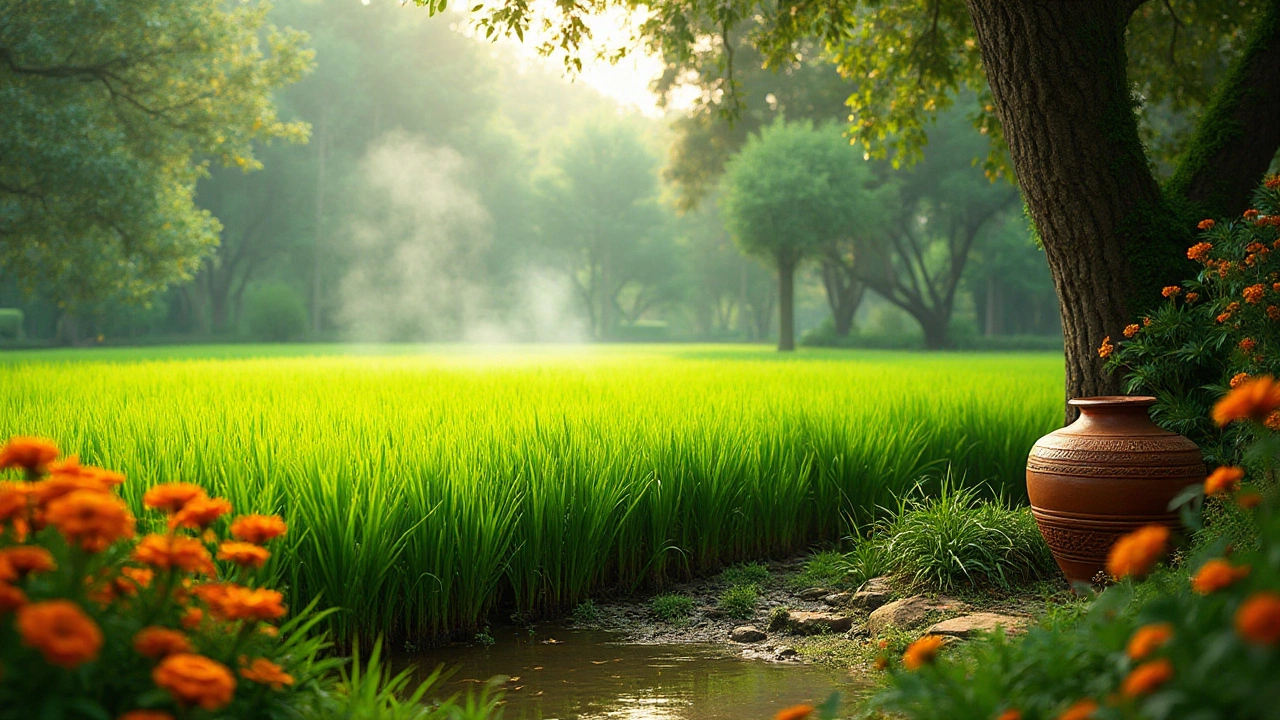
Backyard Rice Growing: How to Grow Rice at Home in India
When you think of rice, you probably picture vast flooded fields in Punjab or West Bengal. But backyard rice growing, the practice of cultivating rice in small spaces like terraces, balconies, or backyard plots using containers or raised beds. Also known as home rice cultivation, it’s becoming a quiet revolution among Indian gardeners who want fresh, chemical-free rice without needing acres of land. You don’t need a farm. You just need a bucket, some soil, and a little patience.
Most people assume rice needs constant flooding, but modern methods use containers, water-retentive pots or tubs that mimic wetland conditions without drowning roots to grow rice in just 10-15 square feet. This isn’t just a novelty—it’s a practical solution for urban families in cities like Delhi, Bengaluru, or Chennai who want to reduce grocery bills and reconnect with food sources. sustainable rice farming, a low-input, low-waste approach that avoids synthetic fertilizers and uses compost and rainwater fits perfectly with the eco-friendly mindset driving today’s home gardeners. You’re not just growing food—you’re building resilience.
Backyard rice growing works best with short-duration varieties like Kalabati or Jeera Sona, which mature in 90-100 days instead of the 150+ days of traditional paddy. These varieties are ideal for Indian monsoon seasons and can even be grown on rooftops if you have good drainage. The key is consistent moisture, not standing water. Many gardeners use a mix of compost and clay-rich soil to hold water longer, then top it with mulch to reduce evaporation. It’s not magic—it’s smart soil management, the same principle behind fixing compacted soil or optimizing drip irrigation for efficiency.
You’ll find that the tools and techniques overlap with other urban gardening practices you might already know. Mulching helps retain moisture, just like in your vegetable beds. Compost replaces chemical inputs, like the homemade fertilizer recipes that boost yields in balcony gardens. Even pest control ties in—neem oil, a top natural insecticide, works just as well on rice pests like stem borers as it does on aphids on your tomatoes.
What’s surprising is how many Indian households are already doing this quietly. From single moms growing rice on balconies to retired teachers turning terrace spaces into mini paddies, the movement is growing. And it’s not just about food. It’s about dignity, self-reliance, and reclaiming a connection to the land—even in the middle of a city.
Below, you’ll find real guides from gardeners who’ve tried this themselves. Some failed at first. Others cracked the code after three seasons. You’ll learn what actually works, what doesn’t, and how to avoid the most common mistakes—like overwatering, using the wrong soil, or planting too late in the season. Whether you’re new to gardening or have been growing tomatoes for years, this collection gives you the clear, no-fluff steps to grow your own rice at home.
Thinking about growing rice right in your backyard? It's an exciting venture that connects you directly to one of the world's staple foods. With a little land, water, and patience, you can not only alter your landscape but also your dinner plate. This guide explores the basics of rice cultivation at home, step-by-step processes, and practical tips for nurturing your own patch of rice.
Continue reading...