Balcony Vegetables: Grow Fresh Veggies in Small Spaces in India
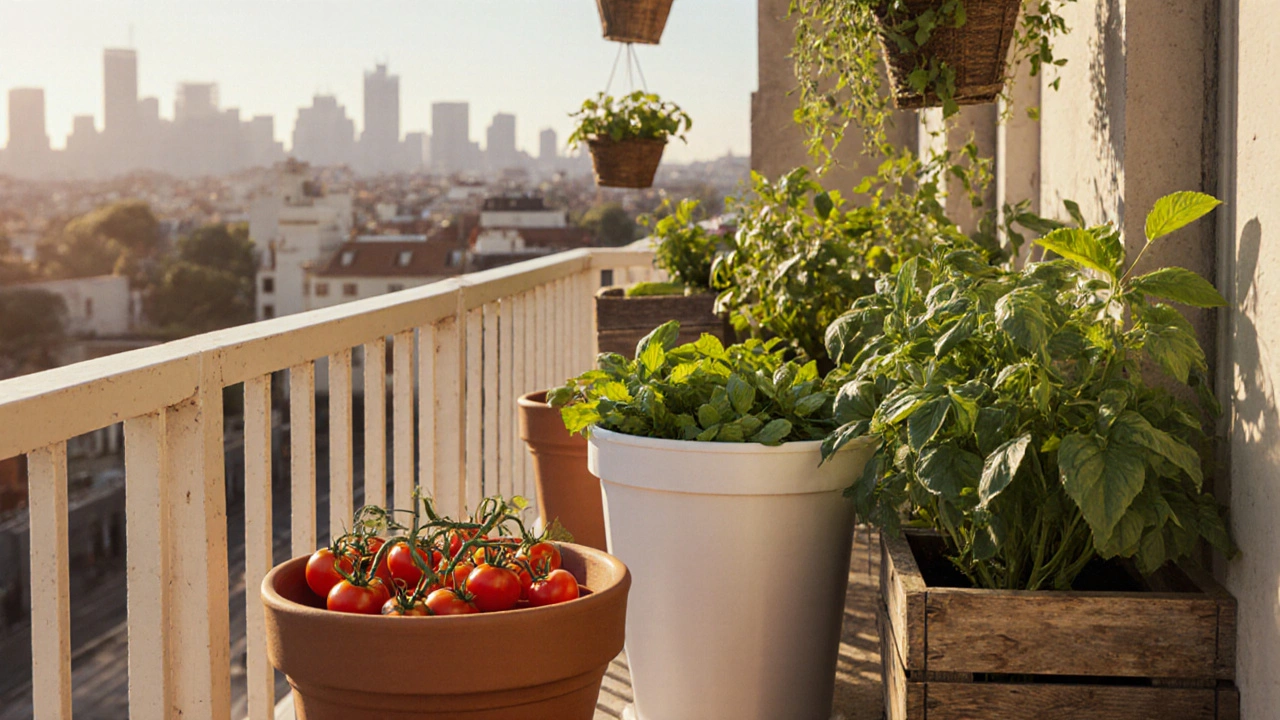
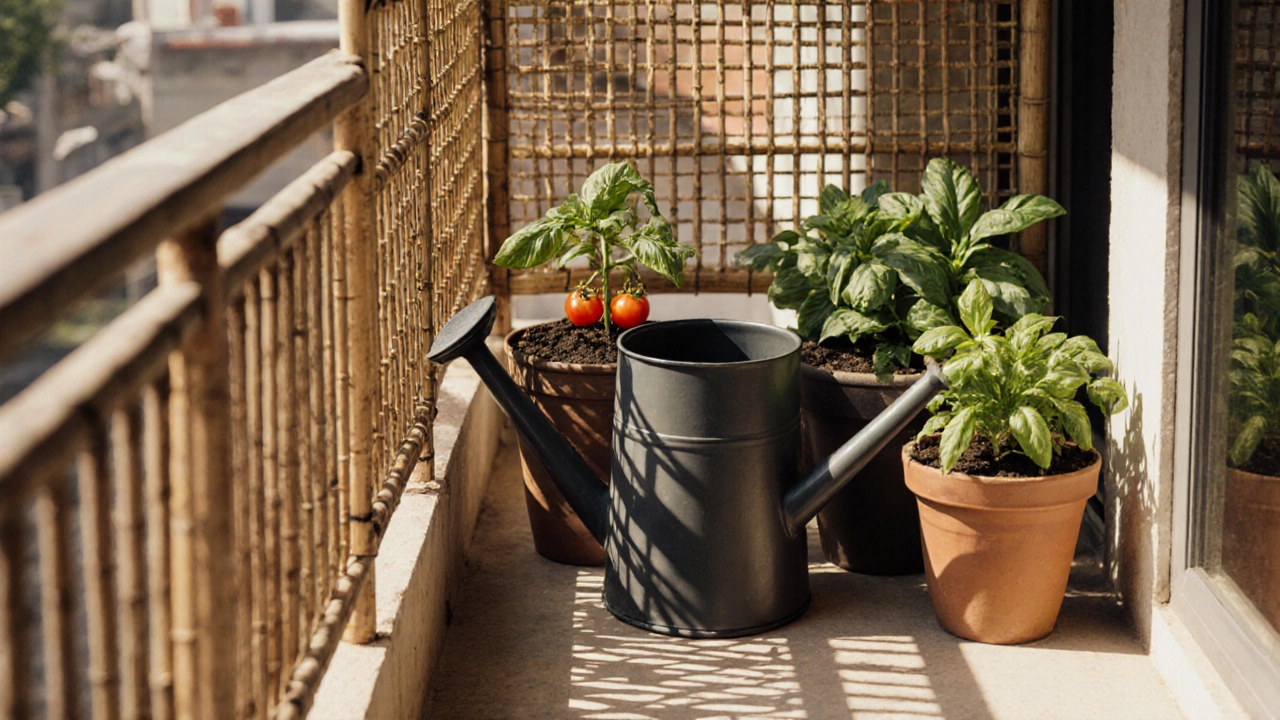
When you think of balcony vegetables, edible plants grown in limited urban spaces like balconies and terraces. Also known as container vegetables, they enable anyone with a few square feet to harvest fresh tomatoes, chillies, or spinach without stepping into a field. You don’t need a farm. You don’t even need a garden. Just a balcony, some pots, and the right plants. In cities across India—Mumbai, Delhi, Bangalore—people are turning their concrete ledges into food sources. And it’s not just trendy. It’s practical, affordable, and gives you control over what you eat.
What makes container gardening, growing plants in pots or raised beds instead of open soil. Also known as pot gardening, it work for vegetables? It’s all about matching the plant to the space. Leafy greens like spinach and lettuce thrive in shallow containers. Tomatoes and peppers need deeper pots—12 inches or more—and lots of sun. Herbs like coriander and mint are forgiving and grow fast, even on shady balconies. The key isn’t size—it’s smart choices. You can grow more in 10 square feet than most people do in 100, if you pick the right varieties and manage water and soil well.
urban gardening, the practice of cultivating plants in city environments, often using rooftops, balconies, or window sills isn’t just about food. It’s about reconnecting with nature in places where green space is rare. In India, where monsoons soak the ground and summers bake the air, balcony gardens help you beat the heat, reduce stress, and cut grocery bills. Many people start with one pot of chillies and end up with a full mini-farm. You’ll learn how to pick soil that doesn’t turn to brick, how to water without drowning your plants, and which veggies grow fastest in India’s climate.
And it’s not just about planting. You need to think about sunlight, drainage, and pests. A south-facing balcony gets the most sun—perfect for tomatoes. A north-facing one? Stick with mint, spinach, or radishes. Overwatering kills more balcony plants than neglect. And yes, bugs show up—even on the 12th floor. But you don’t need chemicals. Neem oil works wonders, and a little soap spray keeps aphids away. You’ll find real, tested advice in the posts below—no fluff, no theory, just what works for Indian balconies.
Some people think you need fancy gear. You don’t. Old buckets, recycled plastic bottles, or even discarded tins can become planters. The real tool? Observation. Check the soil. Watch the leaves. Adjust as you go. That’s how you learn. The posts here cover everything from the best pots for okra to how to cool a hot balcony so your plants don’t wilt by noon. You’ll see how to use vertical space, build self-sustaining systems, and even make your own fertilizer from kitchen scraps.
Whether you’re new to gardening or just tired of buying expensive veggies, balcony vegetables offer a simple, powerful solution. No land? No problem. Start with one pot. See what happens. The rest? You’ll find it all below—real stories, real results, from people just like you who turned a balcony into a food source.
Discover the best vegetables for balcony gardening, learn container setup, light, water, and pest tips, and start harvesting fresh produce from your small outdoor space.
Discover the top vegetables for balcony gardening, learn how to match them to light, soil, and watering needs, and get a seasonal planting guide for UK balconies.