Best Vegetable for Your Garden: Top Picks and How to Grow Them
When we talk about the best vegetable, a plant grown for its edible parts, often chosen for yield, ease of care, and adaptability to local conditions. Also known as high-yield garden crop, it’s not just about what tastes good—it’s about what actually thrives in your space, climate, and soil. In India, where balconies double as farms and terraces turn into mini orchards, the best vegetable isn’t one single crop. It’s a group of plants that refuse to quit, even when you forget to water them once or twice. These are the veggies that don’t need acres of land, fancy tools, or a degree in botany to grow well.
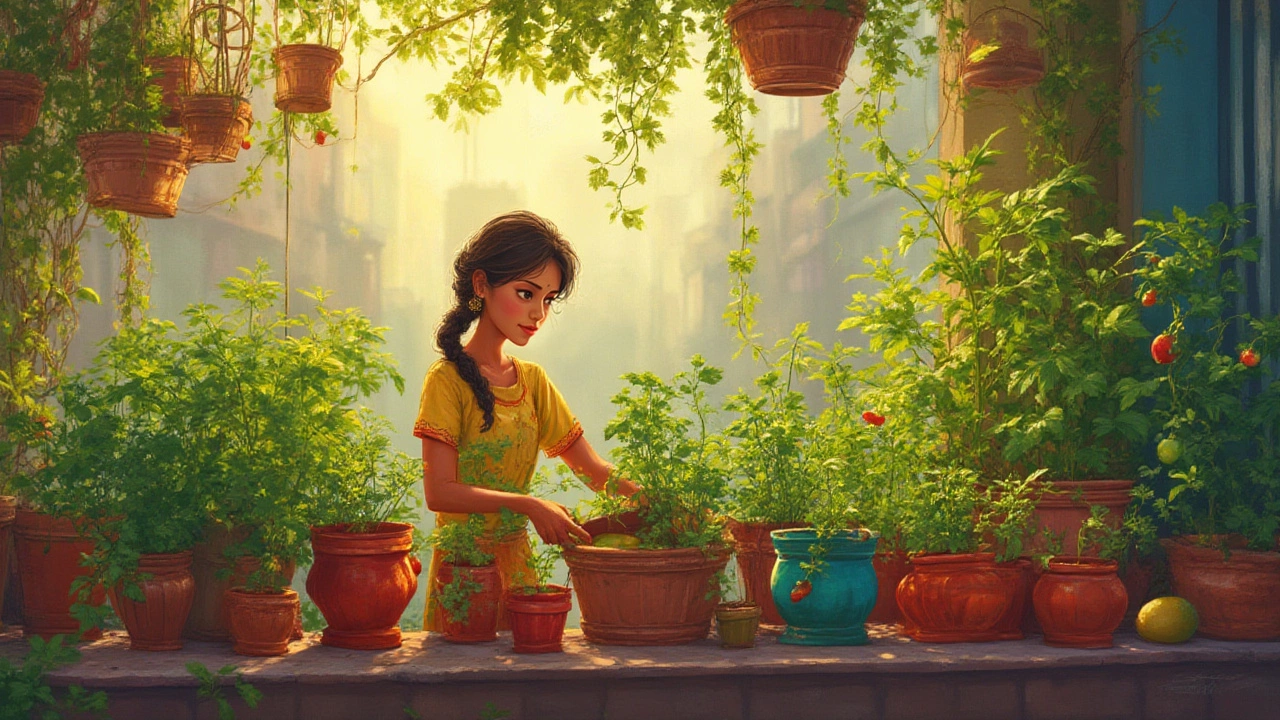
Many gardeners start with tomatoes or chillies because they’re common, but the real winners are the ones that fit tight spaces and handle India’s heat and monsoons without drama. Container gardening, growing plants in pots or raised beds instead of open soil. Also known as small-space gardening, it’s the backbone of urban growing in cities like Mumbai, Delhi, and Bangalore. You don’t need a backyard. A 10x10 patio or a balcony with 4 hours of sun is enough for spinach, beans, okra, and even small eggplants. And if your soil is hard as brick? Organic fertilizer, natural nutrient sources like compost, banana peels, or neem cake that feed plants without chemicals. Also known as homemade plant food, it’s what turns tired soil into a living ecosystem. No synthetic powders. No expensive bags. Just kitchen scraps turned into growth fuel.
Watering is where most people fail. Running a drip system every day? That’s how you drown your plants. The drip irrigation, a low-waste watering method that delivers water slowly to plant roots. Also known as targeted watering system, it’s smart—but only if you use it right. You don’t need to water daily. You need to water deeply, then let the soil dry a bit. Pair that with mulch, and you cut water use by half. And if pests show up? Neem oil isn’t just a buzzword—it’s the most reliable, safe, and cheap fix that won’t kill your bees or your soil.
What you’ll find below isn’t a list of generic veggies. It’s a real collection of what actually works for Indian gardeners—on balconies, in pots, under hot sun, and during heavy rains. From the easiest to grow to the ones that surprise you with how much they give back, these are the plants that keep coming back year after year. No fluff. No theory. Just what you can plant this week and harvest in 30 days.
Curious which vegetables thrive in containers? Here’s a deep dive into the very best crops to grow, plus expert tips for lush, healthy harvests—even in tiny spaces.