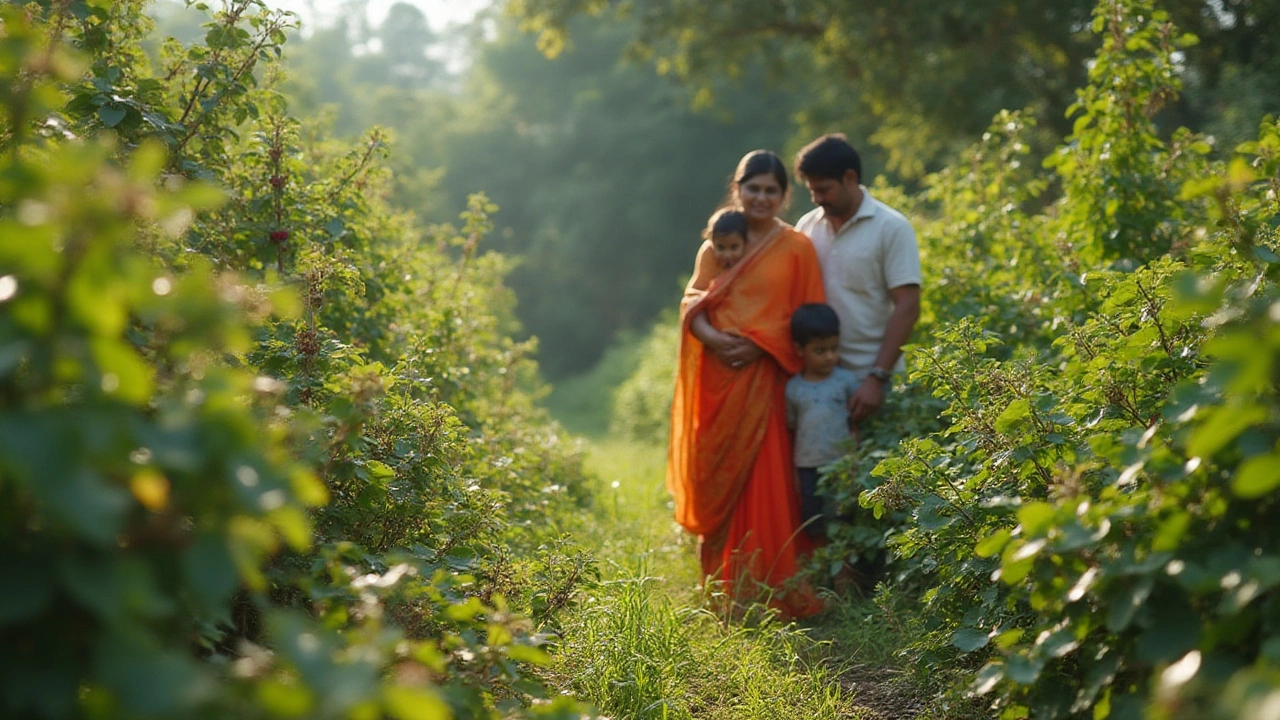
Blueberry Gardening Tips: How to Grow Healthy Blueberries in India
When you think of blueberries, a small, sweet berry that thrives in acidic soil and cool climates. Also known as highbush blueberry, it's a plant that many Indian gardeners assume won’t grow here—but that’s a myth. Blueberries don’t need freezing winters to survive. They need the right soil, the right water, and the right spot. And with the right setup, you can grow them on a balcony, terrace, or even in a backyard in Delhi, Bangalore, or Pune.
The biggest mistake people make is treating blueberries like regular fruit bushes. They’re not. blueberry soil, a highly acidic, well-draining mix rich in organic matter. Also known as ericaceous soil, it’s the foundation of success. Most Indian garden soils are alkaline or clay-heavy. Left alone, blueberries will turn yellow, stop growing, and die. You need to amend the soil with peat moss, pine bark, or coconut coir to drop the pH to 4.5–5.5. Test it with a simple kit from any garden store. No guesswork.
Watering is just as critical. Blueberries hate wet feet but dry out fast. That’s why drip irrigation, a slow, steady water delivery system that targets roots without soaking leaves. Also known as micro-irrigation, it’s one of the best tools for blueberry growers in hot regions. Running it daily? Wrong. You want moist, not soggy. Check the top two inches of soil—dry? Water. Damp? Wait. Mulch with pine needles or wood chips to hold moisture and keep roots cool.
And don’t skip containers. If your soil won’t cooperate, grow blueberries in large pots—15 gallons or bigger. Use a mix of 50% potting soil, 30% peat moss, and 20% perlite. Place the pot where it gets morning sun and afternoon shade. In India’s summer heat, that’s the sweet spot. Pick compact varieties like ‘Top Hat’ or ‘Sunshine Blue’—they’re bred for smaller spaces and warmer zones.
Blueberries also need fertilizer—but not just any kind. Avoid regular garden fertilizers. Use one made for acid-loving plants, like ammonium sulfate or a slow-release organic blend. Apply in early spring and again after fruiting. And yes, you can use homemade compost—but only if it’s made from pine needles, coffee grounds, and fruit scraps. Avoid manure-based composts; they raise pH.
Pruning? Minimal. Remove dead wood each winter. Thin out crowded branches to let air flow. That’s it. No heavy cuts. Blueberries fruit on old wood, so don’t over-prune. And don’t expect berries the first year. Most plants take two to three years to give a decent harvest. But once they do, you’ll get clusters of sweet, juicy berries right from your own space.
People ask if blueberries need pollinators. Yes, but not bees alone. Plant two different varieties close together. Cross-pollination gives you bigger, more abundant fruit. Even in a small balcony, you can fit two pots of different types. That’s all it takes.
There’s no magic trick. Just the right soil, steady water, smart containers, and patience. Blueberries are not easy, but they’re not impossible either. They’re one of the few fruits that reward careful attention with incredible flavor. If you’ve tried and failed before, it wasn’t the plant—it was the setup. The posts below show exactly how others in India have done it right—with real results, real mistakes, and real fixes.
Discover common mistakes in blueberry planting, unsuitable locations, soil issues, and key tips for healthy blueberry bushes. Avoid wasting time and boost your berry harvest.