Blueberry Soil Requirements: What Actually Works for Healthy Plants
When you grow blueberry soil requirements, the specific conditions blueberry plants need to produce fruit, including pH, texture, and organic content. Also known as acidic soil needs for blueberries, it's not just about adding fertilizer—it's about recreating the forest floor environment these plants evolved in. Most gardeners fail because they treat blueberries like any other shrub. But blueberries don’t just want good soil—they need acidic soil with a pH between 4.5 and 5.5. If your soil is even slightly alkaline, your plants will turn yellow, stop growing, and eventually die, no matter how much water or sun they get.
This is why blueberry soil pH, the measure of acidity or alkalinity in soil that directly affects nutrient uptake in blueberry plants is non-negotiable. You can’t fix poor pH with a quick dose of compost. You need to test your soil first—cheap kits from any garden center work fine. If it’s above 5.5, you’ll need to lower it with elemental sulfur or peat moss. And don’t just mix it in once—you’ll need to maintain it yearly. Blueberries are like cats: they won’t tell you they’re unhappy until it’s too late. Yellow leaves? That’s your warning.
Texture matters too. Blueberries hate wet feet. Even if your pH is perfect, if your soil drains slowly, the roots will rot. That’s why blueberry planting, the process of establishing blueberry bushes in soil that meets their unique needs for drainage, acidity, and organic content always starts with raised beds or mounds in heavy clay areas. Mixing in coarse sand, pine bark, or well-rotted pine needles helps create that loose, airy structure they love. Think of it like building a sponge that holds moisture but never gets soggy.
Organic matter isn’t optional—it’s the engine. Blueberries feed through fungi, not bacteria. That means composted manure? Skip it. But leaf mold, pine needles, or even coffee grounds? Perfect. These materials slowly break down, feeding the mycorrhizal fungi that blueberries depend on to pull nutrients from the soil. Most commercial fertilizers will burn these fungi and wreck your long-term soil health.
And here’s the thing most guides won’t tell you: blueberries don’t need rich soil. They need *right* soil. Over-fertilizing is a common mistake. Too much nitrogen pushes leaf growth but kills fruit. A little bit of slow-release acid-loving fertilizer in early spring is enough. The rest? Let the soil do the work.
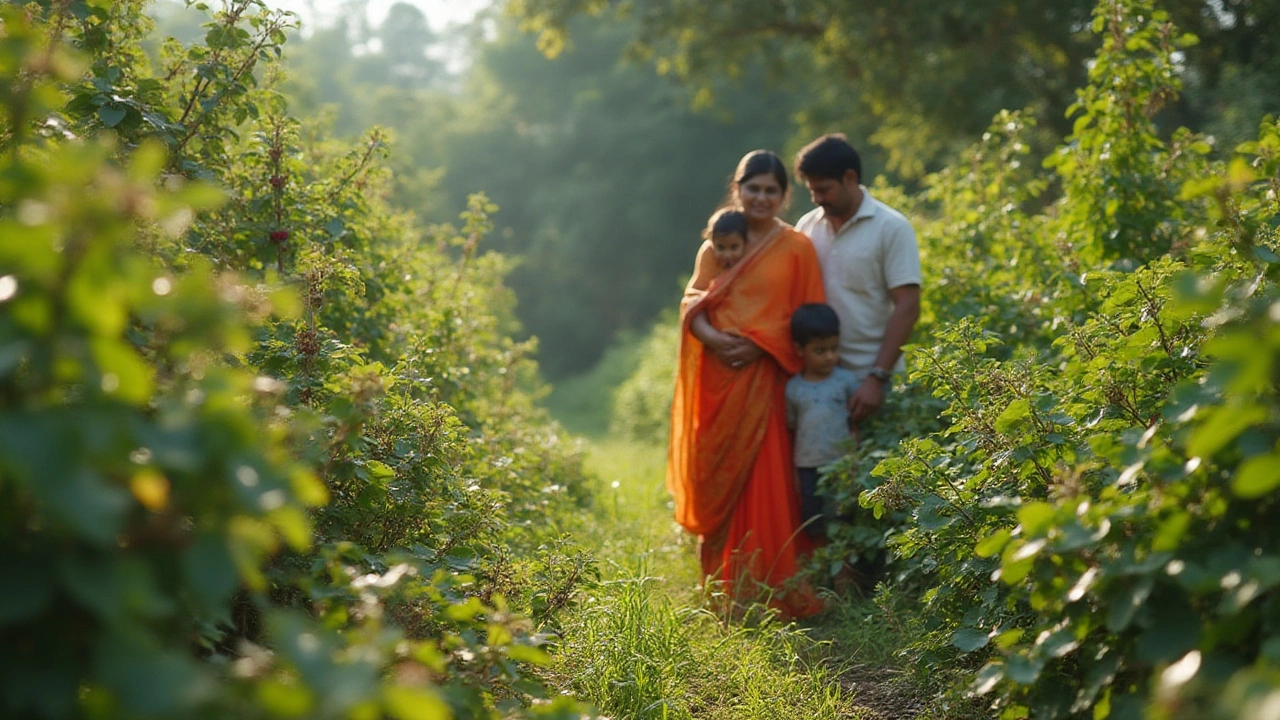
If you live in India, where most soils are alkaline and clay-heavy, blueberries can feel impossible. But they’re not. Thousands of home gardeners in Himachal, Karnataka, and Tamil Nadu are growing them successfully—using raised beds, imported peat, and regular pH checks. It’s not magic. It’s just knowing what the plant actually needs.
Below, you’ll find real-world guides from gardeners who’ve cracked the code. You’ll see how to fix compacted soil for blueberries, what natural amendments work best, how to test your soil without a lab, and why some DIY fertilizer recipes backfire. No fluff. No theory. Just what works in Indian conditions.
Discover common mistakes in blueberry planting, unsuitable locations, soil issues, and key tips for healthy blueberry bushes. Avoid wasting time and boost your berry harvest.