Bonsai Care: Essential Tips for Healthy, Long-Lasting Trees
When you bring home a bonsai, a miniature tree grown in a container using specialized pruning and training techniques. Also known as penjing, it’s not just a plant—it’s a living sculpture that demands attention, patience, and the right conditions. Most people think bonsai are delicate and hard to keep alive, but the truth is, they’re tough—if you stop treating them like houseplants. The biggest killer? overwatering, giving the tree too much water too often, which suffocates the roots. It’s not the lack of water that kills bonsai—it’s the constant wet soil. You’ll see yellowing leaves, mushy roots, or a foul smell from the pot. That’s your tree screaming for help.
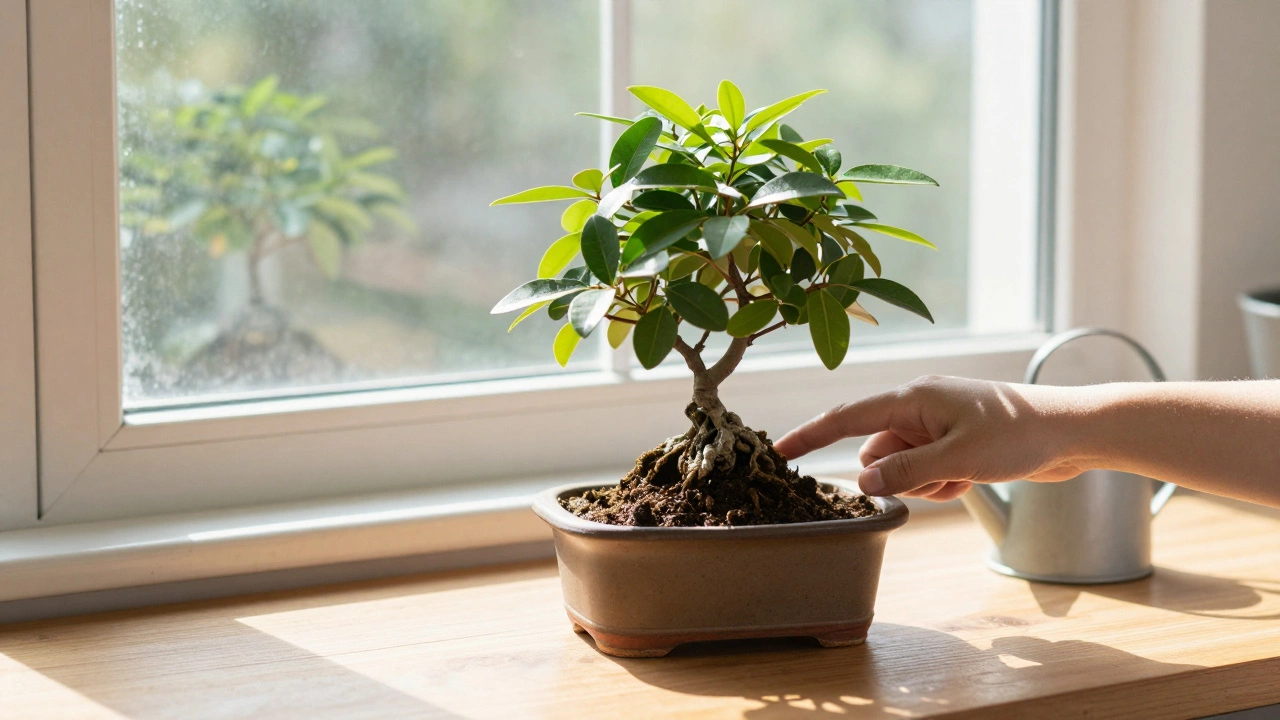
bonsai watering schedule, a custom routine based on soil type, season, and climate—not a fixed daily timer. There’s no universal rule like "water every three days." Instead, check the top inch of soil. If it’s dry, it’s time. If it’s still damp, wait. Rainy seasons? Cut back. Hot summer days? You might need to water twice. And don’t assume a bigger pot means less watering—small pots dry out fast, but they also drain fast. The right soil mix matters more than the pot size. A mix with akadama, pumice, and lava rock lets water move through without sitting around the roots. That’s what keeps bonsai root rot, a fungal decay caused by soggy conditions that eats away at fine roots. from taking over.
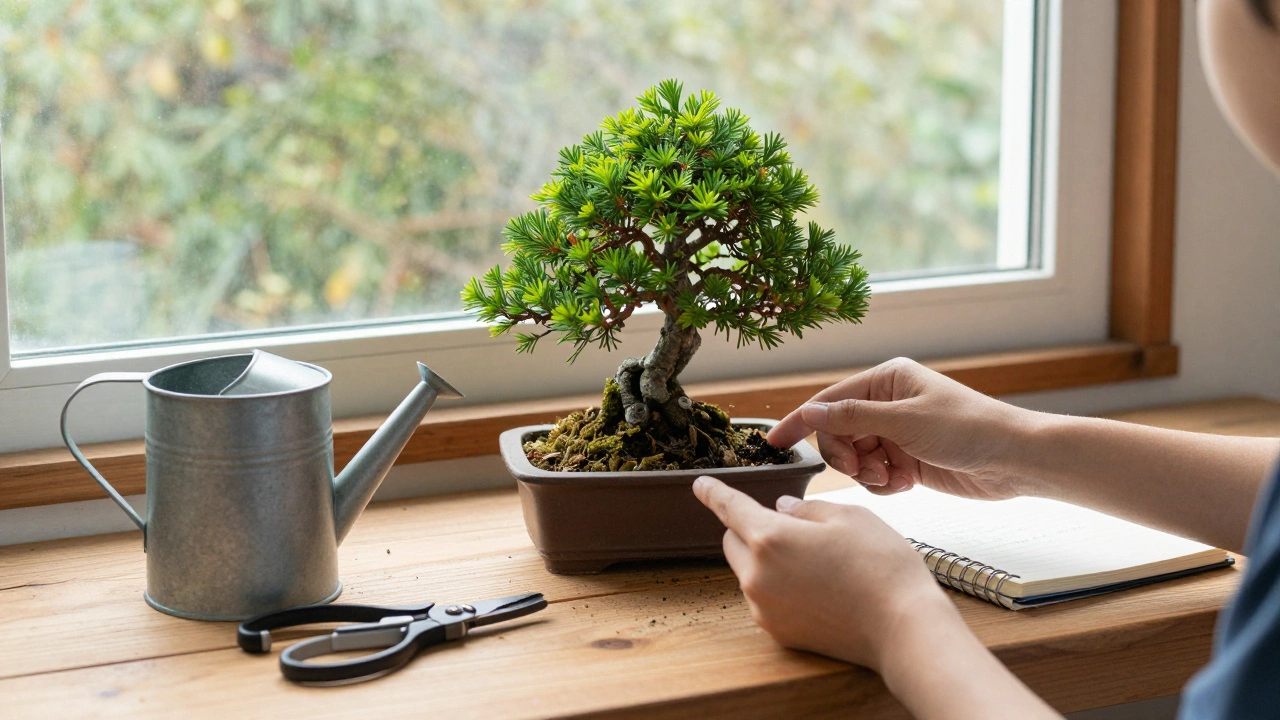
Many bonsai owners focus only on watering and forget about light, airflow, and seasonal changes. A bonsai needs bright, indirect sunlight for most of the day. Left in deep shade, it gets weak. Left in scorching sun without acclimation, it burns. And airflow? Critical. Stagnant air invites pests and mold. Keep your bonsai where it catches a breeze—even on a balcony. You don’t need fancy tools. Just a clean pair of scissors, a good soil mix, and the habit of checking your tree every morning. The posts below show real signs of trouble, how to fix them, and what to do before it’s too late. You’ll find exactly what works for Indian climates, how to spot early warnings, and how to bring a struggling tree back to life. No guesswork. Just clear, proven steps.
Learn how to make your bonsai happy with simple, practical care tips on watering, light, soil, pruning, and seasonal needs. No fancy tools needed-just consistency and patience.
Learn how to care for a bonsai tree as a beginner with simple, practical steps on watering, light, pruning, soil, and common mistakes to avoid. No guesswork - just clear advice for keeping your bonsai alive and thriving.
Learn how to care for a bonsai tree as a beginner with simple, practical steps for watering, light, soil, and pruning. Avoid common mistakes and keep your mini tree healthy with minimal effort.
Watering a bonsai seems simple until you realize there’s no one-size-fits-all answer. This article breaks down how often bonsai need water, from seasonal changes to those tell-tale signs your tree is thirsty or drowning. Learn exactly when and how much water your tiny tree actually wants, plus common mistakes beginners make. You’ll also pick up some hands-on tricks to keep your bonsai alive and thriving. If you love your bonsai, you can’t skip this guide.
Thinking of misting your bonsai tree but not sure if it's the right move? This article explores the benefits and drawbacks of misting, how it affects your bonsai's health, and provides practical tips for maintaining optimal humidity. Discover surprising facts about bonsai species that love a good mist and how to incorporate this practice into your daily care routine without overdoing it. Get informed on how to keep your bonsai thriving!
Curious about nurturing your bonsai with tap water? This article dives into the specifics, helping bonsai enthusiasts understand the effects of using tap water for their miniature trees. We explore the pros and cons, potential alternatives, and practical tips to ensure your bonsai thrives. Uncover the science behind water quality and its impact on your plant's health. Perfect for both beginners and seasoned bonsai lovers.
Considering whether to place your bonsai in direct sunlight? Learn about the ideal light conditions for your bonsai trees, including specific exposure tips. Understand the importance of species-specific needs and recognize signs of too much or too little light. This guide will help you make informed choices about light exposure for healthier bonsai.