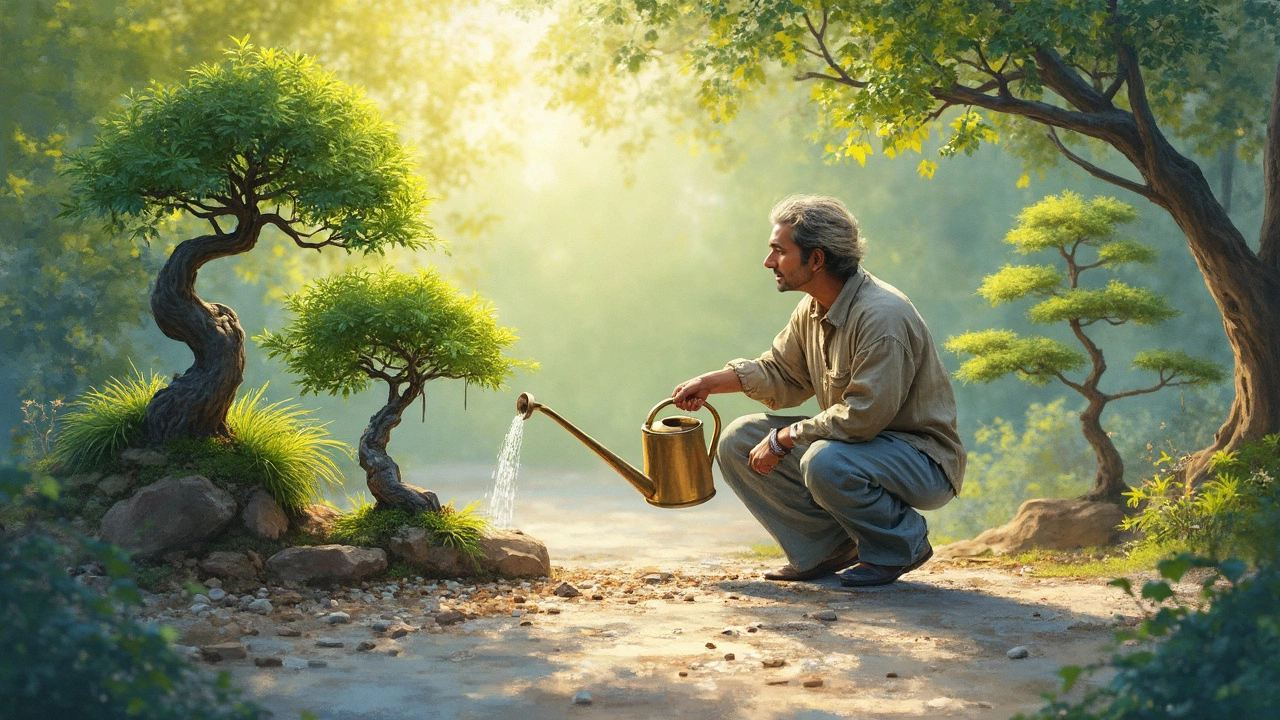
Bonsai Tips: Essential Care Guide for Healthy, Thriving Trees
When you think of bonsai, a miniature tree grown in a container using careful pruning and training techniques. Also known as penjing, it’s not just a plant—it’s living art that demands patience and precision. Most people kill their bonsai not because they’re too lazy, but because they care too much. Watering every day, using regular potting soil, or leaving it in full sun? Those are the top mistakes. Real bonsai tips aren’t about fancy tools or expensive pots—they’re about understanding what your tree actually needs.
Bonsai care starts with water. A overwatered bonsai, a tree suffering from too much moisture leading to root rot and yellowing leaves looks like it’s dying of thirst—curling leaves, dark stems, soil that never dries. But the fix isn’t more water. It’s checking the soil with your finger, waiting until the top inch is dry, then soaking deeply. Your bonsai doesn’t need daily drinks—it needs a rhythm. The bonsai watering schedule, a tailored routine based on climate, season, and pot size to prevent both dryness and drowning changes with the weather. In India’s hot summers, you might water every 2–3 days. In winter, once a week might be enough. And never let your bonsai sit in a saucer of water—that’s how root rot starts.
Soil matters just as much as water. Bonsai aren’t meant for garden dirt. They need fast-draining mix—think akadama, pumice, lava rock. Regular soil holds too much moisture and suffocates roots. If your tree’s leaves are dropping or the trunk feels soft, root rot might already be setting in. That’s not a death sentence, but it needs action fast: remove the tree, cut off the mushy roots, repot in fresh mix, and hold off on water for a few days. You’ll find posts below that show you exactly how to spot the early signs of trouble, how to fix compacted soil in bonsai pots, and why neem oil is one of the safest ways to keep pests away without harming your tree. You’ll also see real examples of what healthy bonsai look like at different stages, and how to adjust care based on India’s unique climate—from Mumbai’s humidity to Delhi’s dry winters. This isn’t theory. These are the tips that keep bonsai alive for decades, not months.
Curious about nurturing your bonsai with tap water? This article dives into the specifics, helping bonsai enthusiasts understand the effects of using tap water for their miniature trees. We explore the pros and cons, potential alternatives, and practical tips to ensure your bonsai thrives. Uncover the science behind water quality and its impact on your plant's health. Perfect for both beginners and seasoned bonsai lovers.