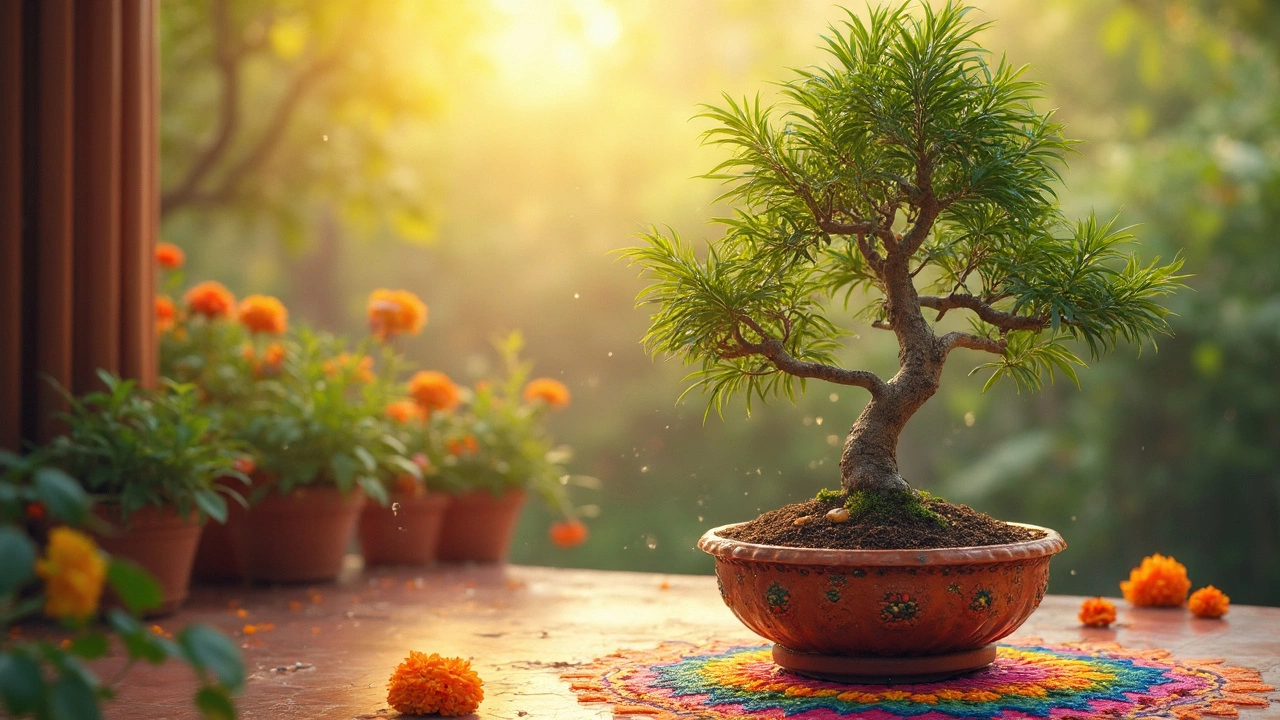
Bonsai Watering Tips: How to Keep Your Bonsai Alive and Thriving
When you bring home a bonsai, a miniature tree grown in a container using special pruning and root control techniques. Also known as penjing, it’s not just a plant—it’s a living sculpture that demands attention. But here’s the truth: most bonsai die not from neglect, but from too much love. People water them daily because they look dry, not realizing that bonsai watering tips are the opposite of regular houseplants. They need dry roots between waterings, not constant moisture.
That’s why overwatered bonsai, a condition caused by frequent watering that leads to suffocated roots and fungal decay is the #1 killer. You’ll spot it by yellowing leaves, soft stems, or soil that never dries out. It’s not always obvious—your bonsai won’t wilt like a tomato plant. Instead, it slowly fades, leaf by leaf, until one day, it’s just gone. The fix? Stop watering on a schedule. Start checking the soil. Stick your finger in up to the first knuckle. If it’s damp, wait. If it’s dry, water deeply until it drains out the bottom. Then wait again. This is the core of any real bonsai watering schedule, a personalized routine based on climate, pot size, soil mix, and season, not a fixed daily routine.
Soil matters too. A bonsai needs fast-draining mix—no regular potting soil. It’s usually made of akadama, pumice, and lava rock. If your soil turns to mud after rain, you’re already losing. And don’t forget the pot. Shallow pots dry faster. Deep pots hold water longer. The size, material, and even color affect how quickly your bonsai drinks. In summer, you might need water every 2–3 days. In winter, once a week might be enough. Rainy season? Skip watering for days. The key isn’t frequency—it’s reading the plant’s signals.
And if you’ve already overwatered? Don’t panic. Remove the tree from the pot. Cut away any mushy, black roots with clean scissors. Repot in fresh, dry soil. Don’t water for 5 days. Let the roots heal. Then start slow. This is how you rescue a bonsai root rot, a fatal fungal disease caused by prolonged wet conditions that destroys root tissue. It’s not magic. It’s just stopping the mistake.
What you’ll find below are real, tested stories from people who’ve been there. They’ve seen yellow leaves, dug up mushy roots, and brought their trees back. You’ll learn how to tell if your bonsai is thirsty or drowning, how to adjust for Indian weather, what tools actually help, and why that fancy watering can you bought online might be hurting more than helping. No fluff. No theory. Just what works.
Caring for a Bonsai tree involves understanding its unique watering needs. Learn how often to soak your Bonsai tree and discover practical tips to ensure its healthy growth. This article explores the best practices for proper moisture balance to avoid overwatering or under-watering. Discover interesting facts about Bonsai maintenance and keep your miniature tree thriving.