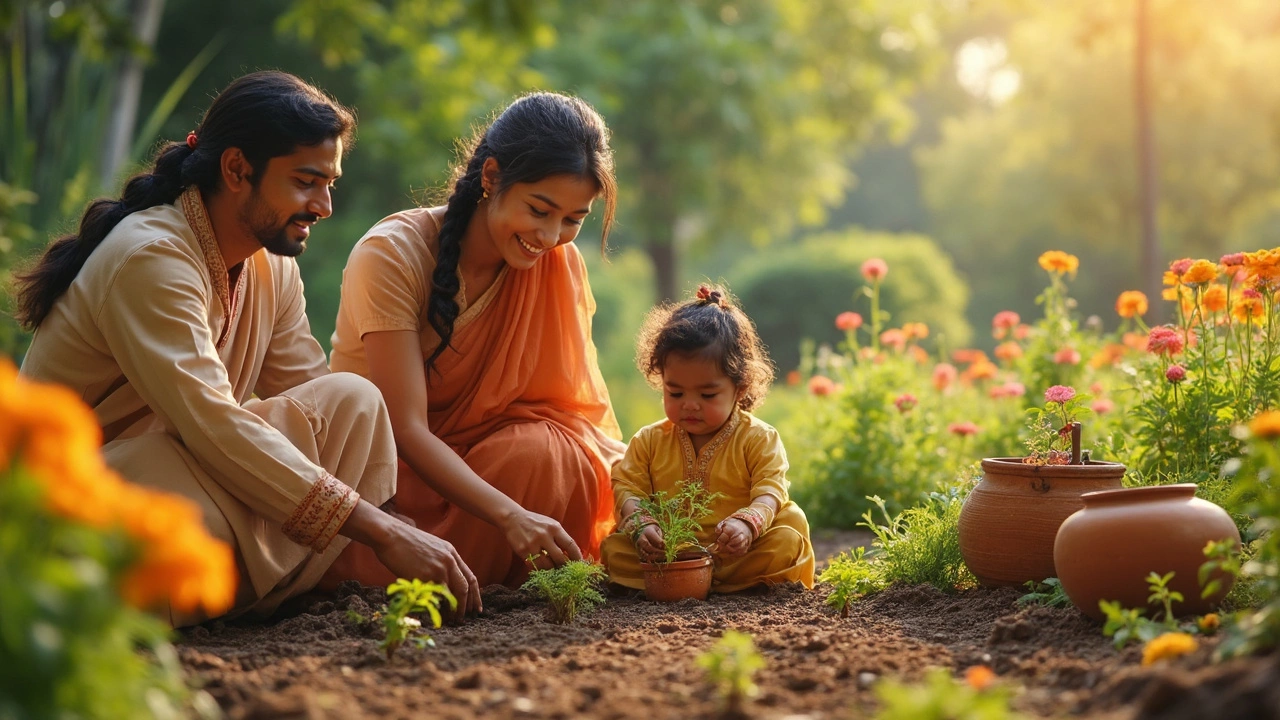
Carrot Planting: How to Grow Sweet, Healthy Carrots in Indian Gardens
When you start carrot planting, the process of growing carrots from seed to harvest in home gardens or small farms. Also known as cultivating Daucus carota, it’s one of the most rewarding crops for Indian gardeners who want fresh, homegrown produce without relying on stores. Carrots aren’t just for rabbits—they’re packed with nutrients, store well, and thrive in India’s cooler months if you get the basics right.
Many gardeners fail at carrot planting because they treat it like any other vegetable. But carrots need loose, stone-free soil. If your soil is heavy or clumpy, the roots twist and split. That’s why soil preparation, the process of loosening and enriching garden soil for optimal root development matters more than watering or fertilizing. You don’t need fancy tools—just a fork, some compost, and patience. Mix in sand or well-decomposed manure to make the soil crumbly. Carrots grow best in pH 6.0–6.8 soil, which most Indian garden loams can reach with a little adjustment.
Timing is everything. In northern India, plant carrots between September and November for a winter harvest. In the south, you can start as early as August. Avoid planting during peak summer heat—carrots turn bitter and woody when temperatures go above 30°C. They also need consistent moisture, but not too much. watering schedule, a planned routine for delivering water to plants at the right frequency and amount should keep the soil damp like a wrung-out sponge, not soggy. Overwatering leads to rot; underwatering makes them tough. A light daily sprinkle in the morning works better than one heavy soak.
Don’t rush thinning. When seedlings are 2 inches tall, pull out the weakest ones so the rest have 2–3 inches of space. Crowded carrots stay small and misshapen. And skip chemical fertilizers. Carrots respond better to slow-release organic matter like compost tea or well-aged cow dung. You’ll get sweeter roots and healthier soil over time.
Carrots also benefit from mulching, covering soil with organic material to retain moisture and suppress weeds. A thin layer of straw or dried grass keeps the soil cool and stops weeds from stealing nutrients. It also reduces the need for frequent weeding, which can accidentally damage shallow carrot roots.
Some gardeners in India grow carrots in containers—perfect for balconies or small patios. Use deep pots (at least 12 inches) with good drainage. Fill them with a mix of garden soil, compost, and sand. The same rules apply: loose soil, steady water, and cool weather. You’ll be surprised how many people harvest their first carrots this way.
What you’ll find in the posts below are real solutions from people who’ve tried and tested carrot planting in Indian conditions. No theory. No fluff. Just what works: how to fix bad soil, when to plant in your region, how to avoid pests without chemicals, and why some gardeners get perfect carrots while others get crooked ones. Whether you’re planting in a backyard, terrace, or balcony, you’ll find a method that fits your space—and your climate.
Knowing exactly when to sow carrots can make a big difference in getting sweet, crisp roots from your garden. This article breaks down the best time to plant carrot seeds, why timing matters, and how climate affects your chances of a good harvest. You'll get practical tips for seed success, plus easy ways to avoid common carrot mistakes. Dig in for a straightforward guide that'll help you grow carrots like a pro, even if you've never tried before.
Continue reading...