Citronella: The Natural Bug Repellent Plant for Indian Gardens
When you think of keeping mosquitoes away without chemicals, citronella, a fragrant grass-like plant known for repelling insects, especially mosquitoes. Also known as Cymbopogon nardus, it’s one of the few plants that actually works outdoors in India’s humid summers. You’ve probably seen it in candles or sprays—but growing it right in your balcony or backyard is even better. Unlike synthetic repellents that wear off after an hour, citronella keeps working as long as the leaves are intact and the air moves around them.
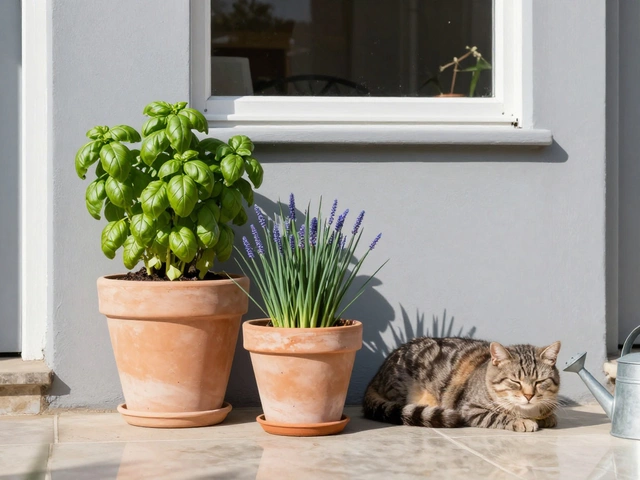
Citronella doesn’t just repel bugs—it’s part of a bigger shift toward natural insecticide, plant-based solutions that target pests without harming bees, pets, or soil. Also known as botanical insecticide, this approach is gaining ground in Indian gardens. It’s not magic. The oil in citronella leaves masks the scents that attract mosquitoes, like carbon dioxide and lactic acid. That’s why it’s often paired with other plants like neem, lemongrass, and marigolds. You don’t need a big plot. Even a single pot on your terrace can make a difference. And unlike chemical sprays, citronella won’t leave residue on your kids’ toys or your herbs.
It’s not just about the smell. Citronella thrives in warm, sunny spots—perfect for most parts of India. It grows fast, needs little water once rooted, and doesn’t ask for fancy soil. You can propagate it easily from cuttings. Most people buy citronella candles and wonder why they don’t work as well outdoors. The truth? The oil evaporates. But a live plant? It’s a slow-release system. Crush a leaf, rub it on your skin, and you’ve got instant protection. That’s why gardeners in Kerala, Tamil Nadu, and Karnataka are planting it along fences, near windows, and around seating areas.
Some folks confuse citronella with lemongrass—they look alike. But citronella has reddish stems and a stronger scent. It’s also the source of commercial citronella oil used in repellents. You don’t need to extract the oil yourself. Just plant it where you sit outside. Keep it near your evening tea spot, your balcony swing, or your kitchen door. It’s low maintenance, non-toxic, and smells like fresh citrus after rain.
And here’s the kicker: citronella fits right into the growing trend of self-sustaining garden, a garden that works with nature, not against it, using compost, rainwater, and natural pest control. It doesn’t need fertilizers. It doesn’t need pesticides. It just needs sun and a little space. Combine it with compost-rich soil, and you’ve got a mini eco-system that repels bugs, cleans the air, and adds greenery.
You’ll find posts here that show you how to grow citronella in pots, how to use its leaves for homemade sprays, and how to pair it with other plants that boost its effect. No fluff. No overpriced gadgets. Just real, practical ways to keep mosquitoes out of your space—using something you can grow yourself.
Wondering which natural insect repellent tops the list? This article breaks down the number one choice, why it stands out, how to use it, and tips to boost its power. If you’re looking for a safer way to keep bugs away, skip the chemicals and find out what really works with practical advice for your daily life.