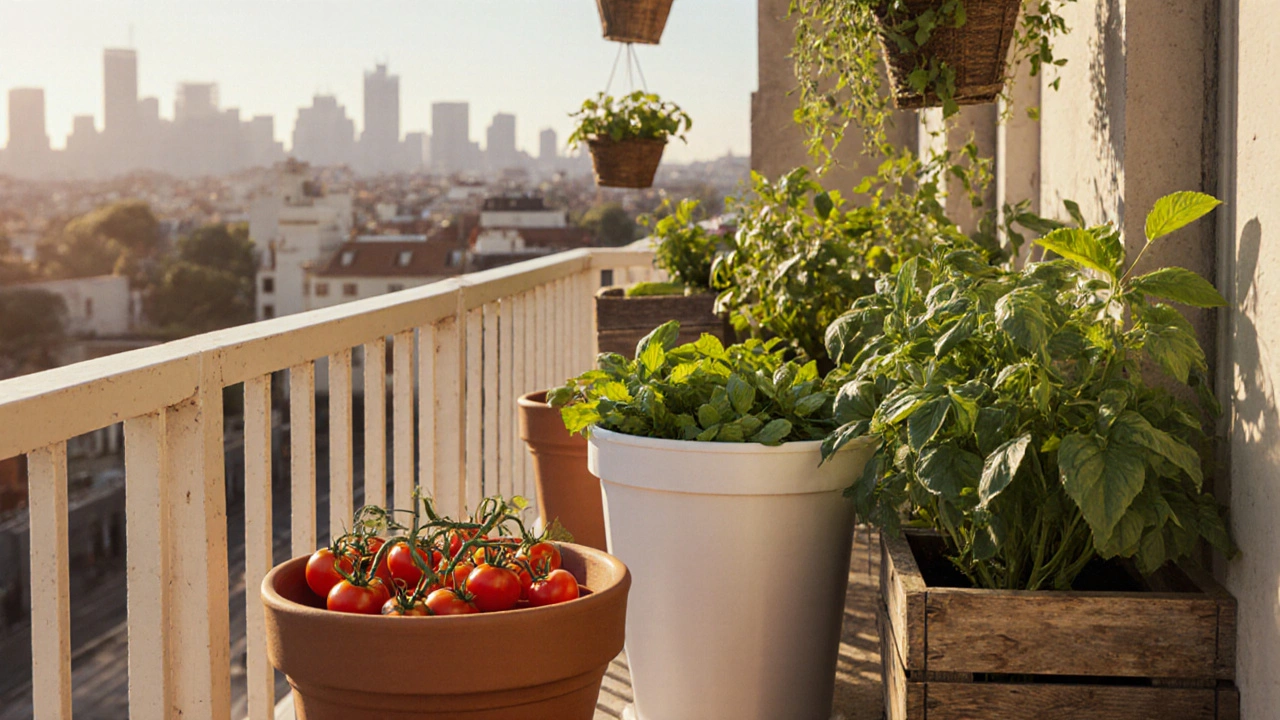
Container Gardening Vegetables: Grow Fresh Produce in Small Spaces
When you think of growing vegetables, you probably picture rows in a backyard. But container gardening vegetables, the practice of growing edible plants in pots, buckets, or raised beds instead of the ground. Also known as pot gardening, it’s become the go-to method for city dwellers, apartment renters, and anyone with limited space. You don’t need a farm to eat fresh tomatoes, peppers, or herbs. All you need is a sunny spot, the right containers, and a few simple rules.
Many people assume container gardening is just a workaround for those without land. It’s not. It’s often better. In pots, you control the soil, the water, and the pests. You can move plants to catch the sun or protect them from wind. You can grow more in less space by stacking or hanging containers. The balcony vegetable garden, a compact, high-yield system designed for urban balconies and terraces is a perfect example. Posts in this collection show how people in Mumbai, Delhi, and Bangalore are turning tiny balconies into food factories using just 5-gallon buckets and smart plant choices.
But it’s not all easy. The biggest mistake? Using regular garden soil. It compacts in pots, drowns roots, and invites fungus. You need lightweight, well-draining mix—usually a blend of peat, perlite, and compost. Another common error? Watering daily. Containers dry out faster than ground soil, but overwatering kills just as fast. You need to check the top inch of soil before watering. And don’t just pick any vegetable. Tomatoes, lettuce, peppers, radishes, and herbs like basil and cilantro thrive in pots. But corn? No. Squash? Only if you have a huge container. The small space gardening, a technique focused on maximizing yield in confined areas using vertical structures, dwarf varieties, and smart spacing approach changes everything.
You’ll find real tips here—not theory. Like how one gardener in Pune grew 12 tomatoes from a single plant in a 10-gallon bucket using homemade fertilizer. Or how someone in Jaipur used recycled plastic bottles as vertical planters for spinach. You’ll learn which vegetables need full sun, which can handle partial shade, and how to avoid root rot without spending a fortune on gadgets. You’ll also see why drip irrigation isn’t always the answer—sometimes a simple watering can with a rose nozzle works better, especially if you’re only growing a few pots.
This isn’t about fancy gear or expensive kits. It’s about using what you have. Old buckets. Baskets. Even discarded tires. The goal is food, not aesthetics. And the best part? You can start today. No permit. No land. Just a windowsill and a packet of seeds.
Below, you’ll find real stories from people who turned their balconies, terraces, and patios into productive gardens. No fluff. No jargon. Just what works—in India’s heat, rain, and crowded spaces.
Discover the best vegetables for balcony gardening, learn container setup, light, water, and pest tips, and start harvesting fresh produce from your small outdoor space.