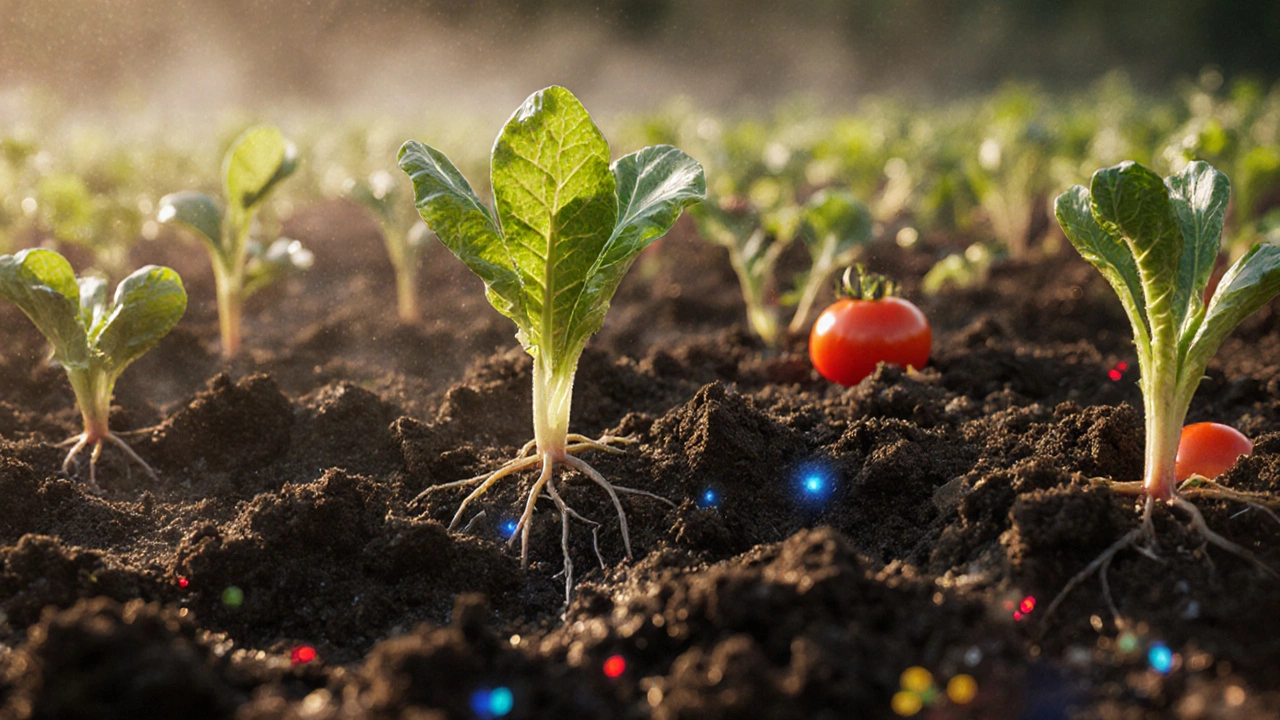
DIY Nutrient Mix: Simple Recipes for Healthier Plants
When you make a DIY nutrient mix, a custom blend of organic materials that feeds plants without synthetic chemicals. Also known as homemade plant food, it gives you control over what your plants absorb—no hidden salts, no artificial fillers, just clean nutrition. Most store-bought fertilizers promise quick results but often leave soil tired and lifeless over time. A DIY nutrient mix, on the other hand, builds soil health while feeding plants slowly and steadily.
It’s not magic—it’s biology. Plants need nitrogen for leaves, phosphorus for roots and flowers, and potassium for overall strength. You can get all three from things you already have: coffee grounds for nitrogen, crushed eggshells for calcium, banana peels for potassium, and compost tea for microbial life. These aren’t just kitchen scraps—they’re organic fertilizer, natural materials that improve soil structure and feed beneficial microbes. When you combine them right, you’re not just feeding plants—you’re rebuilding the soil ecosystem. That’s why gardeners who use DIY mixes see fewer pests, stronger stems, and better yields over time.
It’s not about buying expensive gadgets or following complex formulas. The best DIY nutrient mixes are simple, safe, and adaptable. You can tweak them for tomatoes, herbs, or even indoor plants. A mix that works for a balcony chilli plant might be too strong for a bonsai, but the core idea stays the same: feed the soil, and the soil feeds the plant. And because you’re using things like fish tank water, tea leaves, or wood ash, you’re cutting waste and saving money at the same time.
Some people think natural means weak. It doesn’t. Neem oil, compost, and homemade nutrient solutions have been used for centuries—and now science backs them up. You don’t need to wait for a miracle. Start with one recipe, test it on a few plants, and watch how they respond. Over time, you’ll learn what your soil needs before you even see a symptom.
Below, you’ll find real examples from gardeners who’ve tried these mixes—some with surprising results. You’ll see how to avoid common mistakes, like over-fertilizing with coffee grounds or using too much vinegar. You’ll also learn how to adjust your mix for India’s changing seasons, whether you’re growing on a terrace in Mumbai or a balcony in Delhi. No fluff. No jargon. Just what works.
Discover the top homemade fertilizer recipes for a thriving vegetable garden, with step‑by‑step guides, application tips, and FAQs to boost your crops organically.