Drippers per Line: How Many You Really Need for Efficient Watering
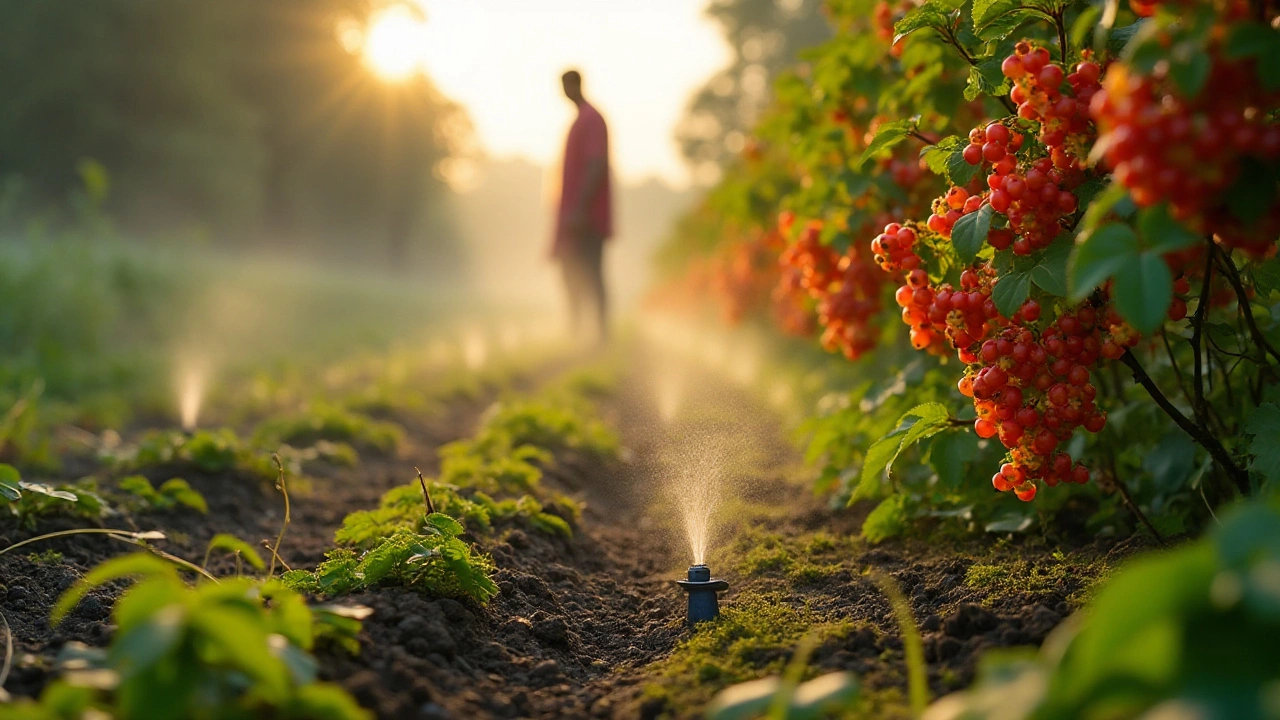
When you set up a dripper, a small device that releases water slowly at the base of a plant. Also known as emitter, it is the heart of any drip irrigation system. Getting the number of drippers per line right isn’t about guesswork—it’s about matching water output to plant needs. Too few, and your plants suffer. Too many, and you waste water, raise your bills, and risk root rot. This isn’t theory. It’s what gardeners in India’s hot, dry regions learn the hard way.
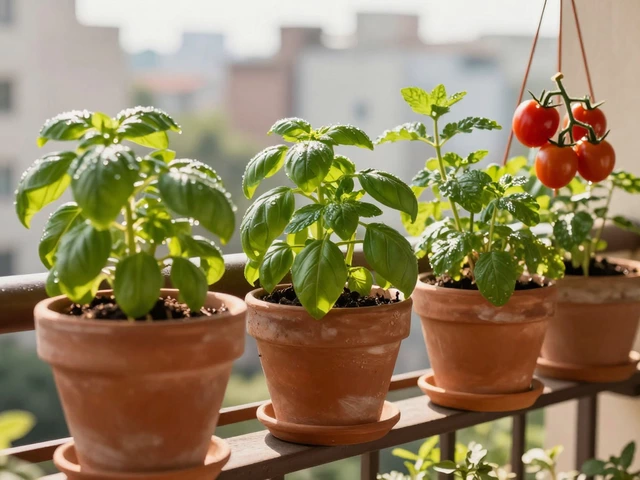
The number of drippers per line depends on three things: the flow rate, how much water each dripper releases per hour, usually measured in liters or gallons, the plant type, whether it’s a thirsty tomato or a drought-tolerant succulent, and the soil type, whether it’s sandy, clay-heavy, or loamy. A tomato plant might need two 2-liter-per-hour drippers close together. A rose bush? One 4-liter dripper. A row of herbs? One 1-liter dripper every 30 cm. These aren’t arbitrary numbers—they’re based on how water moves through soil and how roots actually drink.
Most people install drippers evenly spaced down a line, assuming that’s how it’s supposed to work. But that’s where things go wrong. Plants don’t grow in neat rows like soldiers. They cluster. They shade each other. Their roots spread unevenly. A single line with 10 drippers spaced every 30 cm might be perfect for lettuce, but terrible for a mix of peppers, basil, and marigolds. You need to think in zones, not lines. Group plants with similar water needs. Use different flow rates on the same line if your system allows. Adjust dripper count based on season—plants drink less in winter, even in India.
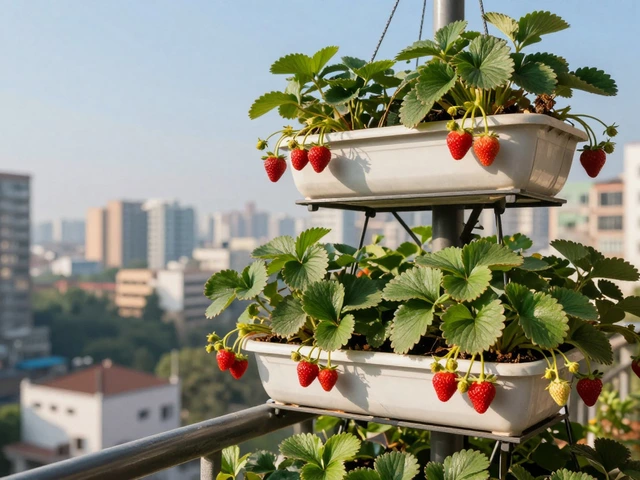
There’s no magic number like "five drippers per line" that works everywhere. But there is a smart way: start with one dripper per plant, test the soil moisture after 30 minutes, and adjust. If the soil is dry 10 cm down, add another dripper. If it’s soggy, reduce the flow or remove one. This isn’t just efficient—it’s cheaper, healthier for your plants, and better for the planet. The posts below show real examples: how one gardener in Kerala fixed his orchid’s root rot by cutting drippers from 8 to 3 per line. How another in Pune saved 40% on water by switching from 2-liter to 1-liter emitters on her balcony veggies. These aren’t tips from a manual. They’re fixes that worked on the ground, in real Indian gardens.
Drip irrigation systems are a highly efficient method of watering that delivers water directly to the root zones of plants. This article delves into how many drippers you can use on one line, factoring in important considerations like water pressure, landscape layout, and plant water needs. By optimizing your drip irrigation system, you can ensure your garden remains healthy and vibrant while making the most of your resources. Whether you're a seasoned gardener or a newcomer, understanding these essentials will guide you in setting up an efficient watering regimen.