Flowers in India: Best Blooms, Care Tips, and Monsoon Favorites
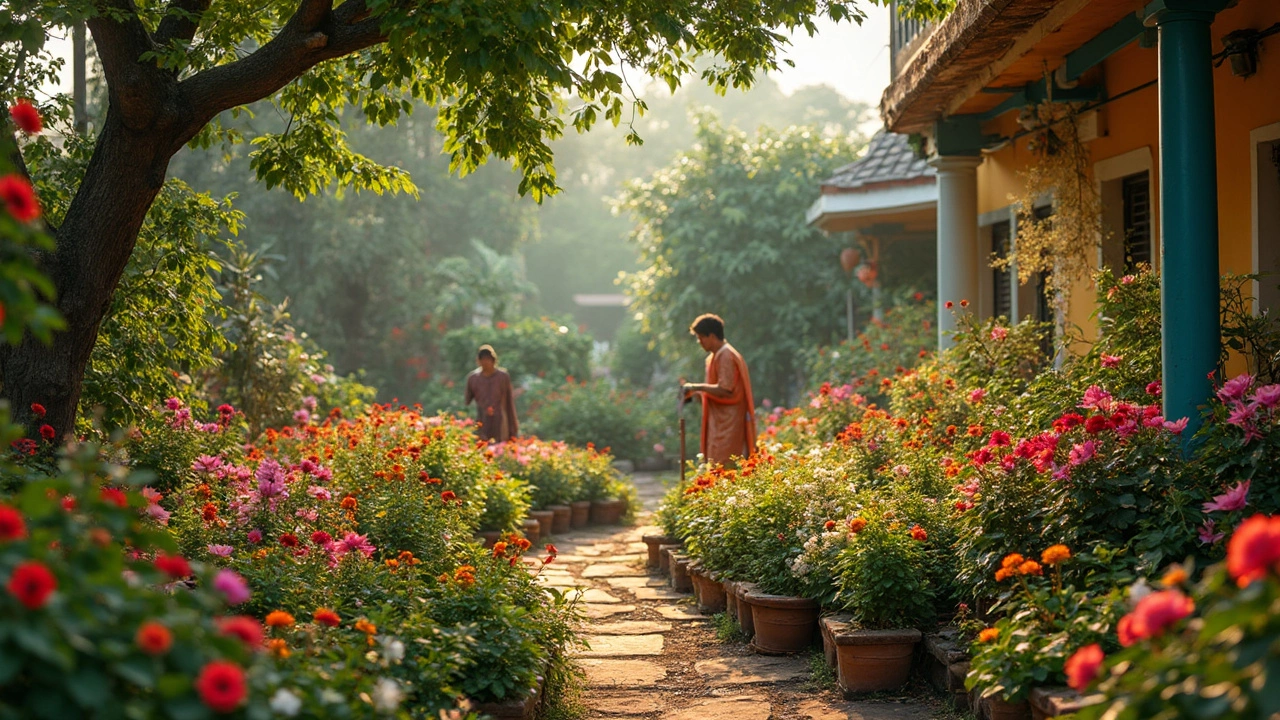
When you think of flowers, living plants that produce colorful blooms to attract pollinators and bring joy to gardens. Also known as blooms, they’re not just decoration—they’re a vital part of India’s ecosystems, culture, and daily life. From the fragrant Mogra that opens with the first monsoon rain to the fiery marigolds lining temple steps, flowers in India aren’t just pretty—they’re deeply woven into how people live. Whether you’re growing them on a balcony in Mumbai or a rooftop in Delhi, the right flower can turn a dull space into a living, breathing oasis.
Not all flowers play well with India’s wild climate. Some, like the Vanda orchid, a high-maintenance tropical flower requiring precise humidity, airflow, and light, demand near-perfect conditions and fail if treated like a common houseplant. Others, like the Jasminum grandiflorum, a fragrant white flower native to India that blooms heavily during monsoon season, practically beg for rain and thrive with minimal fuss. Then there are the year-round bloomers—plants like bougainvillea and hibiscus—that keep color going even when the heat hits 40°C. Choosing the right one means matching the flower to your space, not forcing your space to fit the flower.
Flower care in India isn’t about expensive tools or complicated routines. It’s about understanding soil, water, and sun. Compacted soil kills roots before they start. Overwatering turns delicate petals brown. And using the wrong insecticide? You might kill the bees that help your flowers reproduce. That’s why so many gardeners here swear by neem oil—it’s gentle, natural, and works against pests without harming pollinators. Mulching helps keep roots cool in summer. Rainwater harvesting gives flowers what they really crave—clean, soft water. And planting in the right season? That’s half the battle won.
Some flowers are rare, like the endangered sandalwood tree that blooms only once every few years. Others are everyday heroes—marigolds, chrysanthemums, and roses—that fill markets and homes with color and scent. Whether you’re growing a single pot of jasmine on your balcony or managing a small flower farm in Karnataka, the key is simple: observe. Watch how your flowers react to the morning sun. Check the soil before watering. Notice when pests show up. The best gardeners aren’t the ones with the most tools—they’re the ones who pay attention.
Below, you’ll find real advice from gardeners who’ve learned the hard way. No fluff. No theory. Just what works: how to grow monsoon flowers that actually bloom, how to fix soil that’s turned to brick, why drip irrigation isn’t always the answer for flowers, and which plants need almost no care but give you maximum color. Whether you’re new to gardening or have been growing flowers for years, there’s something here that’ll help you get better results—starting today.
Discover which flowers keep gardens in India blooming all year long. This article covers reliable perennial picks, proven care tips, and how India's weather plays a role in your flower choices. From hardy natives to easy imports, you'll find straightforward advice for colorful blooms every month. Practical tips will help you avoid common gardening mistakes. Whether you're a beginner or passionate gardener, you’ll learn how to get nonstop color in your outdoor space.
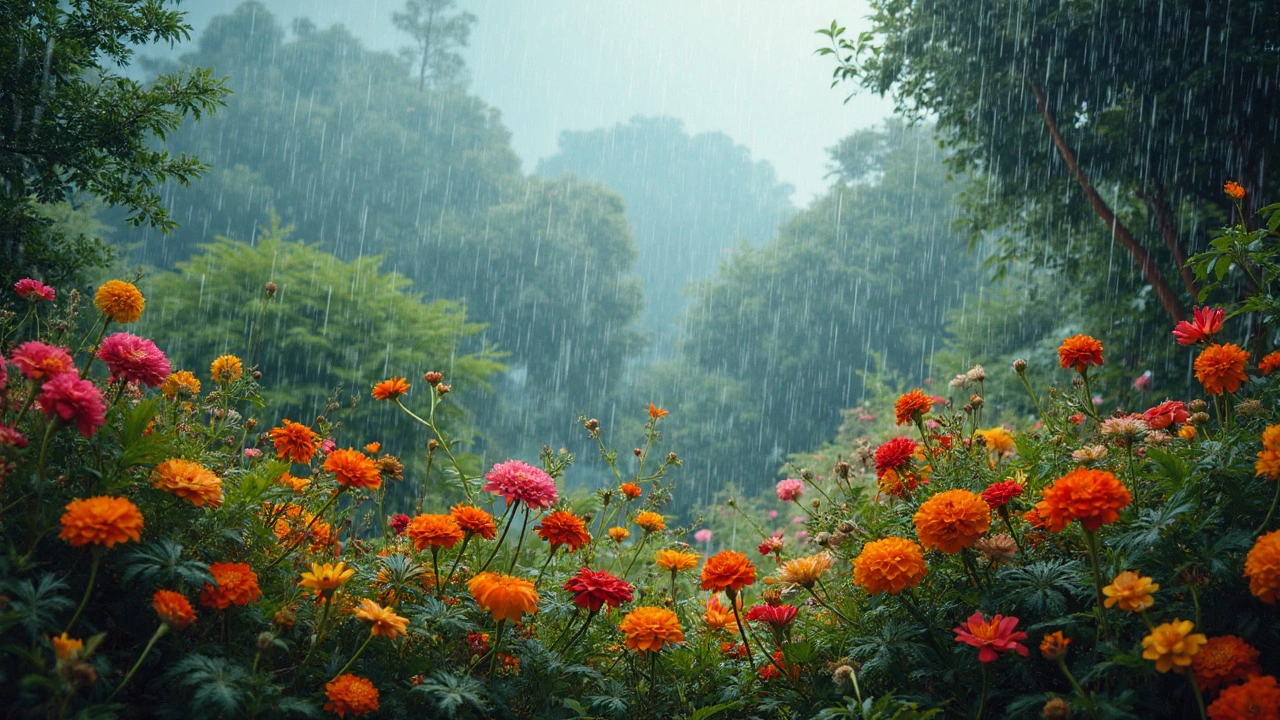
Did you know certain flowers can act as natural weather predictors? In India, where diverse flora thrives, some flowers are believed to indicate rain through subtle changes. This article explores how these fascinating blooms give hints about upcoming showers. Discover which flowers to watch and how they can enhance your gardening experience.