Garden Design: Smart Layouts for Small Spaces and Sustainable Growth
When you think of garden design, the intentional planning of outdoor spaces to maximize beauty, function, and plant health. Also known as landscape layout, it's not just about picking pretty plants—it’s about understanding how space, light, water, and soil work together in real-world conditions. In India, where balconies, rooftops, and tiny yards are the norm, good garden design isn’t a luxury—it’s the only way to grow anything at all.
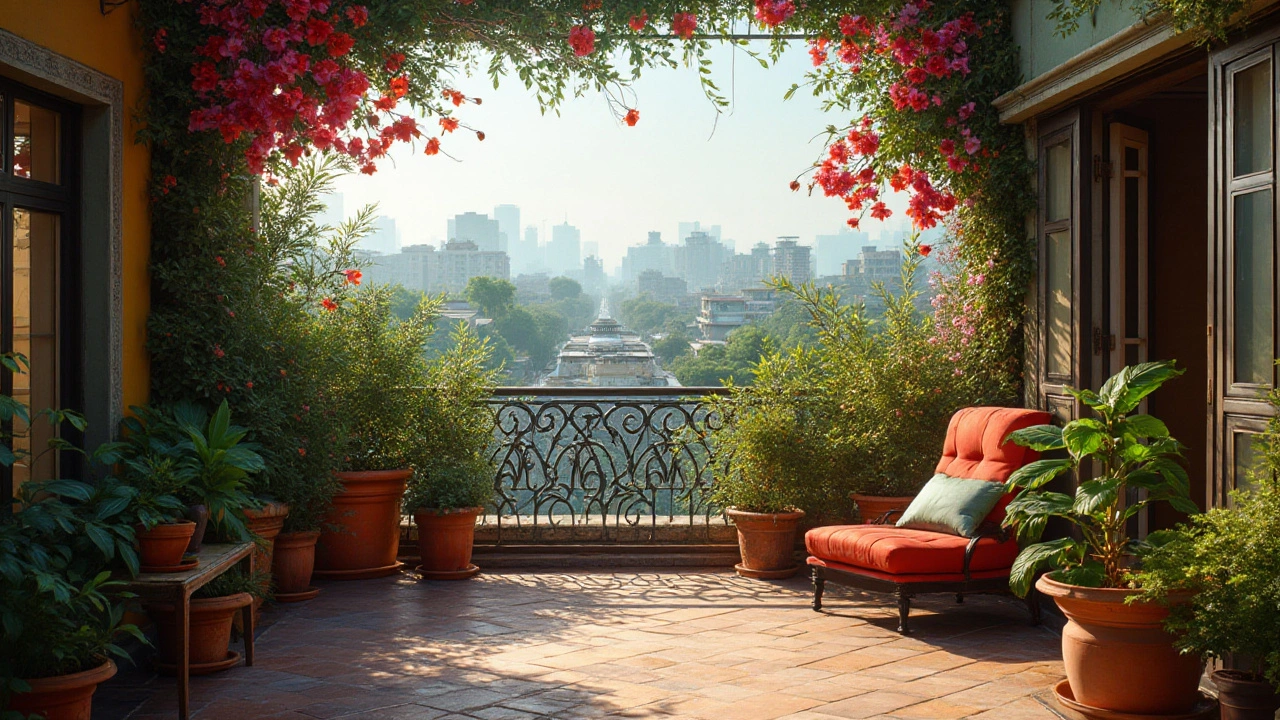
Good terrace gardening, growing plants on flat rooftops or elevated platforms, often in containers or raised beds means working with what you’ve got: limited soil, harsh sun, and no room for big trees. That’s why so many posts here focus on balcony garden, a small-scale garden setup on a building’s exterior ledge, ideal for urban dwellers solutions—like using vertical space, picking the right containers, and choosing plants that don’t need acres of ground. You don’t need a backyard to grow food or flowers. You just need a plan. And that plan starts with knowing what your space can actually handle.
Most people think garden design is about aesthetics. But the real winners? They design for function first. A compact space gardening, growing plants efficiently in small, confined areas like patios, balconies, or windowsills system needs smart watering—like drip lines or soaker hoses—to avoid waste. It needs soil that doesn’t turn to concrete. It needs plants that match the sun, not the Instagram post. That’s why you’ll find guides here on fixing compacted soil, choosing the best veggies for balconies, and even how to cool a blazing hot terrace. These aren’t random tips. They’re all pieces of the same puzzle: how to make a small space feel alive without burning out.
And then there’s sustainability. Garden design today isn’t just about looking good—it’s about lasting. Rainwater harvesting, composting, and using natural insecticides like neem oil aren’t trendy add-ons. They’re the backbone of any garden that survives India’s heat, monsoons, and dry spells. The best designs don’t just grow plants—they build systems. Systems that reuse water, feed the soil, and keep pests in check without chemicals. That’s why posts on self-sustaining gardens and soil revival show up so often here. This isn’t about buying more stuff. It’s about using less, and getting more out of what you already have.
Whether you’re trying to grow tomatoes on a 10x10 patio, turn a dusty balcony into a jungle of herbs, or make your rooftop bloom year-round—your success doesn’t depend on luck. It depends on design. And that’s exactly what this collection is built for. Below, you’ll find real solutions from real gardeners who’ve been there: failed plants, cracked pots, and all. No fluff. Just what works.
When contemplating a serene outdoor nook, many consider using either a balcony or a patio. These spaces offer distinct advantages for gardening and leisure. A balcony, elevated and often compact, promises views and privacy, suitable for container gardens, while a patio, commonly at ground level, provides a versatile canvas for larger planting and social gatherings. Understanding these differences helps maximize each space's potential.
Continue reading...