Garden Pests: How to Identify and Stop Them Naturally
When your plants start looking sick—leaves turning yellow, holes chewed through foliage, or sticky residue on stems—you’re probably dealing with garden pests, tiny invaders that feed on plants and spread disease. Also known as plant pests, they’re the silent killers of even the most careful gardens. In India’s warm, humid climate, pests like aphids, whiteflies, spider mites, and caterpillars thrive year-round. Most gardeners reach for chemical sprays first, but those often hurt bees, pollinators, and the soil life your plants actually need to survive.
The real solution? neem oil, a plant-based insecticide drawn from the seeds of the neem tree, used for centuries in Indian farming. It’s not just a quick fix—it disrupts pest reproduction, repels feeders, and doesn’t kill beneficial insects like ladybugs or lacewings. Unlike synthetic pesticides, neem oil breaks down safely and leaves no toxic residue. You’ll find it working in the background of almost every post here: it’s the hero behind organic pest control, the go-to for balcony gardens, and the reason some gardeners never lose a crop to bugs. Other natural tools like sticky traps, companion planting, and garlic sprays help too, but none match neem oil’s broad effectiveness.
What you won’t find here are quick fixes or miracle cures. Instead, you’ll see real stories from gardeners who’ve turned their pest problems around—like how overwatering invites fungus gnats, or how compacted soil makes plants weak targets for pests. You’ll learn why drip irrigation isn’t the enemy, but how you use it can be. And you’ll discover that the same methods that fix soil health or improve watering also make your plants naturally resistant to pests.
This isn’t about spraying and hoping. It’s about understanding the system: how pests live, how they spread, and how to break their cycle without poisoning your garden. Below, you’ll find guides that show you exactly what to look for, what to spray, and when to act—no guesswork, no fluff, just what works in Indian conditions.
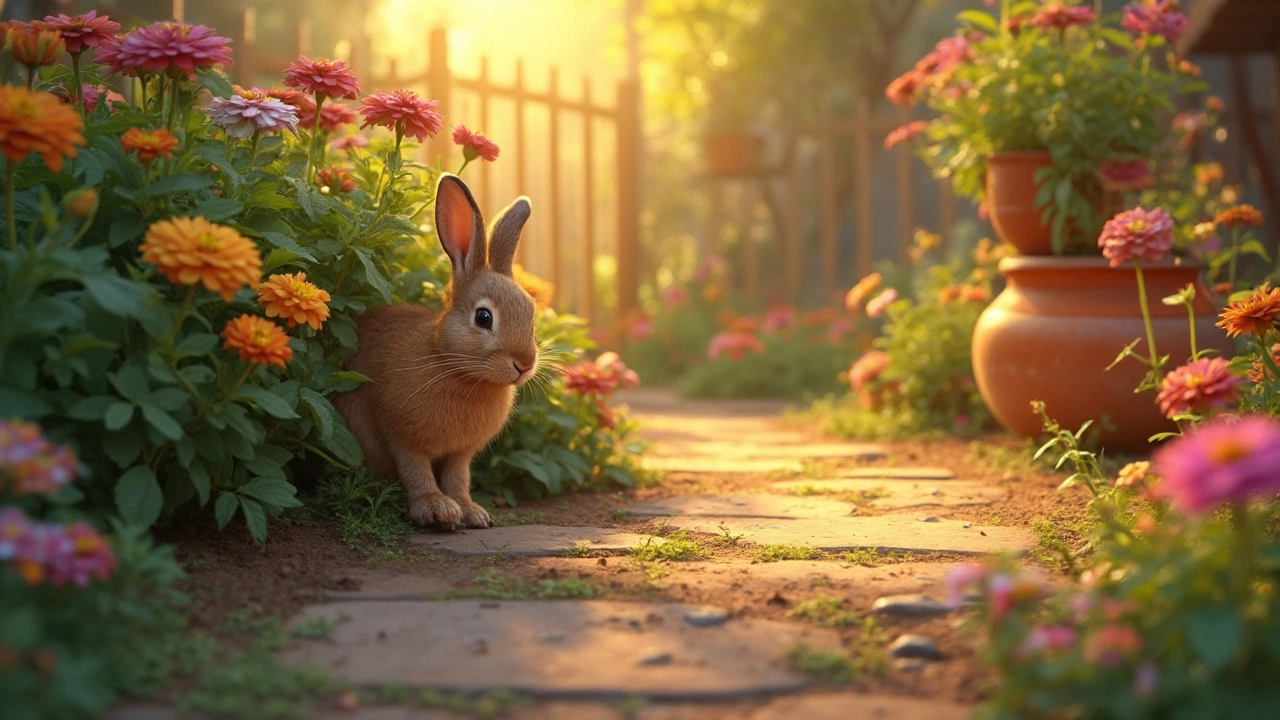
Wondering if rabbits munch on zinnias? This article digs into whether your bright garden flowers are at risk from hungry bunnies. Learn what attracts rabbits, how to spot their nibbling, and real tricks to keep your zinnia patch safe. Get ready to protect your kitchen garden with practical, easy advice. Stay one step ahead of these fluffy visitors.
Continue reading...