Garden Safety: Protect Your Plants, Pets, and Family with Smart Practices
When you think of garden safety, the practices and precautions that keep your garden healthy for people, pets, and plants without harmful chemicals or risky habits. Also known as safe gardening, it’s not just about wearing gloves—it’s about making choices that prevent accidents before they happen. Many gardeners focus on growth and yield but ignore the quiet dangers: overwatered soil that breeds mold, chemical sprays that kill bees, or tools left where kids and pets can get hurt.
Natural insecticide, a plant-based solution like neem oil that controls pests without poisoning beneficial insects or contaminating the soil is a key part of garden safety. Unlike synthetic pesticides, it breaks down safely and won’t linger in your vegetables or harm your dog if they sniff the plants. Drip irrigation, a system that delivers water slowly to plant roots, reducing puddles and fungal risks also plays a role. Running it every day? That’s not safe—it creates soggy soil, invites root rot, and wastes water. The right schedule, based on soil moisture and weather, keeps things dry where they should be and moist where they need to be.
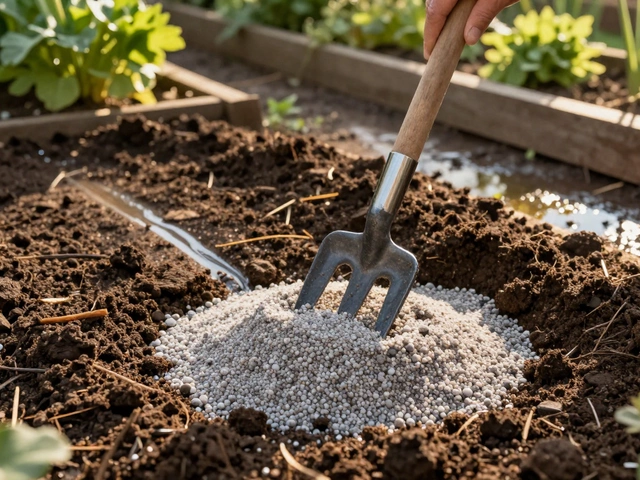
Soil health, the condition of your dirt—its structure, microbes, and nutrient balance—that directly affects plant strength and resistance to pests is another silent pillar of safety. Compacted, lifeless soil doesn’t drain well. It becomes a breeding ground for diseases. Fixing it with compost and aeration isn’t just good for growth—it’s a safety move. Healthy soil means fewer pesticides, less watering, and stronger plants that don’t need constant babysitting.
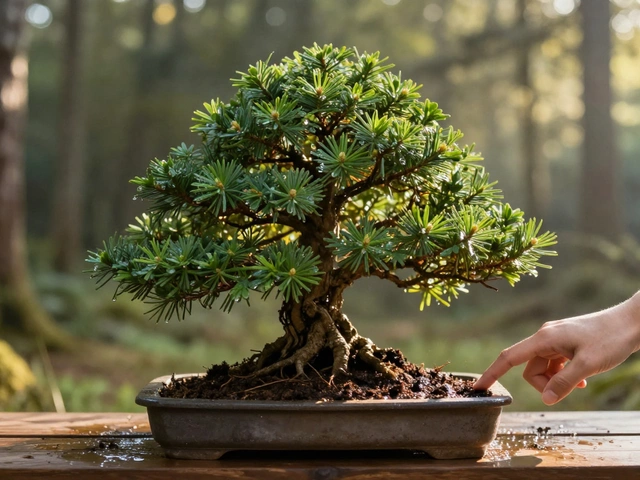
You’ll find posts here that show you exactly how to avoid common mistakes: why overwatering kills bonsai trees, how neem oil outperforms other natural sprays, and how to fix hard soil without buying expensive gear. These aren’t theory pieces—they’re real fixes from gardeners who’ve been there. Some posts even warn you about the costliest fruits that look tempting but demand extreme care, or the toughest plants that fail because people treat them like houseplants. All of it ties back to one thing: safety isn’t an afterthought. It’s the foundation.
Whether you’re growing veggies on a balcony, tending orchids in a humid corner, or just trying to keep your dog from digging up your seedlings, the tools, habits, and products you choose matter. This collection gives you the facts—no fluff, no hype—just what works in Indian gardens, with real plants, real weather, and real risks.
Wondering if it's a good idea to plant a garden right against your house? This article digs into whether it's a smart move or a risky venture. You'll discover essential tips and practical advice on making the most out of your green space without compromising your home's safety or aesthetic. Whether you're a seasoned gardener or just starting, learn how to blend garden vibes with your home's architecture.