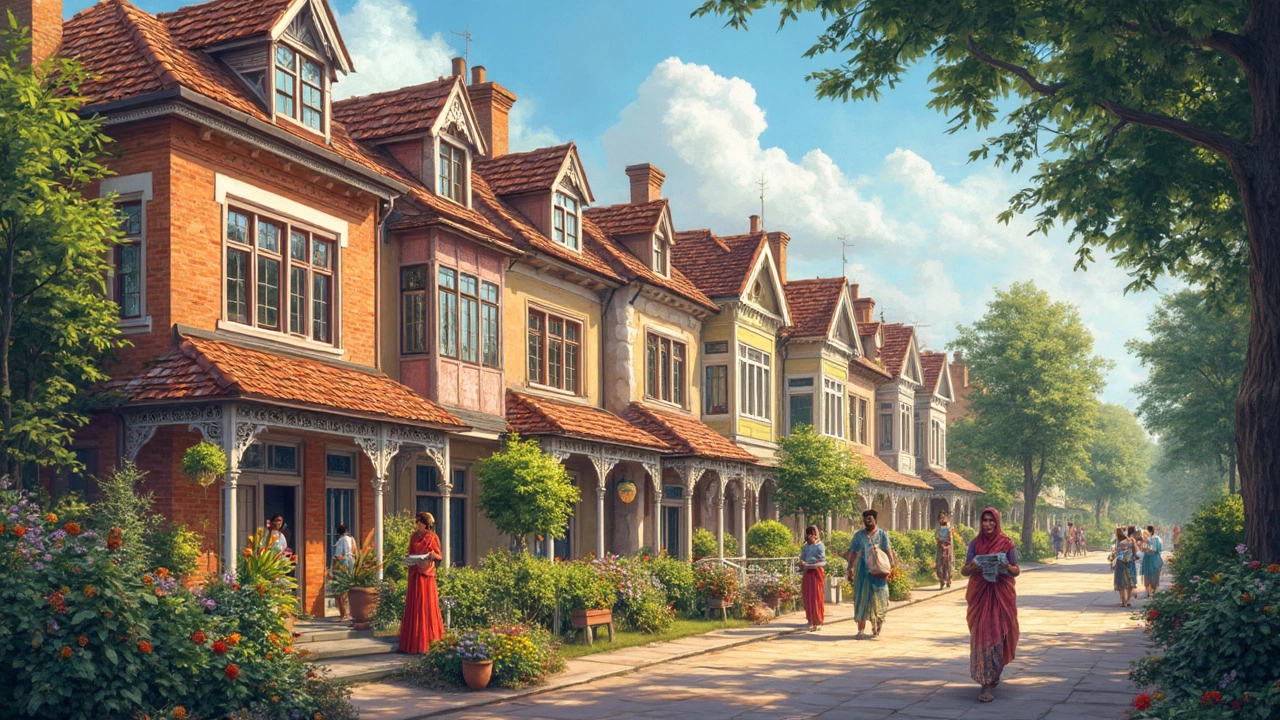
Georgian Terrace Gardening: Tips for Small Spaces and Urban Growers
When you live in a Georgian terrace, a narrow, multi-story urban home common in British-style cities, often with a small rear or rooftop space, gardening isn’t optional—it’s survival. These homes don’t come with yards. But they do come with balconies, patios, and rooftops that can turn into lush, productive gardens if you know how to work with what you’ve got. A 10x10 patio, a compact outdoor area often found on Georgian terraces is more than enough to grow herbs, veggies, and even flowers if you plan right. The real challenge isn’t space—it’s soil, sun, and water. Most people fail because they treat their terrace like a garden in the countryside. It’s not. It’s a microclimate: hot in summer, windy in spring, and often shaded by neighboring buildings.
That’s why drip irrigation, a water-efficient system that delivers moisture directly to plant roots is so popular here. But running it every day? That’s a mistake. You need to check soil moisture, adjust for seasons, and sometimes skip watering altogether. Better yet, pair it with mulching, a simple technique that locks in moisture and cools the soil. Mulch cuts watering needs by half and keeps roots happy in the heat. And if your soil is hard as brick? You’re not alone. Compacted soil is the silent killer of terrace gardens. Fix it with compost and a little aeration—no heavy tools needed. The same goes for drainage. Terraces often sit on concrete. Without proper drainage, roots drown. Use raised planters with holes, or line pots with gravel. You don’t need fancy gear. You need to understand your space.
What you grow matters too. Not every plant survives in a narrow, sun-starved corner. The Vanda orchid, a high-maintenance plant that needs perfect humidity and airflow might look stunning, but it’s a nightmare on a terrace. Stick to tough, adaptable plants. Herbs like basil and mint, veggies like cherry tomatoes and peppers, and flowers like marigolds and nasturtiums? They thrive with minimal fuss. And if you’re worried about pests, neem oil, a natural, safe insecticide that doesn’t harm bees or pets is your best friend. It’s cheap, effective, and works in small spaces. You don’t need a big yard to grow food. You just need to stop treating your terrace like a blank canvas and start treating it like the ecosystem it is.
Below, you’ll find real, tested advice from gardeners who’ve turned tiny balconies into food factories and quiet retreats. No fluff. No theory. Just what works on a Georgian terrace in India’s climate—whether you’re dealing with monsoon rains, summer heat, or concrete that bakes all day. These posts show you how to fix soil, pick the right plants, save water, and grow something meaningful—even if your garden is smaller than your living room.
Curious about the differences between Victorian and Georgian terraces? This article breaks down how these classic homes look, feel, and function—right down to the garden space. Whether you're eyeing up a period property or already live in one, you'll get practical tips for making your terrace garden shine, no matter its era. Learn about design details, quirky facts, and how to work with each style's unique layout. Spot the features that set these terraces apart so you can make smarter choices for your outdoor space. It's all easy to understand, with straightforward advice you can use right now.
Continue reading...