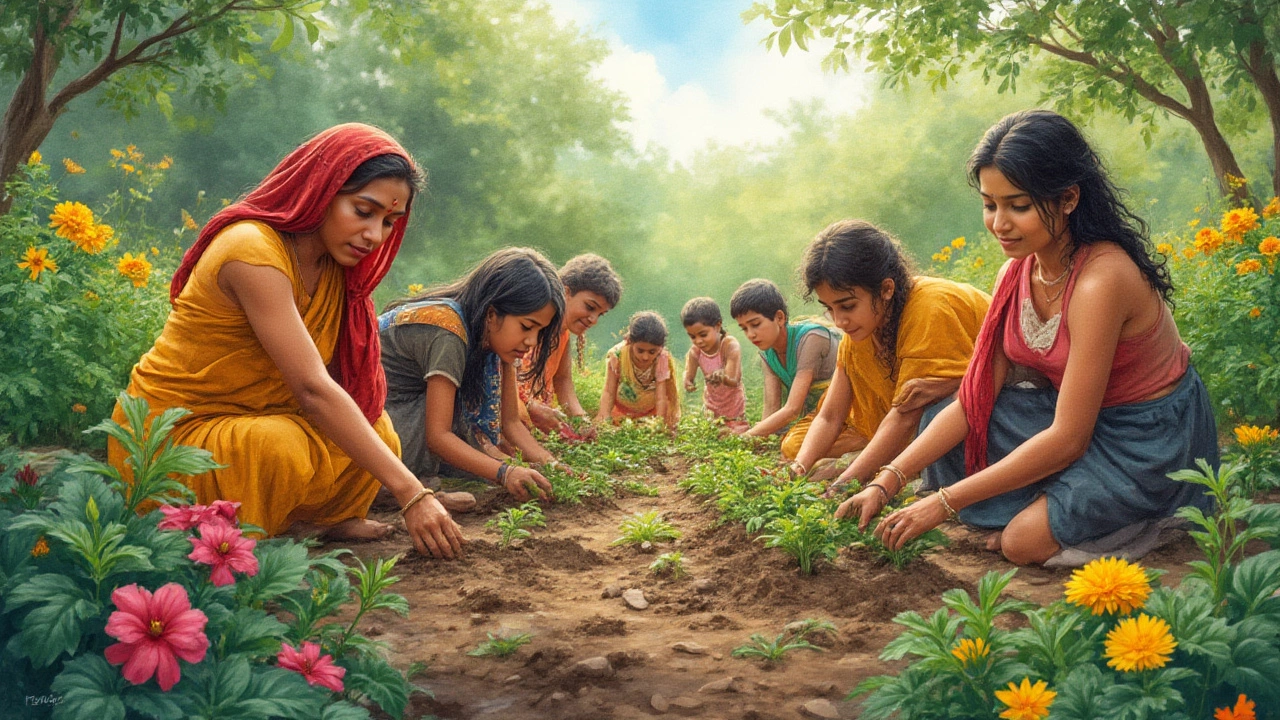
Good Gardener: What It Really Takes to Grow Healthy Plants in India
Being a good gardener, someone who consistently grows healthy plants by understanding their needs and adapting to local conditions. Also known as a successful home grower, it isn’t about buying the fanciest tools or following Instagram trends—it’s about paying attention to what’s actually happening in the soil, the air, and around your plants every day. In India’s varied climate—from the dry heat of Rajasthan to the monsoon-soaked hills of Kerala—a good gardener doesn’t guess. They observe. They adjust. They learn from failure.
A good gardener knows that soil health, the foundation of every thriving garden, determined by texture, nutrients, and microbial life matters more than the brand of fertilizer. Compacted soil, common in urban balconies and backyard plots, stops roots from breathing. That’s why fixing hard soil with compost and aeration shows up again and again in these posts. A good gardener doesn’t just water—they test the soil. They check for moisture before turning on the tap, because overwatering kills more plants than drought ever will.
They also understand that watering schedule, the timing and amount of water given to plants based on species, season, and weather isn’t one-size-fits-all. Running drip irrigation every day? That’s not smart—it’s lazy. A good gardener knows drip systems need to be tuned like a radio, not left on auto-pilot. They use soaker hoses where needed, collect rainwater, and mulch heavily to keep moisture locked in. They don’t follow generic advice from blogs written for the UK—they adapt for Indian summers, monsoons, and dry winters.
And when pests show up? A good gardener doesn’t reach for chemicals. They turn to organic pest control, natural methods that stop insects without harming bees, pets, or soil. Neem oil isn’t magic—it’s science. It disrupts pests’ life cycles without poisoning the environment. That’s why it’s the top choice in these posts, not because it’s trendy, but because it works. A good gardener knows that healthy plants resist bugs better than stressed ones. So they feed the soil, not just the leaves.
It’s not about having the most plants. It’s about having the right ones in the right place. A good gardener in India grows durian because they’ve studied the climate, not because it’s expensive. They grow Vanda orchids because they’ve learned to mimic mountain air, not because they want a pretty picture. They grow vegetables on balconies because they know containers can thrive with the right soil mix and light. They don’t chase perfection. They chase progress.
What you’ll find in these posts isn’t a list of rules. It’s a collection of real fixes from gardeners who’ve been there—overwatered bonsais, crushed soil, failed drip systems, and plants that refused to bloom. Each article answers one real question: What do I do now? No fluff. No theory. Just what works, right here, right now, in India’s unpredictable weather and crowded spaces.
Dig into the mindset, skills, and habits that set good gardeners apart—and how you can grow your own abilities with a fresh, hands-in-the-dirt approach.